

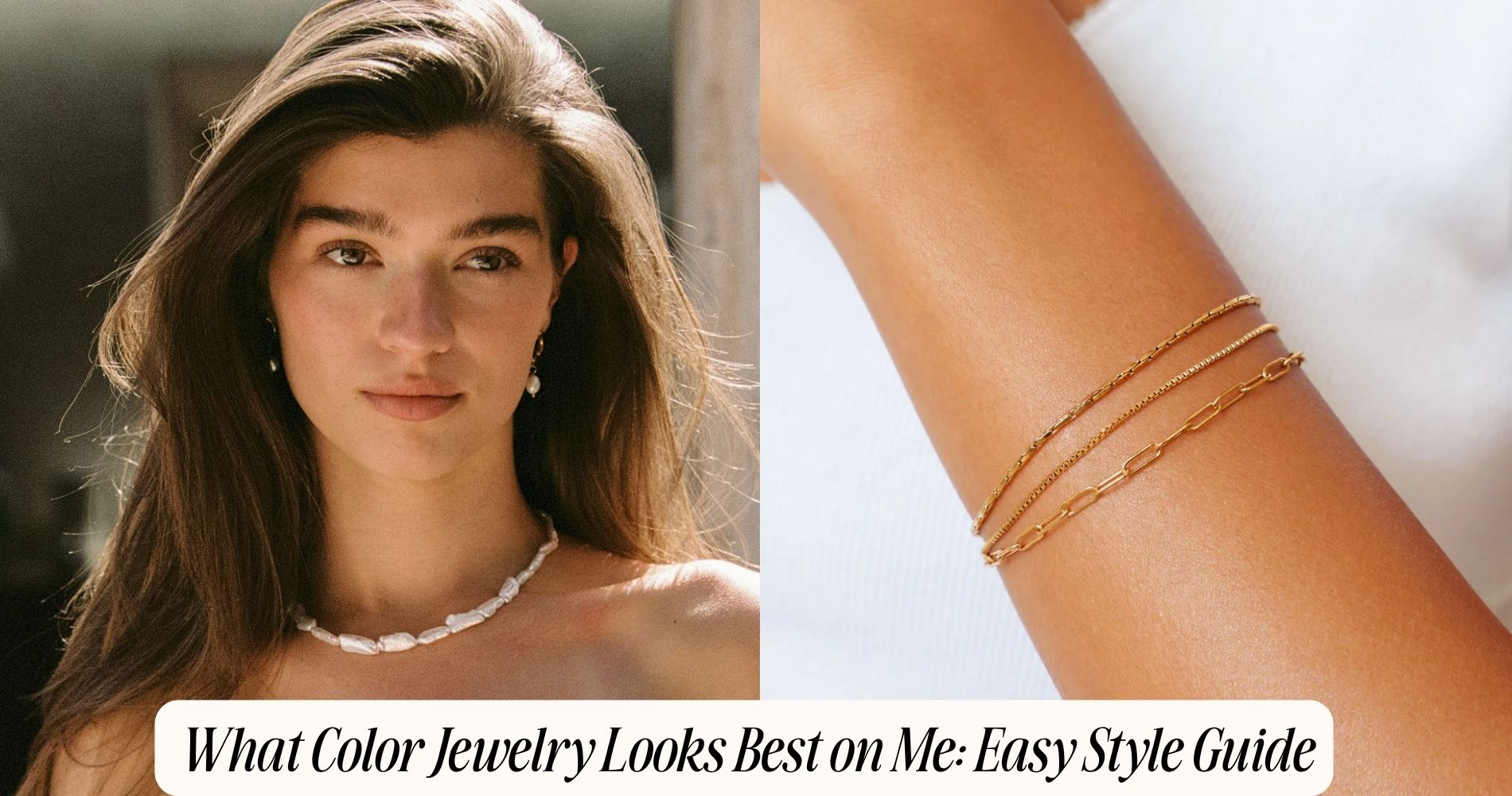
What Color Jewelry Looks Best on Me: Easy Style Guide
Jewelry color is one of the most personal style decisions you make, and it is also one of the most consistently misunderstood. Most people pick gold or silver based on habit or what they grew up wearing rather than on what actually works with their skin. If you have been asking what color jewelry looks best on me, the answer starts with your skin's undertone rather than its surface depth. Sun Jewelry in warm gold tones designed for daily wear sits at the center of that conversation. This guide covers how to identify your undertone, which metal tones work best with each, how outfit color affects the equation, and how to mix metals when you want both.
Why Undertone Matters More Than Skin Depth
The most common mistake in jewelry color selection is matching metal tone to skin depth: light skin with silver, dark skin with gold, or medium skin with either. Skin depth (how light or dark your complexion is) is actually the less relevant variable. Undertone, the color cast that sits beneath your skin's surface, is what determines whether a metal tone creates harmony or contrast with your complexion.
Undertone falls into three broad categories.
Warm undertones carry yellow, peachy, or golden hues beneath the surface. If your skin has a golden or yellowish quality in natural light, your veins appear greenish at the wrist, and you tend to tan easily rather than burn, you likely have a warm undertone. Gold, bronze, and rose gold metal tones share the warm color family and create the most natural visual harmony with warm-undertone skin because they sit in the same color temperature range.
Cool undertones carry pink, red, or bluish hues beneath the surface. If your skin has a pinkish or rosy quality in natural light, your veins appear blue or purple at the wrist, and you tend to burn before tanning, you likely have a cool undertone. Silver, white gold, and platinum share the cool color family and complement cool-undertone skin by echoing its natural tone rather than competing with it.
Neutral undertones carry a mix of warm and cool qualities without one clearly dominating. If your veins appear blue-green, your skin neither reads as clearly golden nor clearly pink in natural light, and both gold and silver seem to work reasonably well on you, you likely have a neutral undertone. Neutral undertone skin is the most flexible and suits all metal tones, making mixed-metal styling particularly natural for this group.

What Color Jewelry Looks Best on Me: By Undertone
Warm Undertones: Gold, Bronze, and Rose Gold
Warm metal tones work best on warm-undertone skin because they create tonal harmony rather than contrast. Gold jewelry against warm-undertone skin appears to glow from the inside because both the metal and the skin share the same yellow-gold color temperature. That matching warmth creates a softening, luminous effect that cool metals do not produce on the same skin.
Within warm metals, the choice between yellow gold, rose gold, and bronze is a matter of depth and personal preference rather than undertone compatibility. Yellow gold reads as the most classic and universal warm tone. Rose gold adds a pink flush that suits warm undertones with a slightly peachy quality particularly well. Bronze creates a deeper, earthier warmth that works best with medium to deeper warm skin tones.
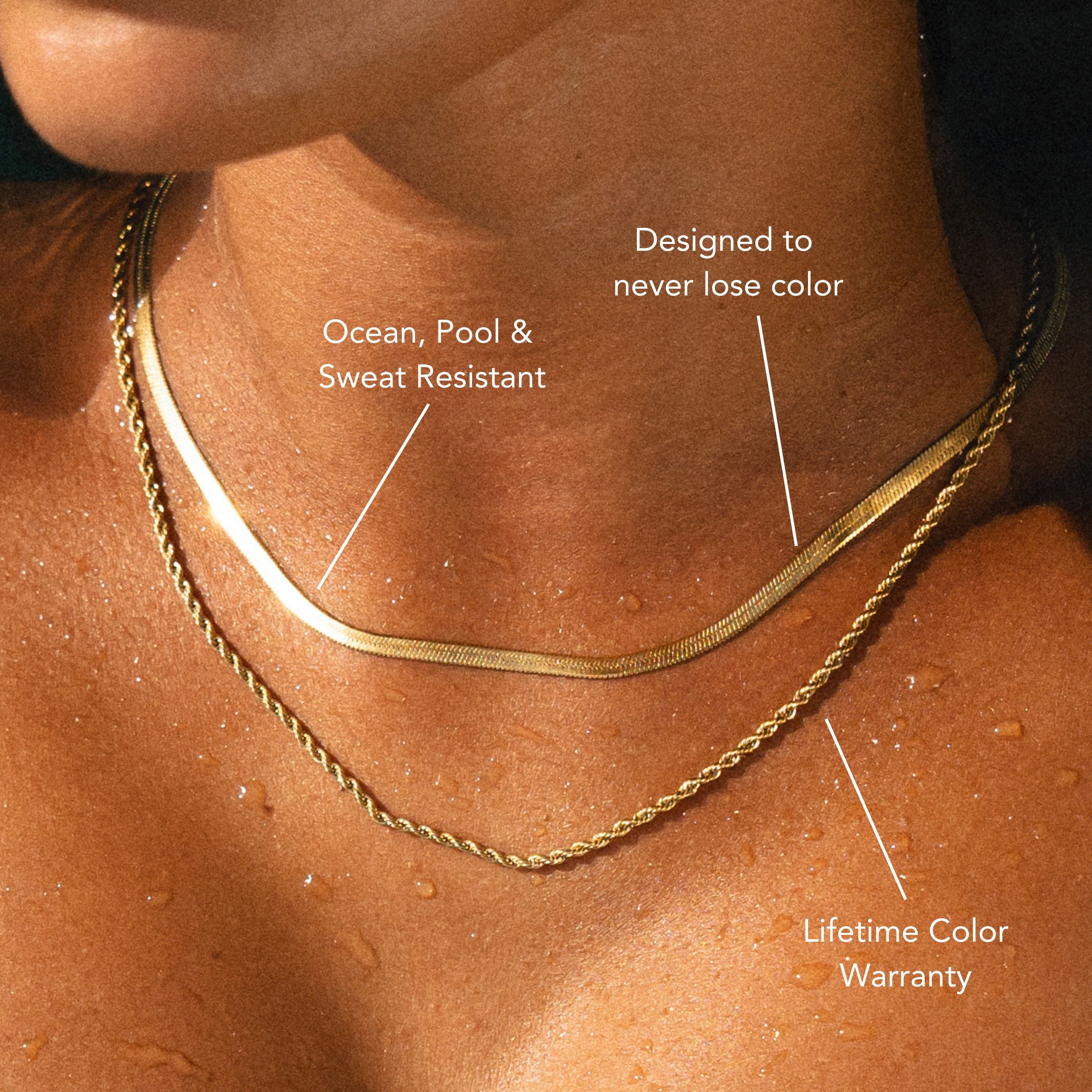
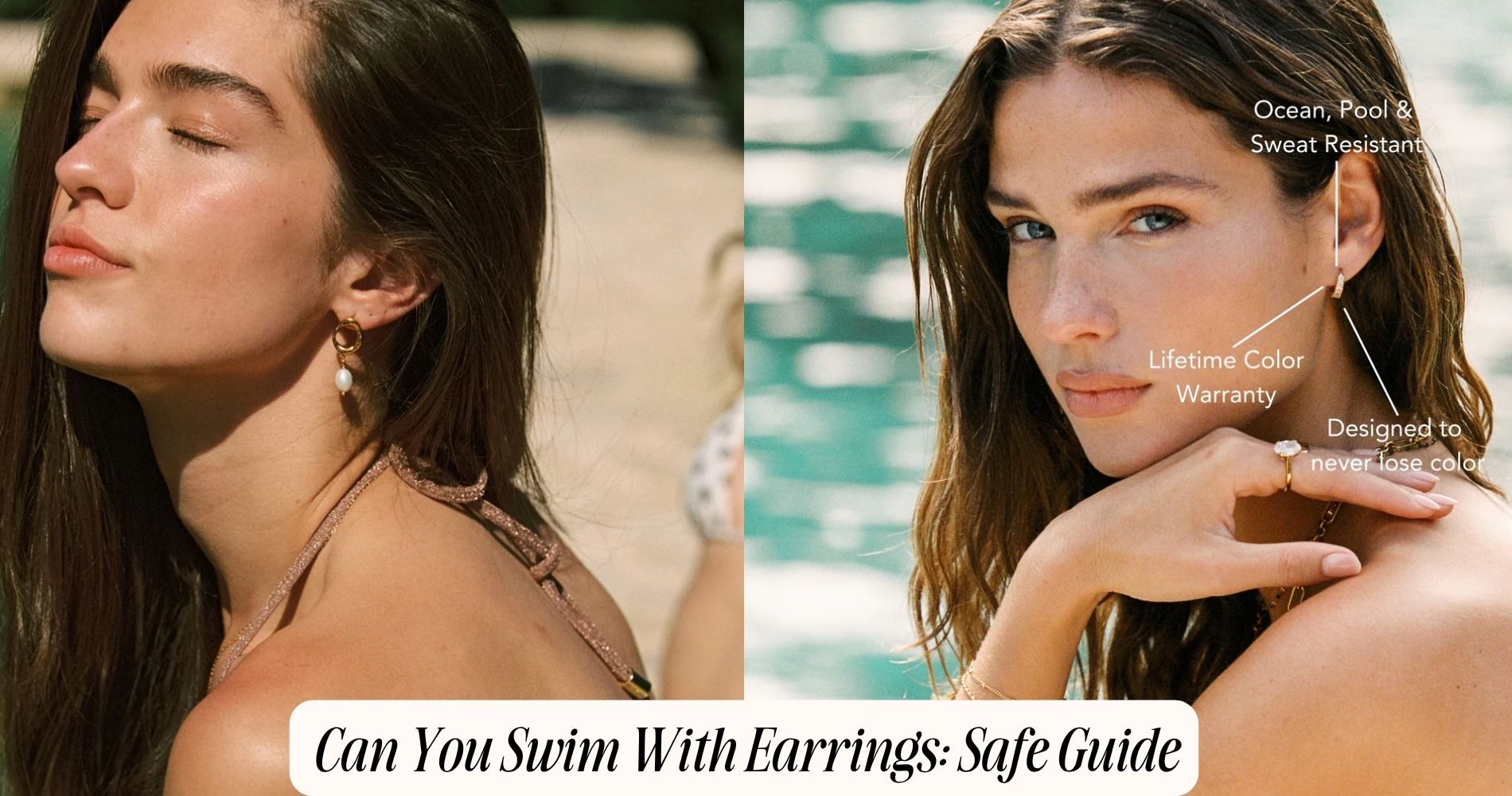
For warm-undertone skin that spends time outdoors, at the beach, or in sun-rich environments, warm gold tones interact with sun-kissed skin to create particularly strong visual harmony. The golden quality of tanned warm skin and yellow gold jewelry creates a cohesive, natural look that silver tends to interrupt.
Cool Undertones: Silver, White Gold, and Platinum
Silver and white metal tones work best on cool-undertone skin because they share the same cool color family. Silver against cool-undertone skin creates a clean, bright contrast that reads as intentional and polished. The pink and rosy qualities in cool-undertone skin are not amplified by silver the way they can be by warm gold tones, which can occasionally create a clashing warmth against naturally cool skin.
Platinum and white gold produce the same cool-tone effect as silver and suit cool undertones equally well. The distinction between them is price and material durability rather than visual effect on the skin.
Sterling silver and PVD silver-finish pieces in stainless steel both deliver the cool metal tone that works best for cool undertones. For pieces worn through daily showers, beach days, and gym sessions, PVD-coated silver-finish stainless steel holds that cool silver tone without the tarnishing that sterling silver develops with regular water exposure.

Neutral Undertones: All Metal Tones Work
Neutral undertone skin is genuinely flexible across metal tones. Gold reads warmly and luminous. Silver reads cleanly and bright. Rose gold adds a soft flush. None of them creates a clash because neutral undertone skin does not lean strongly enough in either the warm or cool direction to conflict with either metal family.
For neutral undertone wearers, the deciding factor shifts from skin harmony to personal preference and outfit coordination. Choosing a primary metal tone based on the colors you wear most often, rather than skin compatibility, is the most practical approach for neutral undertones.
How Outfit Color Affects Jewelry Color Choice
Skin undertone establishes the baseline, but outfit color shifts the equation for specific looks. The metal tone that works best with your skin does not always work best with a specific outfit color, and knowing how to navigate that is part of practical everyday jewelry styling.
| Outfit Color | Works Well With | Why |
|---|---|---|
| Black | Both gold and silver | Black is neutral and does not favor either metal tone |
| White or cream | Gold for warmth, silver for crispness | White amplifies both; gold adds warmth, silver adds edge |
| Navy or deep blue | Gold | The warm-cool contrast between gold and blue is particularly strong |
| Camel or tan | Gold | Warm tones build on each other cohesively |
| Olive or green | Gold | Earth tones and warm metals share the same color family |
| Blush or pale pink | Rose gold or silver | Both complement the softness of pink without competing |
| Red | Gold | Warm tones harmonize; silver can feel stark against saturated warm red |
| Gray | Silver | Cool tones align naturally |
| Bright white | Silver | The crisp contrast of silver against bright white reads very clean |
Black is the most forgiving outfit color for jewelry because its neutrality does not favor either warm or cool metals. A gold necklace on black reads warm and striking. A silver necklace on black reads clean and modern. Both work because black provides no competing color temperature.
Navy and deep blue are worth specific attention because the warm-cool contrast between yellow gold and deep blue is one of the most visually harmonious combinations in jewelry styling. A gold chain or pendant against a navy dress or top creates the kind of intentional contrast that reads as considered rather than accidental.

Mixing Gold and Silver: When and How It Works
Mixed-metal styling has moved firmly into mainstream everyday wear and works consistently when two principles are applied.
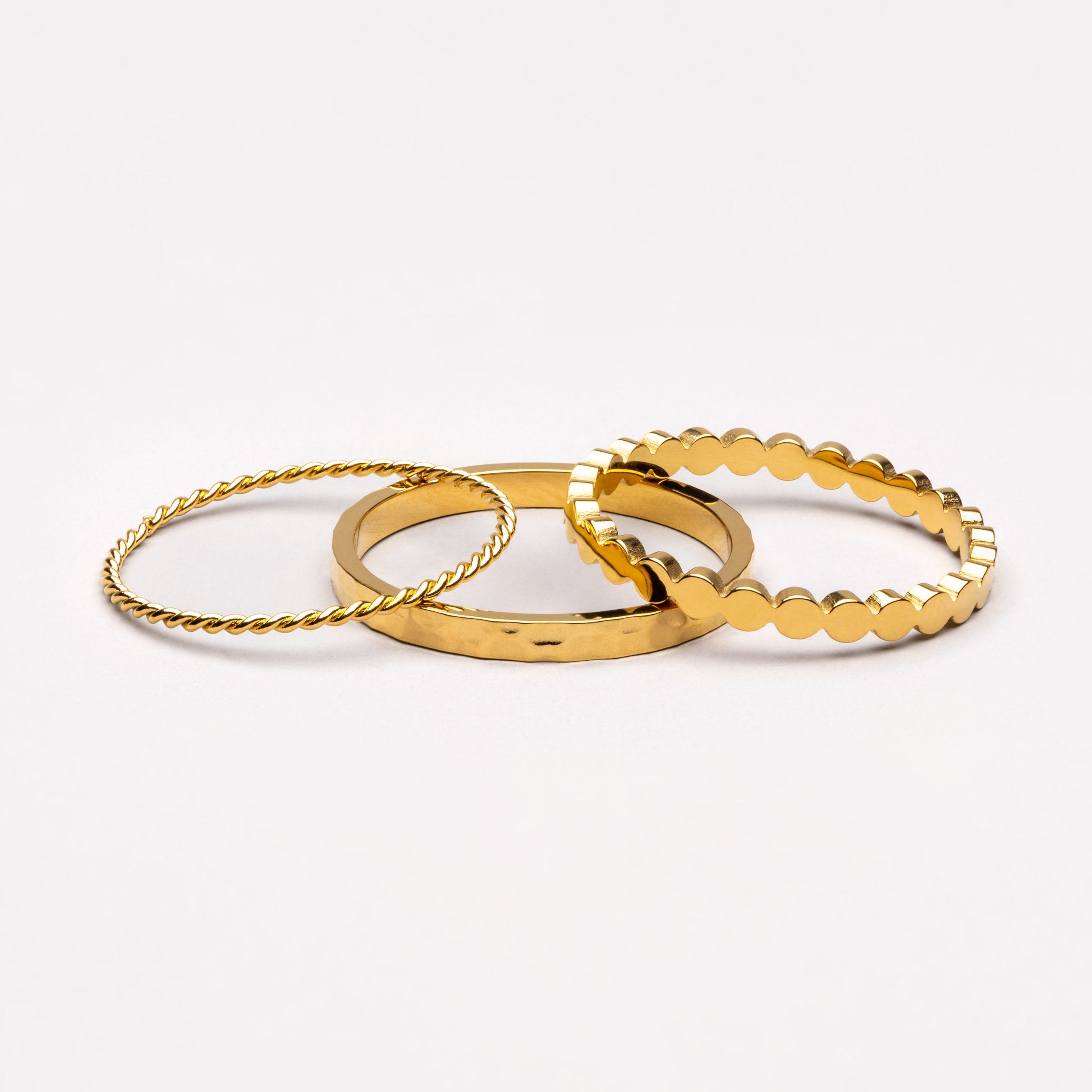
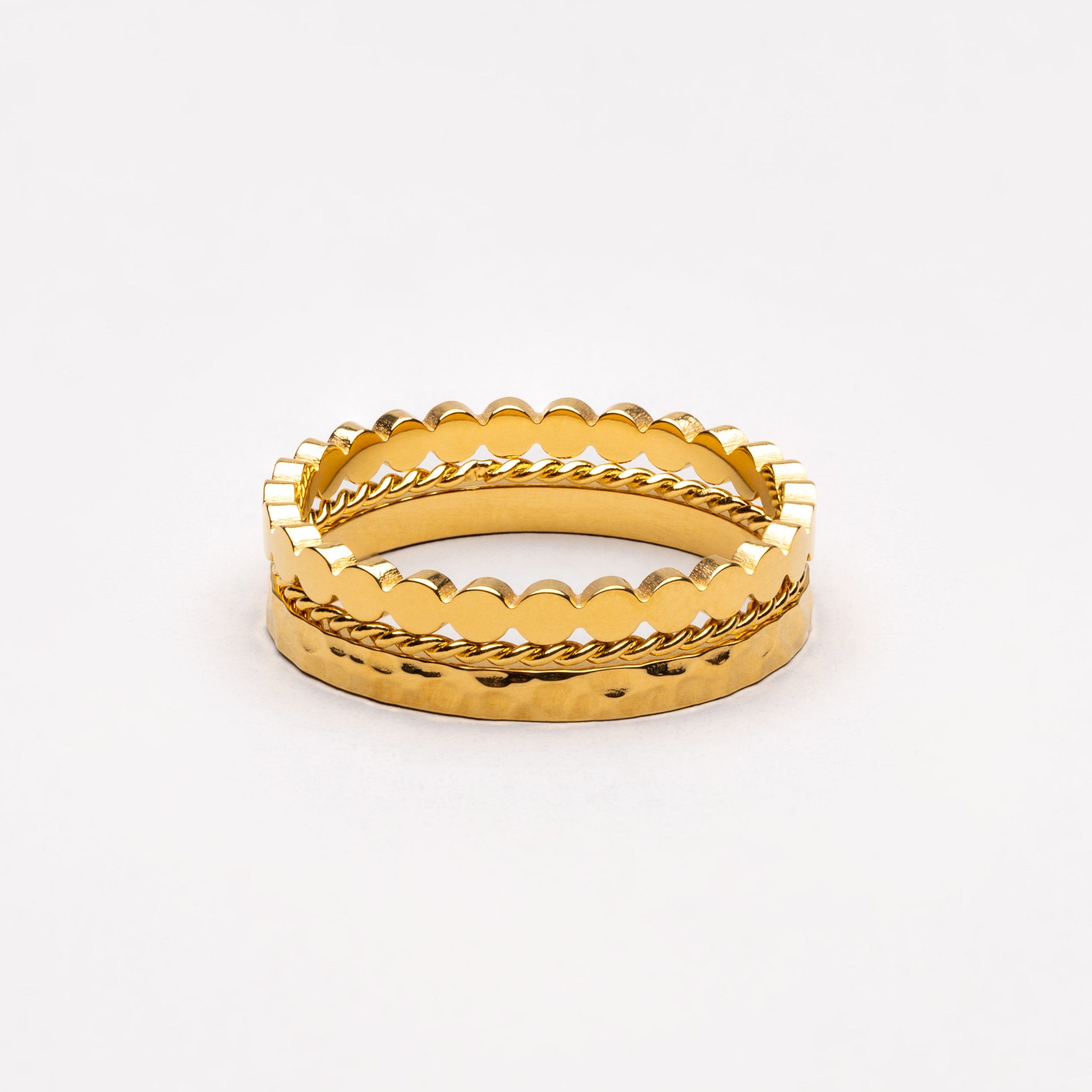
Establish a dominant metal. Choose one metal tone as the primary and let the other play a supporting role. A stack of three gold pieces with one silver piece reads as gold with a deliberate accent. Equal amounts of both metals in the same area reads as uncertainty rather than intention. The ratio that works most reliably is roughly two-thirds one metal and one-third the other.
Repeat the secondary metal. A single silver ring in an otherwise gold look reads like a mistake. Two silver rings in the same look reads like a choice. Repetition signals intention, and intention is what separates mixed-metal styling from mismatching.
For warm-undertone skin, gold-dominant mixed stacks with silver accents work because the dominant warm tone still harmonizes with the skin while the silver provides visual interest. For cool-undertone skin, the reverse works: silver-dominant stacks with gold accents. For neutral undertones, either direction works equally well.
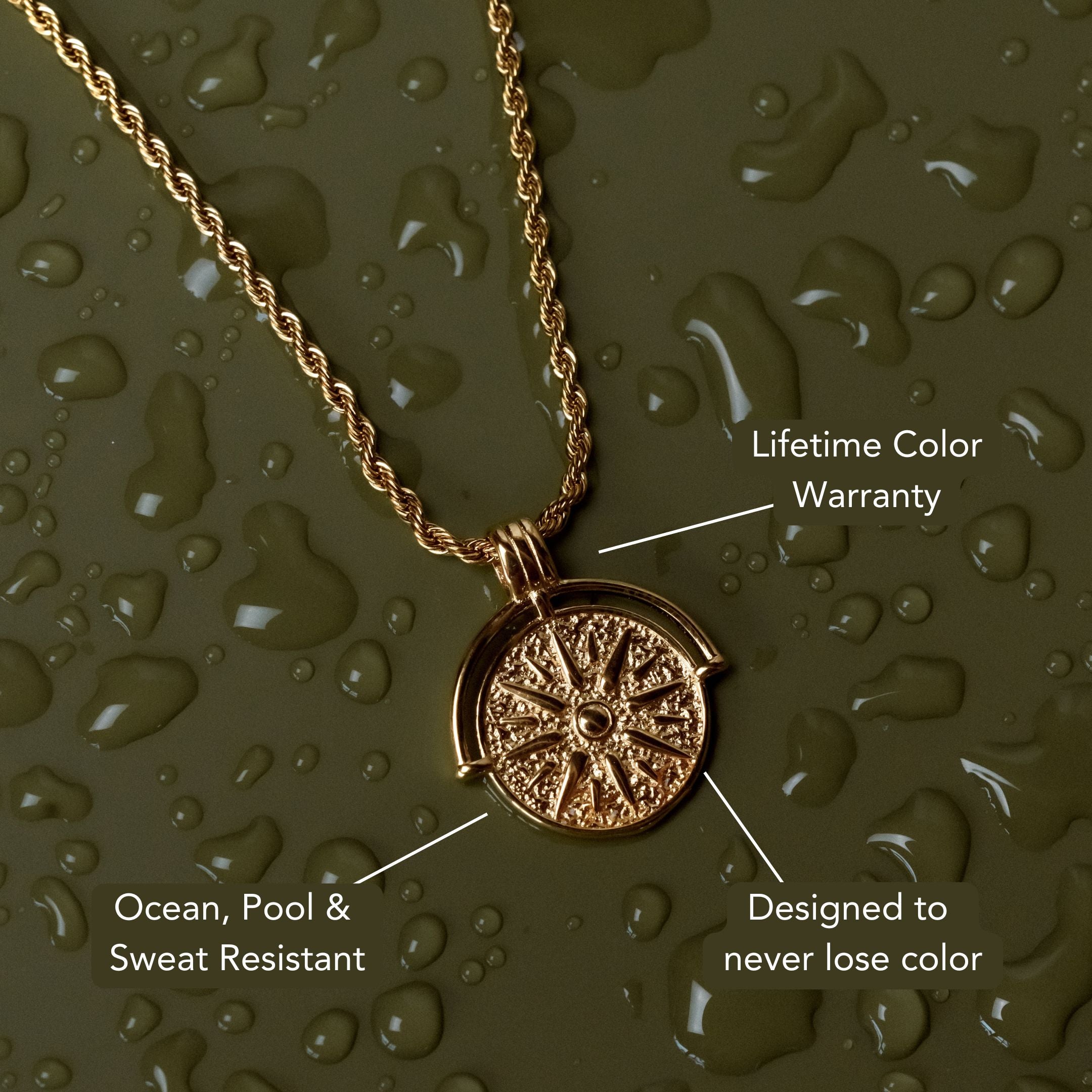
ATOLEA's range covers both gold and silver-tone pieces in PVD-coated stainless steel, built to hold their color through daily wear, gym sessions, and beach and ocean time without the tones shifting or dulling over time. A lifetime color warranty on every piece means the gold stays gold and the silver stays silver consistently, which matters when you are building a mixed-metal stack where color consistency across pieces is part of the visual.

Frequently Asked Questions
Does gold or silver jewelry look better on warm skin tones?
Gold jewelry looks better on warm-undertone skin tones because both sit in the same yellow-warm color family, creating tonal harmony. Silver, with its cool blue-white quality, creates more contrast against warm skin and does not produce the same luminous effect that gold does. This applies to the undertone rather than the surface depth: warm-undertone skin at any depth suits gold.
What jewelry color suits cool undertones?
Silver, white gold, and platinum suit cool undertones best. The cool, blue-silver quality of these metals shares the same color temperature as the pink and rosy tones in cool-undertone skin, creating a cohesive, polished look. Yellow gold against strongly cool-undertone skin can create a clash that feels warm where the skin wants to read cool.
Can I wear gold jewelry if I have cool undertones?
Yes, particularly in rose gold, which bridges warm and cool through its pink quality. Yellow gold can work on cool-undertone skin as a deliberate warm contrast rather than a harmonizing tone, and many people with cool undertones wear it successfully. The skin undertone guideline is a starting point, not a rule, and personal preference always takes precedence once you understand the underlying principle.
How do I find out my skin undertone?
Check the veins on the inside of your wrist in natural light. Greenish veins indicate warm undertone. Blue or purple veins indicate cool undertone. Blue-green veins indicate neutral undertone. You can also check how your skin responds to sun: tanning easily suggests warm undertone, burning before tanning suggests cool. A third check is whether you look better in off-white and cream (warm) or bright white (cool).
Does jewelry color need to match my outfit?
Not match, but coordinate. The most reliable coordination principle is: warm outfit colors (camel, olive, rust, tan) with warm metal tones, and cool outfit colors (navy, gray, bright white) with cool metal tones. Black and denim are neutral and work with both. Exact matching is not necessary and often reads as overly coordinated rather than intentional.
Conclusion
What color jewelry looks best on me starts with undertone: warm undertones suit gold and rose gold, cool undertones suit silver and white metals, and neutral undertones work with both. Outfit color shifts the equation for specific looks, with the table in this guide giving you a quick reference for the most common combinations. Mixed metals work with a dominant tone and repeated secondary metal. Once you know your undertone and understand how outfit color interacts with it, the jewelry color decision becomes straightforward rather than a matter of guessing.









Leave a comment
This site is protected by hCaptcha and the hCaptcha Privacy Policy and Terms of Service apply.