

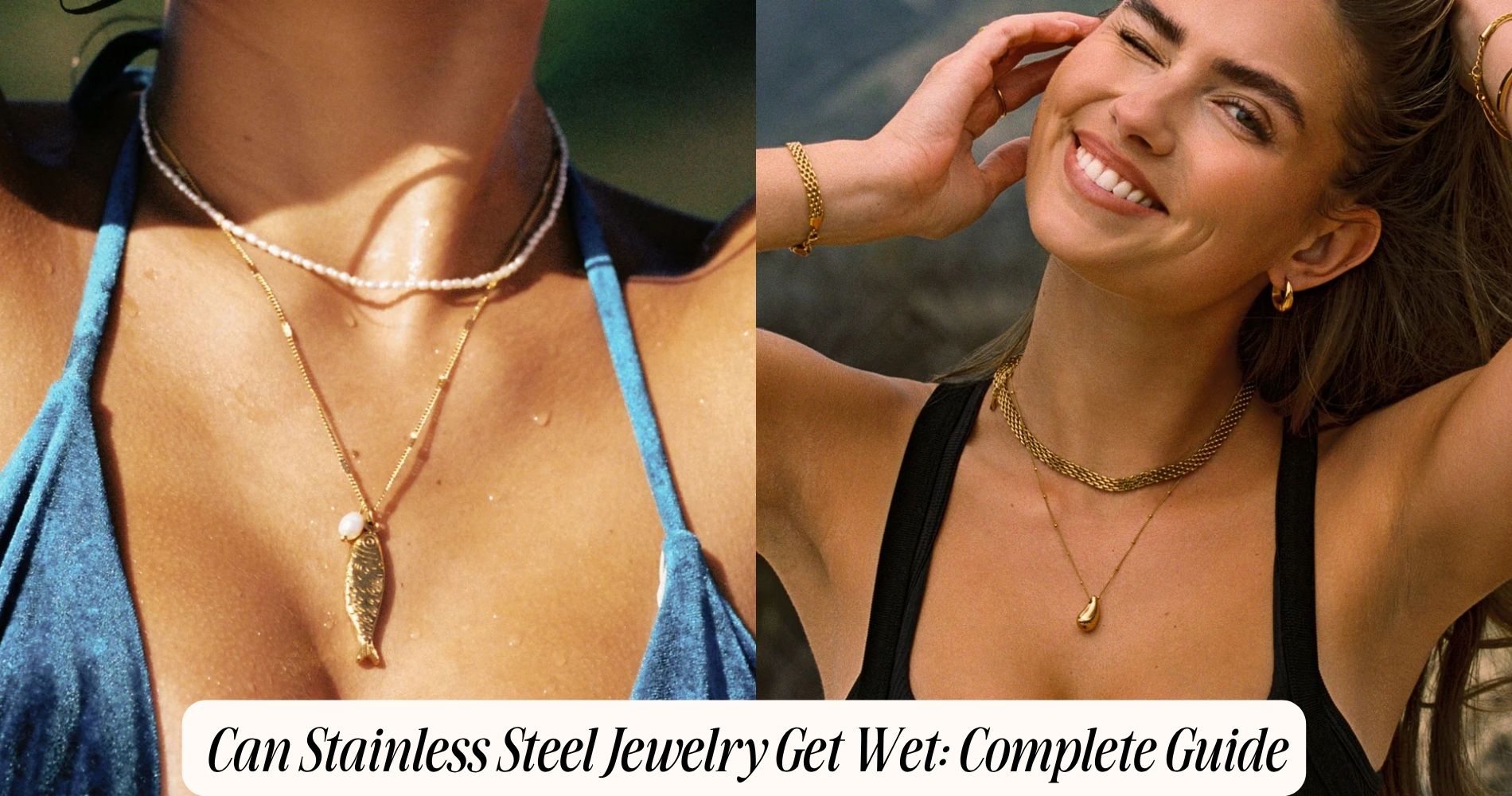
Can Stainless Steel Jewelry Get Wet: Complete Guide
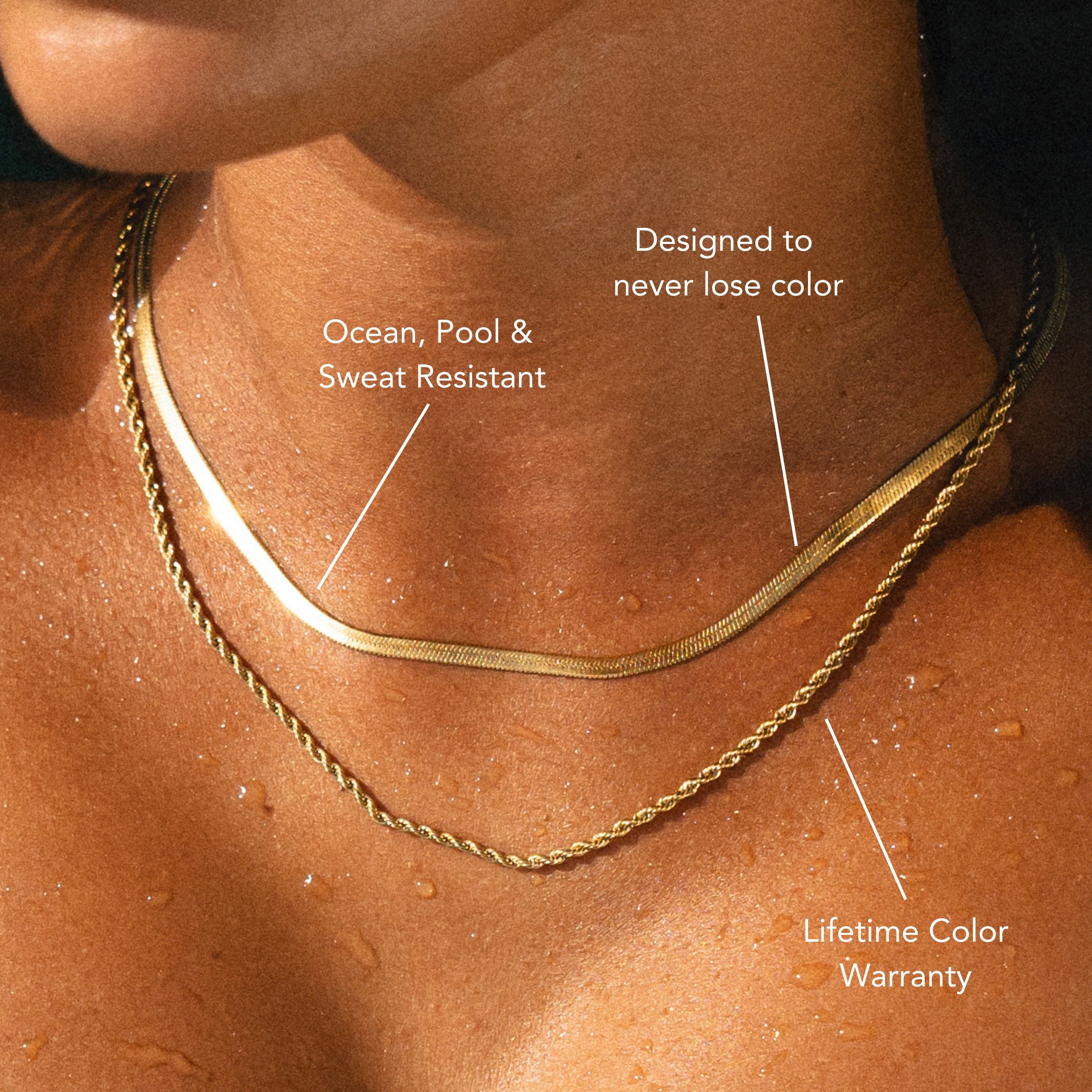
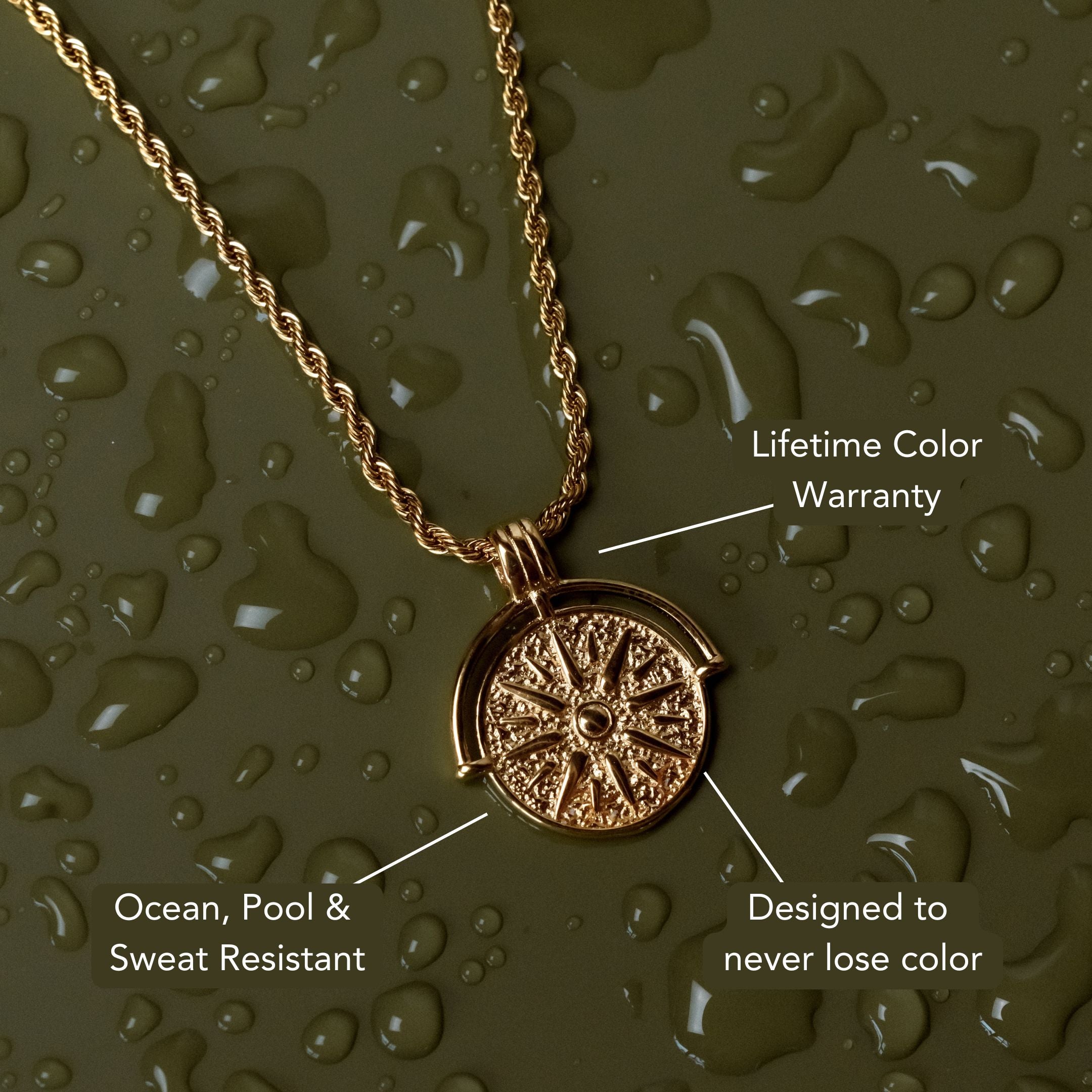
Stainless steel jewelry handles water better than almost any other common jewelry material, but the specifics matter. The grade of steel, the finish applied over it, and the type of water exposure all affect the outcome. Can stainless steel jewelry get wet in a pool? In the ocean? Through a gym session or a humid summer? The answer to each of these scenarios is slightly different, and knowing which applies to your piece and your lifestyle removes the uncertainty from every situation. Waterproof Jewelry built on verified materials handles all of them. This guide covers six specific water exposure scenarios and gives you clear, accurate expectations for stainless steel jewelry through each one.
What Makes Stainless Steel Resistant to Water
Before the scenarios, a brief material foundation makes each answer more useful.
Stainless steel resists water through a passive chromium oxide film that forms spontaneously on the surface when the alloy's chromium content contacts oxygen. This film is transparent, microscopically thin, and chemically stable. It acts as a barrier between the reactive iron in the steel alloy and the water, minerals, and chemical compounds that would otherwise cause corrosion. The film is also self-renewing: if it is scratched or disrupted, it reforms immediately when the surface contacts oxygen again.

The grade of stainless steel determines how robust this passive film is and how well it holds through specific corrosive conditions. 316L surgical-grade steel, the standard for quality jewelry intended for water exposure, contains 16 to 18% chromium and 2 to 3% molybdenum. The molybdenum specifically improves resistance to chloride-induced pitting, which is the corrosion mechanism that pool water and ocean water produce on less resistant alloys. Standard 304 steel contains no molybdenum and handles most water exposure well but shows slightly less resistance in chloride-rich environments.
For pieces with colored finishes, the finish method is as important as the base grade. PVD (Physical Vapor Deposition) coating bonds the finish at the atomic level and does not degrade through water exposure. Standard electroplating applies a surface layer with adhesion vulnerabilities that water and thermal cycling gradually weaken over time.
Scenario 1: Daily Shower
Can stainless steel jewelry get wet in the shower every day?
Yes, for 316L stainless steel in both uncoated and PVD-coated finishes. The passive chromium oxide film holds through the soap, shampoo, steam, and hot water of a daily shower without degrading. Thermal cycling from hot shower to cool air does not affect the film's integrity because it reforms continuously with oxygen contact.
The practical consideration for daily shower wear is not corrosion but accumulation. Soap and shampoo leave residue inside chain link joins, clasp mechanisms, and setting bezels that dulls the surface over weeks if not addressed. A weekly clean with mild soap and a soft toothbrush removes this accumulation before it becomes visible. This is a maintenance routine rather than a material limitation.
PVD-coated stainless steel handles daily shower conditions without the finish degrading. The gold or silver tone that PVD delivers is unaffected by soap, shampoo, or steam because the atomic-level bond of the coating does not have the adhesion vulnerabilities that cause electroplated finishes to lift under repeated thermal cycling.
Grade recommendation: 316L for daily shower wear. 304 also handles shower conditions well. Unspecified grade stainless steel without a grade designation is less predictable.

Scenario 2: Swimming Pool
Can stainless steel jewelry get wet in chlorinated pool water?
Yes, for 316L stainless steel. Pool water contains chlorine at concentrations of 1 to 3 parts per million, which is within the range that 316L's molybdenum content specifically addresses. The molybdenum improves resistance to chloride-induced pitting corrosion, which is the specific failure mechanism that chlorinated water produces on stainless steel alloys without it.
304 stainless steel handles occasional pool exposure but shows more susceptibility to pitting with repeated extended pool sessions compared to 316L. For jewelry worn through regular lap swimming or frequent pool use, 316L is the more appropriate specification.
PVD-coated stainless steel handles pool exposure without the finish lifting or dulling. The coating's atomic-level bond is not affected by pool chlorine concentrations. Standard electroplated gold over stainless steel holds longer in pool conditions than electroplated gold over brass, but the electroplated finish itself gradually degrades with repeated thermal cycling and chemical exposure even over a non-reactive steel base.
A fresh water rinse after pool sessions removes residual chlorine from the surface before it concentrates during drying. This is a good practice even for 316L pieces and adds nothing to the maintenance burden.
Grade recommendation: 316L for regular pool use. PVD finish for colored pieces worn in pools.

Scenario 3: Ocean Swimming
Can stainless steel jewelry get wet in salt water and ocean conditions?
Yes, for 316L stainless steel. Ocean water contains sodium chloride at approximately 3.5% concentration alongside magnesium sulfate, calcium chloride, and other mineral compounds. The same molybdenum content that gives 316L its chlorine resistance in pools provides resistance to the chloride compounds in ocean water.
Salt water also involves sand abrasion during surf and beach activity. PVD coating at 8 to 9 on the Mohs hardness scale is harder than most sand mineral particles and resists abrasion better than electroplated finishes or bare steel. Uncoated 316L steel resists the corrosion from salt water but its surface can show the micro-abrasion of sand contact over extended beach sessions.
The most significant ocean-specific risk for stainless steel jewelry is the salt deposit that forms as ocean water evaporates from the surface after swimming. This concentrated residue is more corrosive than the diluted salt water itself. A fresh water rinse immediately after ocean swimming removes the salt film before it concentrates during air drying. This single step is the most important maintenance practice for ocean-worn stainless steel jewelry and takes less than a minute.
Grade recommendation: 316L for regular ocean use. Fresh water rinse after every ocean session.

Scenario 4: Rain and Hand Washing
Can stainless steel jewelry get wet from rain and regular hand washing?
Yes, without any qualification. Rain water and tap water from handwashing represent the least chemically demanding water exposure stainless steel jewelry encounters. Both are far less chloride-rich than pool or ocean water, and both are far less sustained than daily shower exposure.
Hard water from tap supplies in some areas contains elevated calcium and magnesium levels that leave mineral deposits as the water evaporates. On stainless steel these deposits do not damage the metal but accumulate on the surface over time and produce a chalky, dull appearance that is not corrosion. Wiping the piece with a soft cloth after hand washing removes the water film before it evaporates and prevents most mineral deposit accumulation.
Soap from hand washing that contacts stainless steel jewelry is chemically mild and does not affect the passive film or PVD coating. The soap residue that accumulates inside clasp mechanisms and chain link joins over weeks of hand washing is addressed by the same weekly cleaning routine that shower accumulation requires.
Grade recommendation: Any grade handles rain and hand washing without concern. Wiping dry after contact prevents mineral deposit buildup.
Scenario 5: Gym and Sweat Exposure
Can stainless steel jewelry get wet from sweat during workouts?
Yes. Sweat contains salt, lactic acid, and trace organic compounds that are more chemically active than rain or tap water but less aggressive than pool chlorine or ocean salt. 316L stainless steel handles sustained sweat contact through gym sessions, outdoor workouts, Pilates classes, and beach activity without the passive film degrading or the surface reacting.
The skin contact area of any piece worn through workouts, the inner band of a ring, the underside of a bracelet, the post of an earring, concentrates sweat exposure. On stainless steel, this does not cause corrosion. On PVD-coated stainless steel, the skin contact surface remains non-reactive and hypoallergenic through sweat contact because the coating does not degrade from it.
The practical consideration for gym wear is mechanical: heavier physical activity creates more friction between the piece and skin, which accumulates the combination of sweat, skin oils, and dead cells faster than sedentary wear. The same weekly cleaning routine with mild soap and a soft brush addresses this accumulation effectively.
For earrings worn through workouts, the post inside the piercing encounters concentrated sweat in a warm, enclosed environment. 316L posts and PVD-coated posts remain non-reactive in this condition and do not contribute corrosion products to the piercing environment.
Grade recommendation: 316L for daily gym wear. Weekly cleaning removes sweat accumulation from high-contact surfaces.

Frequently Asked Questions
Does stainless steel jewelry rust when wet?
316L and 304 stainless steel jewelry does not rust from water contact including showers, pools, and ocean swimming. The passive chromium oxide film prevents the iron in the alloy from oxidizing. Rust requires unprotected iron or steel in sustained water contact without a protective layer, which the passive film prevents. Unspecified or lower-grade stainless alloys without sufficient chromium content may show surface spotting with sustained exposure.
Can I wear stainless steel jewelry in the pool every day?
Yes for 316L grade. Its molybdenum content provides specific resistance to the chloride-induced pitting corrosion that pool water produces. A fresh water rinse after pool sessions removes residual chlorine before it concentrates during drying. 304 grade handles occasional pool use but is less suitable for daily pool training sessions compared to 316L.
Will stainless steel jewelry tarnish if it gets wet?
316L stainless steel does not tarnish through water exposure. Tarnishing requires a chemical reaction between the metal and air or moisture that produces a different surface compound. The passive chromium oxide film on stainless steel prevents this reaction. PVD-coated stainless steel does not tarnish through water contact because neither the coating nor the base metal participates in tarnishing reactions under normal conditions.
Is stainless steel jewelry waterproof?
316L stainless steel is genuinely waterproof through daily shower wear, pool swimming, and ocean contact. Its passive film handles the water, mineral, and chemical compounds in those environments without degrading. PVD coating over 316L extends that waterproof performance to gold and colored finishes with a bonding method that does not lift through water exposure the way electroplated finishes eventually do.
What happens to stainless steel jewelry in salt water?
316L stainless steel maintains its appearance in salt water without corroding or tarnishing. The molybdenum content in 316L specifically improves resistance to the chloride compounds in ocean salt water. The main practical step for ocean-worn stainless steel is a fresh water rinse after swimming, which removes the concentrated salt deposit that forms as ocean water evaporates from the surface. This deposit is more corrosive than the diluted ocean water itself and is easily removed with a brief rinse.
Conclusion
Can stainless steel jewelry get wet has a consistent answer across all six scenarios covered in this guide: yes for 316L surgical-grade stainless steel in both uncoated and PVD-coated finishes. Showers, pools, ocean water, rain, gym sweat, and ambient humidity all fall within what 316L handles without degrading its passive film or PVD coating. The practical maintenance steps, a weekly clean for residue and a fresh water rinse after pool or ocean sessions, are habits rather than necessities, extending appearance quality rather than preventing material failure. Grade specification is the one variable worth confirming before wearing any stainless steel piece through sustained water exposure.









Leave a comment
This site is protected by hCaptcha and the hCaptcha Privacy Policy and Terms of Service apply.