


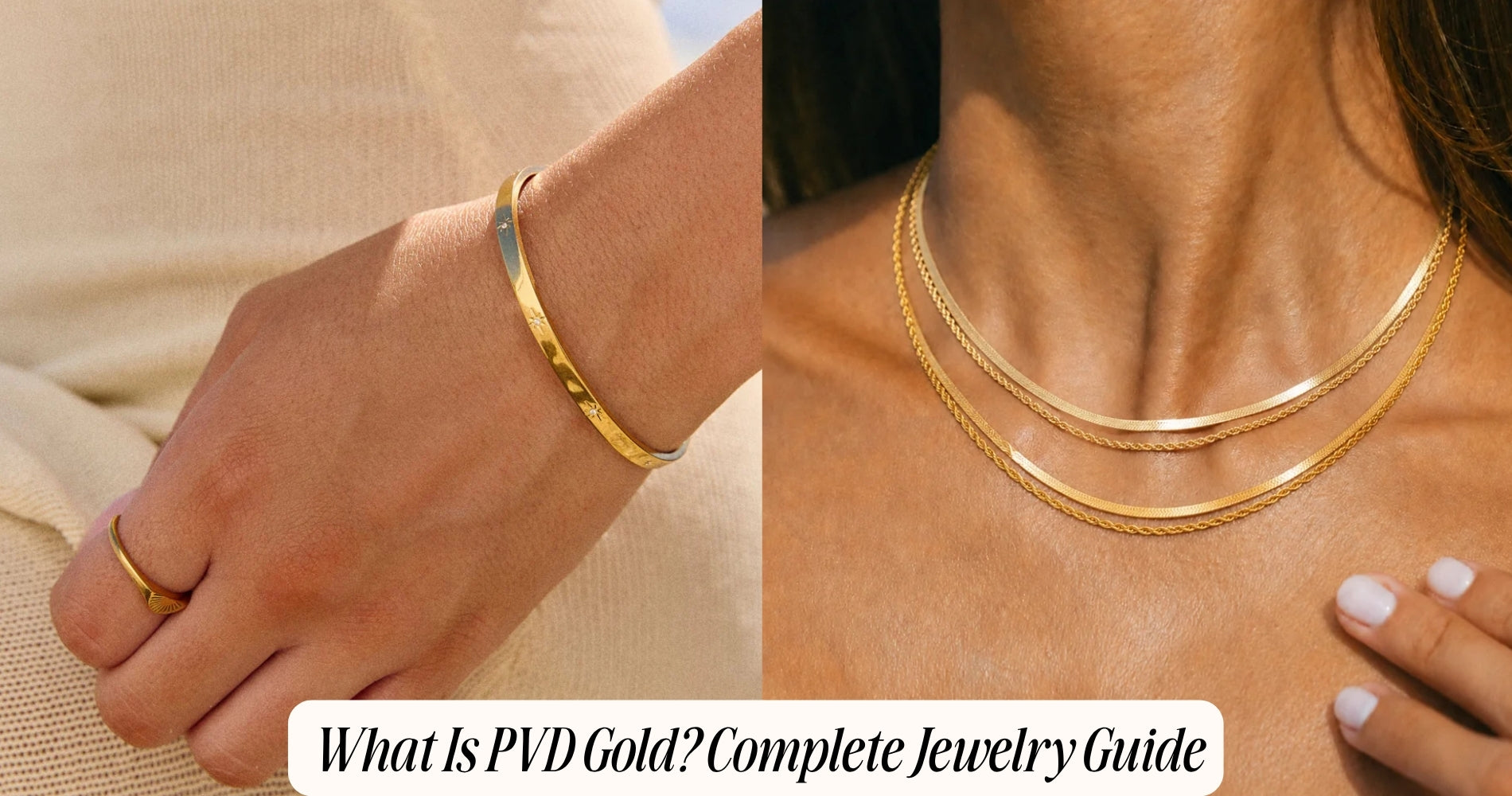
What Is PVD Gold? Complete Jewelry Guide
If you have been shopping for jewelry recently, you may have come across the term PVD gold, often mentioned alongside claims of superior durability and long lasting shine compared to traditional gold plated pieces. If you are wondering what is PVD gold exactly, and whether it genuinely offers meaningful advantages over more familiar gold plating methods, understanding this modern coating technology can help you make more informed jewelry buying decisions.
In this guide, we will explain exactly what PVD gold is, how it differs from traditional electroplating, and what this means for durability, care, and overall value. If you want jewelry specifically designed to handle daily wear without constant worry, our Waterproof Jewelry collection features pieces that showcase exactly this kind of modern, durable coating technology.
What Is PVD Gold
PVD stands for Physical Vapor Deposition, a specialized coating process used to apply an extremely thin, durable layer of gold onto a base metal surface. Unlike traditional electroplating, which relies on an electrical current passed through a liquid solution to bond gold particles to a surface, PVD uses a vacuum chamber environment where gold is vaporized and then deposited onto the jewelry at a molecular level, creating an exceptionally strong bond between the coating and the base metal underneath.
This fundamentally different manufacturing process is what allows PVD gold to offer significantly improved durability and wear resistance compared to standard gold plating methods, even though both processes ultimately result in a thin gold layer over a base metal core.

How PVD Gold Coating Works
The PVD process takes place within a specialized vacuum chamber, where the jewelry piece, along with a source of gold material, is placed under carefully controlled conditions. The gold is then vaporized using various techniques, often involving heat or specialized ion bombardment, causing the vaporized gold particles to travel through the vacuum chamber and bond directly to the surface of the jewelry piece at a molecular level.
This process creates an extremely thin but remarkably strong and uniform gold coating, one that adheres far more securely to the base metal compared to traditional electroplating, where the bond between the gold layer and base metal tends to be comparatively weaker.
PVD Gold Versus Traditional Gold Plating
Understanding the key differences between PVD gold and traditional electroplating helps clarify why PVD has become an increasingly popular choice within modern jewelry manufacturing, particularly for pieces intended for everyday wear.
Durability
PVD coating is significantly more durable and scratch resistant compared to traditional gold plating, largely due to the molecular level bonding achieved during the vacuum deposition process. Traditional electroplating creates a comparatively weaker bond between the gold layer and base metal, making it more prone to peeling, flaking, or wearing away relatively quickly with regular use.
Water and Chemical Resistance
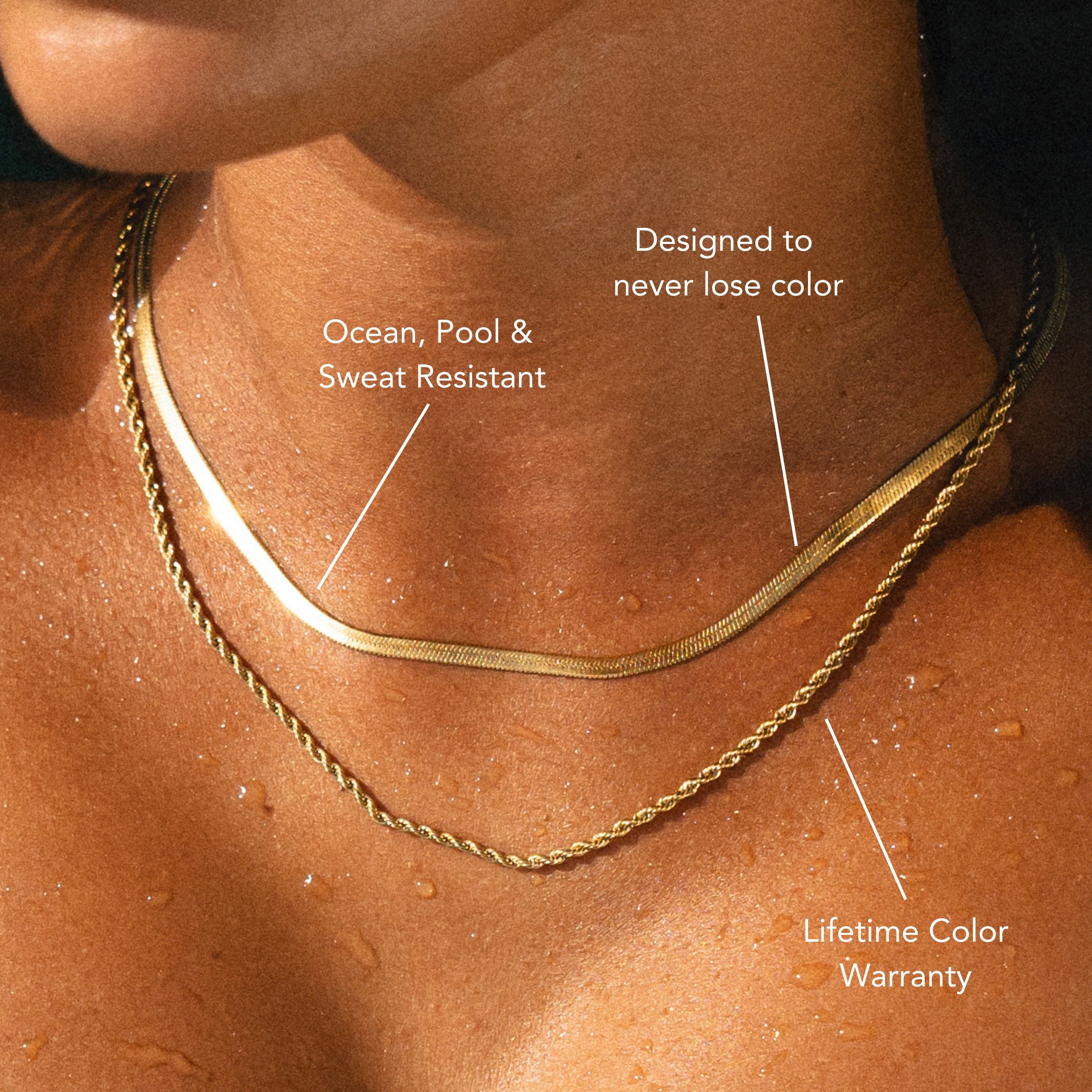
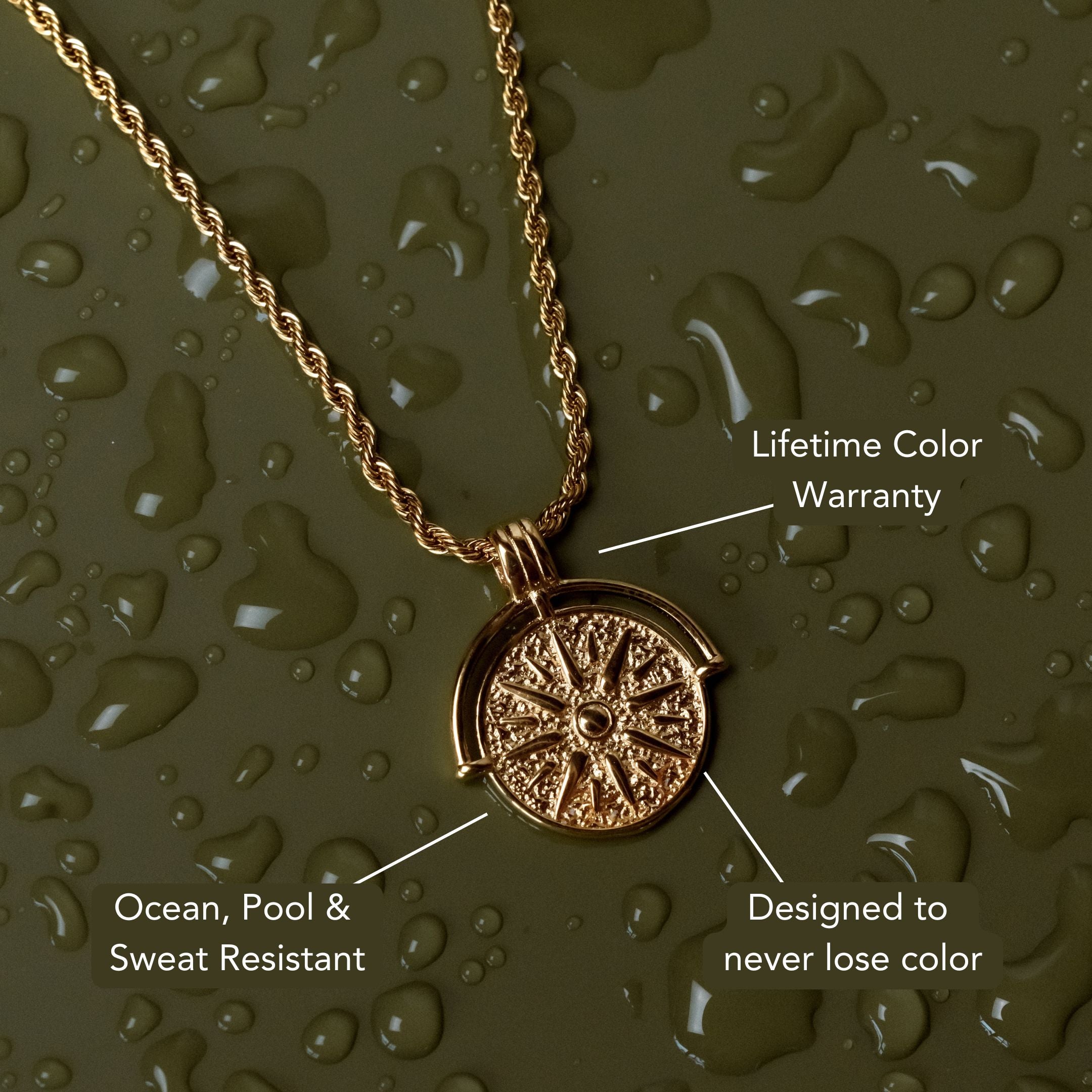
One of PVD gold's most significant advantages is its notably improved resistance to water, sweat, and everyday chemical exposure compared to traditional gold plating. While standard gold plated jewelry generally requires careful removal before activities like showering or swimming to prevent accelerated wear, PVD coated jewelry can typically withstand regular exposure to these elements with significantly less risk of damage or discoloration.
Longevity
Because of its superior bonding process and increased resistance to everyday wear factors, PVD gold coating generally lasts considerably longer compared to traditional electroplating, often maintaining its appearance and integrity for several years of regular wear, compared to the shorter one to three year average lifespan commonly associated with standard gold plated jewelry.
Color Consistency
PVD coating also tends to offer more consistent, uniform color application compared to traditional electroplating, since the vacuum deposition process allows for more precise control over the coating's thickness and distribution across the entire surface of the piece.

Why PVD Gold Has Become Increasingly Popular
Given its significant advantages in durability and water resistance compared to traditional gold plating, PVD coating has become an increasingly popular choice within the jewelry industry, particularly as more consumers seek low maintenance, long lasting jewelry options that can handle active, everyday lifestyles without requiring constant careful removal before common activities.
This shift reflects broader consumer demand for jewelry that offers genuine practicality alongside aesthetic appeal, rather than requiring the same level of careful, cautious handling traditionally associated with more delicate gold plated pieces.
Caring for PVD Gold Jewelry
While PVD gold offers significantly improved durability compared to traditional plating, a few simple care practices can still help maximize its lifespan and appearance over time.
Clean PVD gold jewelry periodically using a soft, dry cloth to remove any surface buildup of oils or residue, helping maintain its natural shine. While PVD coating generally withstands water exposure better than traditional plating, avoiding prolonged exposure to harsh chemicals, such as strong cleaning products or chlorine, remains a reasonable precaution for extending the coating's lifespan even further. Store PVD gold jewelry separately from harder materials or gemstones to prevent scratching, even though the coating itself offers improved scratch resistance compared to standard plating.
Following these basic care habits, while certainly less restrictive compared to traditional gold plated jewelry, can still help ensure your PVD gold pieces maintain their appearance for as long as possible.

Is PVD Gold as Good as Solid Gold
While PVD gold offers meaningfully improved durability compared to traditional gold plating, it is important to understand that it still does not match the longevity, value, or gold content of solid gold jewelry. PVD coating remains an extremely thin layer of gold applied over a base metal core, meaning the piece is not solid gold throughout, regardless of how durable and long lasting the specific coating technology may be.
For those specifically seeking jewelry primarily valued for its actual gold content, whether for investment purposes or long term heirloom value, solid gold remains the more appropriate choice. For those seeking an attractive, low maintenance, and significantly more affordable alternative to solid gold that still offers meaningfully improved durability compared to standard plating, PVD gold represents an excellent practical option.
Where PVD Gold Coating Is Commonly Used
PVD coating technology has expanded well beyond jewelry, commonly used across various industries requiring durable, wear resistant surface coatings, including watchmaking, eyewear, and even certain industrial and medical applications. Within the jewelry industry specifically, PVD gold has become particularly popular for stainless steel and titanium base jewelry, since these harder base metals pair especially well with the strong molecular bonding achieved through the PVD deposition process.
This combination of a durable base metal with an equally durable PVD gold coating results in jewelry that offers impressive overall longevity and resistance to everyday wear, making it a particularly practical choice for those seeking low maintenance, long lasting pieces for daily wear.

How to Identify PVD Gold Jewelry
When shopping for jewelry, look for specific labeling indicating PVD coating, since this technology is typically highlighted as a distinct selling point given its notable advantages over traditional gold plating. Retailers offering PVD gold jewelry generally make this coating method clear in product descriptions, since it represents a genuine quality differentiator compared to standard, more traditional gold plated options.
If a specific coating method is not clearly indicated, it is worth asking the retailer directly for clarification, particularly if durability and water resistance are important factors in your specific purchasing decision.
Final Thoughts
So, what is PVD gold? It refers to Physical Vapor Deposition, a modern coating technology that applies an exceptionally durable, strongly bonded layer of gold onto a base metal surface using a specialized vacuum chamber process. Compared to traditional gold plating, PVD gold offers significantly improved durability, water resistance, and overall longevity, making it an increasingly popular choice for those seeking attractive, low maintenance jewelry well suited for everyday, active lifestyles.
While PVD gold does not match the value or gold content of solid gold jewelry, it represents a genuinely practical, worthwhile option for those seeking meaningfully improved durability compared to standard gold plating, without the significant cost associated with solid gold pieces.
Frequently Asked Questions
1. Is PVD gold better than regular gold plating?
Yes, PVD gold generally offers significantly improved durability, scratch resistance, and water resistance compared to traditional electroplating methods.
2. Can I shower or swim with PVD gold jewelry?
Generally yes, PVD coating withstands regular water exposure considerably better than traditional gold plating, though avoiding prolonged exposure to harsh chemicals remains a reasonable precaution.
3. How long does PVD gold coating last?
PVD gold typically lasts several years with regular wear, significantly longer than the one to three year average lifespan commonly associated with traditional gold plating.
4. Is PVD gold jewelry as valuable as solid gold?
No, PVD gold remains a thin coating over a base metal core, meaning it does not match the actual gold content or long term value of solid gold jewelry.









Leave a comment
This site is protected by hCaptcha and the hCaptcha Privacy Policy and Terms of Service apply.