


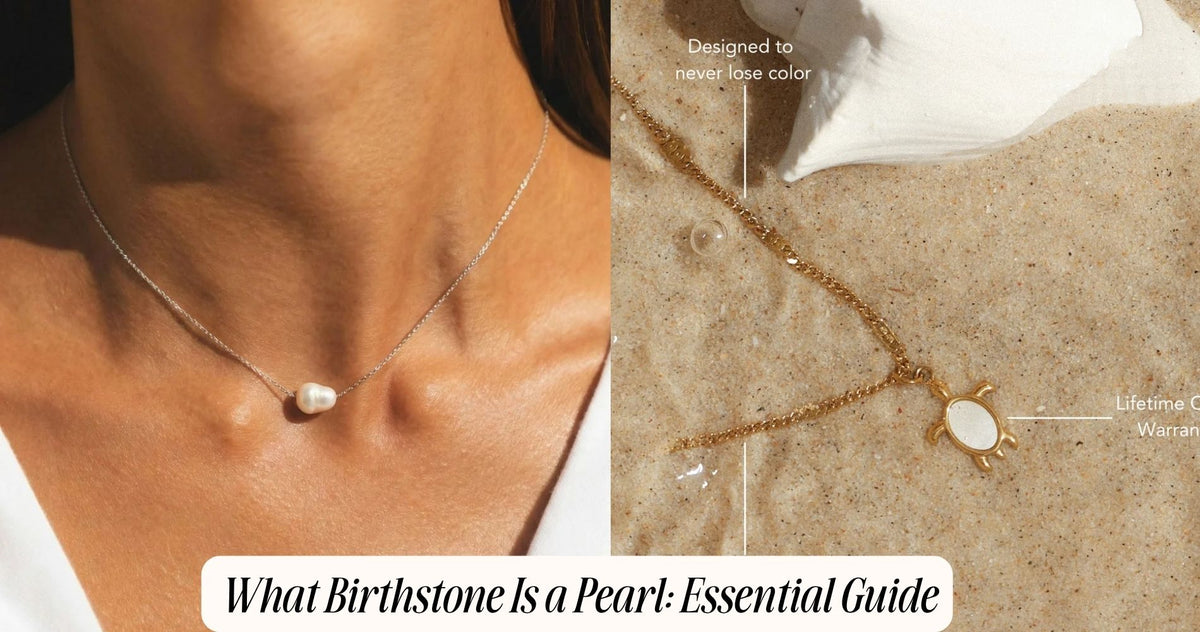
What Birthstone Is a Pearl: Essential Guide
If you were born in June, or you are shopping for someone who was, you have likely come across pearl listed among the official birthstones for this month. So, what birthstone is a pearl exactly, and why does this organic gem, formed inside a living creature rather than mined from the earth, hold such a distinct place among birthstones traditionally associated with mineral crystals?
In this guide, we will explore pearl's status as a June birthstone, its history and symbolism, and how it compares to the two other stones sharing this particular birth month. If you love the timeless elegance pearl brings to jewelry, our Single Pearl Necklaces collection offers a simple, meaningful way to wear this classic birthstone.
What Birthstone Is a Pearl
Pearl is one of three official birthstones for June, alongside alexandrite and moonstone. Of the three, pearl holds the longest and most widely recognized association with this particular month, with its connection to June dating back centuries, well before the more standardized birthstone lists used today were ever established.
Unlike most birthstones, which are minerals formed through geological processes deep within the earth, pearl is unique in being organic, created inside a living mollusk rather than through any mineral crystallization process at all.

Why Pearl Is Associated With June
Pearl's specific connection to June is rooted in a mix of ancient tradition and ongoing cultural association rather than a single documented origin point. Historical birthstone lists, some dating back to biblical times and various ancient astrological traditions, placed pearl among the stones associated with early summer, and this association persisted and solidified over centuries, eventually becoming formalized when modern, standardized birthstone lists were adopted in the early 20th century.
Because pearl was already so strongly and consistently tied to June across multiple older traditions, it was retained as an official June birthstone even as the broader modern list was formalized, cementing its place as the month's most iconic and recognized gem.
How Pearls Are Actually Formed
Understanding what makes pearl so different from typical birthstones starts with understanding how it forms. A pearl develops when an irritant, whether a grain of sand, a parasite, or in cultured pearls, a deliberately inserted bead or tissue graft, becomes lodged inside a mollusk, most commonly an oyster or mussel. In response, the mollusk secretes layers of a substance called nacre around the irritant, gradually building up the smooth, lustrous structure recognized as a pearl.
This entirely biological process, occurring over months or years inside a living creature, is precisely what separates pearl from every other traditional birthstone, which instead forms through mineral crystallization within rock formations over vastly longer geological timescales.

Natural Versus Cultured Pearls
When discussing pearl as a birthstone, it is worth understanding the distinction between natural and cultured pearls, since both qualify equally as genuine pearls despite differing in how the process began. Natural pearls form entirely without human involvement, when an irritant accidentally enters a wild mollusk. Cultured pearls, which make up the vast majority of pearls sold today, form after a pearl farmer intentionally introduces an irritant to initiate the same natural nacre building process.
Both natural and cultured pearls are authentic, and both are equally valid choices when selecting pearl birthstone jewelry, with the primary difference being rarity and, consequently, price, since natural pearls are considerably scarcer in the modern market.
The Symbolism of Pearl as a Birthstone
Beyond its unique biological origin, pearl carries rich symbolic meaning that has developed across centuries of cultural and historical use.
Purity and Innocence
Pearl has long been associated with purity and innocence, a symbolic connection likely tied to its soft, luminous white color in its most classic form, along with its natural, unaltered state compared to more heavily processed gemstones.
Wisdom Gained Through Experience
Because pearls form gradually over time in direct response to an initial irritant, some traditions have drawn a symbolic parallel between this process and the idea of wisdom or strength developing through life's challenges, transforming an initial disturbance into something valuable and beautiful.
Femininity and Emotional Depth
Pearl has also been historically associated with femininity and emotional depth, themes that have made it a particularly popular choice for meaningful gifts marking significant life events, from graduations to weddings.
Loyalty and Integrity
In certain traditions, pearl has additionally been linked to loyalty and moral integrity, values sometimes reflected in the tradition of gifting pearl jewelry to mark significant commitments or milestones within relationships.

Alexandrite and Moonstone: June's Other Birthstones
Because June has three official birthstones rather than just one, it is worth understanding pearl's two companion stones and how they compare.
Alexandrite
Alexandrite is a rare, color changing variety of the mineral chrysoberyl, famous for appearing green or blue green in daylight and shifting to a red or purplish red under incandescent light. This dramatic color change makes alexandrite one of the rarer and more valuable gemstones available, and its addition to June's birthstone list came considerably later than pearl's long standing association with the month.
Moonstone
Moonstone displays a soft, glowing optical effect known as adularescence, in which light appears to move beneath the stone's surface, creating a shifting, luminous quality reminiscent of moonlight. Like pearl, moonstone carries a long history of symbolic association, particularly tied to intuition and new beginnings.
Why June Has Three Birthstones Instead of One
June's multiple birthstone options reflect the layered, evolving history of birthstone traditions more broadly. Rather than replacing pearl's long established association with the month when more standardized lists were developed, later additions like alexandrite and moonstone were simply added alongside it, preserving pearl's traditional place while expanding the available options for those seeking more variety or a different specific aesthetic.
Choosing Pearl Over June's Other Birthstones
If you are deciding between pearl, alexandrite, and moonstone for a June birthstone piece, pearl offers the most historically grounded, classic option, along with considerably greater accessibility and affordability compared to alexandrite specifically, which remains quite rare and expensive due to its limited natural sources.
Pearl also offers a distinctly different aesthetic compared to its two companion stones, providing a soft, organic luminosity rather than the faceted sparkle typically associated with mineral gemstones, making it a natural choice for those drawn to understated, timeless elegance over more dramatic color or brilliance.
Pearl Birthstone Jewelry Styles
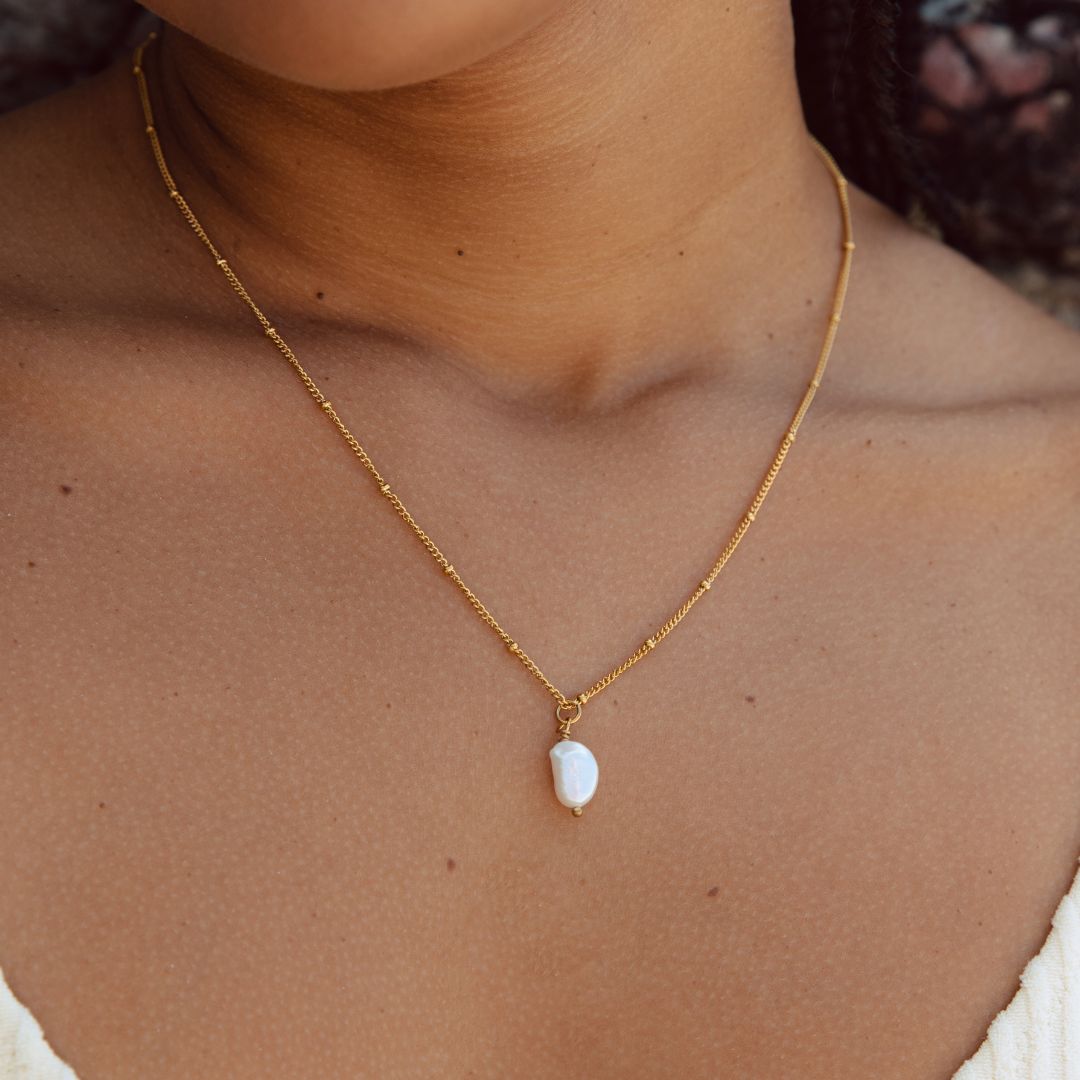
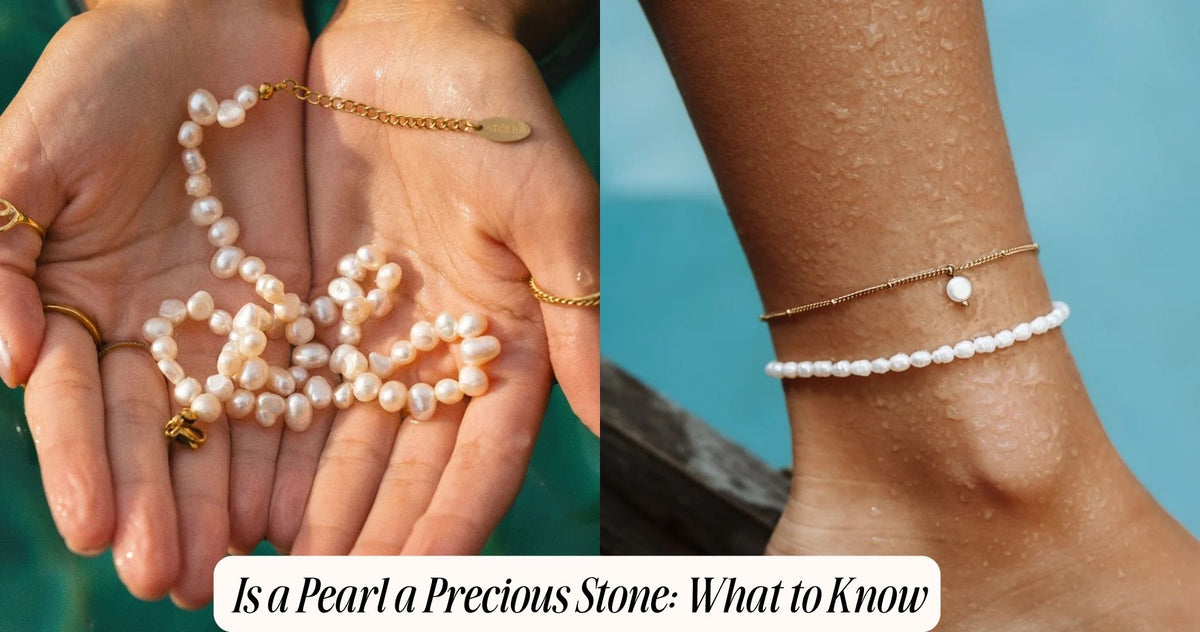
Pearl's versatility as a birthstone shows clearly in the range of jewelry styles it appears in. A classic strand offers timeless, traditional elegance well suited to formal occasions. A single pearl pendant provides a more understated, everyday appropriate way to wear this birthstone. Pearl stud earrings remain one of the most versatile options, pairing easily with virtually any outfit. Modern designs increasingly combine pearls with mixed metals or colorful gemstone accents, offering a more contemporary take on this classic birthstone for those wanting something beyond a traditional strand.

Caring for Pearl Birthstone Jewelry
Because pearl is organic rather than mineral, it requires gentler care than most other birthstones. Avoid soaking pearls in water, apply perfume and lotion before putting pearls on rather than after, and store pearl jewelry separately from harder materials to prevent scratching. Following these simple precautions helps preserve pearl's natural luster for years of meaningful wear.
Final Thoughts
So, what birthstone is a pearl? It is one of three official birthstones for June, and by far the most historically established and widely recognized of the three, alongside alexandrite and moonstone. Its unique organic origin, formed gradually within a living mollusk rather than through mineral crystallization, sets it apart from virtually every other birthstone, while its long standing symbolism around purity, wisdom, and emotional depth has kept it a beloved choice for June birthdays across generations.
Whether you are drawn to pearl for its classic elegance, its meaningful symbolism, or simply its status as June's most iconic birthstone, it remains a timeless way to celebrate a June birthday.
Frequently Asked Questions
1. Is pearl the only birthstone for June?
No, June has three official birthstones, pearl, alexandrite, and moonstone, though pearl holds the longest and most widely recognized historical association with the month.
2. Why is pearl different from other birthstones?
Pearl is organic, forming inside a living mollusk through a biological process, while most other birthstones are minerals formed through geological crystallization deep within the earth.
3. Are cultured pearls a legitimate choice for June birthstone jewelry?
Yes, cultured pearls are genuine, authentic pearls, differing from natural pearls only in that a pearl farmer intentionally initiated the pearl forming process rather than it occurring entirely by chance.
4. What does pearl symbolize as a birthstone?
Pearl is commonly associated with purity, wisdom gained through experience, femininity, and loyalty, themes that have developed across centuries of cultural and historical use.









Leave a comment
This site is protected by hCaptcha and the hCaptcha Privacy Policy and Terms of Service apply.