


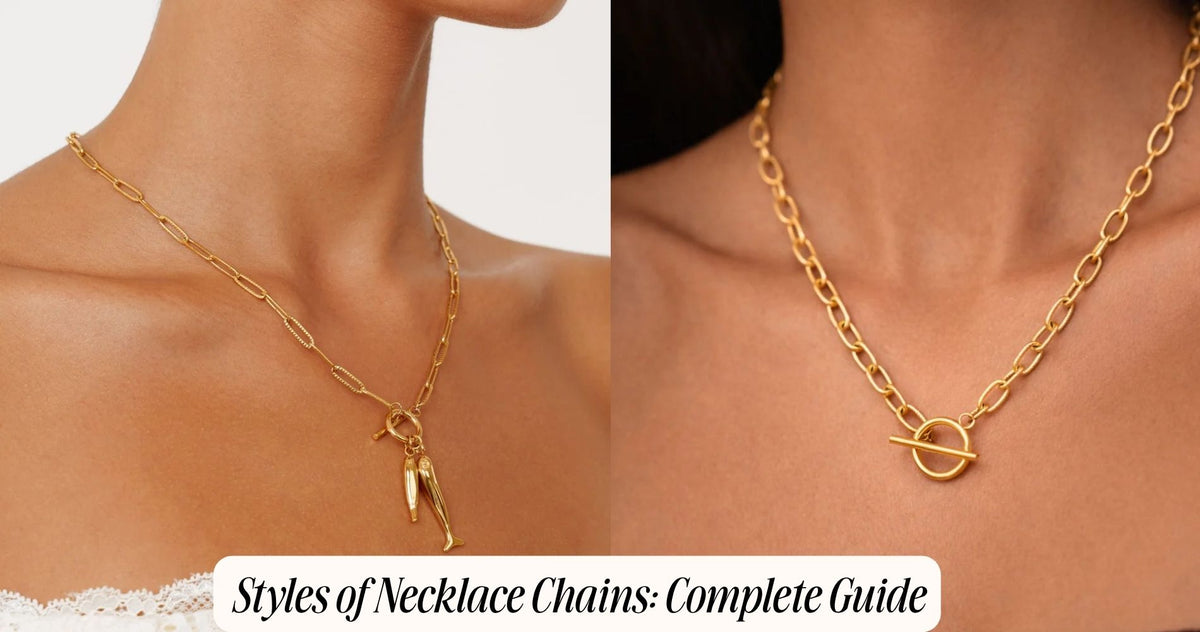
Styles of Necklace Chains: Complete Guide
A necklace chain is far more than a simple connector for a pendant. The specific link construction used, whether cable, curb, figaro, or one of many other styles, affects how a chain catches light, how it drapes against the body, and how durable it holds up to daily wear. Understanding the different styles of necklace chains available can help you choose pieces that genuinely suit your personal style rather than defaulting to whatever happens to be on display first.
In this guide, we will walk through the most common chain link styles, explaining what makes each construction visually and structurally distinct. If you want a chain that holds up beautifully whether you remove it at night or wear it around the clock, our Waterproof Necklaces collection offers durable options across several classic styles.
Cable Chain
The cable chain is the most fundamental and widely recognized chain style, built from simple, uniform oval or round links connected one after another in a continuous, repeating pattern. Its clean, classic construction makes it one of the most versatile chain styles available, working equally well as a standalone piece, a pendant carrier, or a foundational layer within a stacked necklace look.

Figaro Chain
Figaro chains feature a distinctive repeating pattern of one longer, oval shaped link followed by several smaller round links, creating a rhythmic, patterned visual effect along the chain's length. Originating in Italy, this style has remained a popular choice for those wanting something with a bit more visual interest than a basic cable chain while still maintaining a relatively classic, understated overall look.
Curb Chain
Curb chains consist of uniformly sized links twisted so they lie flat against one another, creating a smooth, interlocking surface with a slightly flattened, polished appearance. This construction makes curb chains notably durable and resistant to tangling, and their flat, substantial profile has made them a popular choice for bolder, more masculine leaning necklace designs, though they work equally well for anyone drawn to their sleek, structured look.
Box Chain
Box chains are built from square shaped links connected in a way that creates a smooth, cube like appearance along the entire length of the chain. This construction results in a sturdy, evenly weighted chain with a distinctly geometric, polished look, making it a popular choice for both solo wear and as a reliable option for suspending a pendant, since its structure resists twisting.

Rope Chain
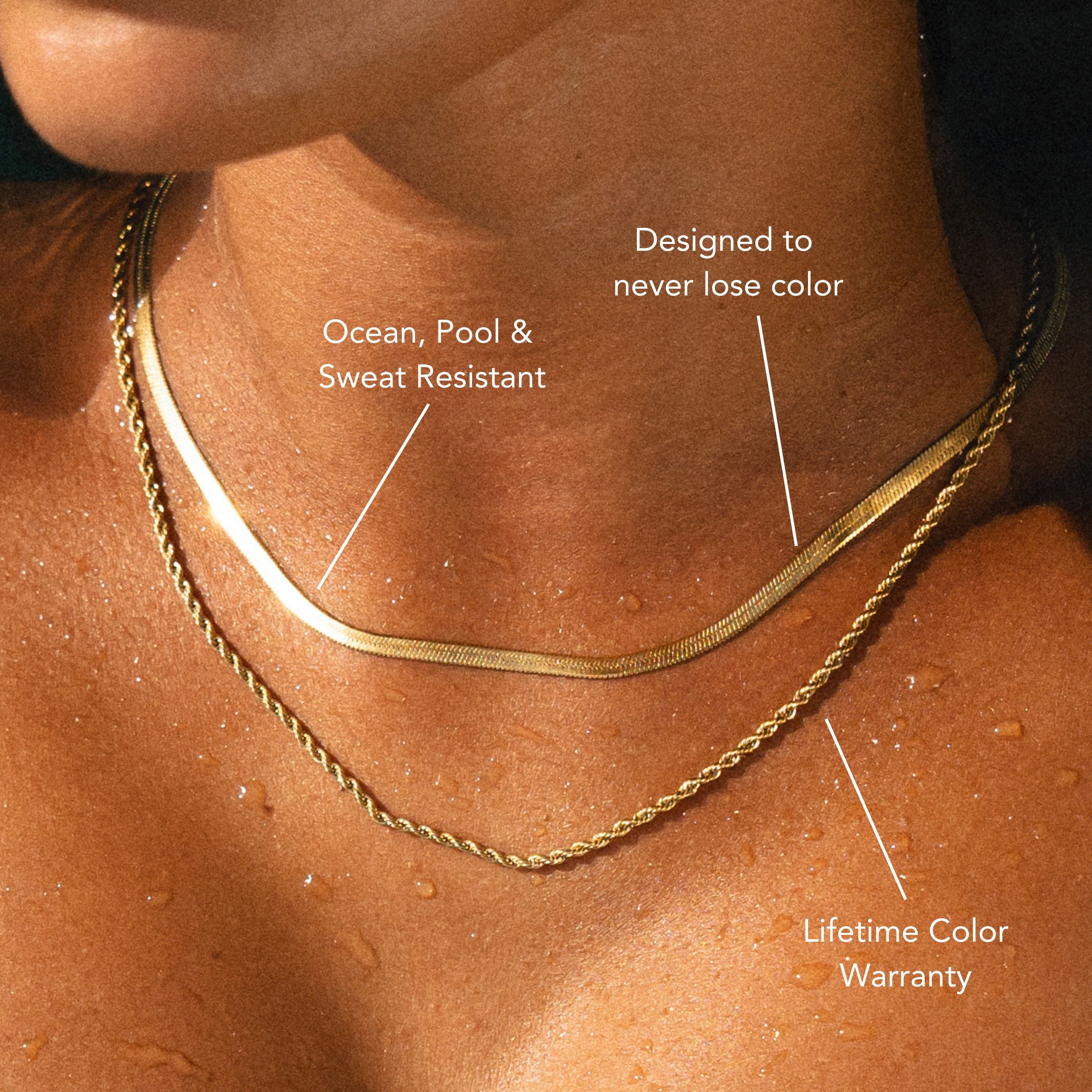
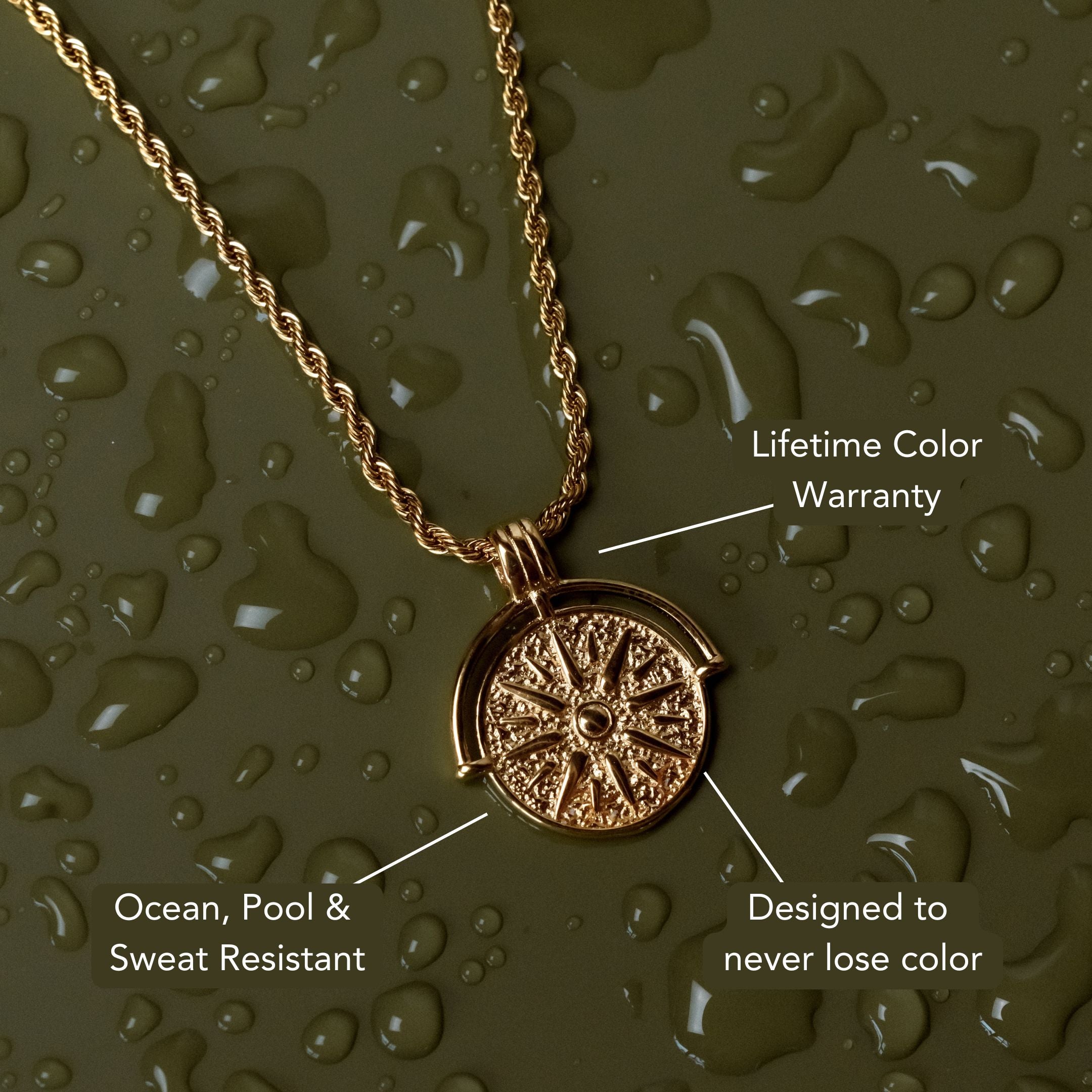
Rope chains are constructed from multiple small links twisted together in a spiral pattern, closely resembling the texture of actual twisted rope. This style creates significant visual texture and catches light beautifully from multiple angles, making rope chains a popular choice for those wanting a chain with noticeable sparkle and dimension, even without any pendant or gemstone added.
Snake Chain
Snake chains feature tightly connected, overlapping metal plates that create an exceptionally smooth, almost liquid looking surface with no visible individual links at all. This sleek, minimalist construction gives snake chains a distinctly modern, refined appearance, and their flexible, fluid movement makes them a popular choice for those drawn to a more contemporary aesthetic.
Herringbone Chain
Herringbone chains are built from flat, diagonally angled links arranged in a tight, overlapping pattern that creates a distinctive V shaped, woven visual effect reminiscent of the herringbone pattern seen in textiles. This style offers a flat, ribbon like drape against the skin and reflects light in a particularly striking way, making it a popular choice for those wanting a chain with genuine visual impact even without additional embellishment.

Wheat Chain
Wheat chains, sometimes called spiga chains, are constructed from multiple oval links twisted together in a way that creates a textured, braided appearance resembling a stalk of wheat. This intricate construction results in a chain with considerable strength and a rich, detailed visual texture, making it a popular choice for those seeking something more elaborate than a basic cable chain without moving into bolder, chunkier styles.
Byzantine Chain
Byzantine chains feature an intricate, interwoven pattern of multiple connected links, creating a dense, textured, almost rope like appearance with significant depth and dimension. This elaborate construction requires considerably more craftsmanship than simpler chain styles, and the resulting chain tends to feel substantial and eye catching, making it a popular choice for those wanting a statement making chain that does not rely on gemstones for visual interest.
Singapore Chain
Singapore chains are built from twisted cable links that create a subtle, shimmering, diamond cut effect along the chain's length. This construction gives Singapore chains a sparkling, faceted appearance even without any gemstones, and their relatively lightweight, delicate profile has made them a popular choice for those wanting a bit of extra shine in an otherwise simple, everyday chain.
Paperclip Chain
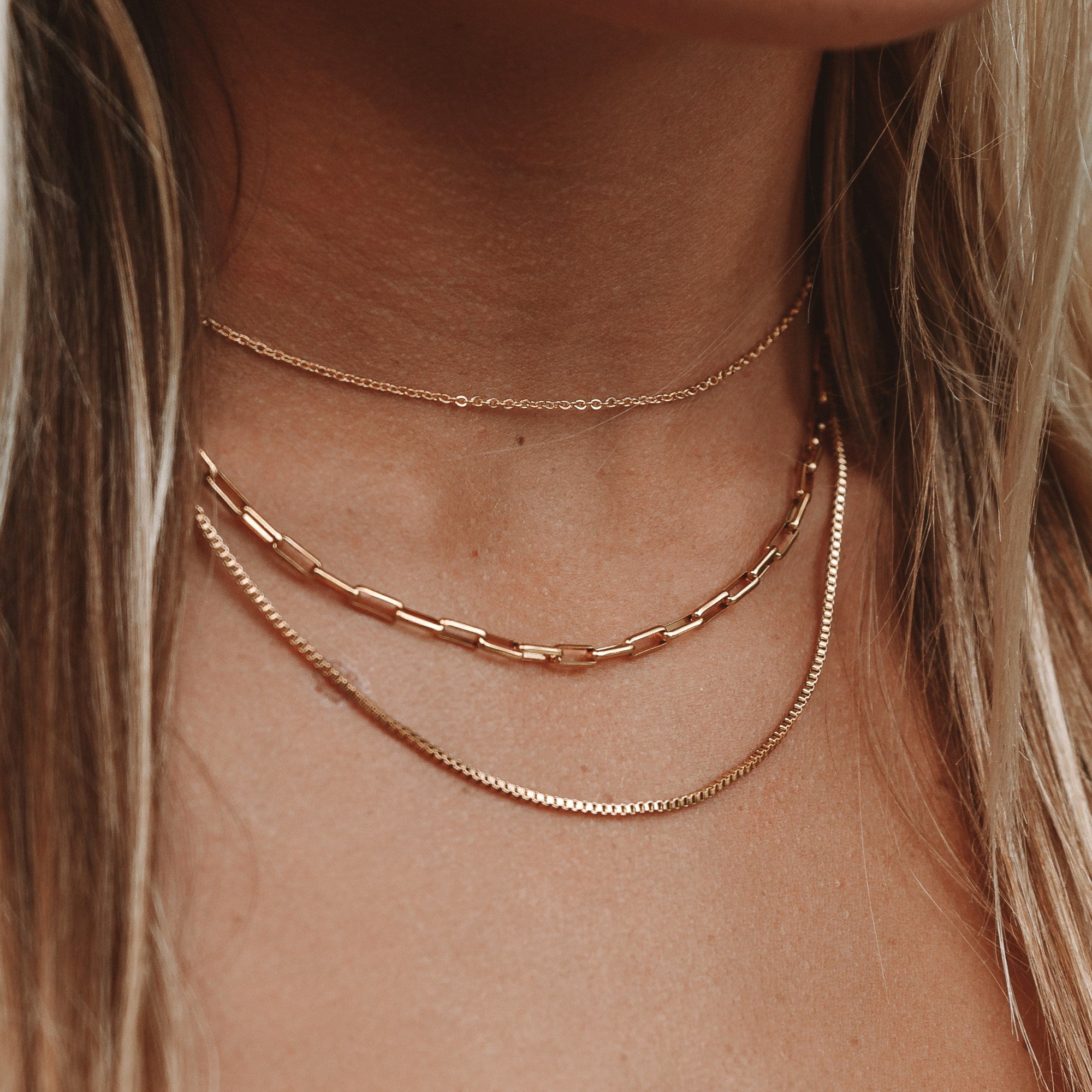
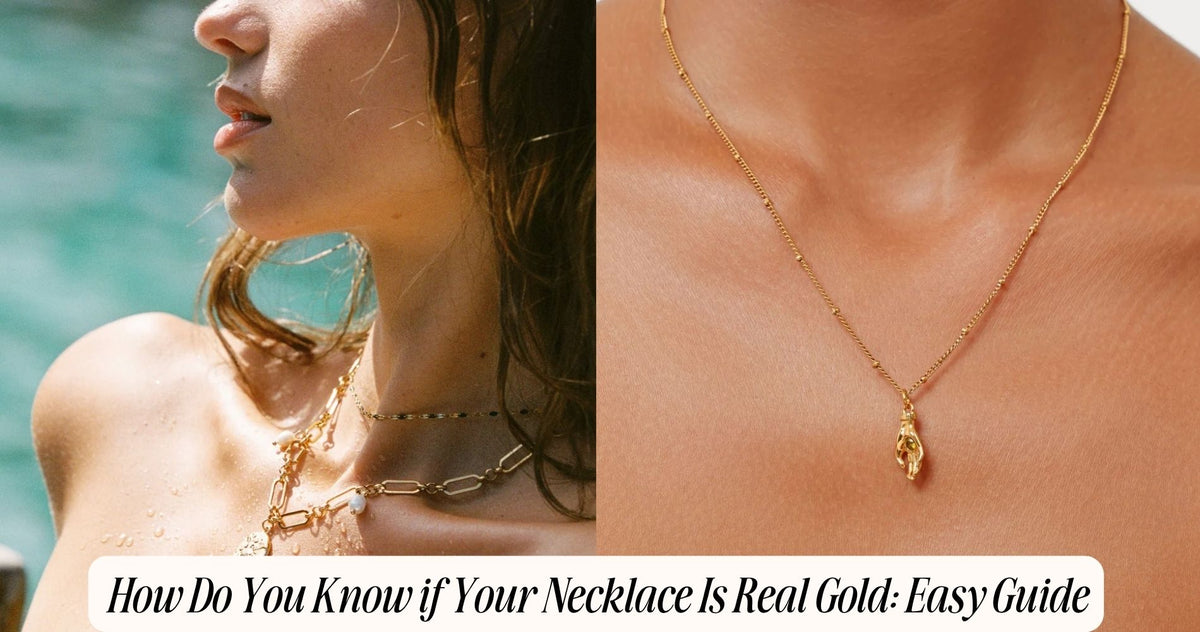
Paperclip chains, a more recently popularized style, feature elongated, rectangular links resembling the shape of an actual paperclip, connected in a simple, repeating pattern. This distinctly modern, minimalist construction has surged in popularity in recent years, offering a fresh, architectural alternative to more traditional chain styles while still remaining simple enough to pair easily with a wide range of personal styles.

Bead Chain
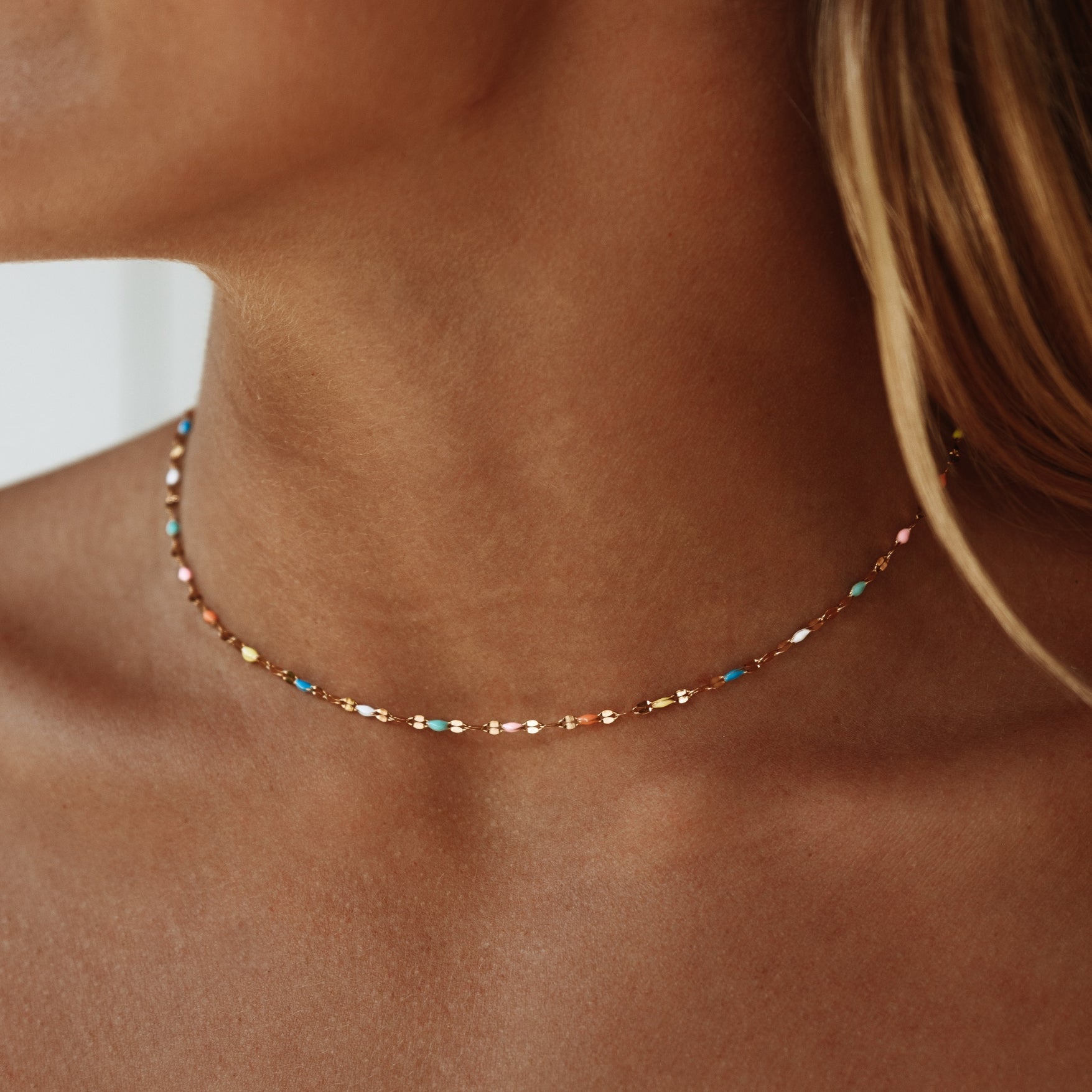
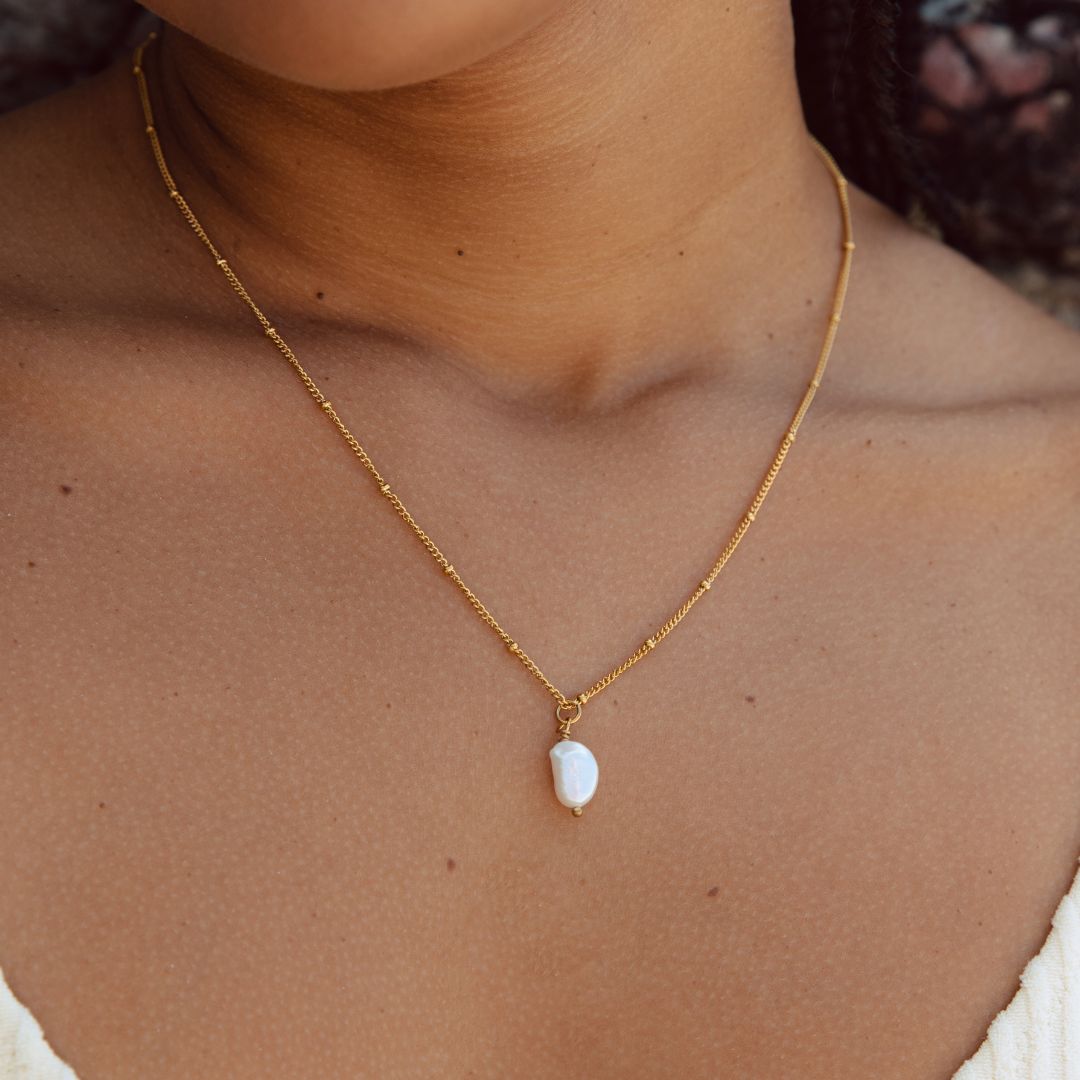
Bead chains consist of small, uniform metal spheres connected by short, thin links or bars, creating a distinctive dotted, textural appearance quite different from typical flat or interlocking link styles. Their unique construction gives bead chains a slightly more casual, playful aesthetic, and they have become an increasingly popular choice for layering alongside more traditional chain styles.
Choosing a Chain Style Based on Use
Beyond simple visual preference, considering how you intend to wear a particular chain can help guide which specific style makes the most practical sense.
For Suspending a Pendant
Sturdy, structured styles like box, curb, or cable chains tend to work particularly well for suspending a pendant, since their construction resists twisting and helps keep a pendant centered and facing forward throughout the day.
For Wearing Alone as a Statement
Chains with significant inherent texture and visual interest, such as rope, herringbone, or Byzantine styles, work beautifully worn entirely on their own, without needing an additional pendant to feel complete.
For Layering
Thinner, more delicate styles like cable, Singapore, or paperclip chains tend to layer particularly well alongside other necklaces, since their simpler profiles do not compete visually with additional pieces the way a bolder, more textured chain might.
For Everyday, Low Maintenance Wear
Sturdier constructions like curb, box, or snake chains generally hold up well to frequent, everyday wear, since their tightly connected links resist the kind of snagging or tangling that can sometimes affect more delicate or elaborately woven styles.
How Chain Style Affects Durability
Beyond appearance, the specific construction of a chain style genuinely affects how well it holds up over time. Chains with fewer, larger, more substantial links, such as curb or box styles, tend to be more resistant to breakage under everyday stress compared to chains built from many very fine, delicate links, such as some rope or Singapore chain variations. If durability is a significant priority, particularly for a chain you intend to wear daily without much thought, favoring styles with a sturdier, more substantial link construction tends to be the safer choice.
Matching Chain Style to Personal Aesthetic
Different chain styles naturally lend themselves to different overall aesthetics. Classic, timeless preferences often gravitate toward cable, figaro, or box chains, since these styles have remained popular across decades without feeling tied to any particular passing trend. Those drawn to a bolder, more textured look often prefer rope, Byzantine, or herringbone styles, which offer visual complexity and depth even without additional embellishment. Those seeking a distinctly modern, minimalist aesthetic frequently gravitate toward snake or paperclip chains, both of which offer clean, architectural simplicity.
Caring for Different Chain Styles
While general jewelry care principles apply across most chain styles, more intricate constructions like Byzantine or wheat chains may require slightly more careful handling during cleaning, since their tightly woven links can trap buildup more easily than simpler cable or box chain designs. Gently brushing intricate chains with a very soft bristle brush during cleaning helps ensure buildup is thoroughly removed from between the more complex link structures.
Final Thoughts
Exploring the many styles of necklace chains available reveals just how much variation exists within what might initially seem like a simple jewelry category. From the timeless simplicity of a cable chain to the intricate texture of a Byzantine design, each construction offers its own distinct visual character, durability profile, and practical use case. Whether you are shopping for a chain to suspend a meaningful pendant, layer alongside other pieces, or wear entirely on its own as a statement, understanding these different styles empowers you to choose a chain that genuinely fits both your personal aesthetic and your everyday lifestyle.
Frequently Asked Questions
1. What is the most versatile necklace chain style?
Cable chains are generally considered the most versatile, since their simple, classic construction works well both alone and as a foundation for pendants or layering.
2. Which chain style is best for suspending a heavier pendant?
Sturdier constructions like curb, box, or cable chains tend to work best for heavier pendants, since their structure resists twisting and helps keep the pendant properly centered.
3. What chain style is best for layering multiple necklaces together?
Thinner, simpler styles like cable, Singapore, or paperclip chains tend to layer particularly well, since they do not visually compete with additional pieces.
4. Are more intricate chain styles less durable than simpler ones?
Not necessarily less durable, but they can require slightly more careful cleaning, since their tightly woven links can trap buildup more easily than simpler chain constructions.









Leave a comment
This site is protected by hCaptcha and the hCaptcha Privacy Policy and Terms of Service apply.