

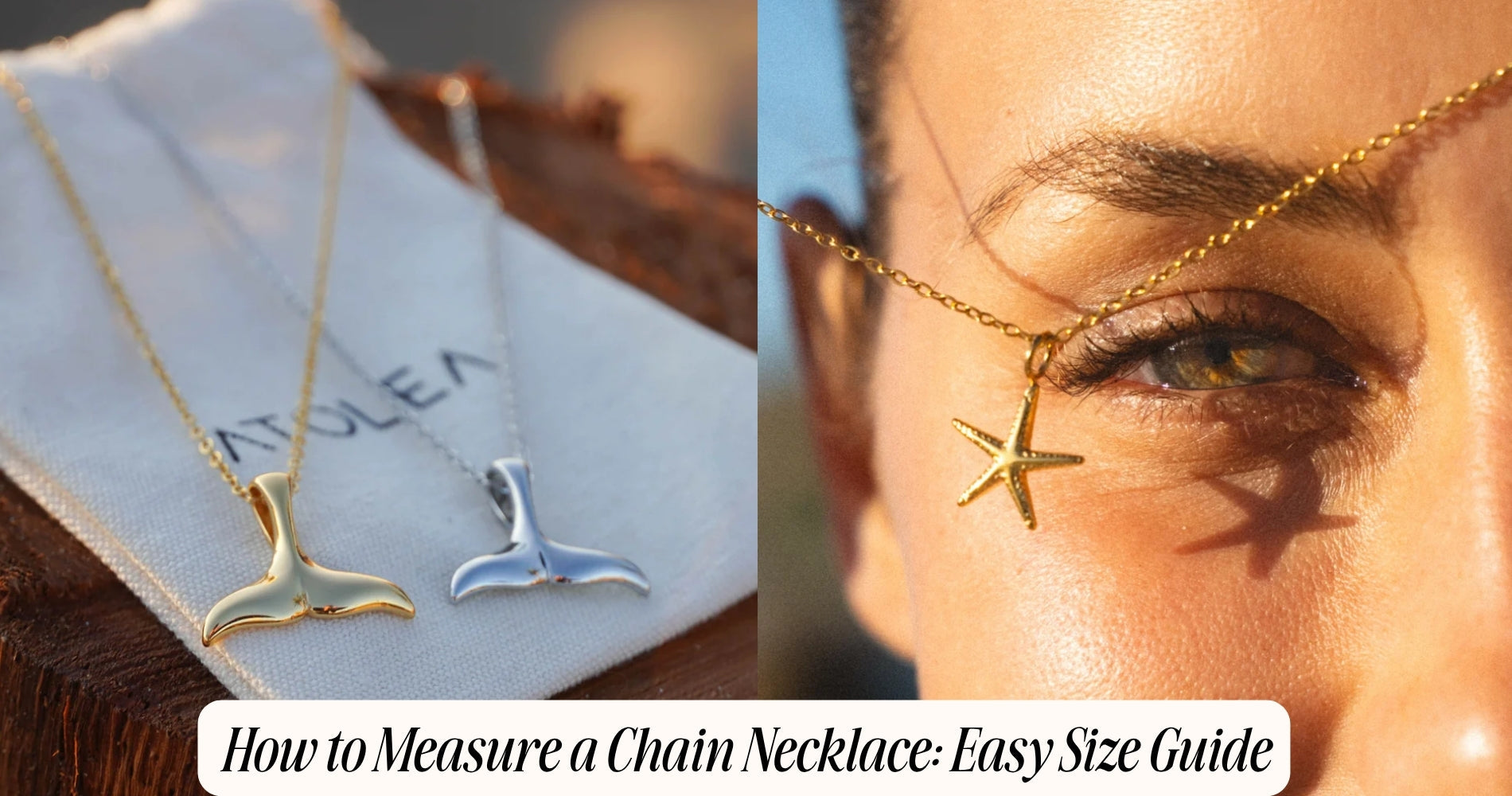
How to Measure a Chain Necklace: Easy Size Guide
Shopping for a necklace online can feel a little tricky when you cannot try it on first. Numbers like 16 inches or 18 inches do not always mean much until you picture how they will actually sit on your neck. The good news is that measuring a chain necklace, whether it is one you already own or one you are about to buy, is a simple process once you know what to look for.
In this guide, we will walk through exactly how to measure a chain necklace, what standard lengths mean in real life, and how to choose the right size for your neckline. We will also point you toward a few versatile options from our Beach Necklaces collection if you are ready to add something new to your jewelry box.
Why Necklace Length Matters
Necklace length affects more than just how a piece looks. It changes how it interacts with your neckline, how it layers with other jewelry, and even how comfortable it feels throughout the day. A necklace that is too short can feel tight or sit awkwardly high, while one that is too long might get lost under clothing or feel heavier than expected.
Knowing your ideal length also makes online shopping much easier, since most necklaces are sold based on chain length rather than a fitted sizing system like clothing. Once you know your number, you can shop with confidence instead of guessing.

Tools You Will Need
Measuring a chain necklace does not require anything fancy. Here is what to gather before you get started.
- A soft measuring tape, the kind used for sewing, works best.
- If you do not have one, a piece of string or ribbon and a ruler will also do the job.
- A mirror can help if you are measuring around your neck directly.
How to Measure a Necklace You Already Own
If you already have a chain necklace and want to know its exact length, here is the simplest way to measure it.
Step 1: Lay the necklace flat. Place the necklace on a flat surface, like a table, and let the chain fall naturally into a circle or oval shape without pulling it tight.
Step 2: Close the clasp. Make sure the clasp is fastened, just as it would be when worn, so the measurement reflects the necklace's true finished length.
Step 3: Measure from clasp to clasp. Using your measuring tape, measure the entire length of the chain, starting at the clasp and following the curve of the necklace all the way around back to the clasp.
Step 4: Record the number. Most necklaces are measured in inches, so take note of the total length for future reference, especially useful when shopping for layering pieces later.
If your necklace has an extender chain, measure the base length first, then separately note the extender's length so you know your full range of adjustability.

How to Measure for a New Necklace Using Your Neck
If you are shopping for a new piece and want to figure out your ideal length before buying, measuring directly on your neck is the way to go.
Step 1: Wrap the measuring tape around your neck. Position it where you would like the necklace to sit, whether that is snug at the base of your neck or looser, resting lower on your chest.
Step 2: Add extra length for comfort. Necklaces are not meant to fit as tightly as a choker unless that is the specific style you want, so add one to two inches to your neck measurement for a natural, comfortable drape.
Step 3: Compare to standard sizes. Once you have your ideal number, compare it to standard necklace length categories, listed below, to help you shop more easily.
Step 4: Consider your outfit and neckline. Think about the necklines you wear most often, like crew necks, v-necks, or off-the-shoulder tops, since certain lengths pair better with certain styles.

Standard Necklace Length Chart
Understanding common necklace lengths can make shopping much simpler, even without measuring anything yourself. Here is a general breakdown of standard sizes and how they typically sit.
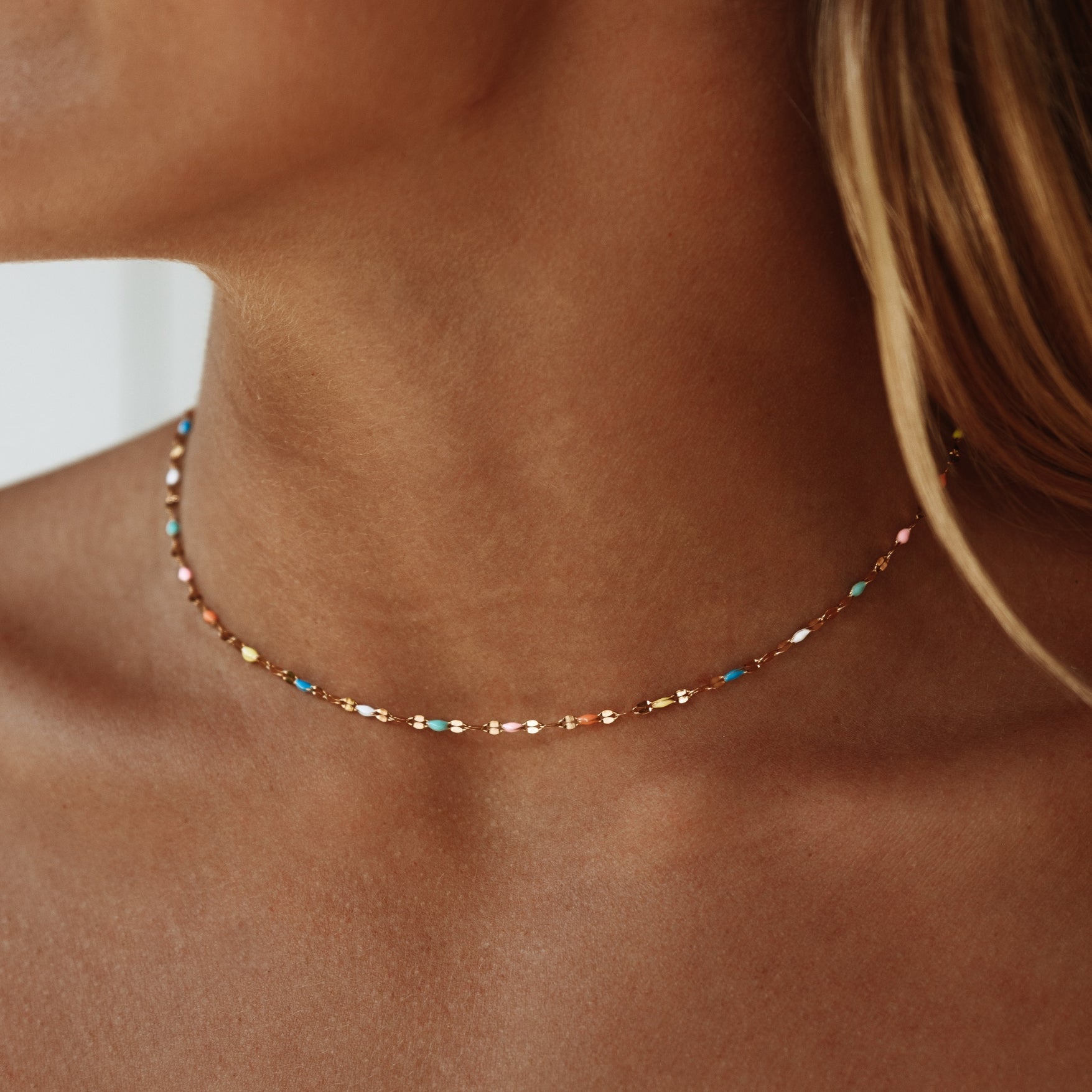
14 to 16 inches (Choker): Sits snugly around the base of the neck. This length works well for higher necklines and layering with longer pieces.
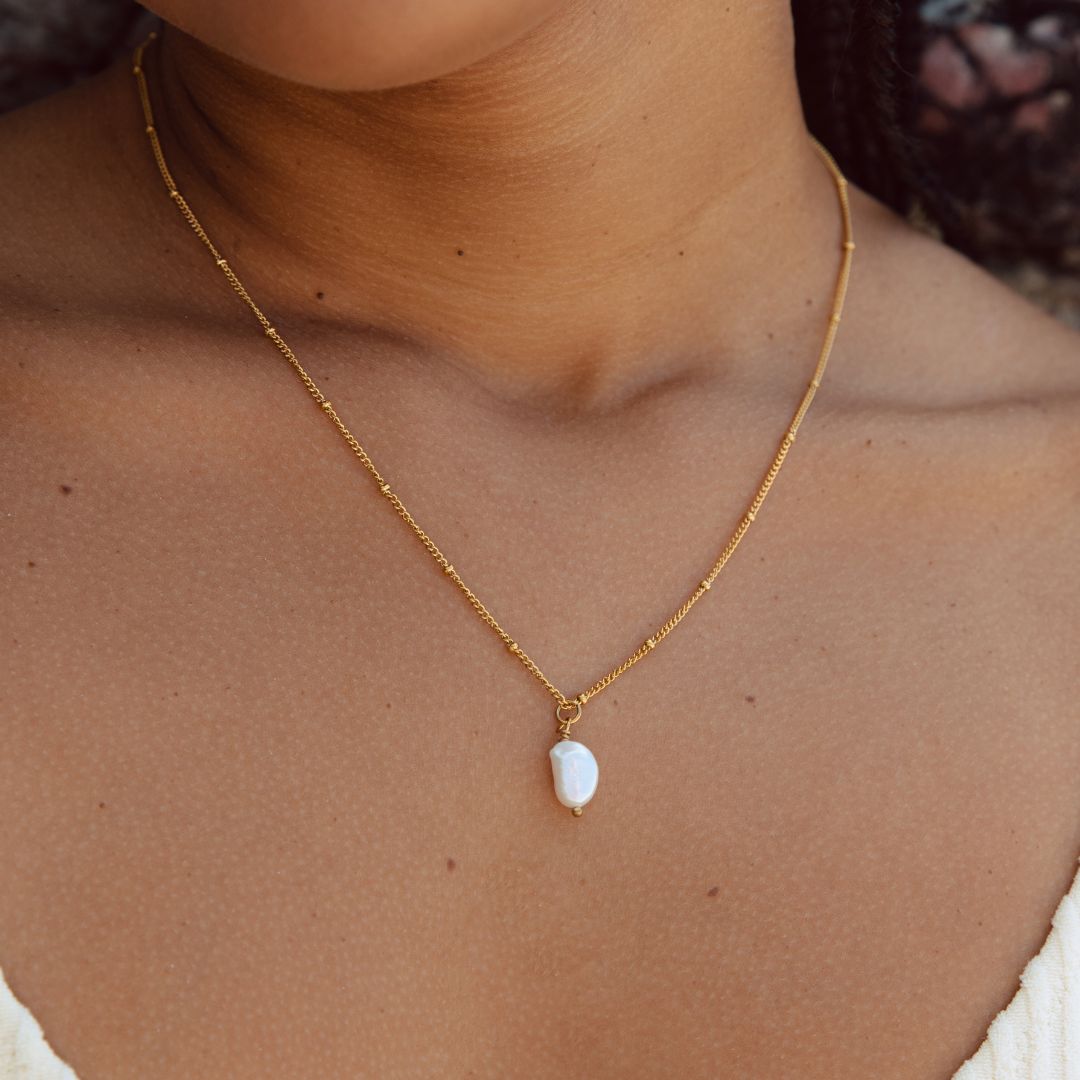
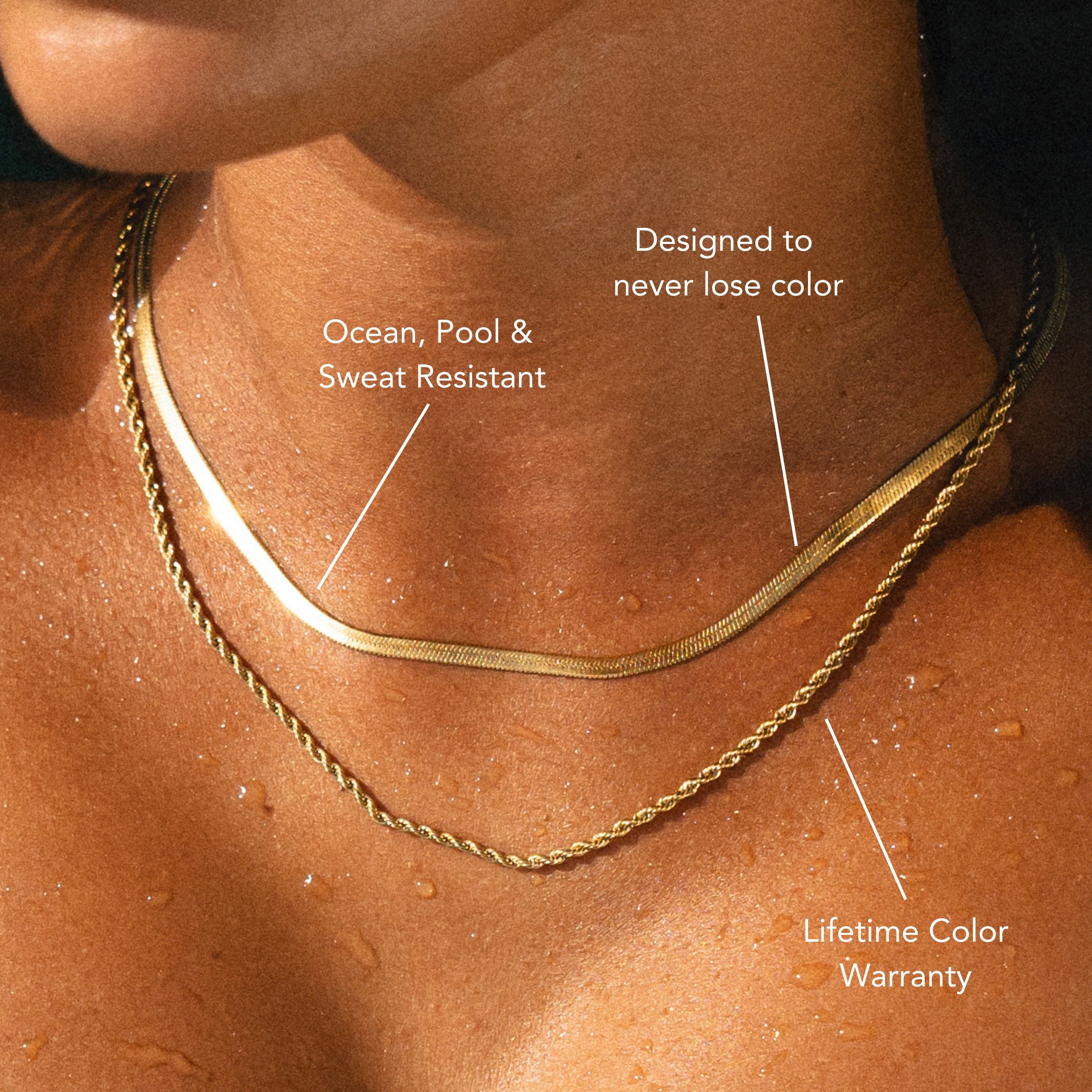
17 to 19 inches (Princess): One of the most popular and versatile lengths, sitting right at or slightly below the collarbone. This works well with most necklines and is a great everyday option.
20 to 24 inches (Matinee): Falls just above the bust, offering a slightly more relaxed drape. This length works well with both casual and dressier outfits.
25 to 35 inches (Opera): A longer, more dramatic length that sits below the bust. This style can be worn as a single long strand or doubled for a layered look.
36 inches and longer (Rope): The longest standard length, often worn doubled or knotted for a bold statement look.
Keep in mind that these categories can shift slightly depending on body size and personal preference, so use them as general guidance rather than strict rules.
Tips for Choosing the Right Length
Beyond the numbers, a few practical tips can help you choose a length that feels right for you.
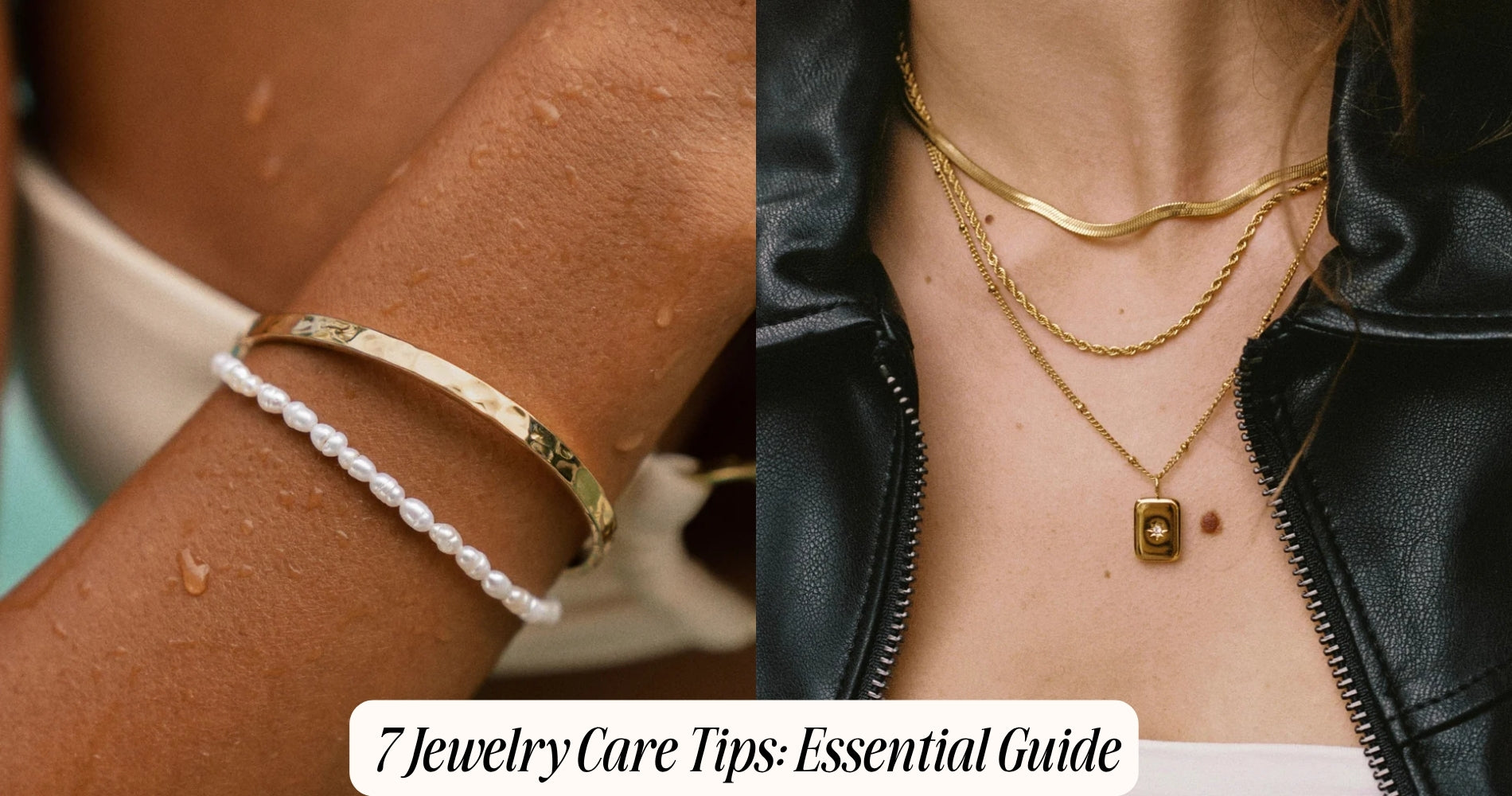
Think about layering. If you plan to wear multiple necklaces together, choosing pieces with at least two inches of difference between each length helps them sit nicely without tangling.
Consider your body proportions. Taller or larger frames may find that shorter lengths like chokers sit higher than expected, while petite frames may find longer lengths drape lower than anticipated.
Match the occasion. Shorter, delicate lengths often feel more casual and everyday, while longer or layered styles can feel more elevated for evening wear or special occasions.
Try before committing when possible. If you are between two sizes, using a string or ribbon to test both lengths on your neck before buying can help you decide with more confidence.

Why the Right Fit Matters for Beach and Everyday Wear
If you love wearing necklaces during warmer months, at the beach, by the pool, or on vacation, finding the right length becomes even more important. A well-fitted necklace stays comfortable through movement, swimming, and daily activity without shifting awkwardly or feeling restrictive.
At Atolea, our necklaces are designed with both style and comfort in mind, using tarnish-resistant, waterproof materials so you can wear them through every splash, swim, and sunny afternoon without worry. Whether you prefer a delicate chain that sits close to the collarbone or a longer layered look, choosing the right length ensures your necklace looks and feels just as good after a day at the beach as it did that morning.
Final Thoughts
Measuring a chain necklace does not need to be complicated. Whether you are measuring a piece you already own or figuring out your ideal length before a new purchase, a simple measuring tape and a few extra inches of comfort room are usually all you need. Understanding standard length categories also makes shopping online much easier, so you can choose with confidence rather than guessing.
Once you know your perfect length, it is much easier to build a necklace collection that fits your neckline, layers beautifully, and holds up to everyday life, including sun, sand, and water.
Frequently Asked Questions
1. What is the most popular necklace length? The 17 to 19 inch princess length is one of the most popular choices, since it sits at or just below the collarbone and pairs well with most necklines and outfits.
2. How do I measure my neck for a choker? Wrap a measuring tape snugly around the base of your neck, then add about one inch for comfort, since a choker should sit close without feeling tight.
3. Can I layer necklaces of similar lengths? It is best to choose necklaces with at least two inches of difference between each length so they sit at slightly different points and avoid tangling.
4. Does necklace length vary based on body type? Yes, taller or larger frames may find certain lengths sit higher than expected, while smaller frames may find the same length drapes a bit lower, so it helps to try before buying when possible.
5. What length necklace works best for everyday wear? Lengths between 16 and 20 inches are generally the most versatile for daily wear, working well with a wide range of necklines and easily layering with other pieces.









Leave a comment
This site is protected by hCaptcha and the hCaptcha Privacy Policy and Terms of Service apply.