


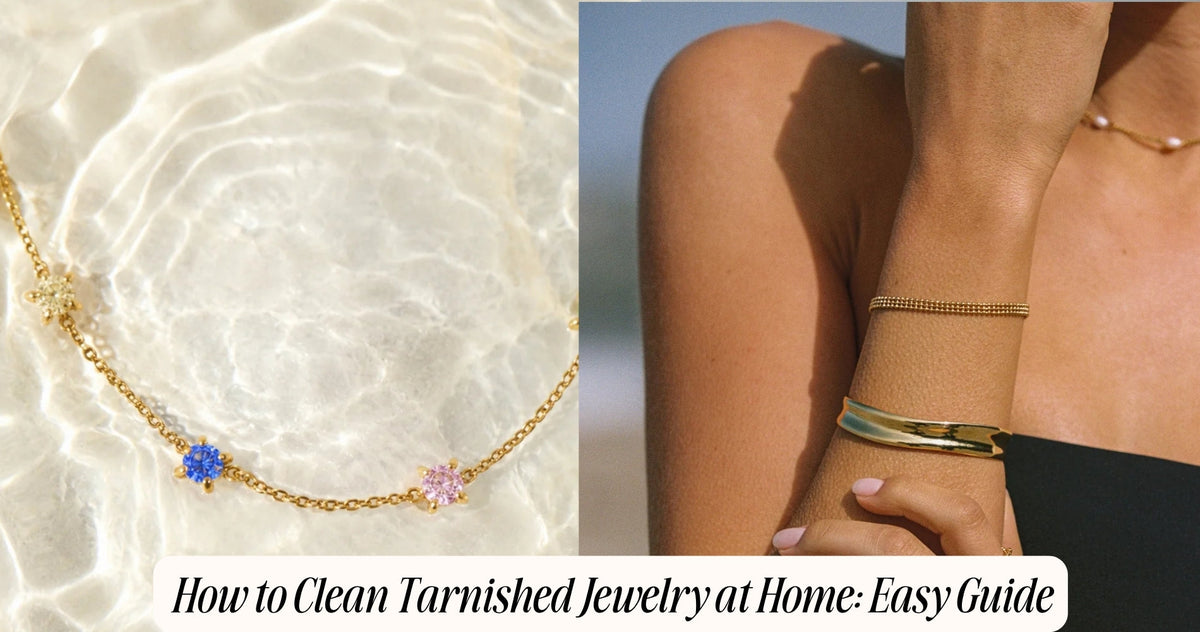
How to Clean Tarnished Jewelry at Home: Easy Guide
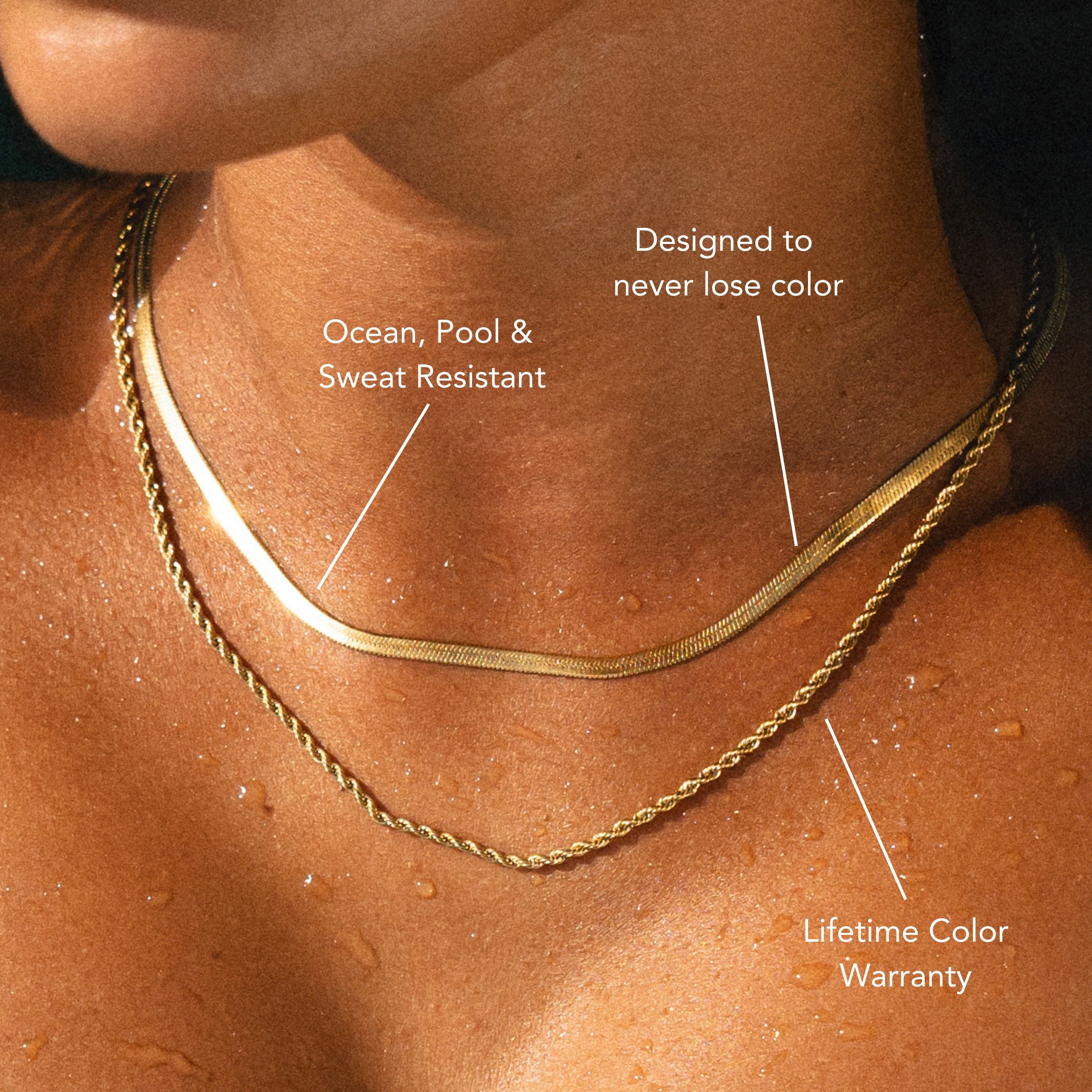
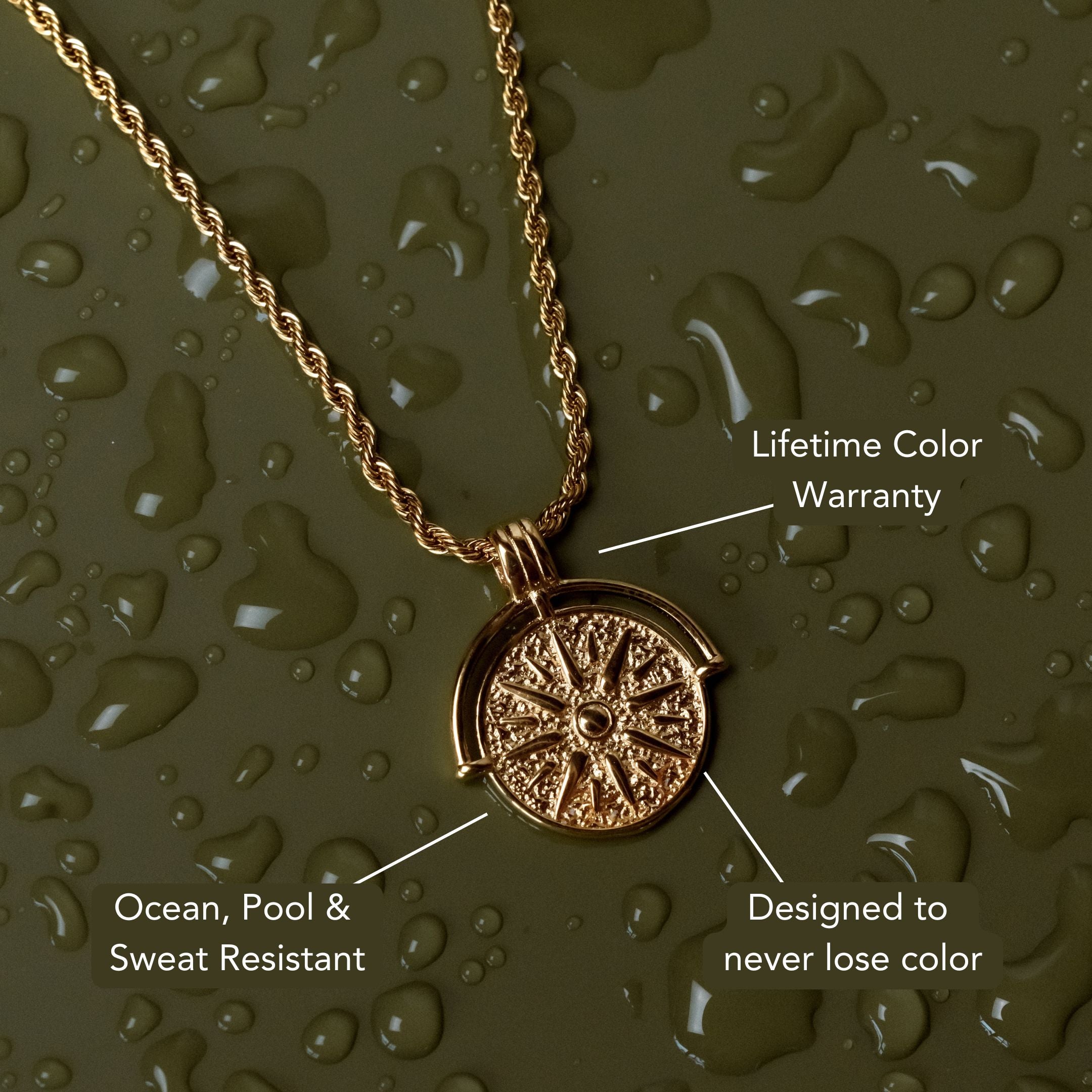
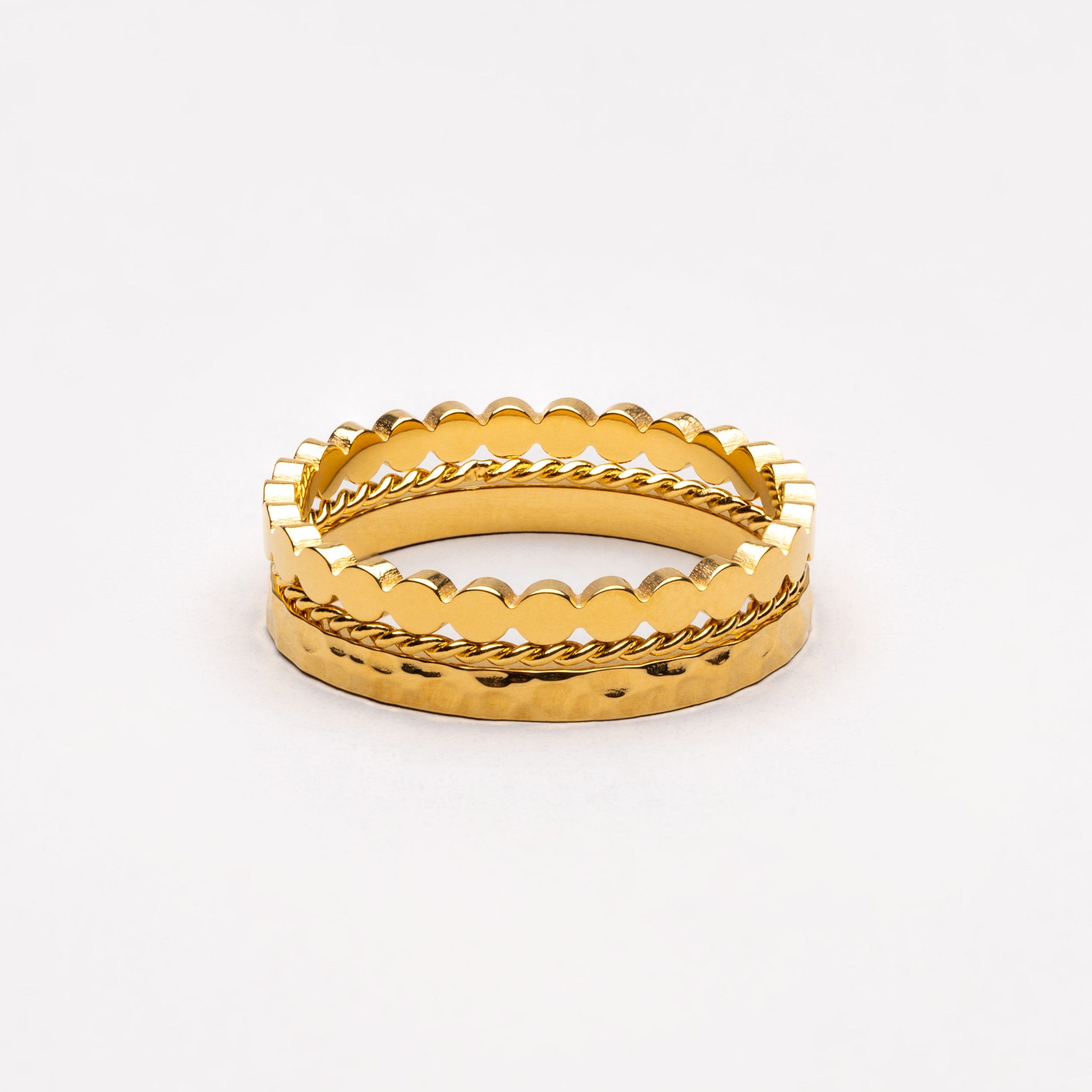
Pulling a favorite necklace or bracelet out of your jewelry box only to find it dull, dark, or discolored is a frustrating but common experience. The good news is that learning how to clean tarnished jewelry at home is usually simple, requiring only a few household items and a bit of time. If you would rather skip the maintenance altogether, our Non Tarnish Bracelets collection offers pieces made specifically to resist this kind of discoloration with everyday wear.
In this guide, we will walk through effective, safe cleaning methods for different jewelry materials, what causes tarnish in the first place, and how to prevent it from coming back so quickly.
What Causes Jewelry to Tarnish
Tarnish is a natural chemical reaction that occurs when certain metals, most commonly silver and metals containing copper, react with sulfur compounds and moisture in the air. Over time, this reaction creates a dark, dull layer on the surface, which is what most people recognize as tarnish.
Several factors can accelerate this process, including humidity, exposure to lotions and perfumes, and even the natural oils and sweat produced by skin. Understanding that tarnish is a chemical reaction rather than permanent damage helps explain why most tarnished jewelry can be restored with the right approach.

Supplies You Will Likely Already Have
One of the best things about cleaning tarnished jewelry at home is that most effective methods use items already found in a typical kitchen or bathroom. A soft, lint free cloth, mild dish soap, warm water, baking soda, and aluminum foil are the most commonly used household supplies for tackling tarnish. A soft bristled toothbrush is also useful for reaching small crevices and detailed settings that a cloth alone cannot fully clean.
The Soap and Water Method
For light tarnish on most metals, a simple soap and water soak is often enough to restore shine. Mix a few drops of mild dish soap into a bowl of warm water, then submerge the jewelry for ten to fifteen minutes to loosen surface buildup. Use a soft bristled toothbrush to gently scrub around settings, engravings, and other detailed areas where tarnish tends to accumulate more heavily.
Rinse thoroughly under clean water to remove all soap residue, then dry completely with a soft cloth. This method works well for gold, platinum, and lightly tarnished silver pieces without gemstones that are sensitive to moisture.
The Baking Soda and Foil Method for Silver
For more stubborn tarnish on silver jewelry, the baking soda and aluminum foil method is a popular and effective household solution. Line a small bowl or dish with a sheet of aluminum foil, shiny side facing up, then place the tarnished silver jewelry directly on top of the foil.
Sprinkle a generous amount of baking soda over the jewelry, then carefully pour hot water over the pieces until they are fully submerged. This triggers a chemical reaction between the aluminum foil, baking soda, and tarnish, effectively transferring the tarnish from the jewelry onto the foil. Allow the pieces to sit for several minutes, then remove, rinse thoroughly, and dry with a soft cloth.
This method works particularly well for plain silver pieces without gemstones, since the chemical reaction involved is generally too harsh for more delicate materials.

Using a Silver Polishing Cloth
For lighter tarnish, or as a quick touch up between deeper cleanings, a dedicated silver polishing cloth offers a simple, no mess solution. These cloths are treated with a mild polishing compound designed specifically to lift tarnish without scratching the metal's surface.
Simply rub the cloth gently over the tarnished areas until the dullness lifts and shine returns. This method is particularly convenient for jewelry worn frequently, since it can be done quickly without needing to soak or rinse the piece.
Cleaning Gold Jewelry
Gold generally tarnishes less than silver, but it can still develop a dull film from everyday buildup, particularly lower karat gold containing more alloy metals. The soap and water method described earlier works well for most gold jewelry, with a soft toothbrush helping to reach small crevices and detailed areas.
For gold jewelry with a slightly more stubborn dull appearance, a small amount of toothpaste, specifically a plain, non gel variety without added whitening agents, can be applied gently with a soft cloth, then rinsed thoroughly. This method should be used sparingly, however, since toothpaste can be mildly abrasive and is not recommended for use on plated gold jewelry or pieces with delicate gemstone settings.
Cleaning Gemstone and Pearl Jewelry
Gemstones and pearls require gentler handling than plain metal jewelry, since harsher cleaning methods can damage their surface or structure. Harder gemstones, like diamonds and sapphires, can generally tolerate the mild soap and water method, while softer or more porous stones, such as opal, turquoise, and pearl, should only be wiped gently with a soft, slightly damp cloth.
Avoid the baking soda and foil method or any abrasive cleaning approach on gemstone or pearl jewelry, since these methods are designed for plain metal surfaces and can damage more delicate materials.

What to Avoid When Cleaning Tarnished Jewelry
A few common mistakes can cause more harm than good when attempting to clean tarnished jewelry at home. Avoid using harsh household chemicals, including bleach, ammonia, or general purpose cleaning sprays, since these can damage metals, dull gemstones, or strip protective coatings. Avoid abrasive materials like steel wool or rough sponges, which can scratch delicate surfaces, particularly on softer metals or detailed engravings. Be cautious with vigorous rubbing or scrubbing on plated jewelry, since aggressive cleaning can wear away the thin plated layer more quickly than gentler methods.
How Often Should You Clean Tarnished Jewelry
The frequency of cleaning largely depends on how often a piece is worn and the specific materials involved. Jewelry worn daily, particularly silver pieces, may benefit from a light cleaning every one to two weeks to prevent significant tarnish buildup. Pieces worn only occasionally generally need cleaning before or after wear, since reduced exposure to air and skin contact slows the tarnishing process considerably.
Paying attention to visible dullness or darkening is typically the best indicator that a piece needs attention, regardless of a strict cleaning schedule.
Preventing Tarnish Between Cleanings
A few simple habits can significantly slow how quickly jewelry tarnishes in the first place. Store jewelry in an anti tarnish pouch or a jewelry box lined with anti tarnish fabric, which helps reduce exposure to air and moisture. Apply lotion, perfume, and hairspray before putting on jewelry rather than after, since these products are a major contributor to tarnish and buildup. Remove jewelry before swimming, showering, or exercising unless it is specifically designed to handle water and moisture exposure.

When to Seek Professional Cleaning
While most tarnished jewelry can be effectively cleaned at home, certain situations call for professional attention. Valuable or antique pieces, particularly those with fragile settings, are often better handled by a professional jeweler to avoid accidental damage. If tarnish has become deeply set or does not respond to home cleaning, a jeweler can use specialized tools to safely restore the piece.
Final Thoughts
Learning how to clean tarnished jewelry at home does not require expensive tools or complicated techniques. Whether you use a simple soap and water soak, the baking soda and foil method for silver, or a gentle polishing cloth for quick touch ups, most tarnished jewelry can be restored to its original shine with a bit of time and care.
With these methods in your routine, along with a few preventive habits, keeping your jewelry collection bright and tarnish free becomes a manageable part of regular upkeep.
Frequently Asked Questions
1. What is the easiest way to clean tarnished jewelry at home?
A simple soap and water soak works well for most lightly tarnished metal jewelry, while a silver polishing cloth offers a quick, mess free touch up option.
2. Does the baking soda and foil method work on all jewelry?
No, this method is best suited for plain silver pieces without gemstones, since the chemical reaction involved can be too harsh for more delicate materials.
3. Can I use toothpaste to clean tarnished gold jewelry?
A small amount of plain, non gel toothpaste can help with stubborn dullness, but it should be used sparingly and avoided on plated or gemstone jewelry.
4. How do I clean tarnished jewelry with pearls or gemstones?
Wipe gently with a soft, slightly damp cloth rather than soaking, since pearls and softer gemstones can be damaged by prolonged moisture or abrasive cleaning methods.
5. How can I prevent jewelry from tarnishing so quickly?
Store pieces in an anti tarnish pouch, apply lotion and perfume before putting on jewelry, and remove jewelry before swimming or showering when possible.











Leave a comment
This site is protected by hCaptcha and the hCaptcha Privacy Policy and Terms of Service apply.