



How Many Bracelets to Wear: Easy Stacking Guide
The right count depends less on a fixed rule and more on three variables: how wide your wrist is, how substantial each bracelet is, and what the occasion calls for. Knowing how many bracelets to wear lets you build a stack that looks composed rather than crowded, and adjust it quickly when your outfit changes. Everyday Bracelets in fine, lightweight styles make stacking easy because they leave room for variety. This guide covers a starting number for each situation, how wrist size and bracelet width change the count, simple stacking formulas, how to split bracelets across two wrists, and the comfort considerations that keep a stack wearable all day.
A Quick Answer to Start With
For most people, two to three bracelets on one wrist is the most reliable range. It creates visible layering without crowding the wrist, and it works for most outfits and occasions.
One bracelet suits minimal, professional, and formal settings. Four or five suit casual, relaxed looks where a layered, collected effect is the goal. Six or more can work on larger wrists with very fine pieces, though comfort and snagging become real concerns at that point.
The count that looks right is the one that keeps each bracelet individually visible. When bracelets bunch together so tightly that you cannot tell where one ends and the next begins, the stack has gone one piece too far.

Wrist Size Changes the Count
Wrist circumference sets how much visible space you have to fill, and it affects how many pieces fit before the stack looks heavy.
| Wrist Size | Comfortable Count | Best Bracelet Width |
|---|---|---|
| Small (under 6 inches) | 1 to 3 | Fine chains, thin bangles under 3mm |
| Medium (6 to 7 inches) | 2 to 4 | Mix of fine and medium, up to 5mm |
| Large (over 7 inches) | 3 to 5 | Medium widths, one wider anchor piece |
On a small wrist, three fine bracelets can already fill the space, so keep each piece slim. On a larger wrist, the same fine bracelets can look lost, and a wider anchor piece balances the stack.
Measure the visible forearm space as well. A stack of four fine chains takes up around two to three inches of wrist, which is more than most people expect, so test the arrangement in a mirror before committing.
Bracelet Width Matters as Much as Count
Three wide cuffs weigh far more visually than three fine chains, so count alone does not describe a stack.
A simple weighting approach helps. Treat a fine chain under 2mm as one unit, a medium chain or thin bangle as two units, and a wide cuff or chunky link as three units. Aim for a total of four to six units on a typical wrist.
Under that system, one wide cuff plus one fine chain equals four units, and five fine chains equal five units. Both can look balanced, although they look quite different, and the approach keeps you from overloading the wrist with heavy pieces.
Stacking Formulas That Work
These combinations give you reliable starting points.
- The minimal one. A single fine chain or thin bangle. It suits work, formal events, and anyone who prefers restraint.
- The pair. Two bracelets of different widths, such as a fine chain with a slim bangle. This is the easiest layered look and rarely needs adjustment.
- The classic three. One anchor piece such as a medium chain or bangle, flanked by two finer pieces. Odd numbers often read as balanced, which is why this arrangement appears so often in styled stacks.
- The relaxed five. Mostly fine chains with one textured or slightly wider piece for variety. It suits weekends, travel, and beach days, though it needs a wrist large enough to carry it.
- The statement plus support. One wide cuff worn alone or with a single fine chain. The cuff leads, so keep everything else minimal.

Mix Widths, Textures, and Tones
Variety within the stack keeps each piece distinct.
Vary the widths so no two adjacent bracelets match. A fine chain beside a medium bangle reads as intentional, whereas identical bracelets blur together.
Vary the textures. A smooth bangle alongside a twisted chain or beaded strand adds depth without extra pieces.
Keep the metal tones coordinated. A single tone throughout is the simplest approach. Mixed tones work when one leads and the other repeats at least once in the stack, and you can use a coordinated collection of gold-tone and silver-tone pieces to make this easy.
One Wrist or Two
Splitting bracelets across both wrists lets you wear more total pieces without crowding either arm.
A balanced split might put two or three bracelets on one wrist and one or two on the other. Many people wear a watch on one wrist and a stack on the other, which keeps both clean.
Concentrating the stack on one wrist creates a stronger focal point, while distributing evenly across both wrists reads as symmetrical and relaxed. Choose based on the effect you want and which hand you use most, since a heavy stack on a dominant wrist can interfere with typing and everyday tasks.

Occasion Guidance
- Office and professional settings. One or two fine bracelets in matching tones. Keep the stack quiet so it does not clink during meetings.
- Casual daily wear. Two to four bracelets in varied widths. This range adds interest without effort.
- Evening and formal events. One statement bracelet or a pair of delicate pieces. Let the outfit lead and keep the wrist refined.
- Beach, travel, and active days. Fine, secure pieces that tolerate water and movement. Fewer bracelets reduce snagging on clothing and equipment.
Comfort and Practical Considerations
A stack should feel as good as it looks across a full day.
Check the fit of each piece. Bracelets that are too tight restrict circulation, and those that are too loose slide and tangle. Leave enough room for one finger beneath the stack.
Watch for snagging. Charms, dangling elements, and rough clasps catch on sleeves and knit fabrics. Choose smooth closures and low-profile designs for pieces you wear every day.
Consider noise. Multiple metal bracelets can clink against each other and against desks, which matters in quiet settings. Mixing in a fabric or cord piece softens the sound.
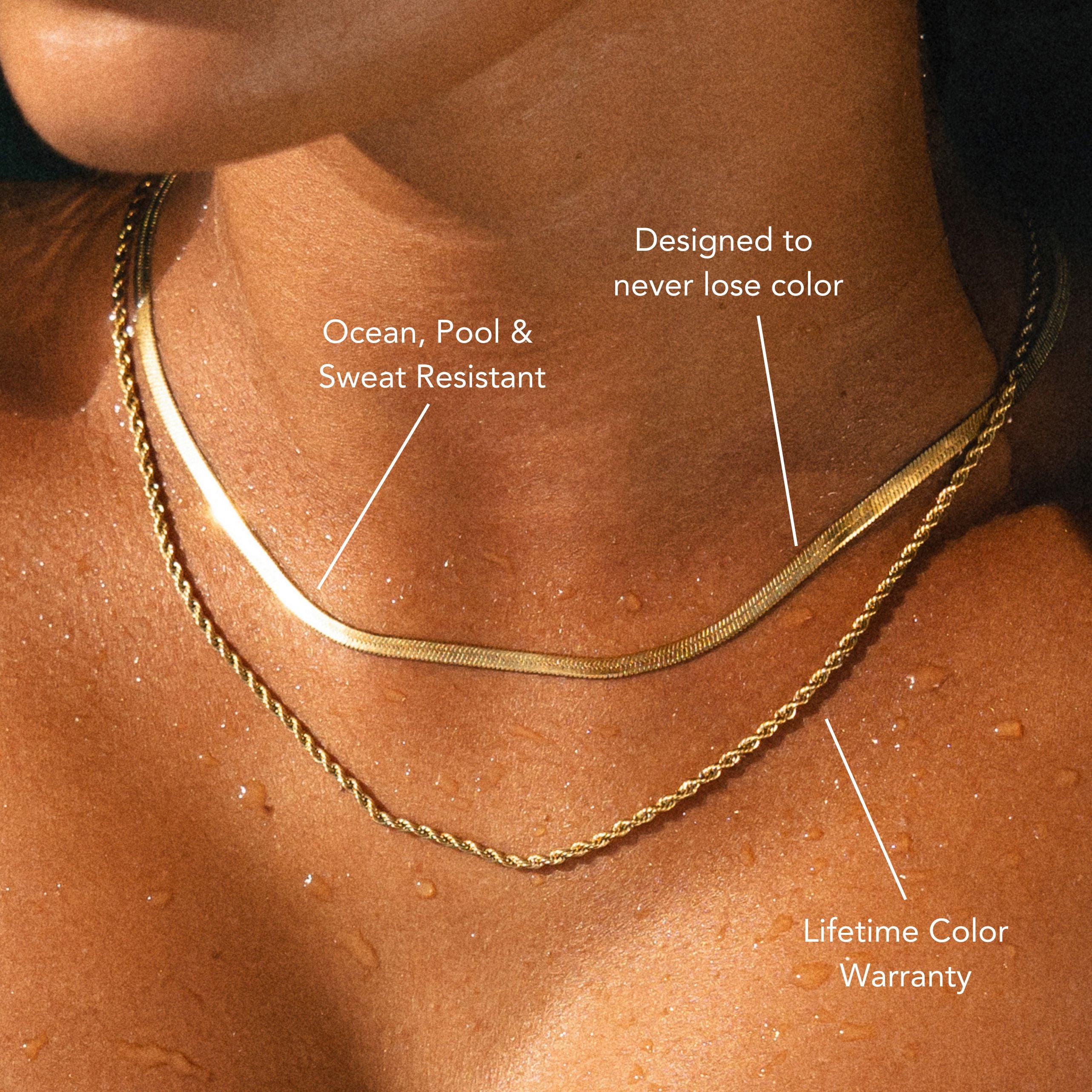
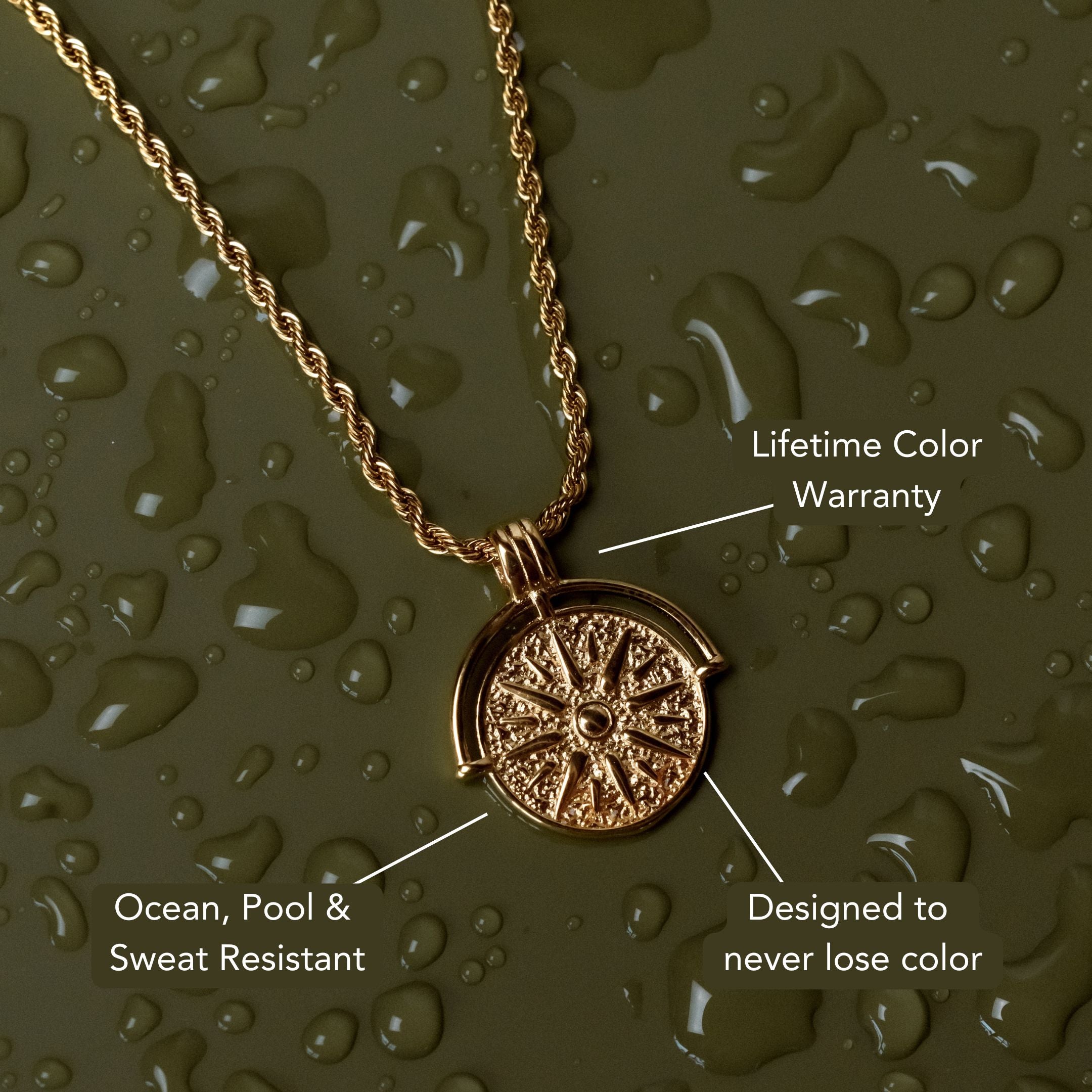
Choose durable materials for the pieces you wear constantly. Bracelets live on the wrist, where sweat, soap, and water collect, so materials that tolerate that exposure last longer and stay consistent across the stack. PVD-coated stainless steel holds its finish through showers, gym sessions, and ocean swims without tarnishing, so every bracelet in a stack ages at the same rate. ATOLEA's bracelets are built on this material with a lifetime color warranty on every piece.

Frequently Asked Questions
How many bracelets should you wear on one wrist?
Two to three is the most dependable range for most people. Fewer suits formal and professional settings, and four or five suit relaxed, casual looks on wrists large enough to carry them.
Is it okay to wear bracelets on both wrists?
Yes. Splitting bracelets across both wrists lets you wear more total pieces without crowding either arm, and it creates a balanced look. Many people pair a watch on one wrist with a small stack on the other.
Can you wear too many bracelets?
Yes. A stack has too many pieces when you cannot see each bracelet individually, when it restricts movement or snags on clothing, or when the weight feels uncomfortable. At that point, remove one or two pieces.
How many bracelets look good on a small wrist?
One to three fine bracelets usually look best. Slim chains and thin bangles under 3mm keep the stack proportionate, while wide pieces tend to overwhelm a small wrist quickly.
Should bracelets in a stack match?
They do not need to match, but they should coordinate. Keep the metal tones consistent or let one tone lead, vary the widths so adjacent pieces differ, and add a texture contrast for depth.
Finding Your Number
How many bracelets to wear depends on wrist size, bracelet width, and occasion, with two to three on one wrist covering most situations. Adjust upward for relaxed, casual looks and downward for professional or formal settings. Vary widths and textures, keep tones coordinated, and choose materials that tolerate daily wear so the whole stack stays consistent. Check the fit in a mirror, and if you cannot see each bracelet clearly, remove one.










Leave a comment
This site is protected by hCaptcha and the hCaptcha Privacy Policy and Terms of Service apply.