

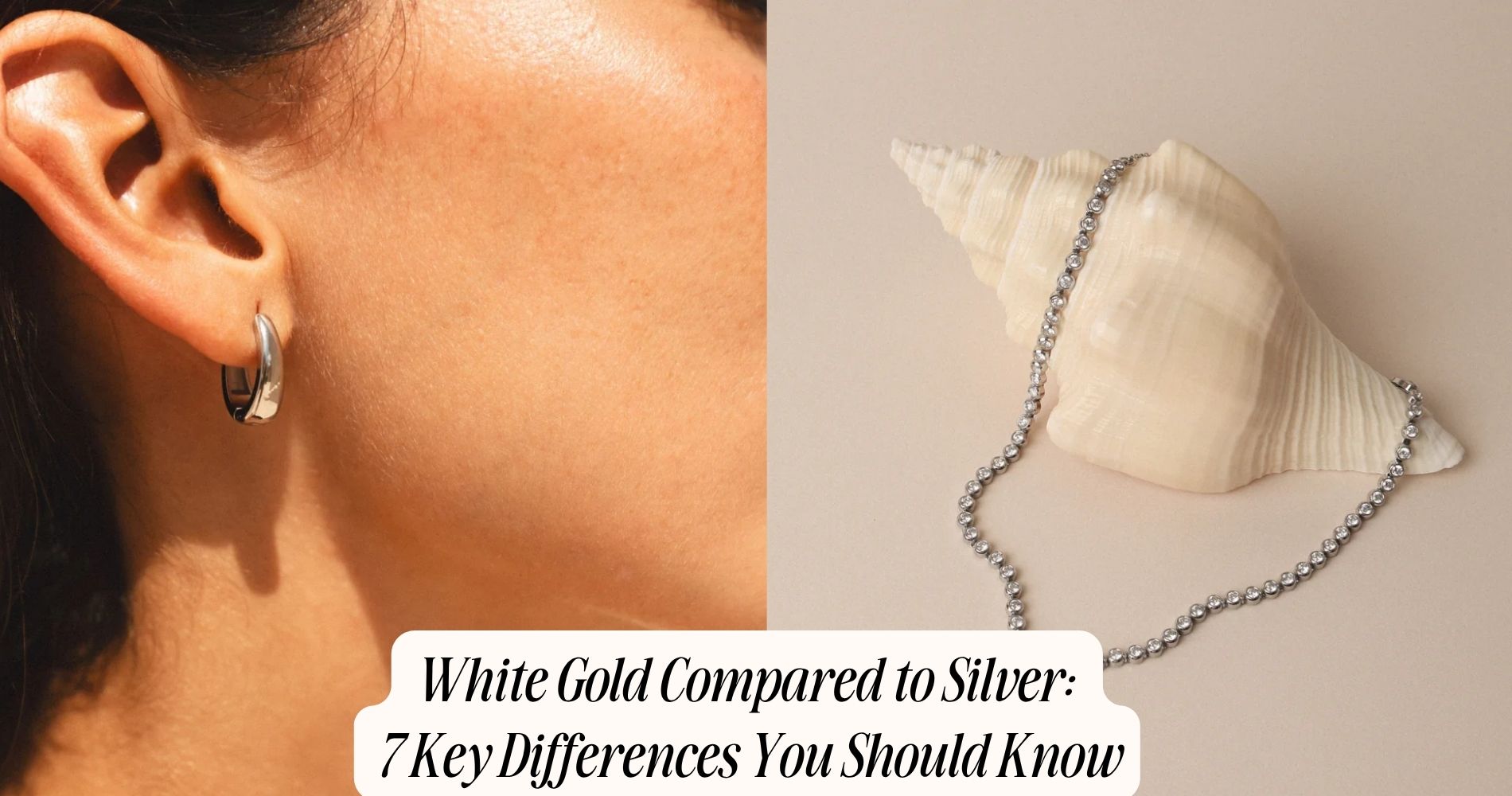
White Gold Compared to Silver: 7 Key Differences You Should Know
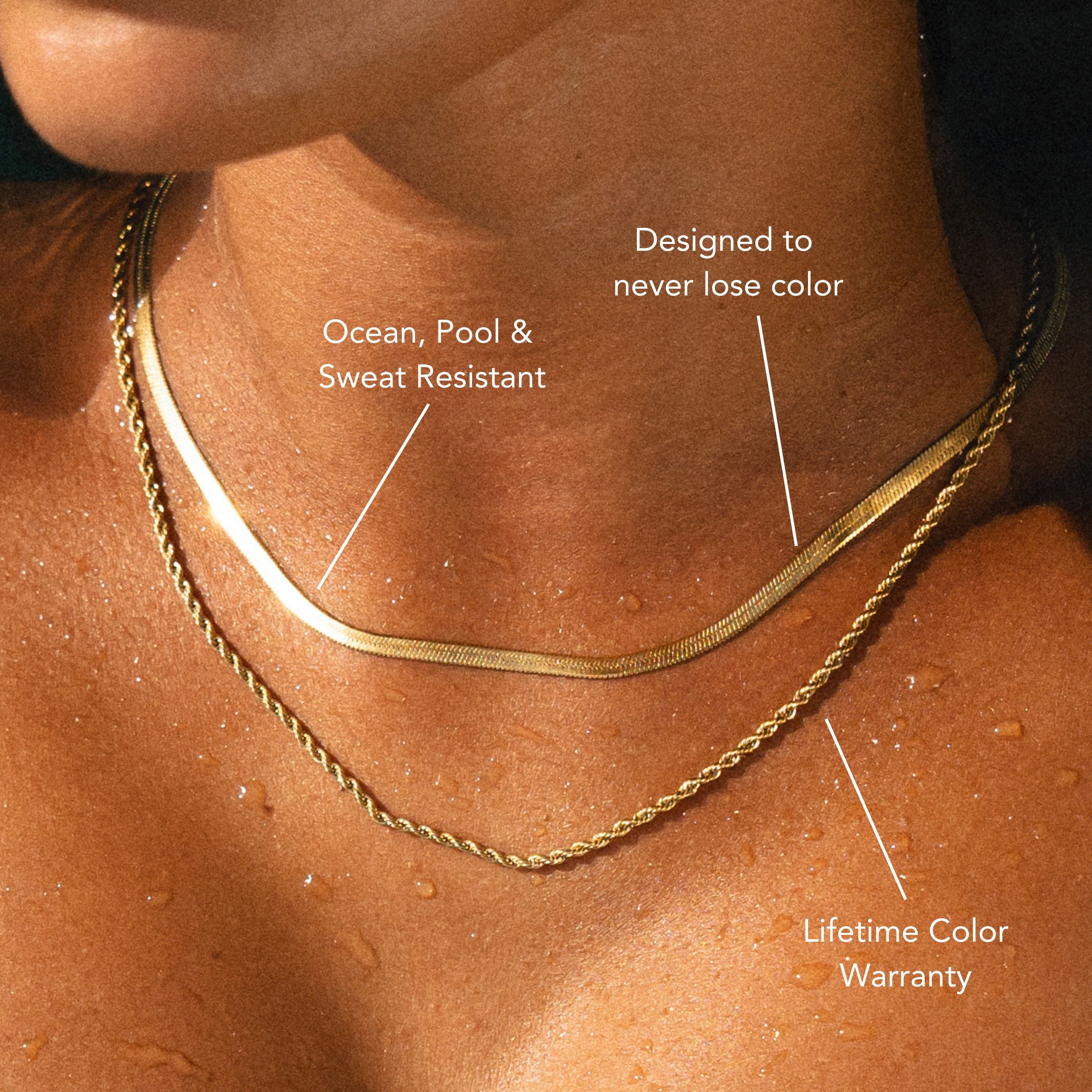
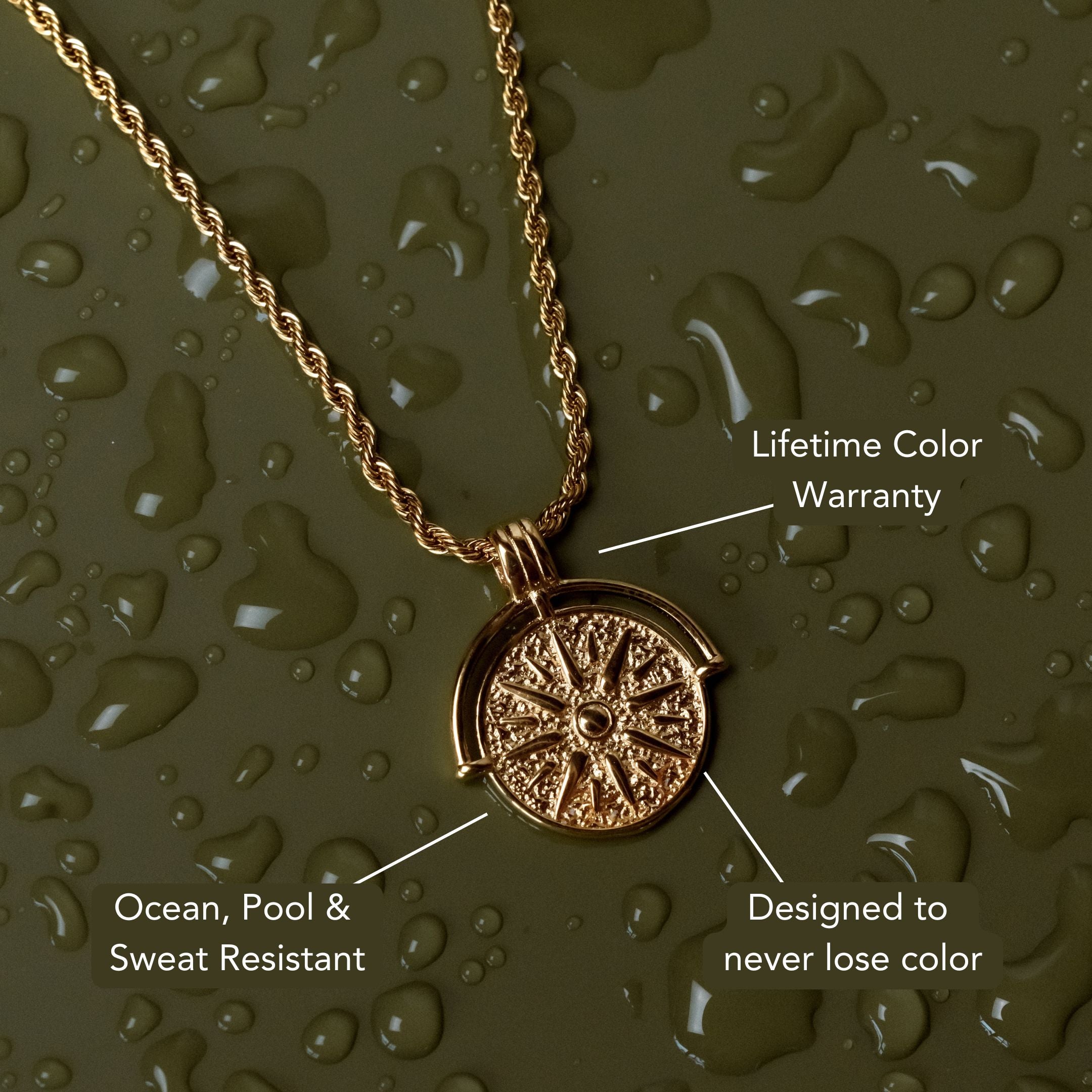
Understanding white gold compared to silver helps you choose the right metal for your needs and lifestyle. White gold offers greater hardness, better shape retention, and more stable color over time, thanks to its alloy composition (typically 10K–18K) and rhodium plating. It may include metals like nickel or palladium, which can affect both tone and skin sensitivity. In contrast, sterling silver (92.5% pure silver) provides a brighter initial shine, lower cost, and easier polishing, but it scratches and tarnishes more quickly due to sulfur exposure. Exploring white gold compared to silver further will help you weigh durability, maintenance, and long-term value—especially when considering practical options like those in the Waterproof Jewelry collection for everyday wear.
Quick Pick: Which to Choose - White Gold or Silver?
Which metal suits you depends on priorities like budget, durability, and appearance: choose silver if you want the most affordable, naturally bright option that’s easy to polish, or pick white gold if you need a harder, longer-lasting setting that maintains a white look under fine gemstones.
You’ll favor silver when cost sensitivity and a low-maintenance bright finish align with your wardrobe; its softer nature suits casual pieces and rapidly changing fashion trends.
Choose white gold when you require structural strength, scratch resistance, and stable color beneath prongs for valuable stones; its engineered metal alloys provide predictable mechanical properties.
In procurement, specify alloy composition, plating requirements, and expected wear cycles so you get a piece matched to intended use and lifecycle expectations.

What’s in White Gold vs Silver
Composition matters: white gold is an alloy of gold mixed with stronger, pale-colored metals—commonly nickel, palladium, or silver—while sterling silver is a nearly pure silver alloyed primarily with copper (92.5% Ag, 7.5% Cu).
When you evaluate alloy composition, note that white gold’s base gold content (10K–18K) determines malleability and color, with nickel yielding a whiter hue but higher allergy risk. Palladium alloys maintain whiteness with improved hypoallergenic properties and stability.
Sterling silver’s high silver ratio gives excellent conductivity and luster but requires alloying with copper for hardness, which can promote tarnish and skin reactions in some individuals.
You’ll choose between controlled gold percentages and alloying agents that balance appearance, cost, and hypoallergenic properties.
Durability & Scratch Resistance: White Gold vs Silver
Because white gold combines gold with harder metals like nickel or palladium, it generally resists scratching and maintains shape better than sterling silver under everyday wear.
You’ll notice superior scratch resistance because alloying raises metal hardness; white gold alloys typically reach higher Vickers or Mohs equivalents than pure silver alloys.
That doesn’t make white gold impervious—surface rhodium plating used to enhance appearance can wear, exposing the alloy beneath—but the substrate still resists deformation more than sterling silver.
Silver’s lower metal hardness means it dents and scratches more readily under impact or abrasion, so you’ll need more frequent polishing or careful handling to preserve finish.
Choose white gold when you prioritize structural durability; choose silver when you accept softer metal trade-offs for cost or look.

Color, Aging, and How Each Metal Changes Over Time
While both white gold and silver start with bright, pale finishes, they age and shift in markedly different ways that affect color, maintenance, and long-term appearance.
You’ll observe distinct color variations: white gold, an alloy typically rhodium‑plated, retains a cool, near‑white tone until the plating thins, revealing a warmer, yellowish base metal; silver darkens uniformly toward gray.
Chemically, silver’s visible change stems from sulfur-driven oxidation effects forming silver sulfide patina, which alters reflectivity and hue.
White gold doesn’t form the same sulfide layer but can show surface discoloration as alloys interact with skin chemistry and environmental agents.
Understanding these mechanisms lets you predict aesthetic evolution and choose pieces based on expected long‑term color stability and optical consistency.
Maintenance & Replating: Cleaning, Care, and Long‑Term Upkeep
Although both metals respond to similar cleaning routines, their maintenance needs diverge sharply: silver requires regular de‑tarnishing and gentle polishing to remove sulfurous films, whereas white gold demands periodic rhodium replating to restore its whitest appearance and protect the underlying alloy.
You should follow specific cleaning methods: use mild, pH-neutral solutions for both, microfiber cloths for polishing, and ultrasonic cleaning only when gemstones and settings permit.
For white gold, the plating process (rhodium electroplating) is a scheduled restoration technique you’ll need every 1–3 years depending on wear.
Maintenance tips include storing pieces separately, avoiding sulfide-containing chemicals, and documenting care routines.
For long term upkeep, trust qualified jewelers for replating and repairs to preserve finish and structural integrity.
Cost & Resale: Upfront Price, Long‑Term Value, and Trade‑Offs
When comparing upfront costs and long-term value, you’ll find silver typically offers lower purchase prices per ounce but greater susceptibility to market volatility and tarnish-related maintenance.
Conversely, white gold commands higher initial prices driven by its gold content and alloying/rhodium-plating processes yet often retains more predictable resale value.
You should treat silver as a lower upfront costs option with higher price swings; its market-driven resale value can fluctuate considerably and cleaning costs cut net returns.
Conversely, white gold’s intrinsic gold component and craftsmanship increase initial expense but provide steadier resale value, especially in higher karats.
Trade off considerations include liquidity, purity marking, and the cost of rhodium replating versus silver restoration.
For long term investment, evaluate volatility, storage, and transaction fees.

Best Metal for Rings, Daily Wear, and Heirlooms
Having weighed cost, resale, and maintenance, you now need to pick a metal that meets the functional demands of rings, daily wear, and heirloom longevity.
Choose white gold when durability and retention of finish matter: 14K or 18K alloys resist scratching better than pure silver and retain polish under frequent use, supporting daily wear and long-term structural integrity.
Select silver for informal pieces where metal versatility and lower cost justify periodic refinishing; sterling is softer and requires more maintenance, making it less suited for high-wear rings.
Account for style preferences, corrosion resistance, and potential rhodium replating for white gold.
For heirlooms, prioritize alloys with proven hardness, documented provenance, and predictable maintenance cycles to guarantee predictable longevity and future value.
Frequently Asked Questions
Are There Allergy Risks Beyond Nickel in White Gold?
Yes — you can react to alloys beyond nickel. You’ll see allergy symptoms from other metals (cobalt, copper, palladium) or plating wear changing metal composition; get patch tested and choose higher-purity or rhodium-plated pieces accordingly.
Can Silver or White Gold Be Resized Repeatedly?
You can resize both metals, but silver and white gold have resizing limitations: silver’s softness limits repeated adjustments, while white gold’s alloyed strength and durability differences let you resize more often, though frequent work still risks metal fatigue.
How Do Gemstones Behave Differently in Each Metal?
Gemstones behave differently because white gold’s durable, reflective settings hold stones securely and enhance brilliance, while silver’s softer settings risk wear; you’ll notice stronger color contrast and longer-lasting faceting integrity in white gold.
Are Ethical Sourcing and Recycling Options Available for Both?
Yes—you can pursue ethical sourcing and recycling methods for both metals. You’ll verify mine certification, recycled content, and refiner audits; you’ll also use established recycling methods like collection, refining, and chain-of-custody tracking for transparent reuse.
Which Metal Is Better for Engraved or Filigree Designs?
Silver’s softer alloy makes it better for intricate engraving techniques and delicate filigree styles; you’ll achieve finer detail and less tool resistance, though white gold’s hardness offers greater structural durability for larger, wear-prone pieces.
Conclusion
Choose white gold if you want lasting strength, a warmer white that’s kept bright by periodic rhodium plating, and higher resale potential; choose silver if you prefer an affordable, bright white initially, easier DIY cleaning, but expect softer metal, tarnish, and more frequent maintenance. For rings and daily wear pick white gold; for budget pieces or饰ware choose silver. Assess alloy composition, plating needs, and long‑term serviceability against your lifestyle before deciding.











コメントを書く
このサイトはhCaptchaによって保護されており、hCaptchaプライバシーポリシーおよび利用規約が適用されます。