


What Ankle to Wear an Anklet On: Style Meaning Guide
The question comes up more often than you might expect. If you have been wondering what ankle to wear an anklet on, the answer sits at the intersection of personal preference, cultural context, and a few style principles worth knowing. Some traditions assign meaning to each ankle. Most contemporary wearing is driven by comfort and aesthetics rather than symbolism. Beach Anklets designed for everyday coastal wear look right on either ankle when chosen and styled with intention. This guide covers what different traditions say about ankle choice, what the style considerations actually are, and how to wear one or both anklets in a way that looks considered rather than accidental.
Does It Matter Which Ankle You Wear an Anklet On
For most people wearing anklets today, the ankle choice is a matter of preference rather than rule. There is no universal standard in contemporary Western styling that assigns a specific meaning to the left or right ankle, which means you are free to place the piece wherever it looks and feels best.
That said, two contexts give the question more weight: cultural traditions that do assign specific meaning to ankle placement, and practical considerations about which ankle shows best with your typical footwear and outfit choices.
Understanding both gives you the full picture without overstating a set of rules that most wearers simply do not apply. The most important factor in how an anklet looks is fit, material, and styling, not which leg it sits on.

What Ankle to Wear an Anklet On: Cultural and Historical Context
Anklet traditions vary significantly across cultures, and some of those traditions do assign meaning to the left or right ankle specifically.
South Asian tradition: In India, anklets (called payal or pajeb) have been worn for thousands of years and carry cultural and marital significance. They are traditionally worn on both ankles as part of bridal jewelry and as everyday adornment. In some regional traditions, the right ankle carries associations with personal energy and outward expression, while the left is associated with receiving and inward energy. Both ankles are standard for traditional bridal wear.
Ancient Egyptian tradition: Anklets were worn by women across social classes in ancient Egypt, with gold and silver pieces indicating wealth and status. Placement was not rigidly assigned by meaning in the historical record. The anklet was primarily a status and decorative piece rather than a symbolic one tied to specific ankle choice.
Western folk beliefs: In some Western communities, particularly in the United States from the mid-20th century onward, specific meanings were informally attached to ankle placement. Right ankle anklets were associated with being in a relationship or open to one. Left ankle anklets carried different informal associations depending on the community. These meanings were never formally established and are not widely recognized or applied today.
Contemporary global wearing: Across most contemporary wearing contexts, anklets on either ankle carry no fixed meaning. The piece is worn for aesthetic and personal reasons, and the ankle choice is driven by which side feels more natural, which shoe or outfit it pairs better with, or simply habit.
The cultural context matters if you are buying or wearing an anklet within a tradition that assigns specific meaning to it. For everyday lifestyle and fashion wear, the choice is yours.

How to Wear Anklets for Different Contexts
The context you are wearing an anklet in shapes not just which ankle but which style, weight, and fit works best.
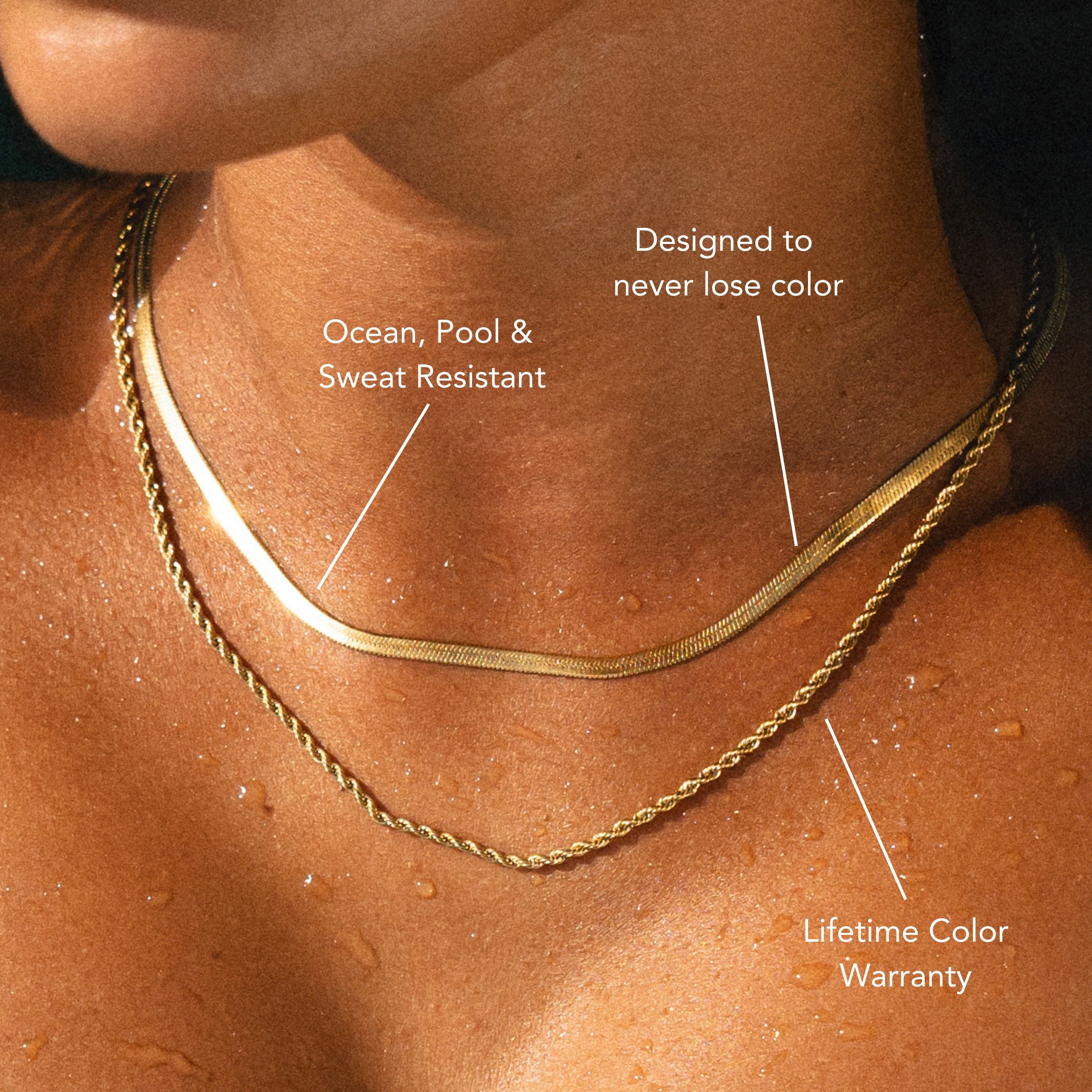
Beach and ocean wear: This is the context anklets were made for. A fine chain anklet in gold or silver tones sits close to the skin and does not catch during swimming or surf. Thin chain styles without heavy pendants stay put through wave action and sand contact. For ocean and pool wear, material matters as much as style. Standard gold-plated anklets degrade quickly in salt water and chlorinated pool water. PVD-coated stainless steel anklets hold their finish through sustained ocean and pool exposure, which means the piece looks the same after a full beach trip as it did before.
Travel: Anklets are one of the most practical travel jewelry pieces because they do not need to be removed for airport security (unlike some metal bracelets and necklaces) and they add visual interest to simple travel outfits without requiring careful coordination. A single delicate anklet on whichever ankle your sandals best frame is the easiest approach for travel days.

Everyday casual: For daily wear through gym sessions, errands, and casual outings, fit and comfort are the primary considerations. An anklet that fits correctly sits just above the ankle bone with enough room to move freely without sliding down toward the foot during walking. Too loose and it shifts constantly. Too tight and it leaves marks and becomes uncomfortable through longer wear.
Dressed-up occasions: A fine chain anklet with a small pendant or charm reads as intentional with dress sandals or heeled mules. On these occasions, the ankle that shows most clearly based on your footwear choice is the natural placement. An open-toe heel frames the foot and ankle differently than a strappy sandal, and the anklet placement should follow that framing naturally.
Getting the Fit Right
Fit affects how an anklet reads almost as much as the style choice does. An anklet that sits too loosely slides around with every step and draws attention for the wrong reasons. One that is too tight sits uncomfortably and can leave pressure marks after a few hours of wear.
The standard anklet sizing guide: measure your ankle circumference and add approximately half an inch to one inch for comfortable movement. Most anklets are sized around 9 to 10 inches to accommodate a range of ankle sizes with light adjustability through an extender chain.
Measure your ankle at the point just above the ankle bone where the piece will sit. Ankle circumference varies more between people than wrist circumference does, so checking your specific measurement before purchasing prevents the most common fit issue.
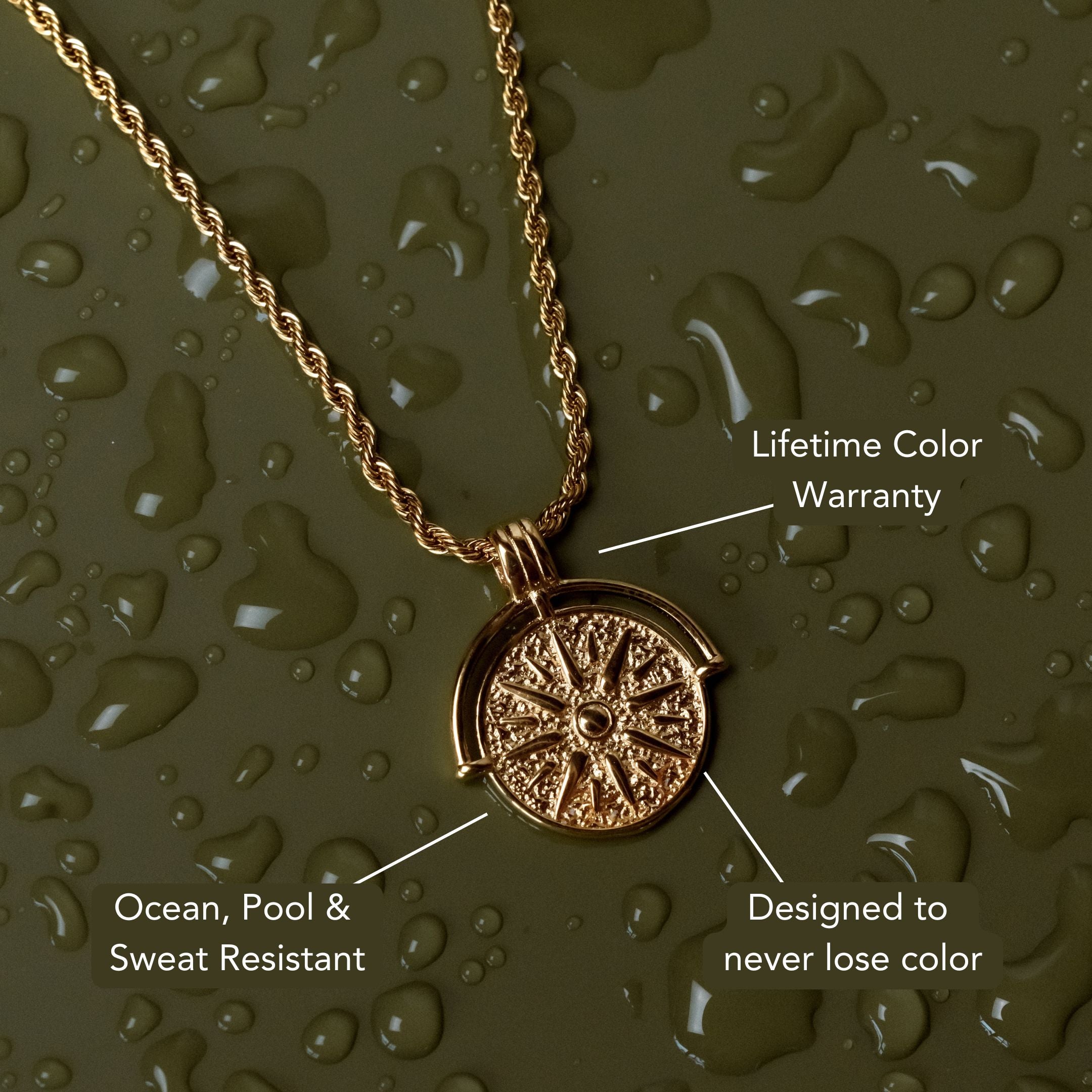
For anklets worn through active use including beach days, surf sessions, and workouts, a snugger fit within the comfortable range reduces movement and the chance of the clasp catching on anything during activity. ATOLEA's beach anklet range uses PVD-coated stainless steel construction with a lifetime color warranty on every piece, which means the finish holds through the salt water, chlorine, and sweat exposure that daily active ankle wear involves.

Frequently Asked Questions
Is there a correct ankle to wear an anklet on?
No universal rule applies in contemporary fashion. Cultural traditions in some South Asian contexts assign meaning to ankle placement, but for everyday Western fashion wear, the choice is personal. Most people wear an anklet on whichever ankle their footwear frames most naturally, or on their dominant side out of habit.
What does wearing an anklet on the left ankle mean?
In contemporary fashion, wearing an anklet on the left ankle carries no fixed or widely recognized meaning. Some informal associations existed in specific communities in the mid-20th century but are not commonly applied today. The meaning most people attach to ankle placement now is aesthetic rather than symbolic.
Can you wear anklets on both ankles?
Yes, and it is a common styling choice. Matched anklets on both ankles create a symmetrical, balanced look. Stacked anklets on both ankles simultaneously creates a more maximalist beach or festival aesthetic. The most important factor when wearing on both ankles is keeping the pieces at similar weights so one side does not look noticeably heavier than the other.
What ankle do you wear an anklet on with sandals?
Wear it on whichever ankle the sandal frames most clearly. If one sandal has an ankle strap, place the anklet on the opposite ankle so the two elements do not compete visually. If both sandals are open and minimal, either ankle works and the choice comes down to personal preference.
How tight should an anklet fit?
An anklet should sit with enough room to slide one finger underneath it comfortably. Measure your ankle just above the ankle bone and add half an inch to one inch for the ideal anklet length. This allows free movement without the piece sliding down toward the foot during walking or physical activity.
Conclusion
What ankle to wear an anklet on is less about rules and more about fit, framing, and personal context. Cultural traditions assign meaning in specific communities, but contemporary fashion wear is driven by which ankle your footwear shows best, where existing jewelry and tattoos create the most intentional composition, and simple personal preference. Getting the fit right, choosing a material that holds up through beach days, surf sessions, and daily wear, and deciding whether to stack or go single are the decisions that shape how an anklet actually looks far more than which ankle it sits on.









コメントを書く
このサイトはhCaptchaによって保護されており、hCaptchaプライバシーポリシーおよび利用規約が適用されます。