

What Does Gold Plated Mean: Simple Guide
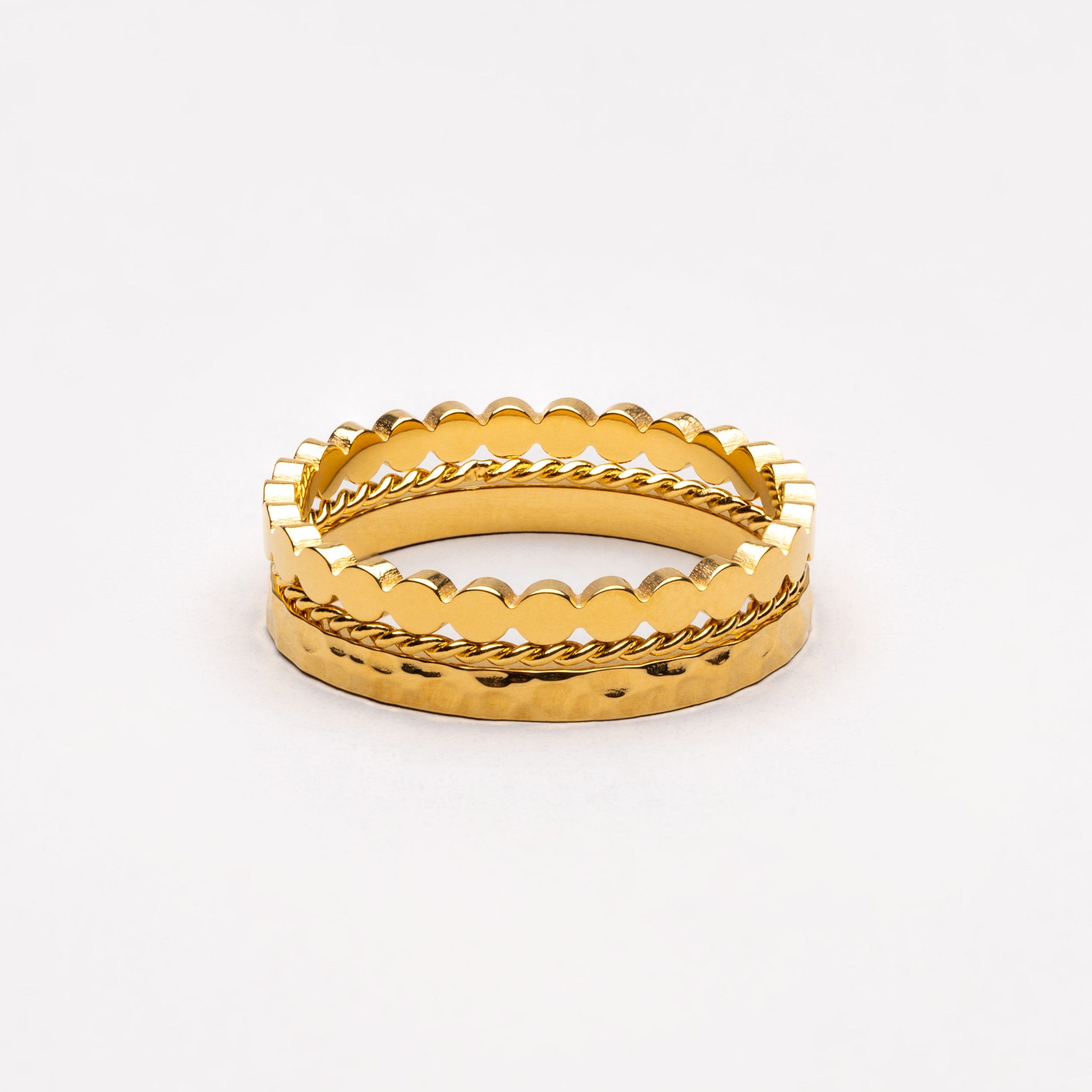
Gold plated is one of the most common terms in jewelry, and one of the least well understood. Most people know it means the piece is not solid gold, but beyond that the details get vague fast. Understanding what does gold plated mean specifically, how the process works, what sits beneath the gold layer, and what that means for how long the piece lasts gives you the information to shop accurately and set the right expectations before buying. Everyday Gold Jewelry built on PVD coating takes a fundamentally different approach to the gold appearance problem. This guide covers the gold plating process in plain terms, how it compares to other gold jewelry types, what determines lifespan, and what the alternatives are for buyers who want gold tone without the replacement cycle.
What Gold Plating Actually Is
Gold plating is a process that applies a thin layer of gold onto the surface of a base metal through electroplating. The piece is submerged in a solution containing gold ions and an electric current is passed through the solution, causing the gold ions to deposit onto the surface of the base metal in a thin, even layer.
The result is a piece that looks like gold on the outside but is made from an entirely different metal on the inside. The gold layer is genuinely gold, typically 14k to 18k depending on the product, but it is present only at the surface and in a very small amount relative to the total weight of the piece.
The base metal beneath the plating is almost always brass or copper in fashion jewelry. Both are inexpensive, easy to cast and shape, and accept plating well. Neither is a precious metal, and both are reactive metals that tarnish, corrode, and cause skin discoloration when they come into direct contact with skin and moisture.
The plating layer is the only thing standing between the reactive base metal and your skin. As long as that layer remains intact, the piece looks like gold and behaves reasonably. Once the plating wears through at any point, the base metal is exposed and its reactive properties become immediately relevant.

How Thick Is Gold Plating
Gold plating thickness is measured in microns, where one micron is one millionth of a meter. This is where the practical reality of gold plating becomes clear.
Standard fashion jewelry gold plating typically runs between 0.5 and 1 micron. Higher-quality plated pieces at premium fashion price points may reach 2 to 2.5 microns. These numbers are not arbitrary: they represent the economically viable range for applying gold plating while keeping the piece at a consumer accessible price. More gold means a higher manufacturing cost, which gets passed on directly to retail price.
To visualize how thin this is: a human hair is approximately 70 microns in diameter. Standard gold plating at 0.5 microns is roughly 140 times thinner than a single human hair. It is a surface deposit rather than a structural layer.
At that thickness, the gold layer has no meaningful mechanical durability against friction. Ring shanks, bracelet clasps, necklace chain links, and earring posts, the highest-friction points on any piece of jewelry, wear through that layer in weeks to months of daily use. The gold appearance begins to fade at those points first, which is why plated pieces often look worn and patchy well before they look uniformly dull.

What Does Gold Plated Mean for Different Jewelry Types
The lifespan of a gold-plated piece varies significantly depending on which type of jewelry it is and where the highest friction points occur.
| Jewelry Type | Highest Friction Point | Typical Plating Lifespan (Daily Wear) |
|---|---|---|
| Ring | Inner shank, knuckle contact | 1 to 3 months |
| Bracelet | Clasp, skin-contact underside | 2 to 5 months |
| Necklace chain | Clasp, link joins | 3 to 8 months |
| Earring | Post, butterfly back | 2 to 4 months |
| Pendant | Bail, surface contact area | 4 to 12 months |
Rings fail fastest because the inner shank is in constant friction contact with the finger through all hand movements. The plating there wears through first, exposing the brass base to direct skin contact, which produces the green finger staining most people have experienced from fashion rings. The outer face of the ring, which has less friction contact, may still appear gold while the shank interior has already failed completely.
Pendants last longest because their primary surface faces outward with minimal friction contact, and the bail experiences less wear than a clasp or ring shank. However, the chain the pendant sits on faces the same high-friction conditions as any other chain.

Gold Plated vs Gold Filled vs Solid Gold
These three terms describe fundamentally different constructions that are frequently confused in jewelry marketing.
Gold plated applies a thin gold layer (typically 0.5 to 2.5 microns) over a base metal through electroplating. The gold content is a small fraction of total weight. The base metal is usually brass or copper.
Gold filled bonds a thicker gold layer to a base metal core through heat and pressure. US regulations require the gold layer in gold-filled pieces to represent at least 5% of the total weight. The resulting layer is significantly thicker than electroplating, typically 50 to 100 microns. Gold-filled pieces last substantially longer than plated pieces under daily wear: one to five years rather than weeks to months. The base metal is still typically brass, which becomes relevant at the highest-friction wear points over time.
Solid gold is gold alloy throughout the entire piece. At 14k, the alloy is 58.5% gold by weight. There is no base metal and no plating layer. Solid gold does not tarnish, does not wear through to reveal a different metal, and holds its appearance indefinitely. Its limitation is price: solid gold jewelry sits at a cost that most buyers are not working with for everyday active wear pieces.
The practical hierarchy runs from fastest to slowest degradation: gold plated, then gold filled, then solid gold. The price hierarchy runs in the same direction. For buyers who want gold appearance that holds through daily active wear without fine jewelry prices, neither gold plated nor gold filled provides the ideal answer.
Why Gold Plating Tarnishes and What to Do About It
Gold plating itself does not tarnish: gold is chemically inert and does not react with air, moisture, or skin chemistry. The tarnishing that people associate with gold-plated jewelry comes from the base metal beneath the plating, not from the gold layer.
Two things cause the tarnishing and discoloration:
Plating wear exposing the base. As the gold layer wears through at friction points, copper or brass is exposed to skin, sweat, and air simultaneously. Copper reacts with skin acids and moisture to form copper carbonate, the green compound that stains skin. Brass, which is primarily copper, produces the same reaction. This is not tarnishing of the gold. It is corrosion of the base metal that was always present beneath it.
Moisture and sweat penetration. Even before the plating visibly wears through, moisture and sweat can penetrate the plating through micro-thin areas and edge points, beginning the corrosion reaction from beneath. This is why pieces sometimes look fine on the outside but cause skin discoloration before any visible plating failure appears.
Extending the life of gold-plated jewelry involves limiting the conditions that accelerate plating wear: removing pieces before showers, swimming, and gym sessions, applying perfume and skincare products before putting jewelry on, and storing pieces in dry conditions away from humidity. These practices slow the degradation but do not prevent it, because the friction from daily wear continues regardless of moisture management.
Frequently Asked Questions
Is gold plated real gold?
Gold plating uses real gold in the surface layer, typically 14k to 18k gold. However, the amount of gold is extremely small: a layer between 0.5 and 2.5 microns thick over a brass or copper base. The piece is not solid gold and has no significant gold content by weight. The term real gold describes the plating layer's composition, not the piece as a whole.
How long does gold plating last?
Gold plating on fashion jewelry typically lasts between one and twelve months of daily wear depending on the piece type and how much friction and moisture contact it encounters. Rings and earring posts fail fastest, within one to three months of daily wear. Pendants with minimal friction contact can last up to a year. Water exposure, sweat, and skincare products accelerate plating degradation at all contact points.
Does gold plated jewelry tarnish?
The gold layer itself does not tarnish. The tarnishing and green discoloration associated with gold-plated jewelry comes from the reactive base metal beneath the plating, typically copper or brass, which is exposed as the plating wears through. Once that exposure occurs, the base metal reacts with skin, sweat, and air to produce discoloration that is often described as tarnishing but is technically corrosion of the base metal.
What is the difference between gold plated and gold filled?
Gold-filled jewelry bonds a gold layer representing at least 5% of the total piece weight to a brass core through heat and pressure. That layer is significantly thicker than electroplating: 50 to 100 microns versus 0.5 to 2.5 microns for standard plating. Gold-filled pieces last substantially longer under daily wear, typically one to five years before the brass core becomes relevant at friction points. Standard gold-plated pieces typically last weeks to months.
Can you shower with gold plated jewelry?
Showering with gold-plated jewelry accelerates plating degradation significantly. The combination of steam, hot water, and soap compounds weakens the adhesion between the gold layer and the base metal through thermal cycling and chemical contact. Daily shower wear reduces the lifespan of a gold-plated piece from months to weeks. Removing gold-plated jewelry before showering is the most effective single habit for extending its life.
Conclusion
What does gold plated mean in practical terms is a thin gold surface layer, typically 0.5 to 2.5 microns, applied over a reactive base metal through electroplating. The gold layer looks the part but has a finite lifespan measured in months of daily wear before friction exposes the base metal beneath it. Gold filled lasts longer than plating, and solid gold lasts indefinitely, but neither bridges the gap between accessible price and genuine daily active wear durability the way PVD coating over stainless steel does. Understanding the construction behind any gold-tone piece at the point of purchase is what determines whether it lasts a season or several years.









コメントを書く
このサイトはhCaptchaによって保護されており、hCaptchaプライバシーポリシーおよび利用規約が適用されます。