

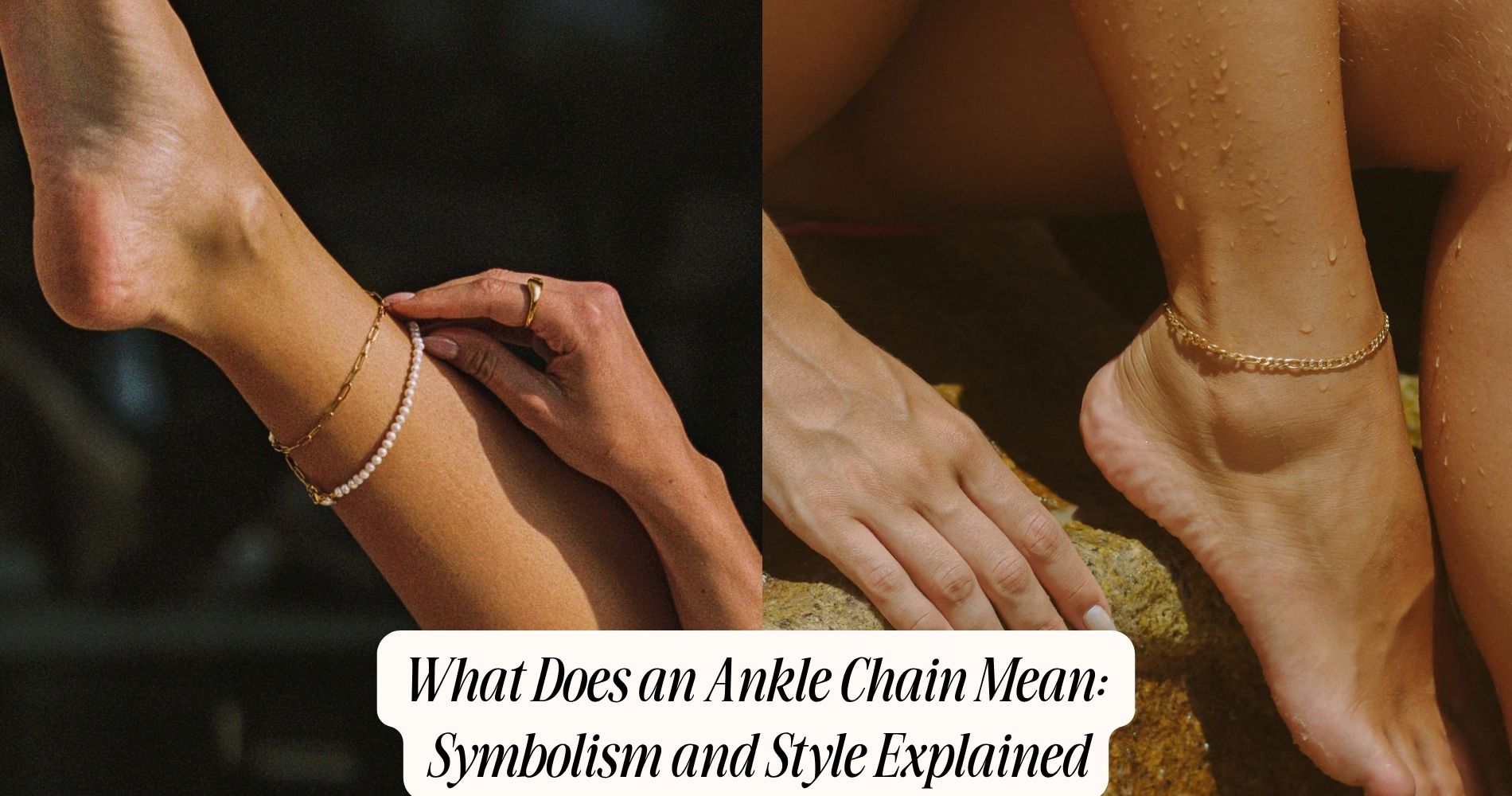
What Does an Ankle Chain Mean: Symbolism and Style Explained
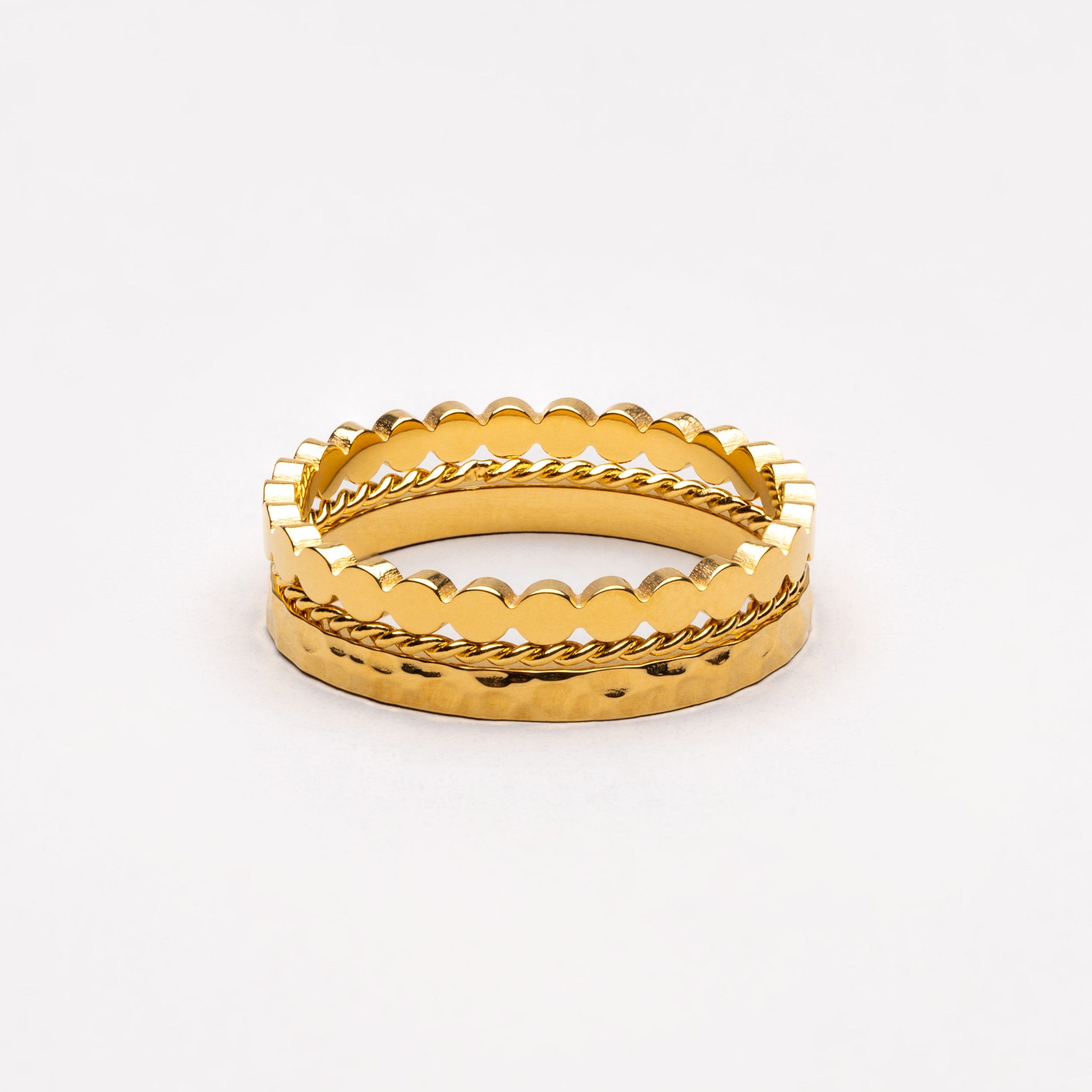
What does an ankle chain mean? An ankle chain signals more than style—you’re wearing a story. It can reflect status, culture, romance, protection, or playful sensuality through details like charms, bells, coins, and materials. Minimal chains suggest modern elegance, while ghungroo or beaded designs express tradition and ritual. Gold can feel enduring, leather more intimate, and thread styles often represent community. How you wear it—snug or layered—shapes the message. Modern pieces like those in the Waterproof Anklets collection make it easy to express these meanings in everyday style while keeping your jewelry durable and versatile.
What Is an Anklet : Forms & Reasons
Anklets—delicate chains, beaded strands, or chunky cuffs—sit at the intersection of jewelry and personality, letting you signal mood, culture, or season with a simple twist of the ankle.
You choose anklet types to match function and vibe: minimalist chains for everyday polish, charm-laden pieces that tell a story, woven textiles for boho ease, or metallic cuffs that elevate evening wear.
They frame footwear, shorten or lengthen a silhouette, and punctuate movement.
Beyond fashion, you’ll notice cultural significance threaded through choices—materials, motifs, and placement carry meaning in communities worldwide (reserved here for overview).
When you pick an anklet, you’re curating identity: subtle, bold, or playfully transient, it completes your look.

Ancient & Historical Meanings of Anklets
Across ancient civilizations, anklets served as more than ornamentation—they marked status, ritual, and identity, and you'd catch different meanings depending on where you stood.
You'd see metal and beadwork signal wealth or marital ties, while bells and charms announced presence and warded off harm. In tombs and frescoes, anklets link to fertility rites and protective rites, their worn shapes carrying ancient symbolism about life cycles and social order.
As trade routes spread motifs, anklets became mobile statements of taste and allegiance, blending artisan technique with symbolism that travelers recognized.
You’ll notice how functional details—clasp, weight, sound—amplified cultural significance, turning a small chain into a loud, meaningful punctuation in someone's visual language.
Regional Traditions : India, Africa, Middle East, Southeast Asia
From the broad sweep of ancient meanings, regional traditions sharpened anklets into distinct cultural signatures you'll still recognize today: in India they chime with marriage and classical dance; across Africa they map lineage, age sets, and social rites; in the Middle East they blend ornament with protection and sensuality; and in Southeast Asia they fuse ceremony, craft, and everyday adornment.
You’ll notice Indian traditions favor elaborate ghungroo, filigree and ritual gifting; African symbolism uses beads, metals and movement to signal belonging and life stages; Middle Eastern customs lean toward intricate chains, amuletic touches and evening allure; while Southeast Asian styles emphasize hand-woven motifs, temple offerings and versatile pieces that move from ritual to streetwear.
Each region keeps anklets essential and culturally legible.

Common Anklet Symbols and Their Meanings
When you spot an anklet, you’re reading a compact language of symbols—bells that punctuate presence, beads that encode lineage, and charms that ward or flirt—each motif carrying a shorthand of identity and intent.
You’ll notice bells signaling rhythm and visibility, a playful nod to presence in anklet symbolism. Tiny coins or discs recall prosperity or travel, while shells and fish point to water, fertility, or coastal roots.
Knotted threads and woven patterns often signal community ties; glass beads can index age, trade, or ritual standing. Charms shaped like eyes or amulets serve as protection, and floral motifs suggest youth or romance.
Recognizing these signs helps you decode cultural significance and personal storytelling in every anklet.
How Materials Change Anklet Meaning & Value
Material choices do more than change how an anklet looks—they steer its story and social weight. When you pick gold, you signal permanence and investment; silver reads modern and versatile.
Leather or woven thread feels earthy, artisanal, intimate—perfect if you want handcrafted cool. Gemstones inject personal symbolism and price, while shells or beads evoke travel and ritual. This material significance shifts how others read your piece and how you wear it: heirloom metals suggest ceremony, lightweight fibers invite everyday play.
You should also consider cultural perceptions—some materials carry sacred or regional meanings, so context matters.
Choose with intention: material ties aesthetics to identity, value, and the narratives you want to wear.
Anklets in Western Fashion & Subcultures
Although anklets have cycled through mainstream trends and niche scenes, you'll find them acting as a quiet badge across Western fashion and subcultures—playful on festival-goers, rebellious on punk kids, sensual in beachwear, and polished in minimalist street style.
You spot bohemian influence in braided cords, shells, and layered charms that sway with movement, while punk aesthetics favor chunky chains, safety-pin motifs, and deliberate tarnish.
Vintage revival brings heirloom lockets and Art Deco filigree, reworking past silhouettes into contemporary looks.
Celebrity trends amplify these mixes—one red-carpet moment can pivot a subtle anklet into must-have status.
You read style as social code: small, intentional, and versatile, an accessory that signals taste, affiliation, and a wink of personal flair.
Choosing an Anklet: Status, Protection, Sensuality, Playfulness
Having skimmed the way anklets read as social signals, you can now pick one that matches the story you want to tell—status, protection, sensuality, or playfulness.
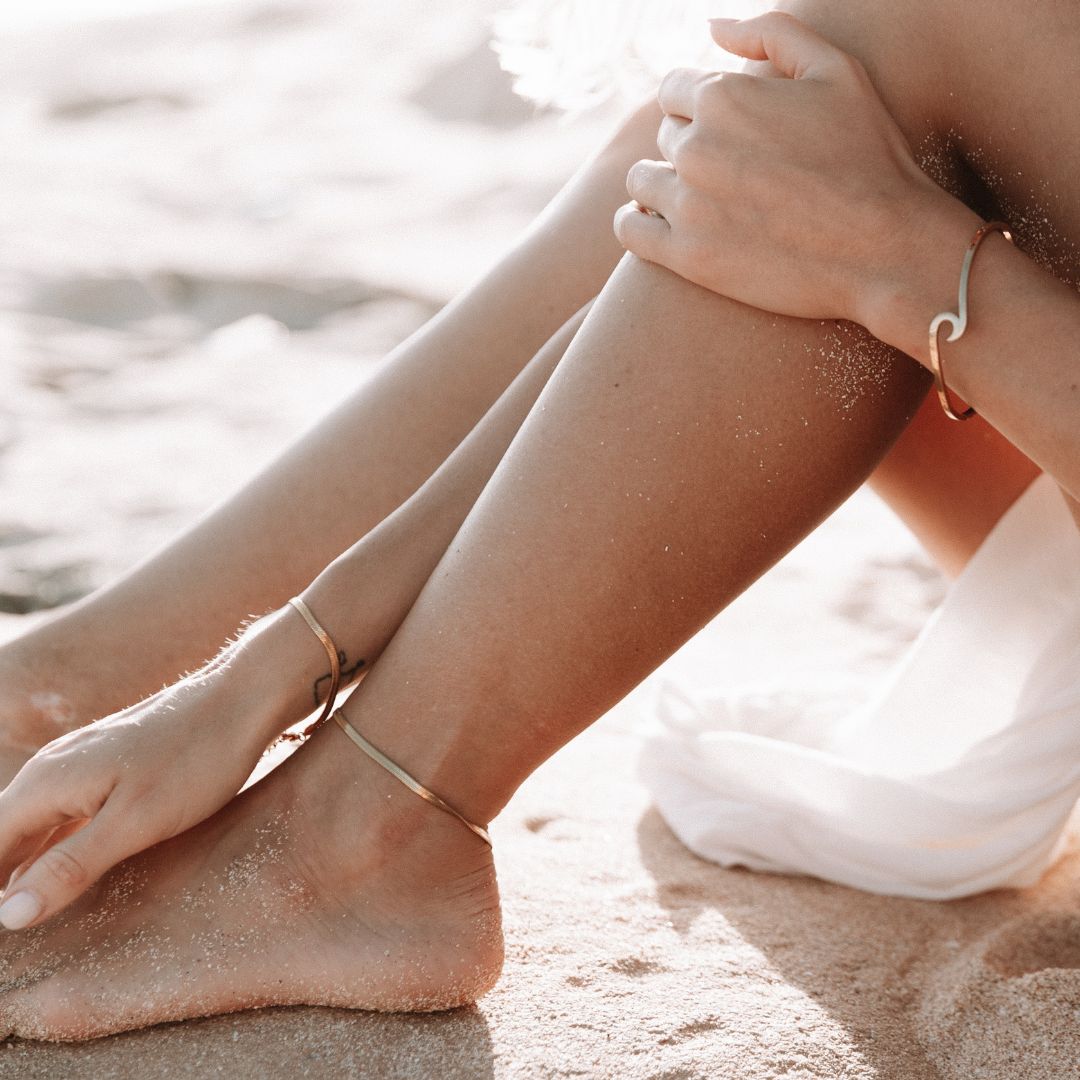
Choose a slim gold chain or a gemstone charm if you want status; it reads polished and modern while nodding to romantic significance in intimate contexts.
For protection, consider talismans, bells, or woven cords that reference cultural variations and ancestral meanings without gimmickry.
If sensuality is the aim, a delicate, slightly loose chain that catches light suggests movement and intent.
For playfulness, layer colorful beads, shells, or asymmetrical charms that wink rather than declare.
Let material, weight, and symbol speak clearly so your anklet becomes a deliberate, stylish message.
How to Style Anklets for Occasions and Outfits
When you pick an anklet, think about the scene you're stepping into—work, weekend, or a night out—and make it part of the outfit's choreography.
For the office, choose a subtle chain or slim gold band that echoes your jewelry palette; you want polish, not distraction.
On weekends, play with charm anklets or layered mixed metals to reflect relaxed, playful anklet trends that pair with sandals or cropped jeans.
For evenings, pick a statement piece—sparkling charms or a cuff—that catches light against heels or bare ankles.
Match textures and tones to footwear and hem lengths, and let seasonal styles guide fabric and metal choices: lightweight beads in summer, richer links in fall.
Keep the look intentional, not accidental.
Fit, Layering, and Care for Anklets
Now that you’ve matched anklets to occasions, it helps to think about fit, layering, and care so your pieces look intentional every time you wear them. Aim for an anklet fit that’s snug enough to sit flat but loose enough to move without pinching; measure your ankle and add 1–2 cm for comfort.
Use layering techniques to mix textures—thin chains with a beaded strand or a charm piece—to create depth without bulk. Alternate metals thoughtfully for contrast, and let one statement anklet anchor the look.
For longevity, follow simple care tips: remove before swimming or sleeping, wipe with a soft cloth, and store flat to avoid kinks. Treat anklets like footwear accessories—they finish your look.

Buying an Anklet: Budget, Authenticity, and Ethics
Curious how to balance price, provenance, and principles when buying an anklet? You’ll want clear budget considerations up front—set a realistic range so you don’t compromise quality for trendiness.
Prioritize ethical sourcing: choose sellers who disclose materials, labor conditions, and supply chains. Run authenticity checks by looking for hallmarks, testing metals, and requesting certificates; reputable boutiques welcome scrutiny.
Match purchases to your style preferences—delicate gold chains, beaded strands, or statement cuffs—and think about longevity versus seasonal fun. Consider secondhand or vintage for unique pieces with lower environmental impact.
Finally, ask questions, read reviews, and favor transparent brands; that way your anklet feels good, looks current, and aligns with your values without breaking the bank.
Frequently Asked Questions
Can Anklets Cause Allergic Reactions or Skin Irritation?
Yes — you can get reactions. If you’ve metal allergies or heightened skin sensitivity, choose hypoallergenic metals, consider material choice like gold, titanium, or fabric, and follow irritation prevention: clean skin, avoid tight chains, swap damp jewelry.
Are Anklets Appropriate in Professional or Conservative Workplaces?
Yes — you can wear anklets in professional settings, but choose subtle anklet styles, like slim metal chains or neutral leather, that complement tailored outfits; avoid loud charms or bulk, keeping your look polished and trend-aware.
Can Men Wear Anklets Without Cultural Appropriation Concerns?
Yes — you can wear anklets respectfully: know fashion history, honor cultural significance, avoid sacred symbols, credit origins, choose contemporary designs, and stay mindful of contexts so your style reads informed, confident, and trend-aware rather than appropriative.
How Do Ankle Tattoos Interact With Anklet Symbolism?
You’ll find ankle tattoos can complement or contrast anklet symbolism, blending personal ankle tattoo meanings with broader cultural significance; they’ll accent style, signal intent, or spark conversation, so choose designs that respect traditions and express you.
Do Anklets Affect Foot or Ankle Swelling During Pregnancy?
Yes — you’ll want anklet comfort first; tight chains can worsen swelling. Choose loose, stretchy, or removable styles to aid swelling management, and pick lightweight, breathable metals so your ankles stay stylish and safer as they expand.
Conclusion
An anklet isn’t just jewelry—it’s a quiet statement you wear. Whether you pick a heirloom silver payal, a beaded tribal cuff, or a minimalist gold chain, you’re choosing signals: heritage, status, protection, flirtation, or pure play. Mix materials, layer thoughtfully, and match mood to occasion. Buy ethically, fit it right, and care for it. Let your anklet be the small, stylish punctuation that completes your outfit and tells your story.









コメントを書く
このサイトはhCaptchaによって保護されており、hCaptchaプライバシーポリシーおよび利用規約が適用されます。