

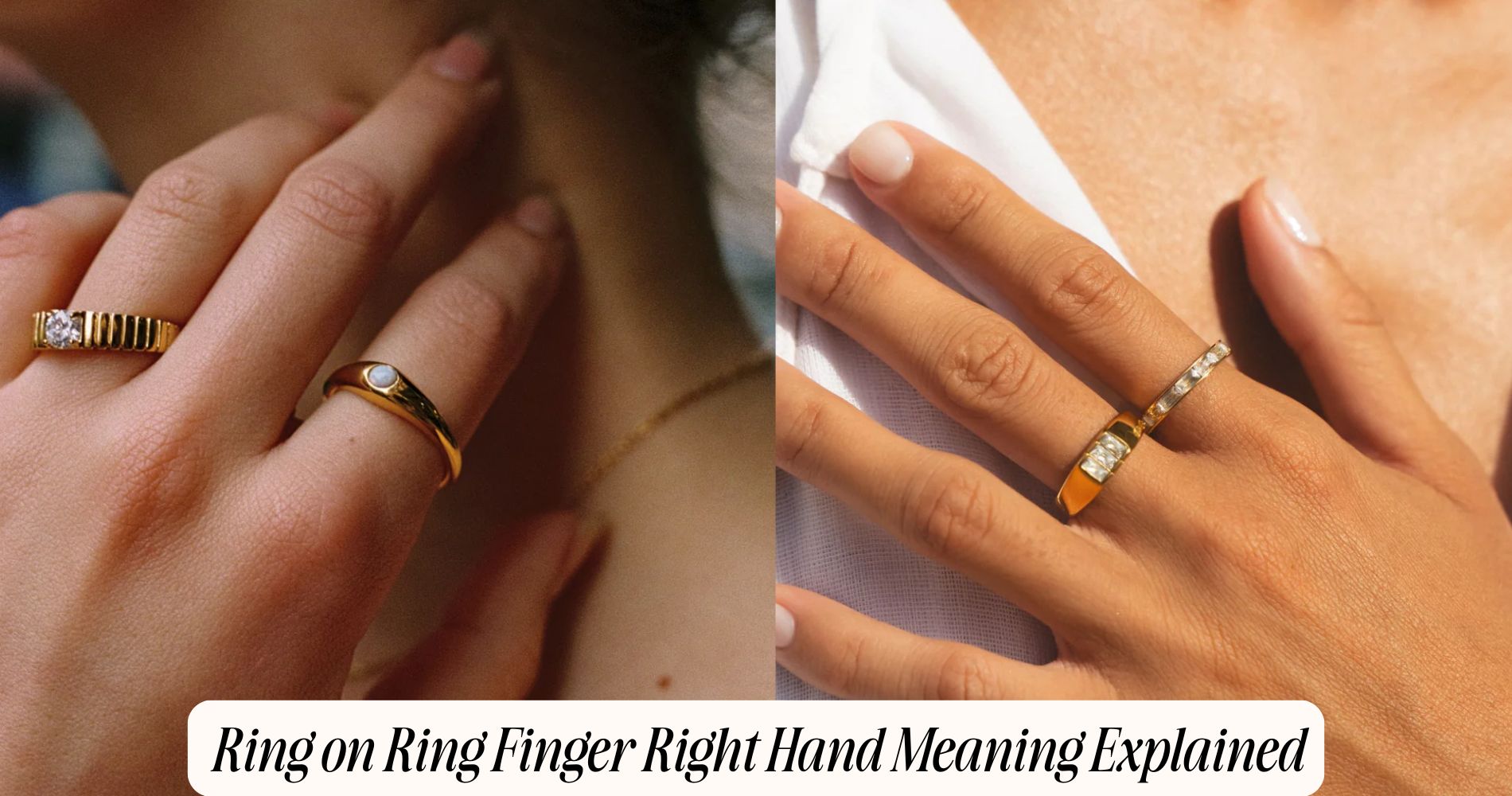
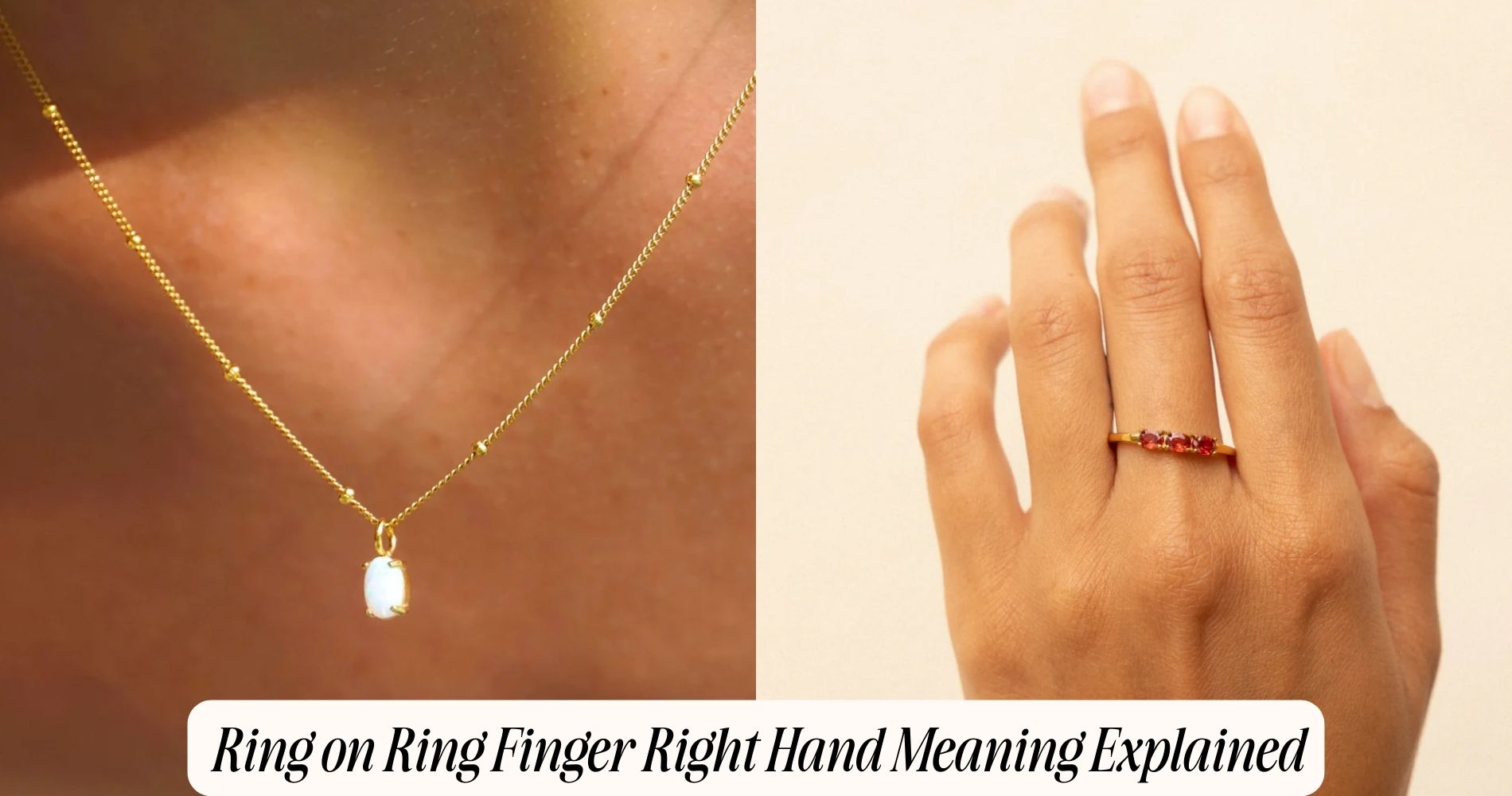
Ring on Ring Finger Right Hand Meaning Explained
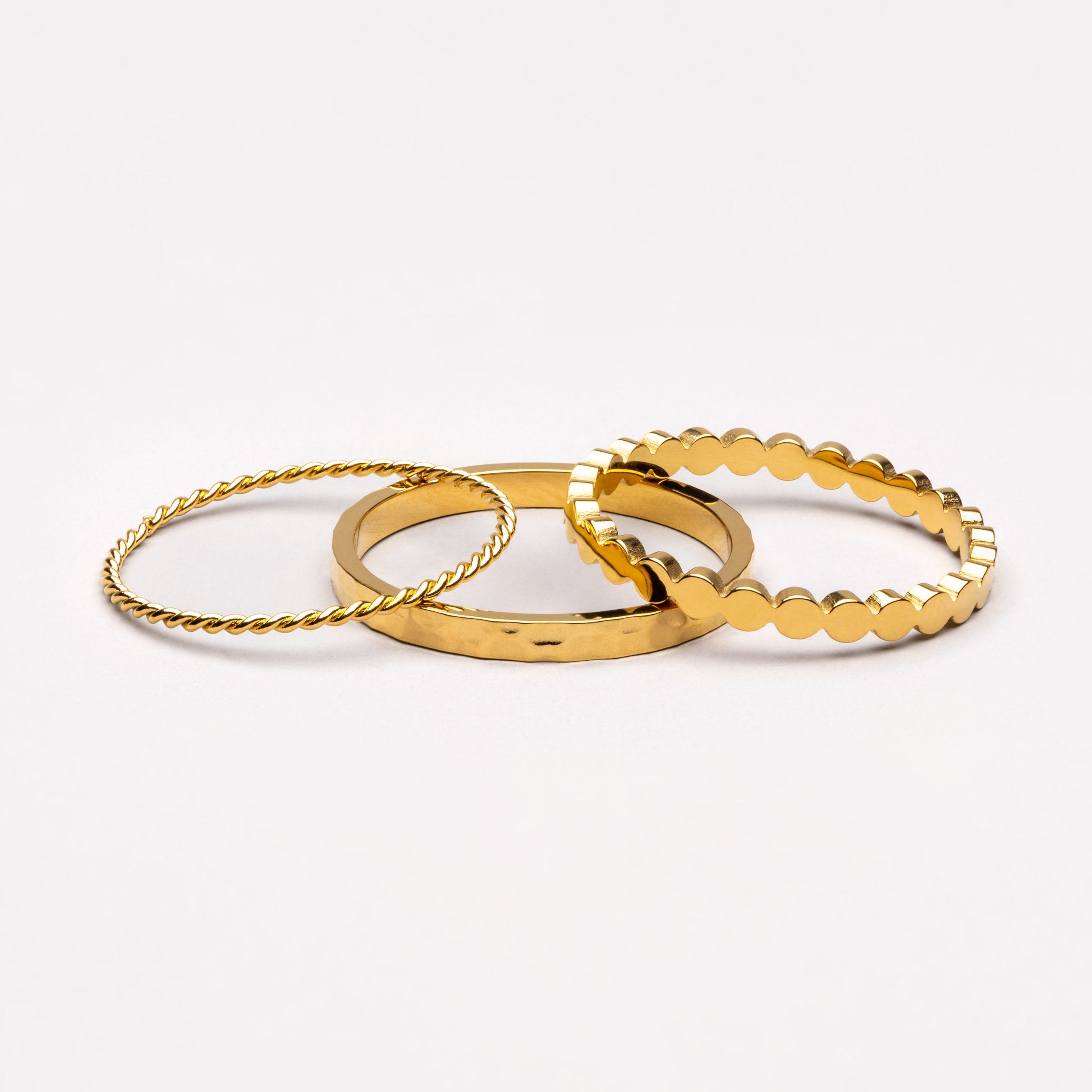
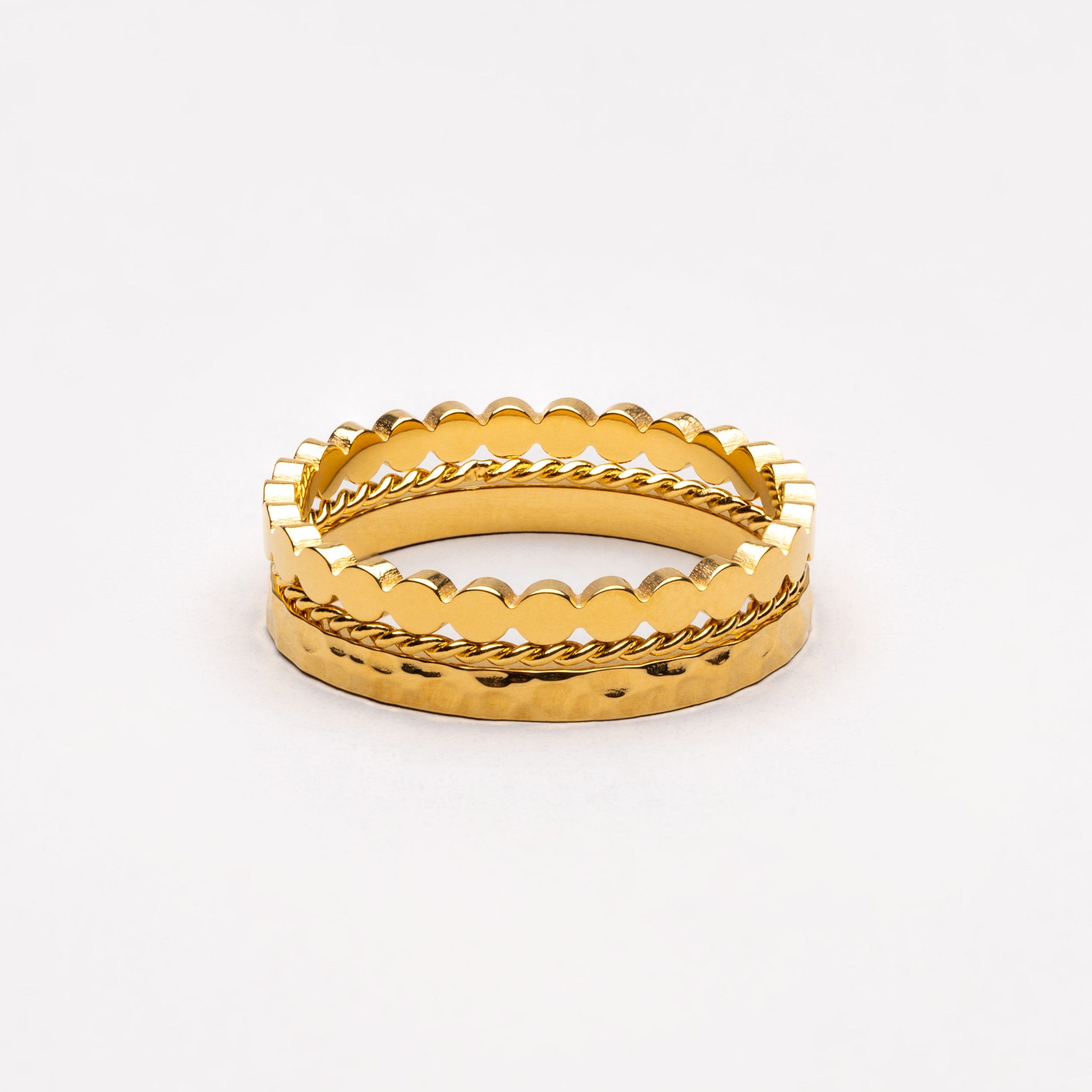
The ring on ring finger right hand meaning varies widely by culture, belief, and personal intent. In Russia, Greece, and much of Eastern and Central Europe, it traditionally signals engagement or marriage, while in parts of Scandinavia and Latin America it may be switched after the wedding ceremony. In North America, wearing a ring on this finger is often a style choice, a self-purchase, or a symbol of independence. Some Christians and Jews use it to represent faith or a covenant, while others wear it to mark promises, purity, friendship, or anniversaries. Choosing a clean, versatile piece like Minimalist Gold Rings lets you express these meanings with subtlety and elegance. Context—culture, religion, and your own intention—ultimately defines the message, and the nuances only get richer from here.
Cultural Meanings Around the World
Although the “ring finger” often signals marriage in Western contexts, its meaning shifts across cultures and faiths.
When you wear a ring on the right-hand ring finger, you navigate cultural significance shaped by regional variations, history, and social norms. In much of Eastern and Central Europe, the right hand marks engagement or marriage due to longstanding civil traditions (e.g., Germany, Poland, Hungary).
In parts of Scandinavia, couples may place engagement rings on the right hand, then switch bands after the ceremony. In Latin America, right-hand placement can indicate engagement before moving the band post-wedding.
Russia and Greece also favor the right hand for marital markers rooted in national custom.
In contemporary North America, a right-hand ring often signals personal style, status, or self-commitment rather than marital status.

Religious and Spiritual Symbolism
Beyond regional custom, faith traditions give the right-hand ring finger layered meaning. In Eastern Orthodoxy, you may see rings worn on the right to honor the hand used for blessings and sign of the cross (Ware, The Orthodox Church).
Some Catholics and Anglicans place devotional rings on the right to signify dedication to prayer or a patron saint (Catechism; Church of England guidance).
In Judaism, halachic sources note the right hand as symbolizing strength and mercy; some use right-hand jewelry to mark covenantal awareness outside liturgical contexts (Exodus Rabbah; Shulchan Aruch references).
If your spiritual beliefs emphasize divine action, the right hand often represents power and favor (Psalm 118:15–16; Isaiah 41:10).
Consequently, your ring can function as a daily mnemonic, aligning religious practices with inward intention.
Right-Hand Rings in Marriage and Commitment
Whether you’re marking a milestone or defining your own vows, a ring on the right-hand ring finger can signal commitment without mirroring a traditional left-hand wedding band. You might use it to honor an engagement, mark a civil partnership, or signify vows renewed, especially in cultures where the right hand holds wedding status (e.g., Germany, Norway, and parts of Eastern Europe; see Jones 2018, Cultural Jewelry Practices).
This placement lets you display marriage symbolism while keeping professional or cultural norms intact.
You can also treat the right-hand ring as one of several commitment alternatives: a promise ring, an anniversary band, or a post-ceremony upgrade that complements the left-hand set (Smith 2020, Modern Betrothal Customs).
Choose metals, stones, or engravings that map to shared dates, values, or rituals for clear, consistent meaning.
Self-Purchase and Statements of Independence
Even when no ceremony prompts it, choosing a ring for your right-hand ring finger can mark autonomy, achievement, and financial self-determination. You signal that you set goals, met them, and decided how to commemorate them.
As historians note, right-hand rings gained prominence during 20th‑century waves of women’s economic advancement, when self empowerment jewelry became a visible shorthand for agency and earned success. Jewelry scholars also link the right hand to action and capability, reinforcing the message of authorship over your life.
You might select a gemstone tied to milestones—birthstones, career anniversaries, or degrees—or opt for minimalist metals that center personal expression over status.
Buy from designers who document sourcing and craftsmanship; provenance supports your narrative with verifiable detail. In short, you choose, fund, and frame the meaning.

Promise, Purity, and Friendship Rings
Although traditions vary across cultures, wearing a promise, purity, or friendship ring on the right-hand ring finger typically signals commitment without implying legal engagement. You use this placement to communicate intention: promise rings often mark exclusivity or a step toward future commitment, while purity symbols indicate personal or faith-based vows of abstinence or values alignment (see sociocultural studies on courtship signaling and religious rites).
Friendship tokens represent enduring bonds without romantic obligations, a convention noted in contemporary jewelry anthropology and consumer behavior research.
Choose metals and stones that reinforce the message—subtle bands for discretion, birthstones for personalization, inscriptions for clarity. You can stack these as meaningful jewelry, but keep designs distinct from bridal styles to avoid confusion.
When asked, explain the vow succinctly; transparent communication prevents misinterpretation and respects your boundaries.
Family Heritage and Heirloom Traditions
Because the right-hand ring finger often hosts non-marital symbols, placing a family heirloom there signals lineage and continuity rather than engagement. You honor family traditions by wearing a grandmother’s band, a father’s signet resized for you, or a culturally specific ring marking ancestry.
In many European and Middle Eastern contexts, the right-hand ring denotes heritage or religious milestones, so its heirloom significance is read as memory, not matrimony.
You also act as a caretaker: you preserve metal, stones, and inscriptions, document provenance, and note who wore it and when.
If the ring originated as a dowry token or rite-of-passage gift, you’re acknowledging that history publicly. When relatives notice the placement, they recognize your intent—stewardship, not promise.
You’re effectively archiving your lineage in plain sight.
Fashion, Status, and Personal Style
While marriage lore often centers on the left hand, the right-hand ring finger reads as a style statement—telegraphing taste, status, and curation. You use it to signal fluency in fashion trends without invoking marital codes.
In menswear, a bold signet or minimalist band nods to heritage luxury (think Cartier’s Tank-era ethos) while remaining contemporary. In womenswear, stacking a cocktail ring with a sleek band reads as directional, a move echoed in runway styling and retail editorials.
Because the right hand is your “public” hand—shaking, gesturing, holding a glass—it amplifies visibility, making materials and cut matter. Precious metals imply affluence; sculptural silver suggests design literacy.
Gem choices communicate mood and persona, from saturated color to icy restraint. In short, your ring becomes a portable résumé of taste.
How to Choose the Right-Hand Ring for Your Message
You’ve seen how a right-hand ring telegraphs taste; now choose one that says exactly what you want. Start by defining your message—achievement, independence, or heritage—and let that guide design considerations.
Bold signets read authoritative; asymmetric silhouettes feel creative; slender bands signal restraint. Calibrate scale to your hand: broader fingers balance wider shanks; smaller hands favor low profiles for comfort and daily wear.
Prioritize gemstone selection for symbolism and durability. Diamonds denote resolve (Mohs 10), sapphires loyalty (Mohs 9), emeralds renewal but require protective settings.
Consider cut and color: step cuts project clarity; saturated hues command attention. Match metal to skin tone and context—yellow gold for warmth, platinum for modern gravitas.
Finally, verify craftsmanship, hallmarks, and ethical sourcing to align aesthetics with values.

Frequently Asked Questions
Does Wearing a Right-Hand Ring Affect Job Interviews or Workplace Perceptions?
Yes, it can subtly influence job perception and interview bias. You’ll face assumptions about relationship status or culture, though evidence is mixed. Minimize distraction: choose simple designs, align with company norms, and explain significance only if asked. Sources: SHRM, CIPD.
Are There Regional Laws Regulating Ring Symbolism or Misrepresentation?
Yes. You’ll rarely face laws on ring symbolism, but regional customs matter. Legal implications arise under fraud, impersonation, or protected insignia misuse (e.g., military, medical, law enforcement). Check local statutes and professional codes; enforcement varies by jurisdiction.
How Do Lgbtq+ Communities Interpret Right-Hand Ring Placement Today?
You’ll see right-hand rings interpreted as signaling queer identity, solidarity, or nuanced relationship status. You shouldn’t assume universally; meanings vary by locale and subculture (e.g., lesbian butch/femme histories). Contemporary sources note personal expression outweighs rigid codes; always ask respectfully.
Can Smart or Nfc-Enabled Rings Change Traditional Symbolism?
Yes—you’re witnessing it. As smart ring technology adds identity, payment, and health functions, nfc ring symbolism shifts from marital cues toward utility and status signaling, paralleling smartphone norms (e.g., Apple Pay, WHOOP data paradigms), not erasing tradition.
What Etiquette Applies When Someone Misreads Your Ring’s Meaning?
You acknowledge the confusion, then clarify succinctly. Use ring etiquette: thank them, explain the ring’s significance, and correct assumptions. Keep misinterpretation responses polite, consistent, and boundary-respecting. If pressed, repeat your stance or disengage. Source: general social etiquette norms.
Conclusion
By now, you see a right-hand ring isn’t just an accessory—it’s a message. Whether you’re signaling cultural roots, faith, commitment outside convention, self-made independence, a promise, family legacy, or pure style, you’re curating meaning that fits your life. Choose materials, motifs, and placement that align with your story and local norms; verify symbols across cultures to avoid misreads (e.g., Eastern European marital customs). When in doubt, pair intention with clarity—tell people what your ring means, and wear it confidently.










コメントを書く
このサイトはhCaptchaによって保護されており、hCaptchaプライバシーポリシーおよび利用規約が適用されます。