

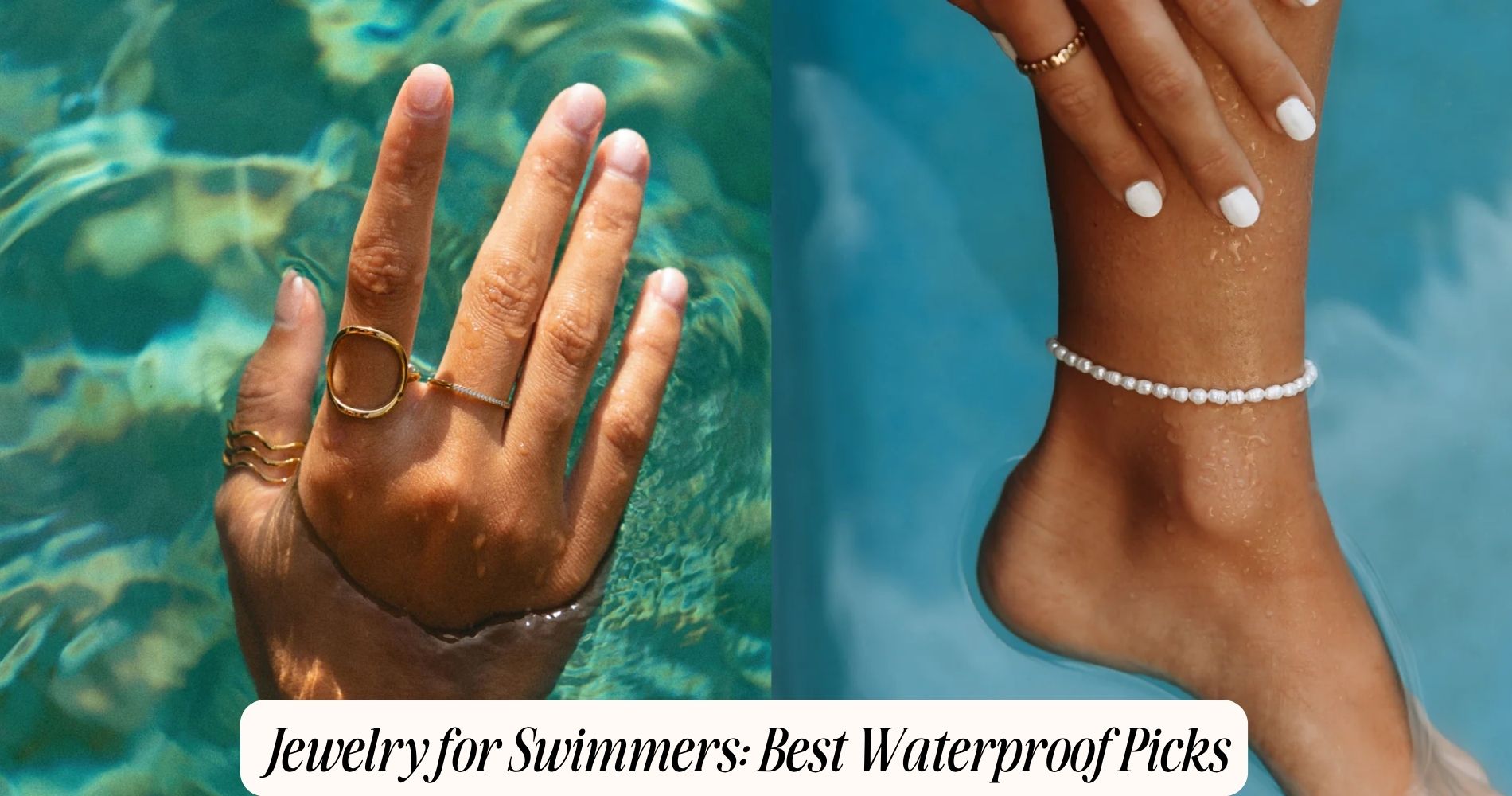
Jewelry for Swimmers: Best Waterproof Picks
Most jewelry and swimming do not mix. Chlorine strips plating, salt water accelerates tarnishing, and repeated water exposure loosens settings on pieces that were not built for it. If you swim regularly and want to keep wearing your jewelry in the water, the problem is not jewelry in general. It is the wrong materials. Jewelry for swimmers needs to meet a specific set of requirements that most fashion jewelry simply does not. Waterproof Jewelry built around those requirements makes the decision straightforward. This guide covers what those requirements are, which materials meet them, and which piece types work best for different swimming contexts.
Why Most Jewelry Fails in the Water
Understanding what water actually does to different jewelry materials makes it easier to evaluate what is worth wearing in the pool or ocean.
Chlorine is the primary problem for pool swimmers. It is a reactive chemical added to pool water specifically to break down organic compounds, and it does not distinguish between bacteria and the copper alloy base of a gold-plated bracelet. Chlorine reacts with copper and brass, the base metals used in most fashion jewelry, to produce a greenish discoloration on both the jewelry and the skin underneath it. It also attacks the bond between a plating layer and the base metal, softening it over repeated exposures until the plating lifts and peels.

Salt water creates a different set of conditions. Salt is a corrosive compound that draws moisture into metal surfaces and accelerates oxidation. Ocean swimming also involves sand abrasion and sustained immersion that concentrates the damaging effects far beyond what occasional splash exposure would produce.
Fresh water, including pool water, lake water, and tap water in the shower, carries dissolved minerals that leave deposits on jewelry surfaces as the water evaporates. Over time those deposits dull the finish and accumulate in settings and link joins.
The physical movement of swimming adds mechanical stress. A bracelet shifting repeatedly against a wrist during freestyle laps, or a necklace moving through the water with each stroke, creates friction that accelerates surface wear on any finish that is not genuinely durable.
What Makes Jewelry Genuinely Suitable for Swimmers
Not all waterproof claims are equal. A piece described as water-resistant may handle a splash or a brief rain shower. Jewelry for swimmers needs to handle sustained immersion, chemical exposure, and repeated daily wear through both pool and ocean conditions.
| Material | Chlorine Resistance | Salt Water Resistance | Finish Durability | Safe for Daily Swim Wear |
|---|---|---|---|---|
| Gold-plated brass | Poor | Poor | Low | No |
| Sterling silver | Poor | Very poor | Low | No |
| Solid gold (14k+) | Excellent | Excellent | Very high | Yes |
| Surgical steel (316L) | Very good | Very good | High | Yes |
| PVD-coated stainless steel | Excellent | Excellent | Very high | Yes |
| Titanium | Excellent | Excellent | High | Yes |
Three materials genuinely hold up through regular swim wear.
Solid gold at 14k and above does not react with chlorine, salt water, or fresh water. Gold at this karat level is inert to the chemical exposures swimmers encounter. The practical limitation is cost. Solid gold swim jewelry sits at a price point that most buyers are not working with for pieces worn through daily training sessions.
Surgical-grade stainless steel (316L) resists corrosion from both chlorine and salt water because its chromium content forms a stable oxide layer on the surface that prevents reactive compounds from reaching the metal beneath. It holds its finish through sustained water exposure without pitting, discoloring, or reacting with skin. It is the standard base metal for body jewelry worn in piercings for this reason.
PVD-coated stainless steel combines the corrosion resistance of stainless steel with a finish layer bonded at the molecular level through the Physical Vapor Deposition process. That bonding method produces a coating 10 times thicker than standard gold plating and does not have the adhesion vulnerabilities that standard plating does. The finish holds through chlorine, salt water, sweat, and daily wear without lifting, peeling, or dulling. For swimmers who want gold or silver-toned jewelry that looks consistent through months of regular use, PVD-coated stainless steel is the most practical material at an accessible price point.
Caring for Swim Jewelry Between Sessions
Even materials built for water exposure benefit from basic maintenance that extends their life and keeps them looking consistent.
Rinse the piece with clean fresh water after every pool session. Chlorine that sits on jewelry surface between swims continues its chemical work even after you are out of the water. A 30-second rinse under a tap removes the active chlorine residue before it has time to work further into any surface texture or setting.
After ocean swimming, the same rinse removes salt residue that would otherwise dry and concentrate on the surface. Salt deposits left to dry and rehydrate repeatedly with subsequent swims create cumulative surface stress even on resistant materials.
Pat dry with a soft cloth rather than leaving pieces to air dry. Tap water contains minerals that leave deposits as it evaporates, and those deposits accumulate in link joins and settings over time.
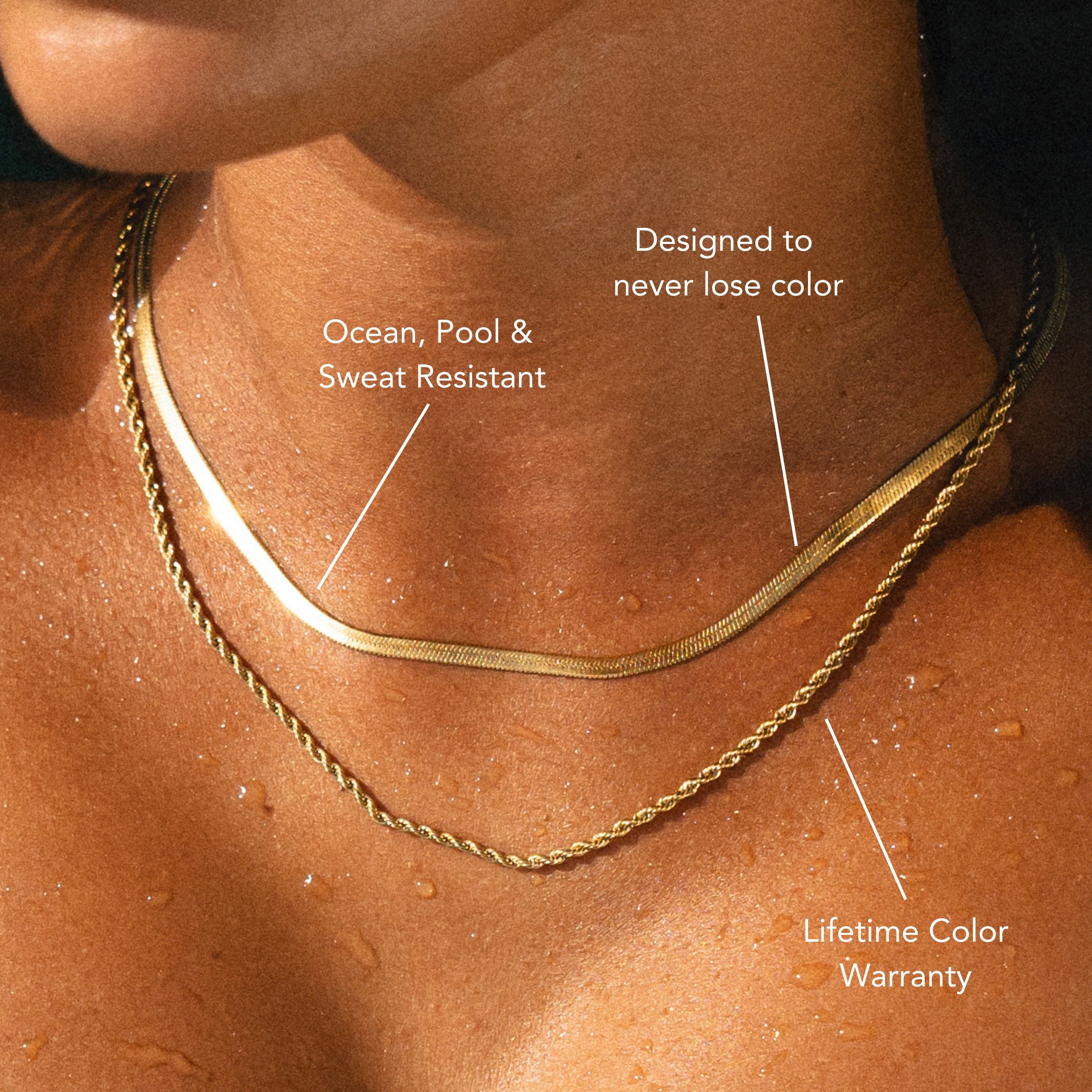
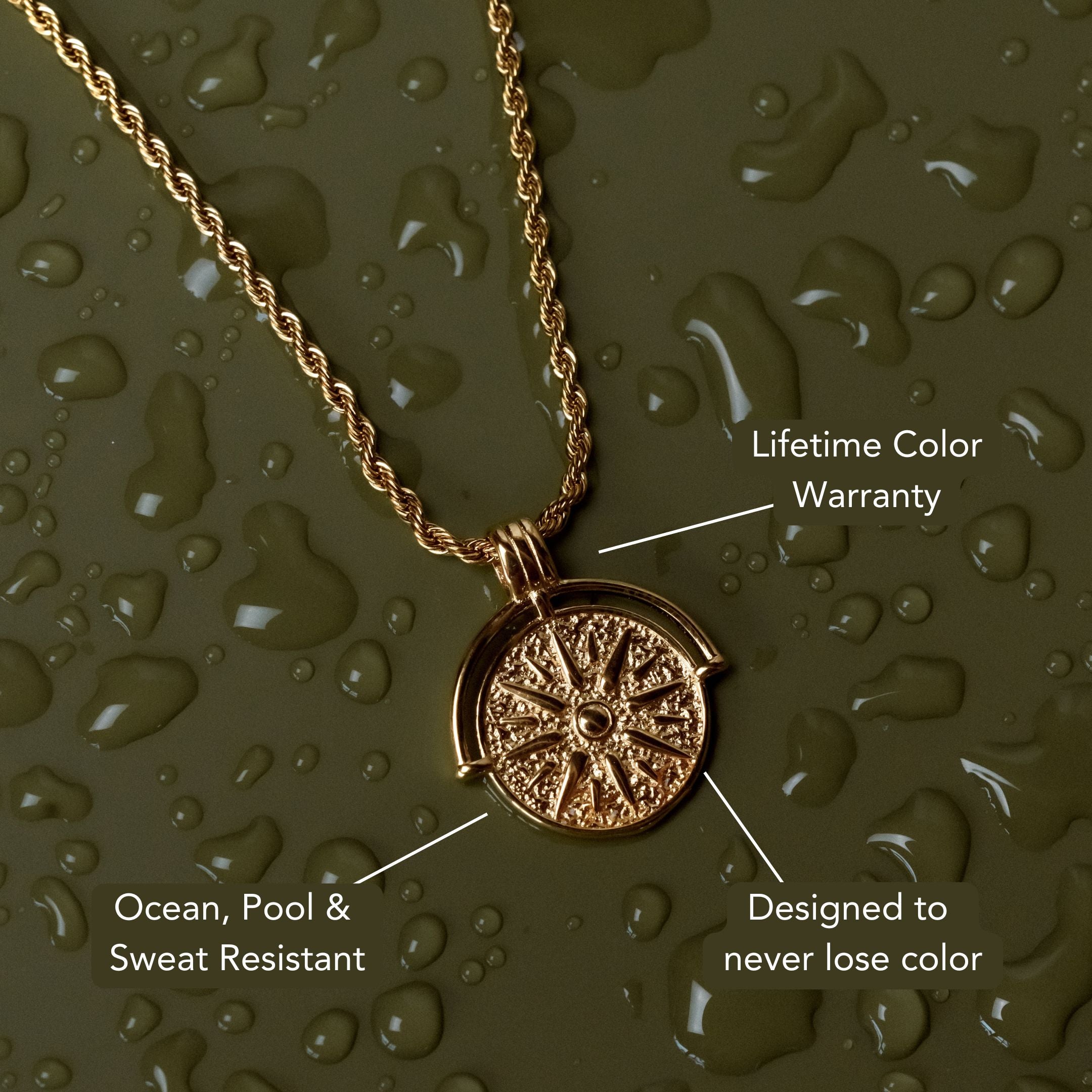
ATOLEA's waterproof range is built specifically around the conditions swimmers encounter. Each piece uses PVD-coated stainless steel construction that holds through daily pool and ocean use, with a lifetime color warranty that covers the finish regardless of how actively the piece is worn.

Frequently Asked Questions
What jewelry can you wear while swimming?
Jewelry made from PVD-coated stainless steel, solid gold at 14k and above, surgical-grade stainless steel (316L), or titanium holds up through regular swimming. These materials resist chlorine, salt water, and fresh water without corroding, tarnishing, or losing their finish. Standard gold-plated, silver-plated, and sterling silver pieces are not suitable for regular swim wear.
Can you wear a necklace while swimming laps?
Yes, if the necklace is built from a swim-safe material and the chain construction is secure. A fine box or cable chain at 16 to 18 inches with a reliable clasp sits close to the body and does not significantly interfere with movement. Avoid long pendants or heavy statement pieces that create drag or shift substantially during freestyle or backstroke.
How do you keep jewelry from turning green in the pool?
Green discoloration comes from copper-based metals reacting with chlorine. Choosing jewelry with no copper-containing base metal eliminates the reaction entirely. PVD-coated stainless steel and solid gold do not contain reactive copper alloys at a surface level and do not produce green discoloration regardless of pool exposure frequency.
Is it safe to wear earrings while swimming?
Stud earrings with secure backs are the safest earring style for swimming. The primary risks are mechanical: earrings falling out during diving or impact, and backs loosening with repeated water exposure. Screw-back or locking fittings address both risks. For regular swim training, smaller, lower-profile styles reduce water resistance and the chance of catching on a swim cap.
Conclusion
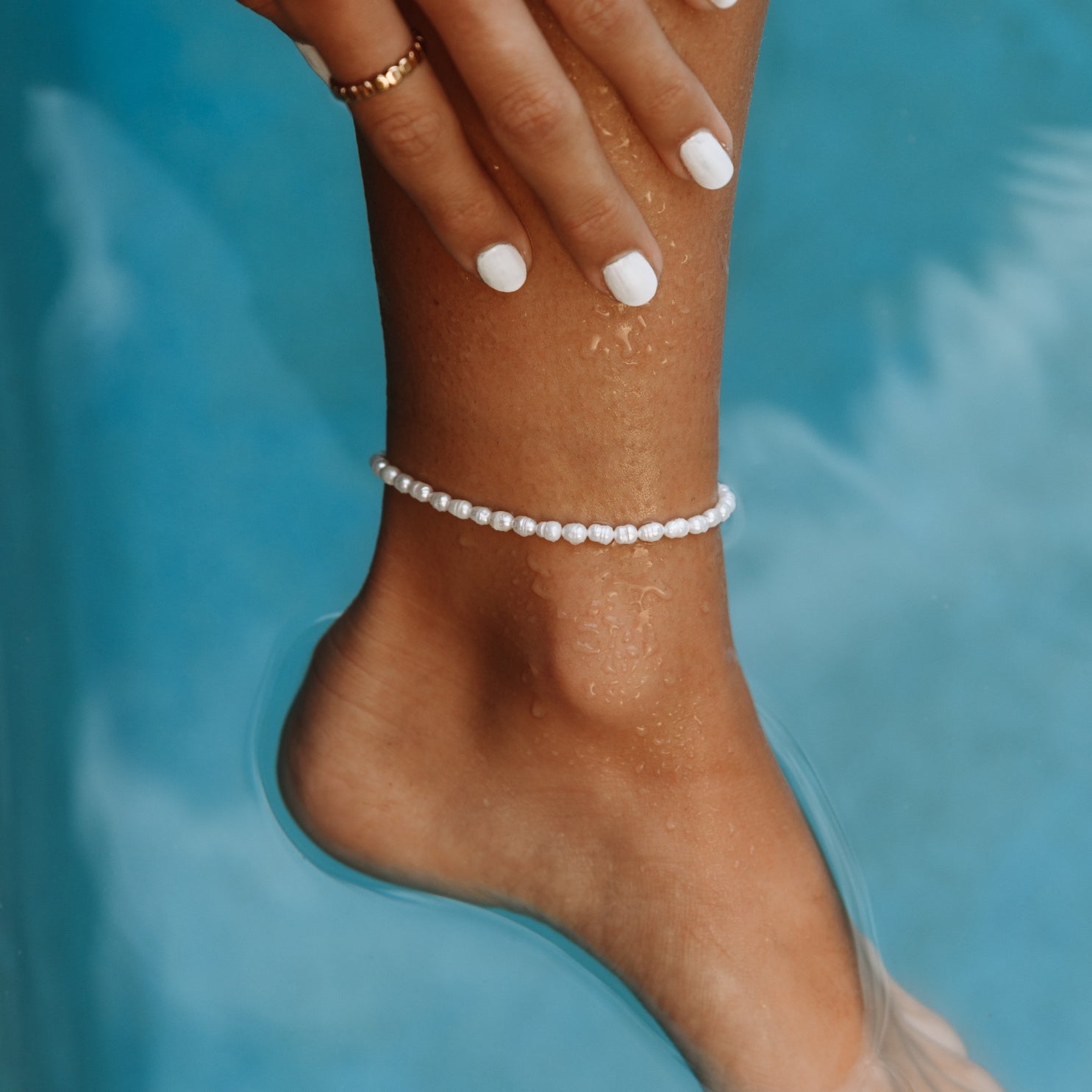
Jewelry for swimmers is a material question before it is a style question. Chlorine, salt water, and repeated immersion expose the limitations of plated fashion jewelry within weeks of regular use. Surgical-grade stainless steel, solid gold, and PVD-coated stainless steel are the three material categories that handle those conditions without requiring you to choose between wearing jewelry and getting in the water. Within those materials, studs, fine chain necklaces, fitted bracelets, and anklets are the piece types that combine best with an active swim lifestyle.











コメントを書く
このサイトはhCaptchaによって保護されており、hCaptchaプライバシーポリシーおよび利用規約が適用されます。