

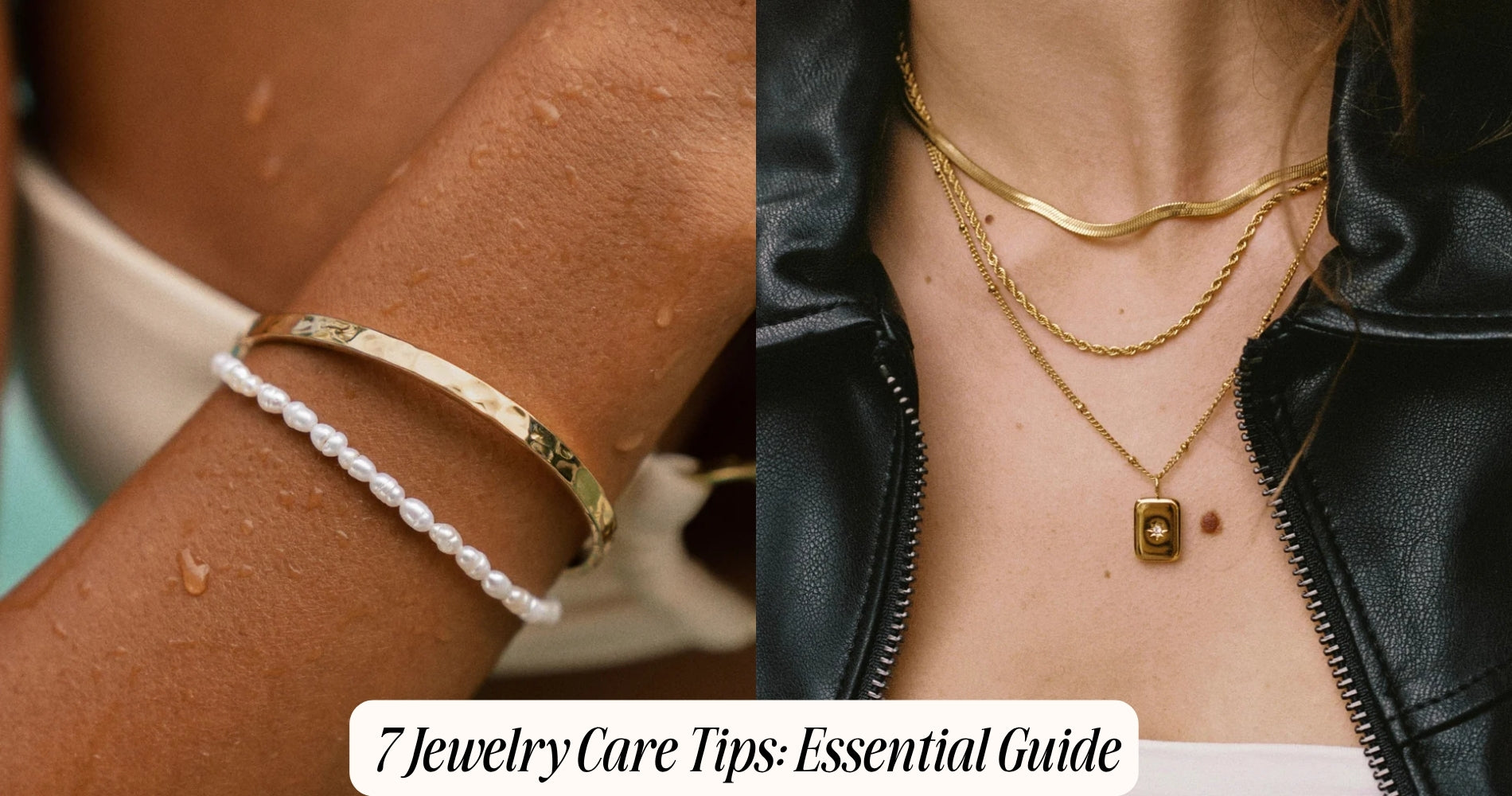
7 Jewelry Care Tips: Essential Guide
Your favorite pieces of jewelry go through a lot. They travel with you to work, the gym, the beach, and everywhere in between, quietly picking up lotion, sweat, water, and everyday wear along the way. Over time, all of that exposure can leave even beautiful jewelry looking dull, tarnished, or worn out well before it should.
The good news is that a little bit of care goes a long way. With the right habits, your jewelry can stay looking new for years, no matter how often you wear it. In this guide, we will walk through seven essential jewelry care tips, along with why choosing quality pieces, like those in our Tarnish-Free Jewelry collection, can make maintenance so much easier from the start.
1. Store Your Jewelry Properly
How you store your jewelry when you are not wearing it matters just as much as how you wear it. Tossing pieces into a drawer or a pile can lead to scratches, tangled chains, and increased exposure to air and moisture, which speeds up tarnishing.
Instead, try to store each piece separately, ideally in a soft pouch, a lined jewelry box, or individual compartments. This is especially important for necklaces and bracelets, which can easily tangle together if left loose. For pieces you do not wear often, an airtight bag or container can help slow down tarnishing even further by limiting exposure to air.
If possible, keep your jewelry away from direct sunlight and humid areas, like a bathroom shelf, since both light and moisture can accelerate discoloration over time.

2. Take Jewelry Off Before Certain Activities
While many modern pieces are designed to handle daily wear, there are still a few activities where it is smart to remove your jewelry, especially if it is not made from tarnish-resistant materials.
Consider taking jewelry off before:
- Applying lotion, perfume, or hairspray directly, since these products can build up on metal surfaces and cause dullness over time.
- Cleaning your house with harsh chemicals, which can react poorly with certain metals and finishes.
- Intense workouts or heavy lifting, where jewelry might get scratched, bent, or caught on equipment.
- Swimming in chlorinated pools, unless your jewelry is specifically designed to be chlorine-resistant, since chlorine can be particularly damaging to certain metals over time.
Being mindful of these moments can prevent a surprising amount of wear and tear, especially for pieces you plan to keep for a long time.
3. Clean Your Jewelry Regularly
Even with careful storage and mindful wear, jewelry naturally picks up oils, lotion residue, and small amounts of dirt just from daily contact with your skin. Regular cleaning helps maintain that original shine and prevents buildup from becoming permanent.
For most everyday jewelry, a simple routine works well:
- Wipe pieces down with a soft, lint-free cloth after wearing them, especially at the end of the day.
- For a deeper clean, use lukewarm water with a small amount of mild soap, gently scrubbing with a soft toothbrush if needed.
- Rinse thoroughly and dry completely before storing, since leftover moisture can contribute to tarnishing.
Avoid using paper towels or rough fabrics, which can create tiny scratches on delicate finishes over time. A soft microfiber cloth is always the safer choice.

4. Avoid Harsh Chemicals
Many everyday products contain ingredients that are surprisingly tough on jewelry, even if they seem harmless at first glance. Chlorine, bleach, ammonia, and even some perfumes and lotions can cause discoloration, weaken certain finishes, or speed up tarnishing.
To protect your pieces, try to:
- Put jewelry on after applying skincare products and perfume, rather than before, so those products have time to fully absorb into your skin first.
- Avoid direct contact with cleaning products, especially anything containing bleach or ammonia.
- Be cautious with chlorinated pools and hot tubs unless your jewelry is specifically designed to handle that kind of exposure.
Choosing high-quality, tarnish-resistant materials can significantly reduce how much these everyday chemicals affect your jewelry, giving you more freedom to wear your favorite pieces without constantly worrying about damage.
5. Be Mindful of Water Exposure
Not all water exposure is equal when it comes to jewelry care. A quick hand wash is very different from a long swim in the ocean or a hot, steamy shower. While some materials handle water exposure beautifully, others can tarnish, discolor, or weaken over repeated contact with moisture.
If your jewelry is not labeled as waterproof or water-resistant, it is generally a good idea to remove it before:
- Showering, especially with hot water and steam
- Swimming, particularly in chlorinated or salt water
- Washing dishes or doing household chores involving water
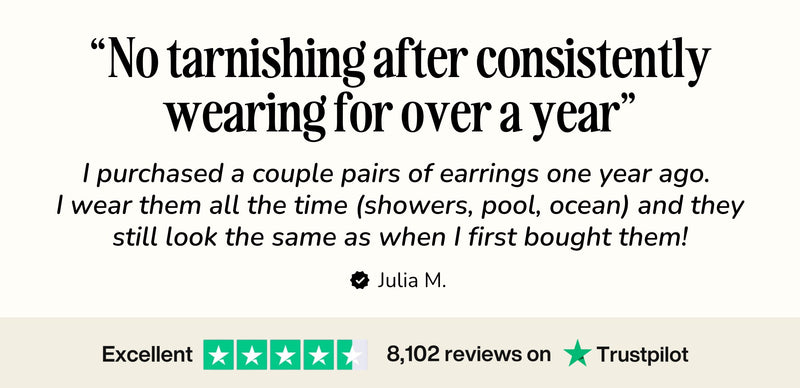
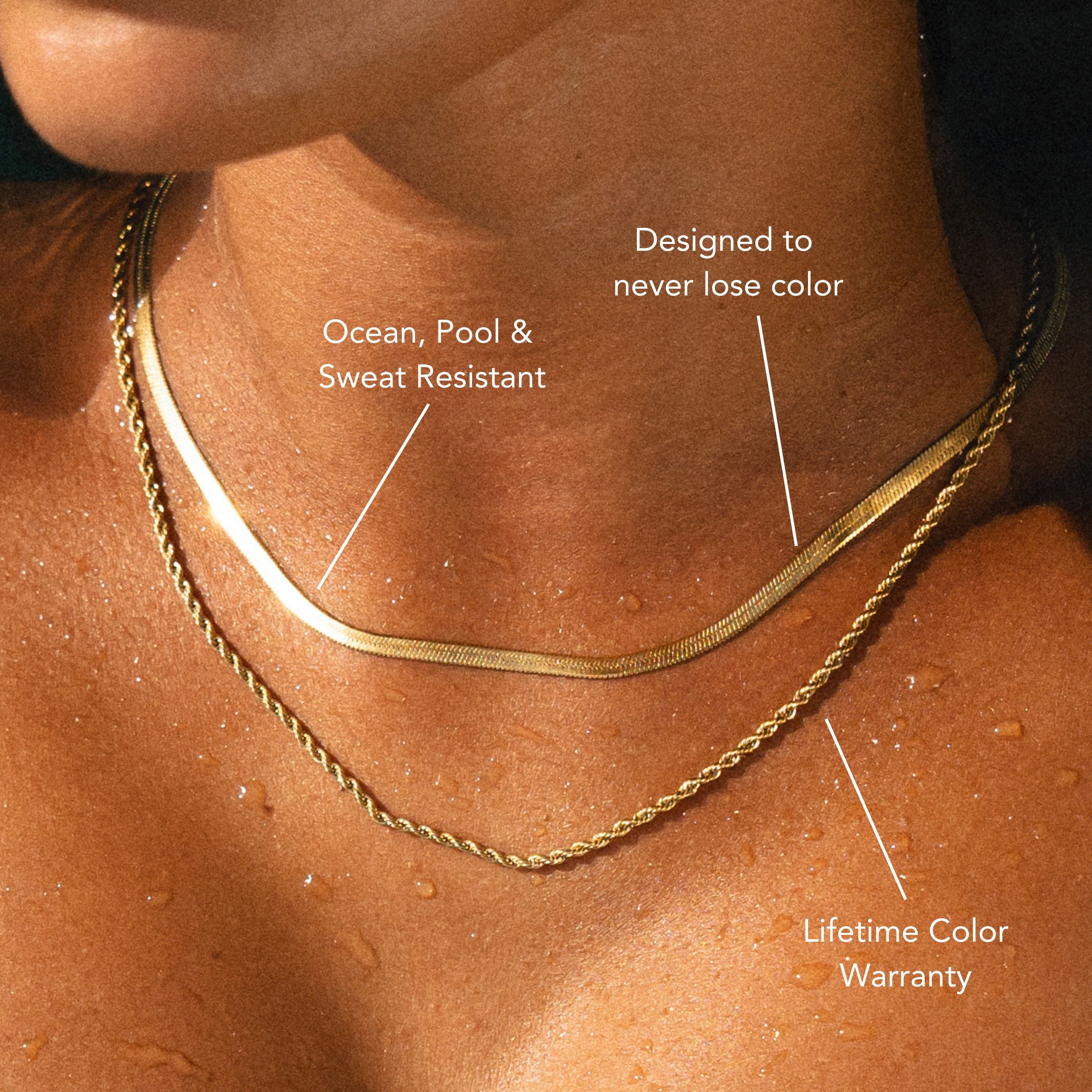
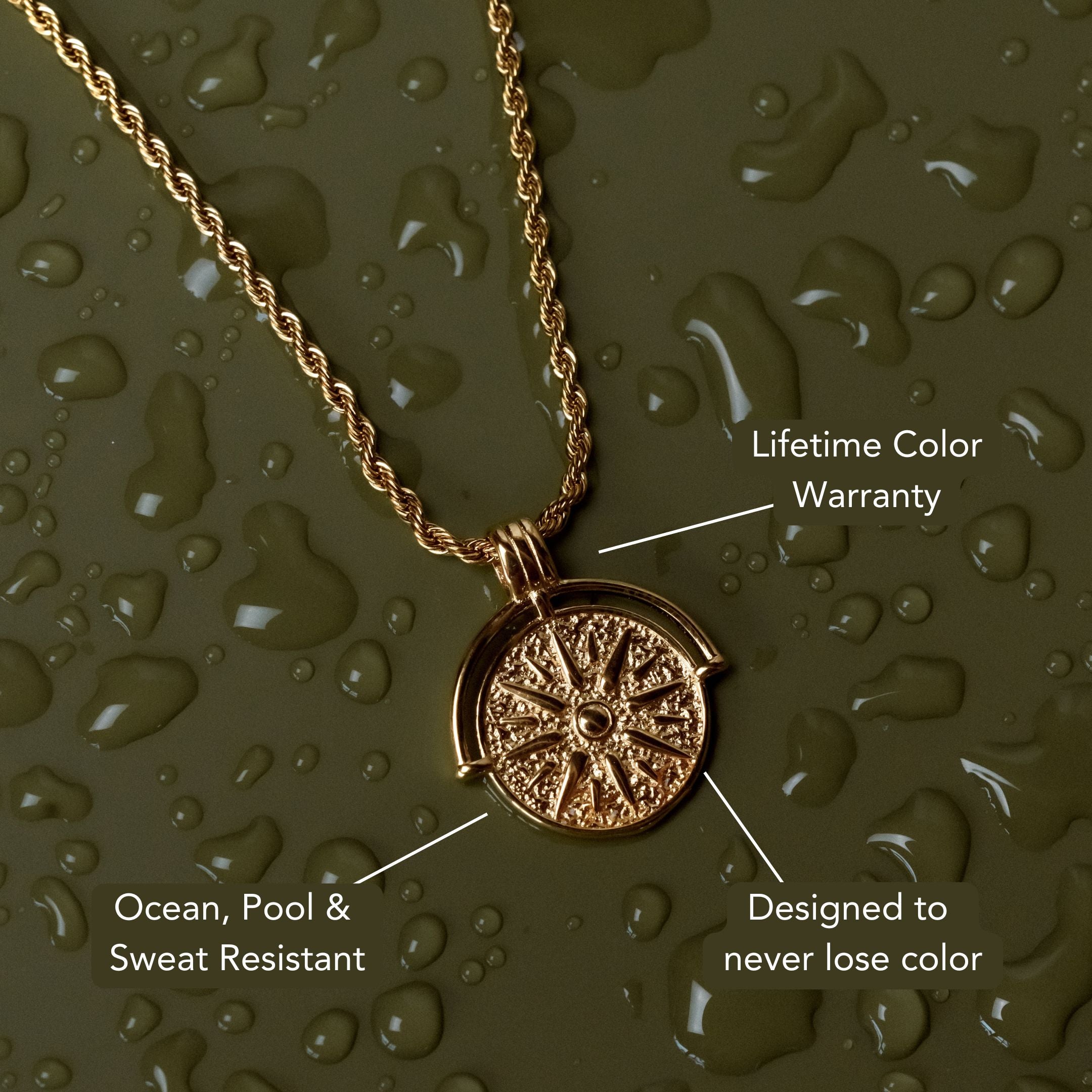
On the other hand, jewelry made with tarnish-resistant, waterproof materials is built to handle these everyday situations without losing its shine, which can make a noticeable difference in how much daily thought you have to put into your routine.

6. Handle Clasps and Closures With Care
Clasps, hooks, and closures are often the most delicate part of a piece of jewelry, yet they are also the part handled the most every single day. Rushing to open or close a clasp, especially on a thin chain, can lead to bending, breaking, or loosening over time.
A few small habits can help protect these areas:
- Open and close clasps slowly and gently, rather than forcing them.
- If a clasp feels stiff or difficult, avoid yanking it and instead check for any tangled links or debris.
- Periodically check clasps and jump rings for signs of wear, especially on pieces you wear frequently.
Taking a few extra seconds when putting on or removing jewelry can prevent unnecessary damage that often shows up gradually over time.
7. Choose Quality, Tarnish-Resistant Materials From the Start
While good habits certainly help, one of the most effective ways to simplify jewelry care is choosing pieces made from high-quality materials in the first place. Solid gold, titanium, surgical stainless steel, and other tarnish-resistant options are naturally more durable against water, sweat, and everyday exposure compared to plated or lower-quality metals.
This is exactly the kind of approach we take at Atolea. Every piece is designed to be worn through real life, including showers, workouts, beach days, and busy schedules, without requiring constant maintenance or careful removal throughout the day. Choosing jewelry built for durability from the start means fewer worries about tarnishing, discoloration, or damage, so you can spend less time managing your collection and more time simply enjoying it.

Bonus Tip: Rotate Your Jewelry When Possible
While not always practical for everyday staples, rotating your jewelry, especially for pieces you wear less often, can help extend their lifespan even further. Constant wear, even with high-quality materials, naturally leads to some gradual wear over time. Giving certain pieces an occasional break can help preserve their shine and structural integrity for years to come.
Final Thoughts
Caring for your jewelry does not need to be complicated or time-consuming. Simple habits, like proper storage, regular cleaning, and being mindful of chemicals and water exposure, can make a significant difference in how long your favorite pieces stay looking their best. Pairing those habits with high-quality, tarnish-resistant materials makes the entire process even easier, letting you wear your jewelry with confidence rather than constant caution.
If you are ready to simplify your jewelry routine, explore pieces designed to handle everyday life without losing their shine.
Frequently Asked Questions
1. How often should I clean my jewelry? For everyday pieces, a quick wipe with a soft cloth after wearing is helpful, while a deeper clean with mild soap and water every few weeks can help maintain long-term shine.
2. Can I shower with my jewelry on? It depends on the material. Tarnish-resistant, waterproof jewelry is generally safe for showering, while plated or lower-quality pieces are better removed beforehand to avoid damage.
3. What household items should I avoid wearing jewelry around? It is best to avoid contact with bleach, ammonia, and other harsh cleaning chemicals, since these can cause discoloration or weaken certain metal finishes over time.
4. Why does my jewelry tarnish so quickly? Tarnishing is often caused by exposure to moisture, chemicals, and air over time, especially with lower-quality or plated materials. Choosing tarnish-resistant metals can significantly slow this process.
5. Is it worth investing in tarnish-free jewelry? Yes, especially if you wear jewelry daily. Tarnish-resistant materials require far less maintenance and hold up much better against water, sweat, and everyday exposure compared to standard plated pieces.









コメントを書く
このサイトはhCaptchaによって保護されており、hCaptchaプライバシーポリシーおよび利用規約が適用されます。