

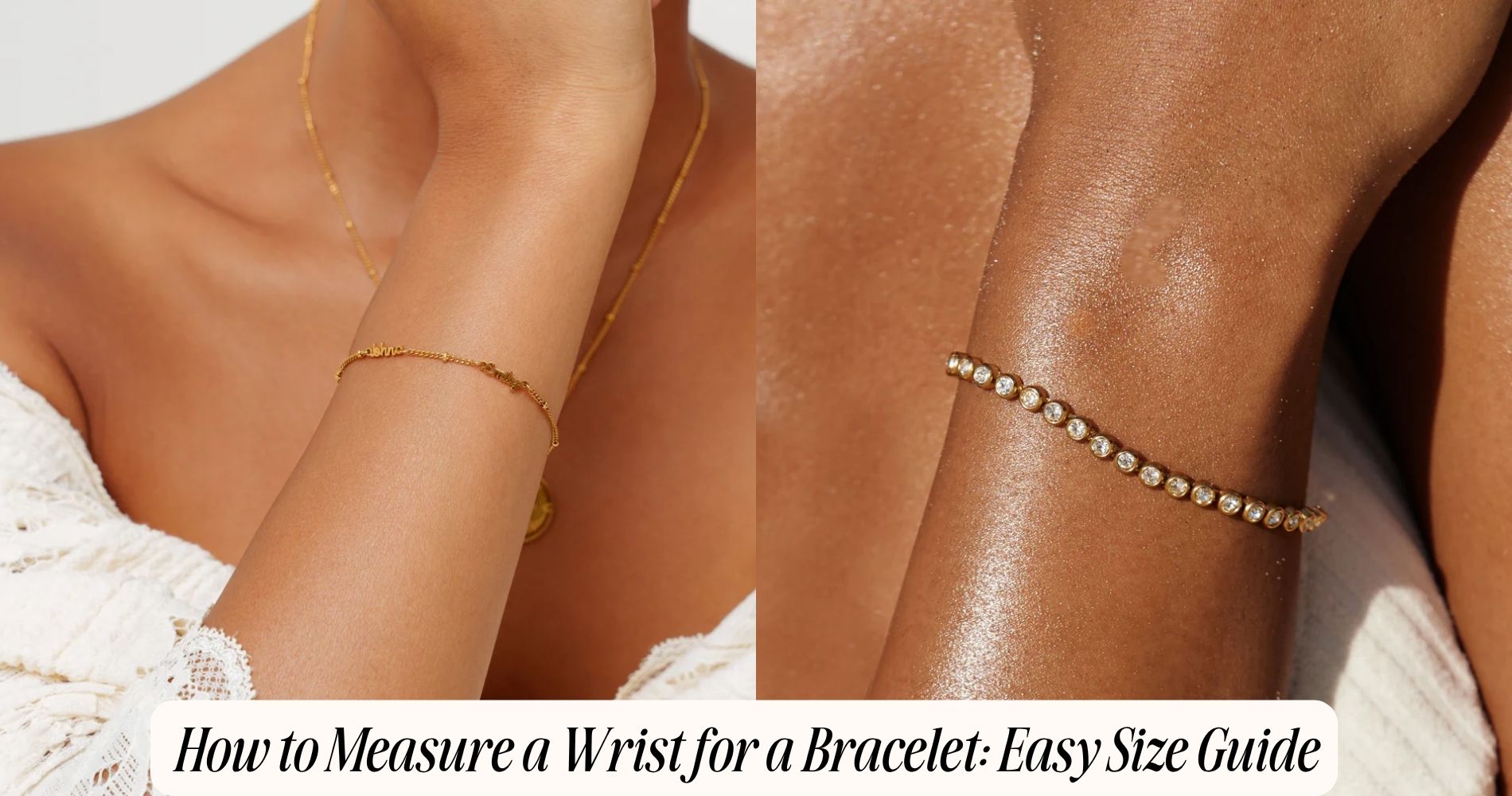
How to Measure a Wrist for a Bracelet: Easy Size Guide
Bracelet sizing determines whether a piece sits comfortably on the wrist, stays where it is placed, and looks proportionate for the wearer. Getting it wrong in either direction, too tight or too loose, affects comfort, security, and appearance simultaneously. Knowing how to measure a wrist for a bracelet correctly before buying saves the frustration of receiving a piece that does not fit and removes the guesswork from online purchases where trying before buying is not an option. Waterproof Bracelet styles come in standard sizing that the measurements in this guide map directly to. This guide covers the measurement method, how to translate that measurement into the right bracelet size for different bracelet types, what fit feel to aim for, and how to handle the most common sizing scenarios.
What You Need to Measure Your Wrist
Accurate wrist measurement requires only two things most people already have at home.
A flexible measuring tape is the most precise option. The same measuring tape used for sewing works perfectly. Place it flat against the wrist without pulling it tight, take the circumference reading, and note the measurement in either inches or centimeters.
A strip of paper and a ruler works equally well if no measuring tape is available. Cut a strip of paper approximately 1cm wide and long enough to wrap around your wrist. Wrap it around the wrist at the point where you plan to wear the bracelet, mark where the paper meets itself with a pen, remove it, and measure the marked length with a ruler.
String or ribbon can substitute for paper using the same method: wrap, mark, and measure flat.
Where to measure: The measurement point matters. For most bracelets worn at wrist level, measure just above the wrist bone where the hand meets the arm. This is the narrowest point of the wrist and the location where most bracelets naturally settle during wear. For bracelets intended to sit higher on the forearm, measure at the intended wearing position rather than at the wrist joint.
When to measure: Wrist circumference changes slightly through the day. Wrists are slightly smaller in the morning before fluid accumulation from activity and slightly larger in the afternoon. For the most practical measurement, take it mid-morning when the wrist represents a reasonable average between its smallest and largest daily size. If you run warm or tend to swell with heat, measuring after moderate activity gives a more conservative size that ensures comfort during the warmest part of the day.

How to Measure a Wrist for a Bracelet: The Calculation
The wrist circumference measurement itself is not the bracelet size. The bracelet size needs to add a specific amount of ease, the clearance between the bracelet and the wrist that allows movement, comfort, and the correct visual drape.
The ease amount varies by bracelet type, and choosing the right ease for the style you are buying is as important as the base wrist measurement.
Chain bracelets and link bracelets: Add 1.5 to 2.5 cm (approximately 0.5 to 1 inch) to your wrist circumference for a comfortable everyday fit. This allows the bracelet to move slightly on the wrist, drape naturally rather than sitting rigid, and slide up and down slightly during hand movement.
Example: Wrist circumference of 16cm plus 2cm ease equals a bracelet length of 18cm.
Charm bracelets: Add 2 to 3cm to your wrist circumference. The additional ease accommodates the weight of charms pulling the bracelet downward and ensures the bracelet hangs correctly rather than sitting tight.
Cuff bracelets: Cuffs do not use a standard length calculation the same way clasped bracelets do. See the dedicated cuff section below.
Bangle bracelets: Bangles use a diameter measurement rather than a circumference-based length. See the bangle section below.
Tennis bracelets: Add 1.5 to 2cm to your wrist circumference. Tennis bracelets are designed to sit close to the wrist with a specific drape that works best with minimal excess length.

Fit Guides by Bracelet Style
Chain and Link Bracelets
Chain bracelets are the most common bracelet type and the most flexible in terms of sizing because most include an extender chain that adds 1.5 to 2.5cm of adjustable length. This means a bracelet listed at 17cm with a 2cm extender can fit wrists from approximately 15cm to 19cm depending on the desired ease.
When buying a chain bracelet without an extender, use the wrist measurement plus ease calculation above and choose the size closest to your total. When buying with an extender, calculate your wrist circumference plus your preferred ease and confirm that falls within the bracelet's total adjustable range.
For active daily wear through gym sessions, beach days, and swimming, a fit at the snugger end of the comfortable range, wrist circumference plus 1.5cm, prevents the bracelet from sliding toward the hand during water immersion when the wrist becomes slicker.
Bangle Bracelets
Bangles are rigid rings without clasps that must pass over the hand to reach the wrist. The sizing variable for bangles is the inner diameter of the ring rather than its length.
To find your bangle size, bring your fingers and thumb together into a cone shape as though pushing your hand through a bangle. Measure the widest circumference of your hand in this position. Divide that measurement by pi (3.14) to get the minimum inner diameter the bangle needs to pass over your hand. Add approximately 2mm to 4mm to that diameter for comfortable passing without excessive force.
Standard bangle inner diameters:
| Bangle Size | Inner Diameter | Approximate Wrist Circumference |
|---|---|---|
| XS | 56mm | 14 to 15cm |
| S | 58mm | 15 to 16cm |
| M | 60mm | 16 to 17cm |
| L | 62mm | 17 to 18cm |
| XL | 64mm | 18 to 19cm |
For wrists where the hand circumference in cone position is significantly wider than the wrist, size up from the wrist-based recommendation to ensure comfortable passage over the hand.
Cuff Bracelets
Open cuffs have a gap in their construction that allows them to be put on and taken off by sliding over the wrist rather than requiring the piece to pass over the hand. The sizing for cuffs involves both the inner diameter of the cuff and the width of the gap opening.
For a comfortable cuff fit, the inner diameter of the cuff should be approximately 1.5 to 2cm larger than your wrist circumference at the wearing position. The gap opening should be positioned against the inner wrist during wear for the most secure retention.
Most standard cuffs are sized for wrists between 15cm and 18cm circumference. Cuffs can often be gently adjusted by slightly widening or narrowing the gap opening, which changes the effective inner diameter and retention tension. This adjustment should be made in small increments to avoid weakening the metal at the bend point.

Tennis Bracelets
Tennis bracelets are designed to sit close to the wrist with specific drape rather than sliding freely. A bracelet that is too long loses its characteristic lay and pools at the wrist rather than sitting flat. One that is too short sits rigid and uncomfortable.
Add 1.5 to 2cm to your wrist circumference for a standard tennis bracelet fit. This places the bracelet close to the wrist with natural drape and movement during activity. For tennis bracelets worn through swimming or active water use, the snugger fit at wrist plus 1.5cm is preferable because the bracelet is less likely to slide toward the hand during movement.
How Wrist Shape Affects Bracelet Fit
Wrist circumference is the primary sizing variable, but wrist shape affects how a bracelet of a given length actually wears.
Tapered wrists narrow more distinctly from the forearm to the wrist joint, creating a natural stopping point where bracelets settle. On a tapered wrist, bracelets at the standard ease calculation sit and stay without sliding significantly.
Cylindrical wrists maintain a similar circumference from the wrist joint several inches up the forearm. Bracelets on cylindrical wrists slide more freely because there is no distinct settling point. For cylindrical wrists, a fit at the lower end of the ease range, wrist circumference plus 1.5cm, provides more secure retention than the standard 2cm ease that suits tapered wrists.
Prominent wrist bones create a physical stop that prevents bracelets from sliding past the wrist joint toward the hand. This natural retention allows slightly more ease without loss of security. A wrist circumference plus 2.5cm fit stays comfortably on a wrist with prominent bones without sliding off.
Common Sizing Scenarios
Buying a bracelet as a gift without knowing the recipient's wrist size: The average adult female wrist circumference falls between 15cm and 17cm, with 16cm to 16.5cm being the most common range. A bracelet sized at 18cm total length covers the most common wrist sizes with comfortable ease. For bracelet styles with extender chains, an 18cm bracelet with a 2cm extender covers the entire common range and beyond.
Sizing for layered bracelet stacking: When wearing multiple bracelets in a stack, each additional piece at the same size creates a slightly tighter effective fit because the pieces sit beside each other and fill the wrist space more fully. For a comfortable three-bracelet stack, choose each piece at the standard ease calculation rather than going tighter. The combined weight of multiple pieces also pulls the stack down during activity, which is comfortable at standard sizing and constrictive at tighter sizing.
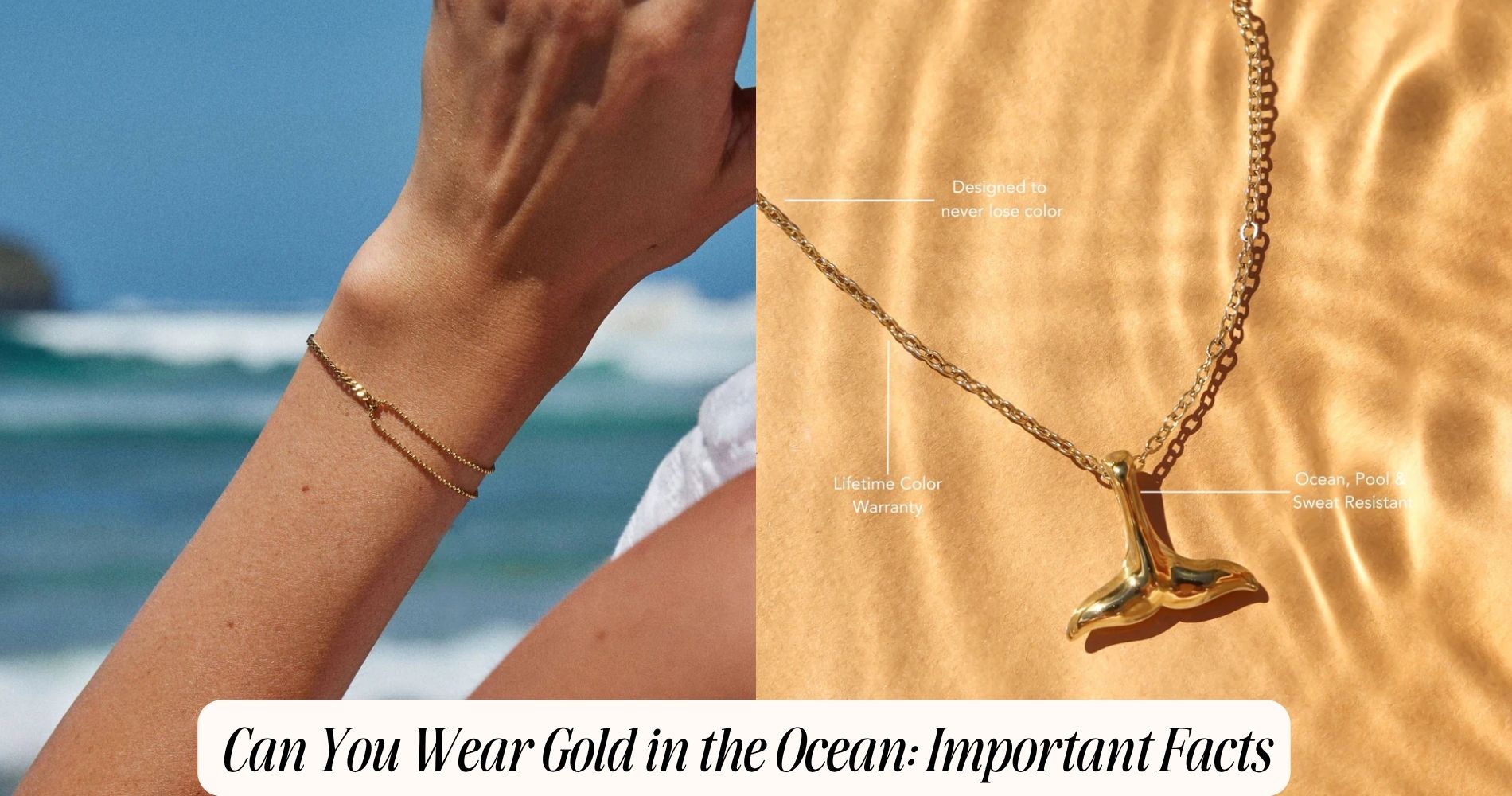
Sizing for active wear: For bracelets worn through beach days, ocean swims, and gym sessions where the wrist contacts water and sweat, sizing at wrist circumference plus 1.5cm provides the snuggest comfortable fit that stays secure through the activities. Waterproof Bracelets in PVD-coated stainless steel in this fit range handle those conditions without the material degrading and without the fit becoming uncomfortable as the wrist warms during activity.
ATOLEA's waterproof bracelet range uses standard sizing with the ease calculations in this guide, and a lifetime color warranty on every piece means the bracelet maintains its appearance through the active daily wear that the correct fit enables.

Frequently Asked Questions
How do I measure my wrist for a bracelet without a measuring tape?
Use a strip of paper or a piece of string. Wrap it around your wrist at the point where you plan to wear the bracelet, mark where it meets itself, then lay it flat and measure the marked length with a standard ruler. This method produces the same result as a flexible measuring tape and requires no special tools.
What is the average wrist size for a bracelet?
The average adult female wrist circumference falls between 15cm and 17cm. The most common bracelet size for women is 18cm, which adds approximately 2cm of ease to the average wrist measurement. Men's wrists average 17cm to 20cm circumference, with bracelets typically sized at 19cm to 22cm. These are averages: measure your own wrist for accurate sizing rather than assuming standard sizing applies.
Should a bracelet be tight or loose?
A bracelet should fit comfortably with room to move but without sliding past the hand during normal activity. The standard ease of 1.5 to 2.5cm above wrist circumference achieves this for most bracelet styles. Too tight restricts circulation and causes discomfort after extended wear. Too loose slides toward the hand, creates noise during movement, and risks sliding off completely in water or active conditions.
How much bigger should a bracelet be than my wrist?
For chain and link bracelets, 1.5 to 2.5cm larger than your wrist circumference is the standard range. For charm bracelets, 2 to 3cm larger accommodates the weight of charms. For tennis bracelets, 1.5 to 2cm larger gives the characteristic close fit. For bangles, calculate the inner diameter using hand circumference divided by pi rather than applying a length-based ease.
Does bracelet size differ between left and right wrist?
Most people have a slight size difference between dominant and non-dominant wrist due to muscle development from regular activity. The difference is typically small, around 1 to 3mm, and falls within the adjustable range of most bracelets with extender chains. If you notice a consistent size difference when measuring both wrists, use the measurement for the wrist you intend to wear the bracelet on rather than an average.
Conclusion
How to measure a wrist for a bracelet follows a simple process: measure wrist circumference at the intended wearing position, add the appropriate ease for the bracelet style, and match that total to the bracelet's available size range. Wrist shape modifies the ideal ease slightly, and the bracelet type determines how much clearance is needed for comfortable movement and correct visual drape. With those measurements and adjustments in hand, any bracelet purchase, whether a chain bracelet, bangle, cuff, or tennis bracelet, can be sized accurately before buying.









コメントを書く
このサイトはhCaptchaによって保護されており、hCaptchaプライバシーポリシーおよび利用規約が適用されます。