


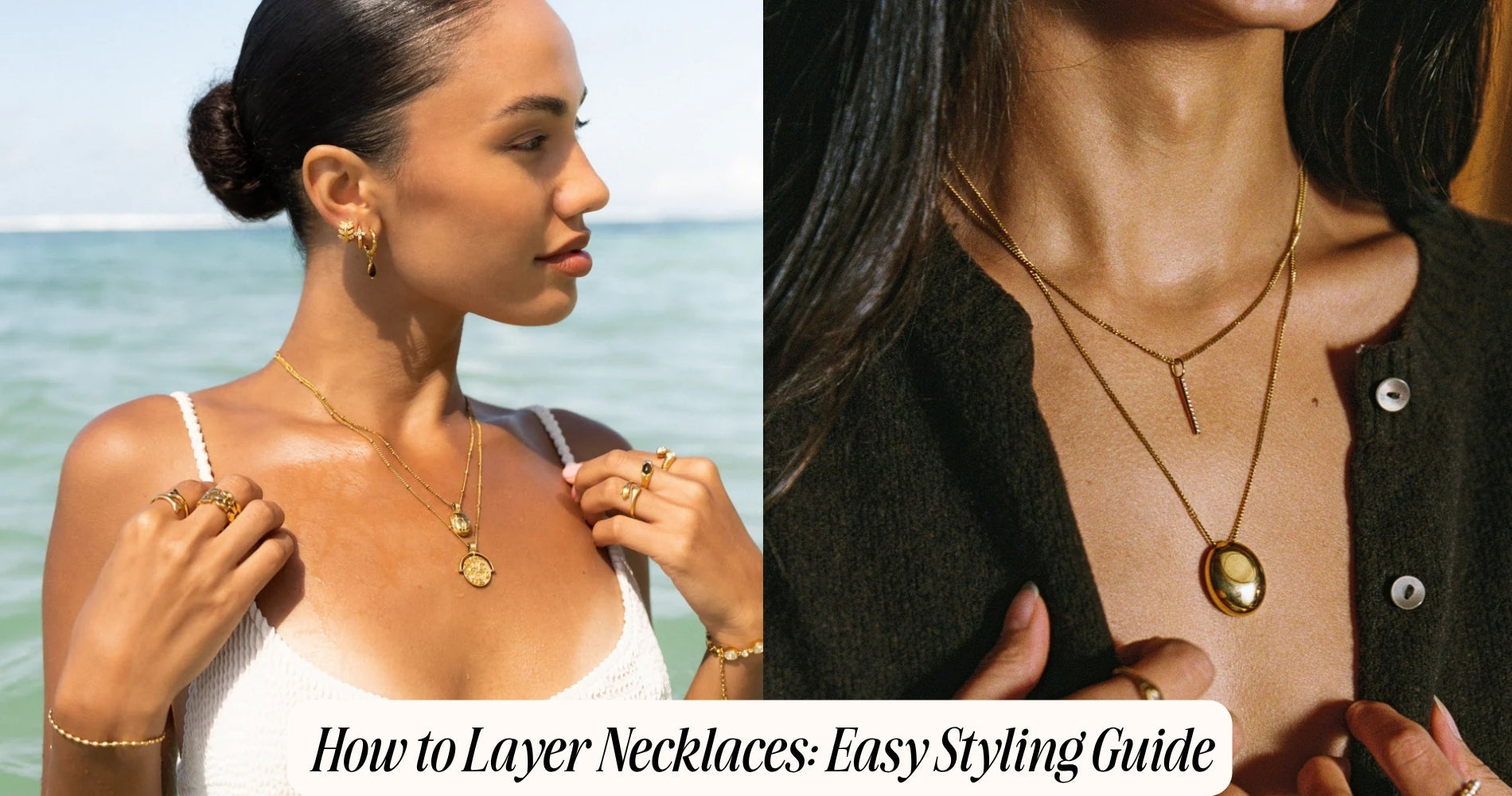
How to Layer Necklaces: Easy Styling Guide
A layered necklace stack can look effortlessly composed or like an accidental tangle depending on a few specific decisions. Most people who have tried layering and found it did not work made one of the same small number of mistakes: chains too similar in length, pendants too similar in size, or too many pieces at once without a clear hierarchy. Knowing how to layer necklaces correctly comes down to understanding three principles that work consistently regardless of which specific chains you own. Minimalist Gold Necklace styles in dainty, layerable weights are built for exactly this. This guide covers the length rule, how to mix textures and pendants, which necklines suit layering, how many pieces to use, and how to prevent tangling.
The One Rule That Makes or Breaks a Necklace Stack
Before any other consideration, one variable determines whether a layered necklace stack looks intentional or accidental: visible length separation between every chain.
Each necklace in a stack must sit at a noticeably different length from the ones beside it. The minimum separation that reads as distinct rather than bunched is approximately two inches (5cm) between each layer. With less separation than this, chains sit close enough together that they visually merge into a single undifferentiated mass rather than reading as individual pieces in a composed arrangement.
The practical implication is straightforward: before building a stack, lay out your necklaces on a flat surface and check the length of each one. If two chains are within an inch of each other, they will bunch together when worn. Either replace one with a different length or adjust the stack to ensure every piece has two inches of clear visual space below the previous one.
This single adjustment resolves most layering problems. Chains that seemed to create visual noise together often read as a clean, composed stack simply by ensuring adequate length separation between each layer.

How to Layer Necklaces: The Length Framework
The most versatile layered necklace stack uses three chains at lengths that cover the collarbone to mid-chest range, with each layer clearly visible below the one above it.
Layer 1 (shortest): 14 to 16 inches. A chain at this length sits at or just below the collarbone. This is the foundation layer and the one most visible against the neckline of most outfits. It can be a simple chain, a small pendant, or a choker-adjacent style depending on the aesthetic you are building toward.
Layer 2 (middle): 18 to 20 inches. This chain sits approximately two to four inches below the first layer, in the lower neck to upper chest area. It is the transitional layer and typically carries the most visual interest in a three-piece stack: a pendant, a different chain texture, or a slightly thicker gauge that creates contrast with the layers on either side.
Layer 3 (longest): 22 to 24 inches. The longest layer sits in the mid-chest area and anchors the bottom of the stack. It can be a simple chain that adds depth without demanding attention, or a slightly more significant piece that creates a visual landing point at the base of the arrangement.
For a two-piece stack, layers one and three of this framework create a clean, minimal stack with clear length separation. For a four-piece stack, add a fourth chain at 26 to 28 inches below layer three, maintaining the two-inch minimum separation throughout.
Mixing Chain Textures and Styles
Visible length separation is the first rule. Texture variation is the second. A stack of three identical chain styles at different lengths produces a cleaner but less interesting result than a stack where each chain has a slightly different visual character.
Mixing chain styles that work together:
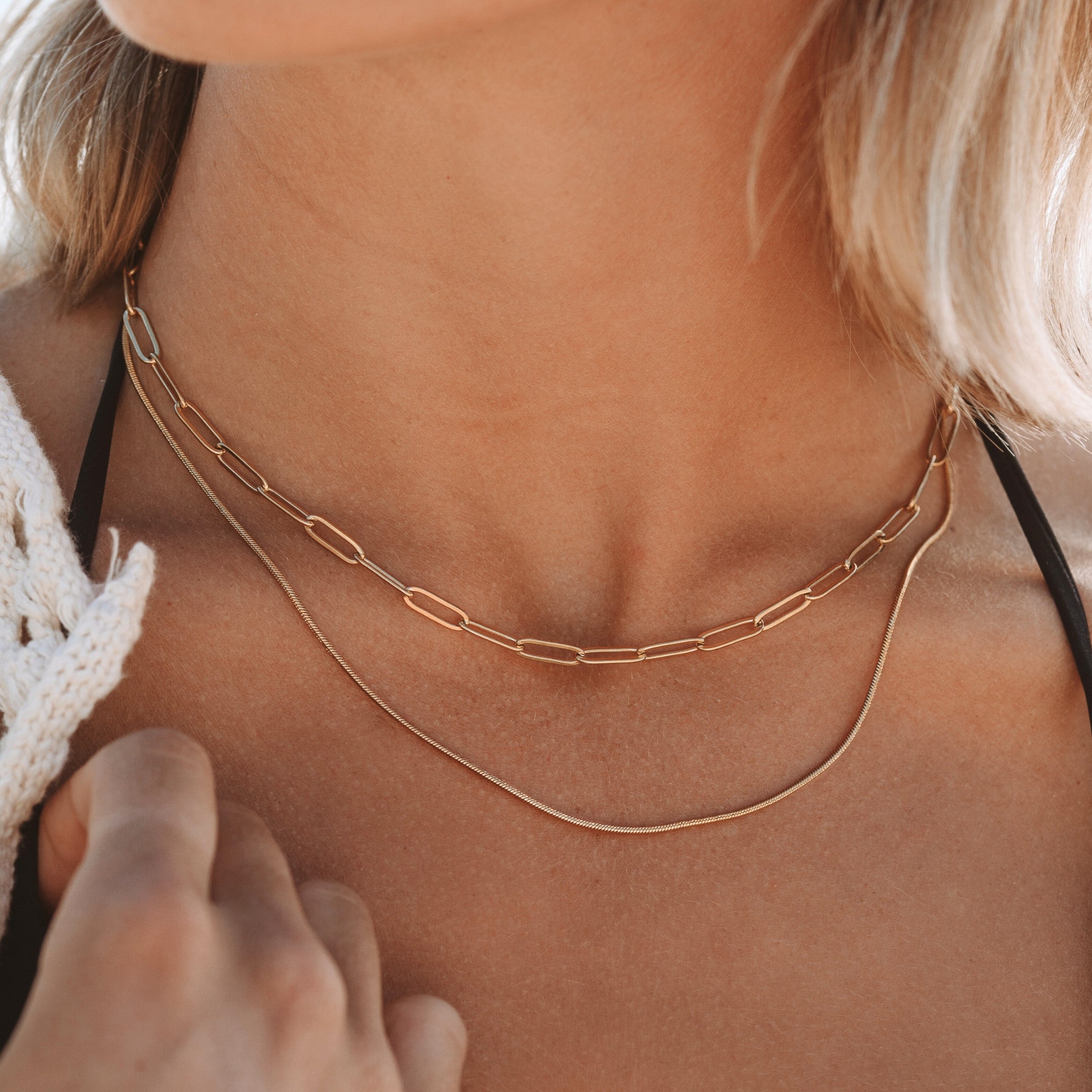
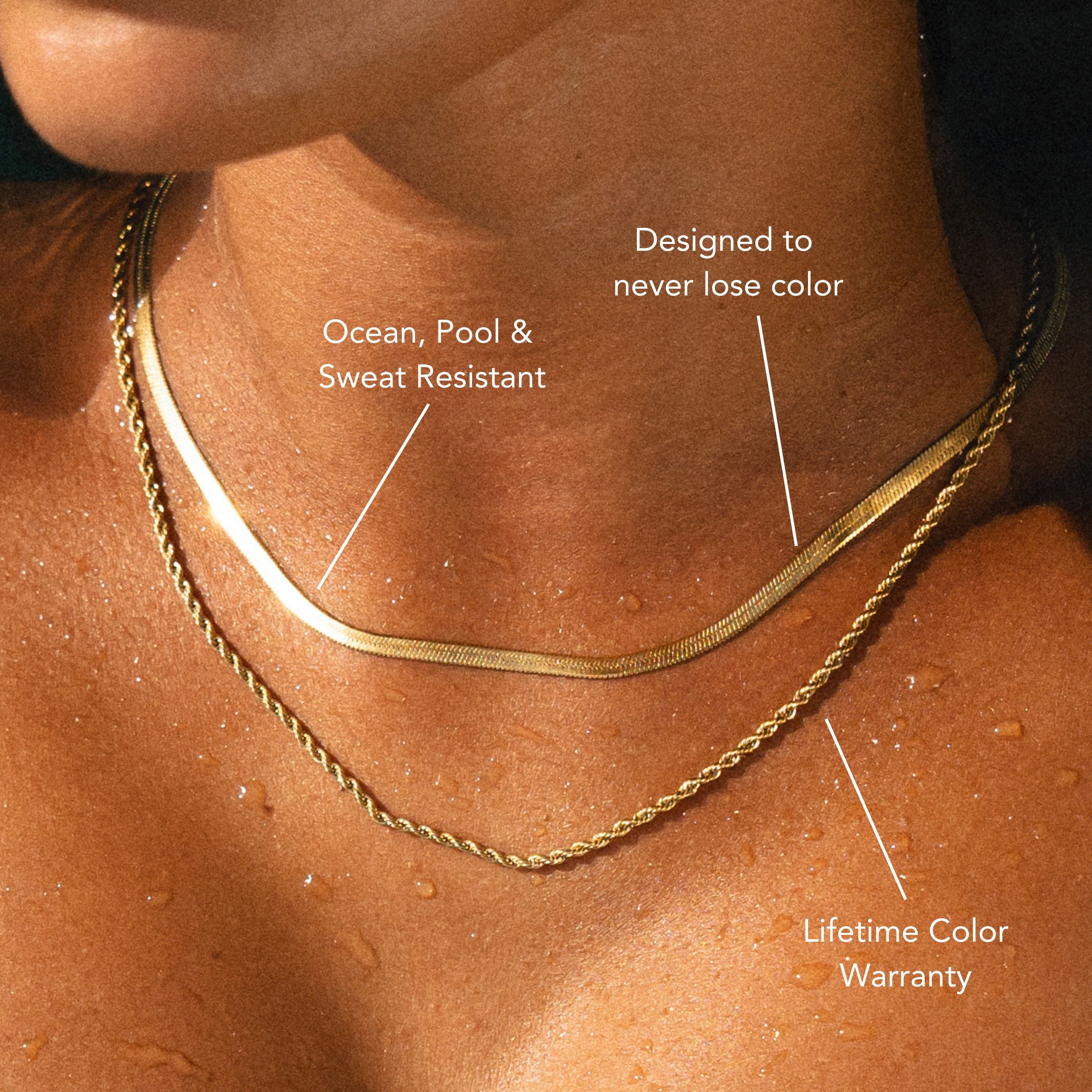
Flat cable chain alongside a twisted rope chain at a different length creates textural contrast without clashing. The flat chain reflects light uniformly. The twisted chain breaks light differently and adds visual movement. Together they read as collected rather than randomly assembled.
A fine box chain alongside a slightly thicker curb chain at different lengths creates contrast through both texture and gauge. The delicate box chain adds refinement and the curb chain adds presence. Neither dominates when the length separation is sufficient.
A plain chain alongside a chain with small stations, beads, or pendants attached at intervals creates variety through the presence or absence of detail along the chain itself.
Mixing styles that create problems:
Two chains with very similar textures at lengths too close together look like one thick, tangled chain rather than two separate pieces. Two statement chains at similar lengths compete rather than layer. A very fine delicate chain alongside a very heavy statement chain creates a scale imbalance where the heavier piece pulls all visual attention.
The practical test: hold both chains up together before adding them to a stack. If they already look separate and distinct, they will layer well. If they look like they belong to the same piece, they need either more length separation or texture differentiation.
Using Pendants in a Layered Stack
Pendants are the most important sizing consideration in necklace layering because a pendant that is too large overwhelms the other layers, and two pendants at similar scales on different layers compete with each other.
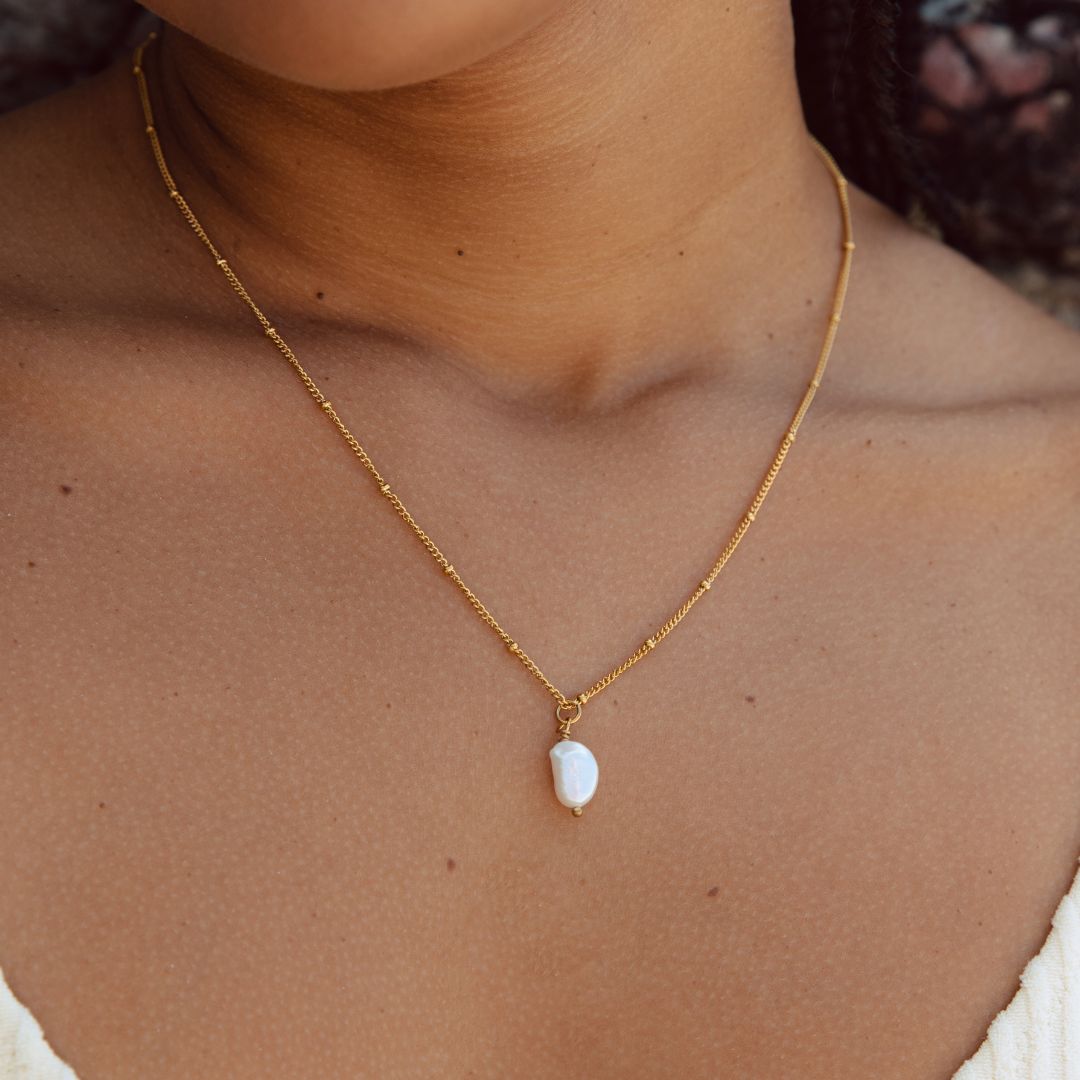
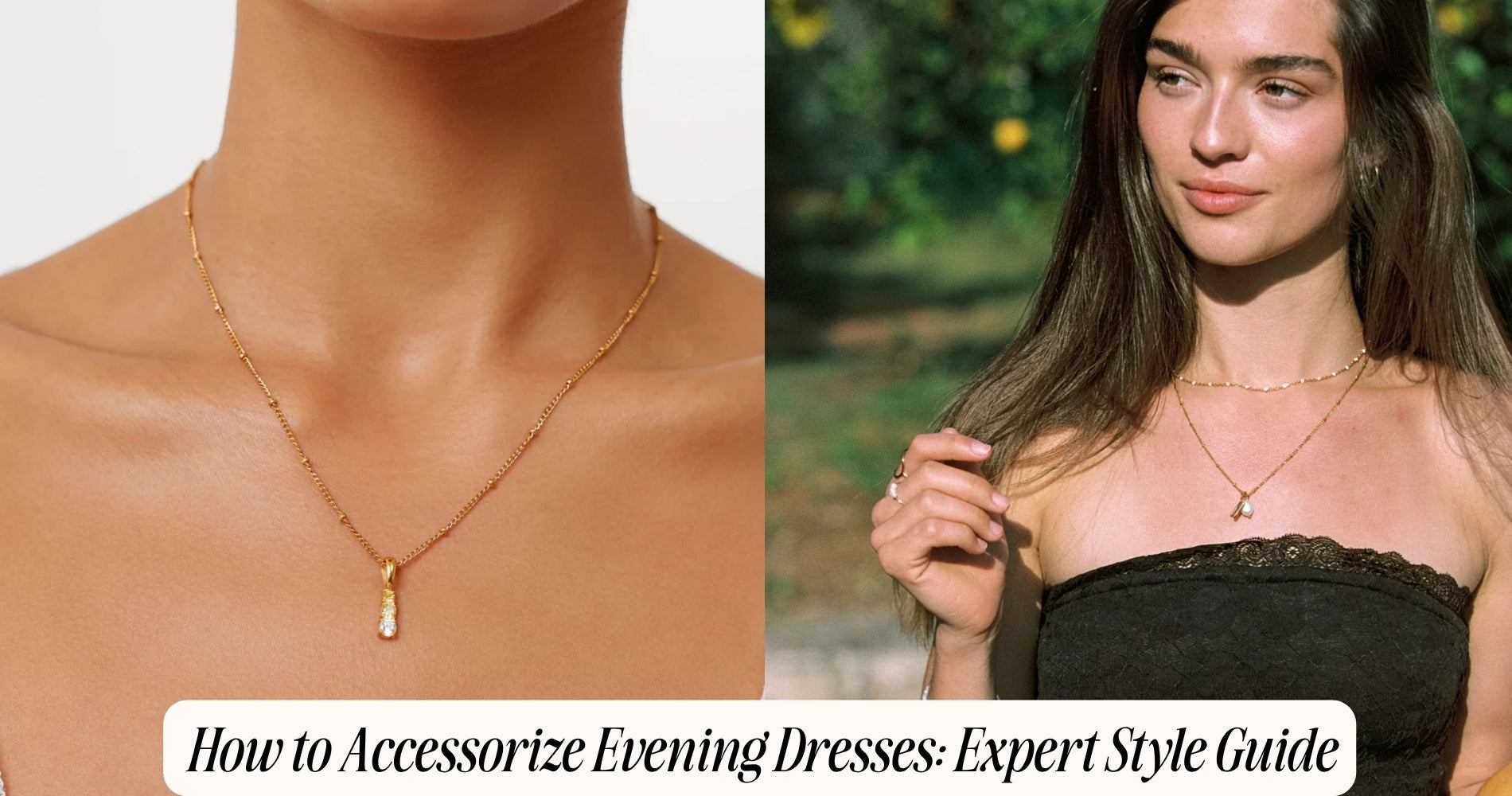
The scaling principle: Pendants in a layered stack work best when they decrease in size from the longest chain to the shortest. A small pendant on the shortest layer, a medium pendant on the middle layer, and either no pendant or a very minimal element on the longest layer creates a composition that reads top-heavy in a balanced way, drawing the eye toward the face rather than to the base of the stack.
The one-pendant rule for beginners: The simplest pendant layering approach uses one pendant piece in the stack and plain chains everywhere else. Place the pendant on the middle layer (18 to 20 inches) where it occupies the visual center of the stack. The plain chain at the shorter length frames it from above and the plain chain at the longer length anchors it below. This produces a focused, clean stack without the sizing calibration that multiple pendants require.
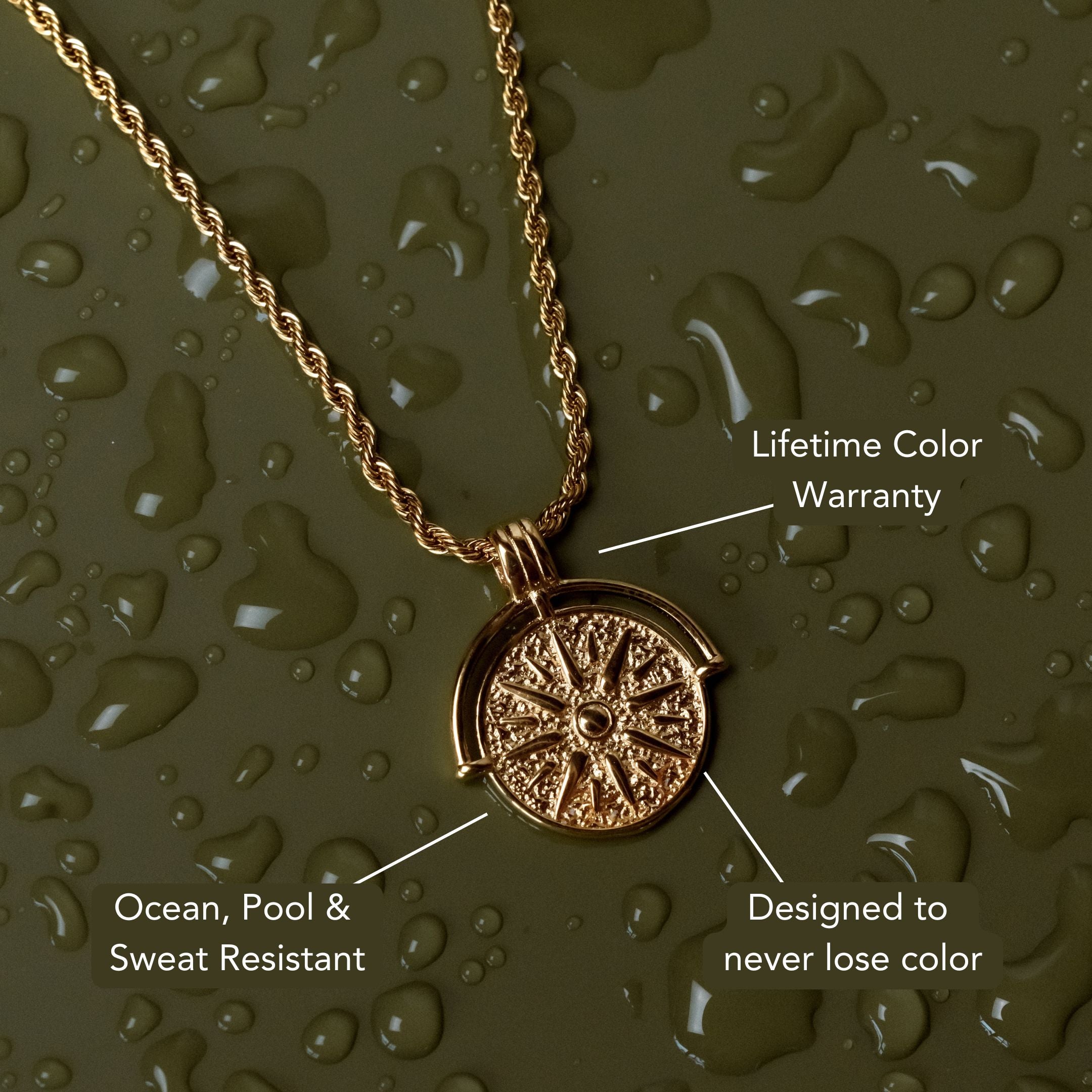
Pendant shapes that layer well: Vertical elements (bars, elongated drops, thin geometric shapes) suit layering because they create a vertical visual direction that enhances the stack's overall downward flow. Circular elements (small discs, coin pendants) add visual punctuation without breaking the stack's flow. Large horizontal elements (wide geometric shapes, very large disc pendants) can interrupt the layered effect by creating a horizontal interruption in what is otherwise a vertical arrangement.

How to Layer Necklaces by Neckline
The neckline of an outfit determines how much of the layered stack is visible and which lengths actually read against skin versus fabric.
V-neck and scoop neck: The open neckline allows all three layers of a standard stack to sit against skin and read clearly. These are the most layering-friendly necklines because the full stack from shortest to longest sits in visible skin territory. The pendant on the middle layer points naturally downward in the same direction as the V.
Crew neck: The closed rounded neckline covers the shortest layer of a standard stack if that layer sits at 14 to 16 inches, because the crew neck typically sits at 16 to 18 inches from the base of the neck. Start the first visible layer at 18 to 20 inches and build outward from there. A crew-neck layered stack uses the 18 to 20, 22 to 24, and 26 to 28 inch range rather than the standard collarbone-starting framework.
Off-shoulder and strapless: The exposed collarbone and shoulder make a choker-length first layer at 14 to 16 inches particularly effective. The bare skin above the neckline allows the shortest layer to sit in clear visual territory that a crew neck would cover.
High neckline: Any neckline that sits at 18 inches or above effectively eliminates all but the longest layers from a standard stack. With a high neckline, use a single long layer at 24 to 28 inches rather than attempting a stack where the shorter layers sit behind fabric.
How Many Necklaces to Layer
The right number of layers depends on the weight of the chains and the visual complexity of the outfit they are worn with.
Two layers: The most accessible starting point. Clear length separation, one textural contrast, and easy management throughout the day. Two layers suit professional and smart casual contexts where three or more might read as too deliberately styled.
Three layers: The most commonly recommended stack depth. Three layers create enough visual complexity to read as a considered arrangement without becoming difficult to manage. This is the sweet spot for most everyday and casual-to-dressed-up contexts.
Four or more layers: Works for casual and weekend styling where the layered look is the deliberate aesthetic statement of the outfit. More than four layers typically start to create management and tangling challenges without proportional visual benefit.

Preventing Tangling in a Layered Stack
Tangling is the most common practical complaint about layered necklaces, and it is largely preventable through two adjustments.
Use different chain weights. Chains of identical weight and gauge tend to interlock and tangle more readily than chains of slightly different gauges. A 1mm fine chain alongside a 1.5mm chain at a different length creates just enough difference in movement behavior that they are less likely to catch on each other during daily wear.
Use a necklace separator or layering clasp. Layering clasps attach two or three necklace chains to a single clasp mechanism that holds them at fixed relative positions rather than allowing them to slide freely against each other. This is the most reliable tangle prevention method for people who wear a consistent stack regularly. Necklace separators clip onto multiple chains and hold them at fixed horizontal distances from each other, preventing lateral movement that leads to entanglement.
Take the stack off as a unit. Rather than removing each necklace individually, learn to unclasp all pieces together and store them draped rather than bunched. A small hook mounted on a jewelry organizer where the stack can hang freely prevents the overnight coiling that creates the worst tangles.
Frequently Asked Questions
How many necklaces should I layer?
Two to three necklaces is the most practical range for everyday layering. Two layers are manageable and clean. Three layers create the visual depth most associated with the layered aesthetic. More than three works for casual styling where the layered look is the outfit's focal point, but adds management complexity that is worth weighing against the visual benefit.
What lengths work best for layering necklaces?
The most versatile three-layer combination uses 16, 18 to 20, and 22 to 24 inch chains. This range covers the collarbone to mid-chest area with clear two-inch minimum separation between each layer. For two-layer stacks, 16 and 20 inches, or 18 and 22 inches, both produce clean separation without requiring adjustment for most neckline types.
Can you layer necklaces of different metals?
Yes. Mixed-metal layering works when one metal tone dominates and the secondary tone repeats in at least one other piece. A two-gold, one-silver combination reads as intentional rather than accidental. Equal gold and silver in the same stack can read as indecision rather than a deliberate mix. The same layering principles (length separation, texture variation, pendant scaling) apply regardless of whether the metals match.
How do I stop layered necklaces from tangling?
Use chains of slightly different gauges, which move differently and interlock less readily than identical chains. Use a layering clasp or separator to hold chains at fixed relative positions. Remove the stack as a unit and store it hanging rather than coiled. These three habits together resolve most daily tangling issues.
What outfit necklines suit layered necklaces?
V-neck, scoop neck, and off-shoulder necklines suit layered stacks most naturally because the open neckline allows all layers to sit against skin and read clearly. Crew necks work with stacks that start at 18 inches and longer rather than the standard collarbone-level first layer. High necklines are better suited to a single long chain than a conventional layered stack.
Building a Stack That Stays
How to layer necklaces comes down to three principles applied consistently: two-inch minimum length separation between every chain, texture variation between layers to create visual distinction, and pendant scaling that decreases from the center of the stack outward. Start with two chains at clear length separation, add a third that falls clearly between or below them, and use the neckline framework to ensure every layer reads against skin rather than fabric. With those foundations in place, the specific chains are a personal choice and the stack works regardless of which combination you build it from.









コメントを書く
このサイトはhCaptchaによって保護されており、hCaptchaプライバシーポリシーおよび利用規約が適用されます。