


How to Care for Silver Jewelry Properly
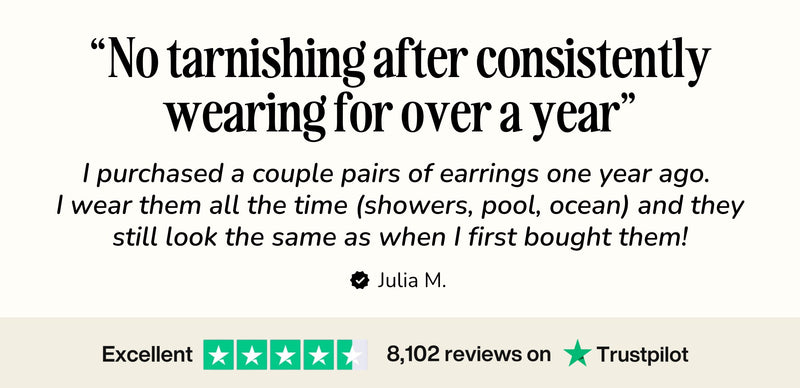
How to care for silver jewelry? Handle pieces by the edges, wipe them with a soft, dry cloth after each wear, and allow brief air-drying to remove moisture. Always remove silver before showering, swimming, exercising, or applying lotions and perfumes. Store items separately in anti-tarnish pouches or sealed containers with silica gel—avoid cardboard and rubber, which accelerate tarnish. Clean gently using mild, phosphate-free soap and warm water, brushing crevices with a soft tool and rinsing thoroughly. For modern silver styles designed to handle moisture more easily, explore our Silver Waterproof Jewelry
collection—next, learn how to tackle heavy tarnish, replating, and professional maintenance.
Quick 3-Step Checklist to Clean Silver Jewelry Now
- You’ll prepare a small workspace, gather appropriate cleaning products and jewelry tools, and choose a gentle method.
First, inspect each piece for loose stones or damaged settings; don’t clean if repairs are needed.
Second, mix a mild, phosphate-free cleaner with warm water or use a dedicated silver solution; avoid bleach or abrasive powders.
Submerge items briefly, then use a soft-bristled brush or microfiber cloth to remove grime in crevices. Rinse thoroughly in clean water to remove residue, and pat dry with a lint-free cloth.
Third, apply a thin protective coat only when recommended—antitarnish cloths or light silica packs for storage conserve finish.
Store pieces individually to prevent scratches and waste.

Daily Care: Small Habits That Keep Silver Shiny
Now that you've got a safe cleaning routine, keep silver bright with a few simple daily habits.
Handle pieces by their edges to limit oils, wipe gently with a soft, dry cloth after each wear, and air them briefly to evaporate moisture.
Avoid spraying perfumes, lotions, or hairspray while wearing silver; apply cosmetics first and wait.
For items exposed to sweat or saltwater, rinse promptly with fresh water and dry thoroughly.
Establish a short daily cleaning step: a soft brush for crevices, then a lint-free cloth polish.
Track when you last cleaned each piece to avoid over-polishing.
These actions support silver maintenance, reduce the need for abrasive treatments, conserve finish, and extend the service life of your jewelry.
How to Store Silver Jewelry to Prevent Tarnish
If you want to keep silver from tarnishing, store each piece in a low-humidity, air-limited environment and separate items to prevent scratching and chemical contact.
Place necklaces, rings and bracelets individually in anti tarnish pouches or soft cloth rolls to block air and sulfides. Use sealed plastic or metal containers with silica gel packets for humidity control; check and replace desiccants regularly.
Avoid cardboard, newspaper or materials that emit acids. Lay pieces flat or hang them to prevent tangles and abrasion. Keep jewelry away from household chemicals, rubber, and direct sunlight.
Label storage by metal type to prevent accidental mixing. Inspect stored items monthly and maintain a consistent, cool storage location to conserve finish and slow tarnish formation.

How to Clean Sterling Silver Jewelry Safely
Because sterling silver reacts quickly with sulfur and everyday oils, you should clean pieces gently and on a schedule that matches how often you wear them.
Begin by rinsing in lukewarm water to remove grit, then use a soft, lint-free cloth with a small amount of mild, phosphate-free soap. Rub in straight strokes, not circular motions, to avoid abrasion. For crevices, use a soft-bristled brush sparingly. Rinse thoroughly and dry immediately to prevent water spots.
Avoid ammonia, bleach, or toothpaste, which can strip patina. If stubborn tarnish remains, use a commercially formulated silver cleaner following label instructions, apply minimally, and rinse well.
Understand what causes tarnish to tailor prevention tips: store pieces sealed, remove jewelry for chemicals, and wipe after wear to extend cleaning intervals.
How to Clean Silver-Plated Jewelry Without Stripping the Finish
When you're cleaning silver-plated jewelry, treat it more delicately than solid silver to avoid wearing away the thin finish; use gentle, nonabrasive methods and minimal contact.
Start by evaluating for loose joins or damage; don't clean pieces needing repair. Use a soft microfiber or cotton cloth to remove surface oils and light tarnish, wiping in one direction.
For deeper cleaning, mix a few drops of mild dish soap with warm distilled water and dip the cloth — never submerge heavily plated items. Rinse cloth in clean water and repeat, then dry immediately with a soft cloth.
Avoid chemical dips, abrasives, or ultrasonic cleaners that strip silver plating. Store pieces separately and clean only when necessary.
These cleaning techniques conserve finish longevity.
How to Clean Gemstone or Delicate-Set Silver Jewelry
Although delicate settings and porous gemstones react differently to cleaners, you can safely clean most of them by using the gentlest methods and the least moisture possible.
Begin by inspecting prongs, bezels and stones for looseness; tighten or repair before cleaning. Use a soft, dry brush to dislodge dust, then spot-clean with a barely damp lint-free cloth.
For stubborn grime, dip the cloth in filtered water only, wring thoroughly, and blot—never soak. Avoid ultrasonic and steam cleaners unless a professional confirms they're safe for that specific gem and setting.
Dry immediately with gentle pressure; air drying can leave mineral residue. Store each piece separately in breathable pouches to minimize abrasion.
These steps prioritize gemstone care and protect delicate settings while conserving the metal and stones.

Safe Homemade Cleaners : Recipes and Warnings
If you want to clean silver at home without risking damage, stick to a few simple, low-risk recipes and follow strict dilution and contact-time rules.
Use a gentle vinegar solution (1 part white vinegar to 3 parts water) for short dips no longer than 2–3 minutes, then rinse thoroughly and dry with a soft cloth.
For light tarnish, make a paste of baking soda and water, apply gently with a soft cloth, rub with minimal pressure, rinse, and dry immediately.
Never mix vinegar solution and baking soda in a closed container; effervescence can be hazardous. Test any method on an inconspicuous spot first.
Limit cleaning frequency to preserve patina and avoid abrasive tools or prolonged soaking that can weaken settings.
Remove Stubborn Tarnish and Deep Scratches
Dealing with stubborn tarnish and deep scratches calls for a careful, stepwise approach that prioritizes preservation over aggressive correction.
You’ll first assess the piece under good light and magnification to distinguish surface tarnish from pitting or structural damage.
Use targeted tarnish removal techniques: a mild silver dip for severe discoloration (brief dips, immediate rinsing), or a poultice of baking soda and water applied with cotton for localized areas.
For scratches, follow conservative scratch repair methods: clean, then gently work from finer to slightly coarser abrasive only when necessary, using uniform strokes along the grain; finish with a fine jeweler’s rouge or cloth to blend.
Document before-and-after, avoid over-polishing, and stop if metal thickness seems compromised.
When to Polish, Replate, or Hire a Professional
When the piece shows only light surface wear and you can preserve its form and hallmarking by hand, polish it yourself with a soft cloth and a small amount of appropriate silver polish; work gently along contours, remove residue, then rinse and dry thoroughly.
If wear exposes base metal, thinning is evident, or plating loss alters appearance, consider replate jewelry to restore protection and finish—choose reputable services that match alloy and thickness specifications.
Reserve professional cleaning for complex pieces, fragile settings, stones, or historic items where abrasive home methods risk damage; tell the conservator about previous treatments and desired outcome.
Decide by evaluating wear depth, structural integrity, and value: polish at home for light tarnish, replate for compromised coating, and seek professional cleaning when structural risk, embedded dirt, or high value demands specialist care.
How to Protect Silver Jewelry While Wearing It : Common Fixes
Because silver reacts with sulfur and moisture, you should adopt a few simple habits while wearing your pieces to minimize tarnish and physical damage.
Remove jewelry before showering, swimming, or exercising to provide sweat protection and prevent chemical exposure. Wipe items with a soft, dry cloth after wear to remove oils and perspiration.
Apply lotions, cosmetics, and perfume before putting on jewelry to guarantee fragrance avoidance; let products fully absorb. Fasten clasps and check settings each time you wear a piece to reduce risk of loss or snagging.
For rings, avoid heavy manual tasks and abrasive surfaces. Store frequently worn items in small, ventilated pouches when not in use to limit airborne contaminants.
These routine steps extend silver’s appearance and reduce need for restoration.

Frequently Asked Questions
Can Allergies Be Caused by Silver Jewelry?
Yes — you can get silver allergies; you’ll usually react to alloys, especially nickel sensitivity in lower‑grade silver, so you should choose sterling or nickel‑free pieces, test new items, and limit prolonged skin contact.
Is Sterling Silver Water-Safe for Swimming or Showering?
No, you shouldn’t: sterling silver can tarnish faster with chlorine, salt, and soap exposure. For jewelry maintenance, remove pieces before swimming or showering, rinse and dry promptly, and store them in airtight, low-humidity containers.
How Do I Tell Real Silver From Fake or Nickel-Plated Pieces?
You check jewelry stamps first, then perform silver testing: use a magnet (real silver isn’t magnetic), a nitric acid spot test, or consult a jeweler for XRF. Keep tests minimal to preserve conservation.
Does Silver Lose Value Over Time and How to Appraise It?
Silver can lose value if market demand falls or pieces tarnish; you’ll preserve worth by documenting maker, purity, condition, and provenance. For appraisal, consult certified appraisers, track silver valuation trends, and keep conservation records.
Can Silver Jewelry Be Resized or Repaired at Home?
You can attempt minor resizing techniques and simple home repairs, but you shouldn’t risk soldering or stretching valuable pieces; document measurements, use proper tools, conserve original metal, and consult a professional for major alterations or antique items.
Conclusion
You now have a compact routine: quick clean, gentle daily habits, and proper storage. Use only safe cleaners and avoid abrasive scrubbing to preserve silver and any plating. Address deep tarnish or damage only after evaluating whether polishing or professional replating is needed. Wear with care—put jewelry on last, avoid chemicals, and remove for active tasks. Follow these steps consistently, and your silver will stay attractive and functional for generations.











コメントを書く
このサイトはhCaptchaによって保護されており、hCaptchaプライバシーポリシーおよび利用規約が適用されます。