

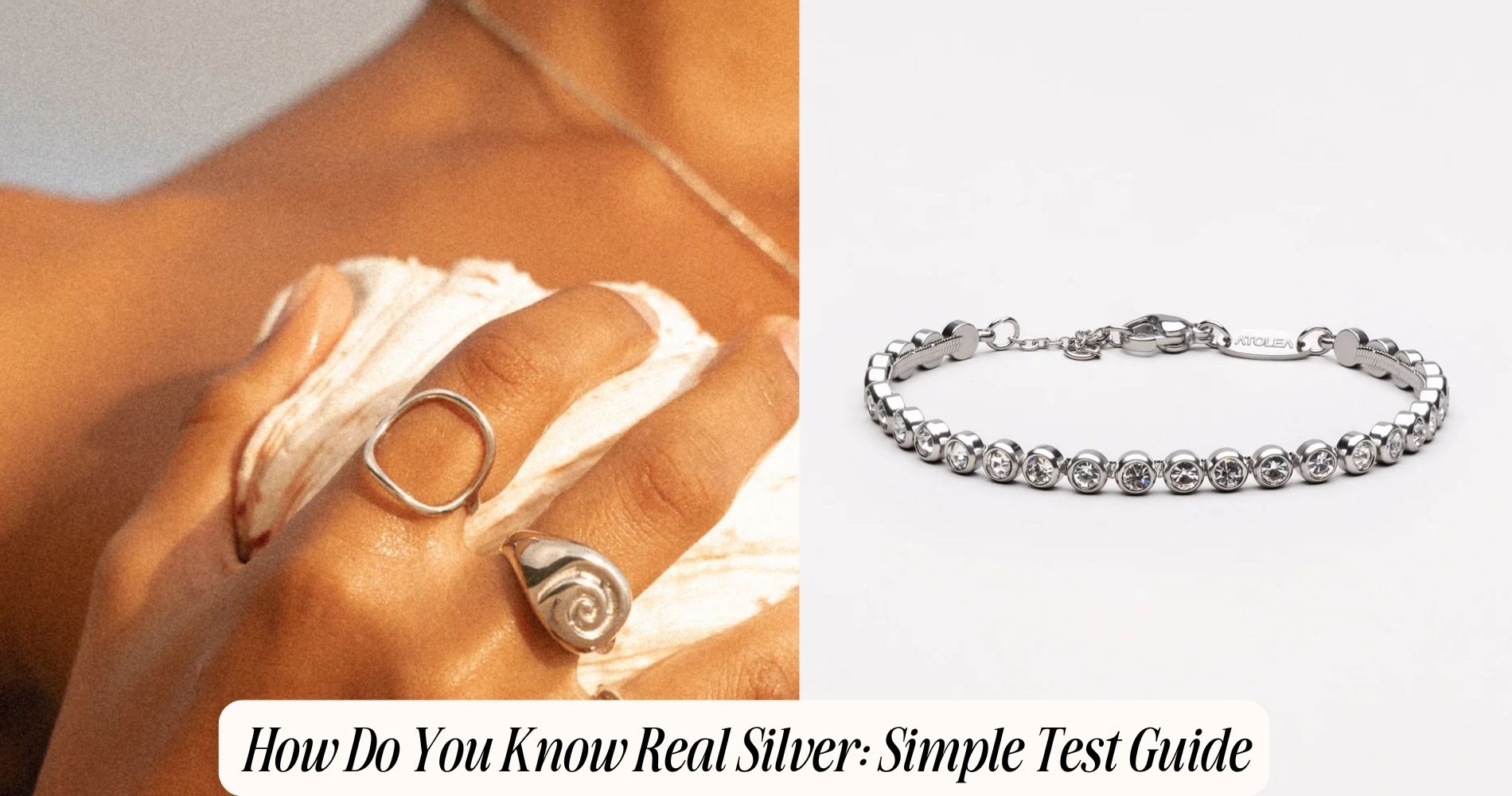
How Do You Know Real Silver: Simple Test Guide
You pick up a silver necklace, it looks right, but something makes you pause. Is it actually silver? Knowing how do you know real silver matters whether you are buying new jewelry, sorting through inherited pieces, or checking whether a tarnished item is worth cleaning. Silver Waterproof Jewelry built on verified materials removes most of this uncertainty from the start, but when you are working with an unknown piece, a few simple checks tell you a lot. This guide covers hallmark reading, at-home tests, and what real silver actually means in practical terms.
What "Real Silver" Actually Means
The term real silver covers several different compositions, not just one standard. Understanding those categories helps you interpret markings and test results accurately.
Pure silver (fine silver) is 99.9% silver. It is too soft for most jewelry applications because it bends, scratches, and deforms easily under daily wear. You will encounter it occasionally in high-end flatware or collectibles, but rarely in wearable jewelry.
Sterling silver is the most common standard for jewelry. It is 92.5% silver and 7.5% other metals, usually copper. That small addition of copper gives the alloy the structural strength needed for rings, necklaces, bracelets, and earrings that hold their shape through regular use. The 925 hallmark is the universal identifier for this standard.

Coin silver, an older standard used historically in the United States, contains 90% silver. You may encounter this in antique pieces but it is no longer a production standard.
Silver-filled and silver-plated items have a base metal core, usually brass or copper, with a silver layer bonded or deposited onto the surface. These are not solid silver. The silver content is a fraction of the total material, and the layer wears away with use.
Knowing this distinction is the foundation for every test below.
How to Read Silver Hallmarks
Hallmarks are the most reliable way to identify real silver because they are standardized and legally required in most markets. If a piece carries a legitimate hallmark, it tells you the silver content without any further testing needed.
| Hallmark | Meaning | Standard |
|---|---|---|
| 925 or .925 | 92.5% silver | Sterling silver |
| 999 or .999 | 99.9% silver | Fine silver |
| 900 or .900 | 90% silver | Coin silver |
| 800 | 80% silver | Lower European standard |
| EP, EPNS, or Silver Plated | Electroplated silver over base metal | Not solid silver |
| IS or International Silver | Silver-plated, not solid | Not solid silver |
At-Home Tests for How Do You Know Real Silver
When hallmarks are absent, worn away, or questionable, several at-home tests give useful information. None of these are as definitive as professional assay testing, but they are practical starting points.
The magnet test. Real silver is not magnetic. Hold a strong rare-earth magnet near the piece. If it pulls toward the magnet noticeably, the base metal is likely iron or another ferrous metal with a silver-colored coating. A very slight attraction can occur with some silver alloys, but a strong pull is a clear indicator that the piece is not silver. This test takes seconds and costs nothing.
The ice test. Silver has the highest thermal conductivity of any metal. Place the piece on top of an ice cube. Real silver transfers heat from your hand into the ice so efficiently that the ice begins melting immediately on contact, even when the silver itself is at room temperature. Most other metals do not produce this effect at room temperature. This test works well on larger flat pieces and is difficult to fake.

The cloth test. Rub the piece firmly with a clean white cloth. Real silver oxidizes on the surface as it interacts with air. That oxidation transfers to the cloth as faint black marks. If the cloth stays completely clean after firm rubbing, the piece may be silver-plated over a base that does not oxidize in the same way, or it may be a non-silver metal entirely. This test is less definitive than the magnet or ice test but works as a supporting check.
The nitric acid test. A small drop of nitric acid applied to an inconspicuous area of the piece produces a color reaction that indicates silver content. Bright red or creamy white indicates sterling silver. A green or brown reaction suggests a base metal or very low silver content. This test is more accurate than the others but requires purchasing a testing solution and handling an acid carefully. It also leaves a small mark on the piece.
What Real Silver Feels and Looks Like
Physical characteristics help alongside formal tests, particularly when evaluating pieces in person before buying.
Real silver has a specific weight. It is denser than aluminum and significantly heavier than plastic or hollow costume metals. A ring or bangle that feels surprisingly light for its size warrants closer inspection.
The surface of real silver has a particular quality under light. It reflects with depth rather than a flat, mirror-like shine. Cheaper silver-colored metals often have a brighter, flatter surface quality because the reflectivity differs at the material level.

Temperature response is noticeable in everyday handling. Silver warms up quickly against skin and cools down fast when removed, faster than most other metals at the same thickness. This is the same thermal conductivity that drives the ice test.
Tarnishing pattern is also informative. Real silver tarnishes to a gray or black tone through a uniform oxidation process. Silver-plated pieces often show uneven color changes as the plating wears through to the copper or brass underneath, producing greenish or brownish patches rather than clean gray tarnish.
Why Silver Type Matters for Jewelry That Actually Lasts
Understanding how do you know real silver leads naturally to a more useful question: which type of silver makes the most sense for jewelry you wear every day?
Sterling silver is genuine, but it requires ongoing maintenance. It tarnishes with air exposure, reacts with sweat and skincare products, and needs to stay dry to maintain its appearance. For someone who swims regularly, works out, or travels frequently, that maintenance routine becomes impractical quickly.
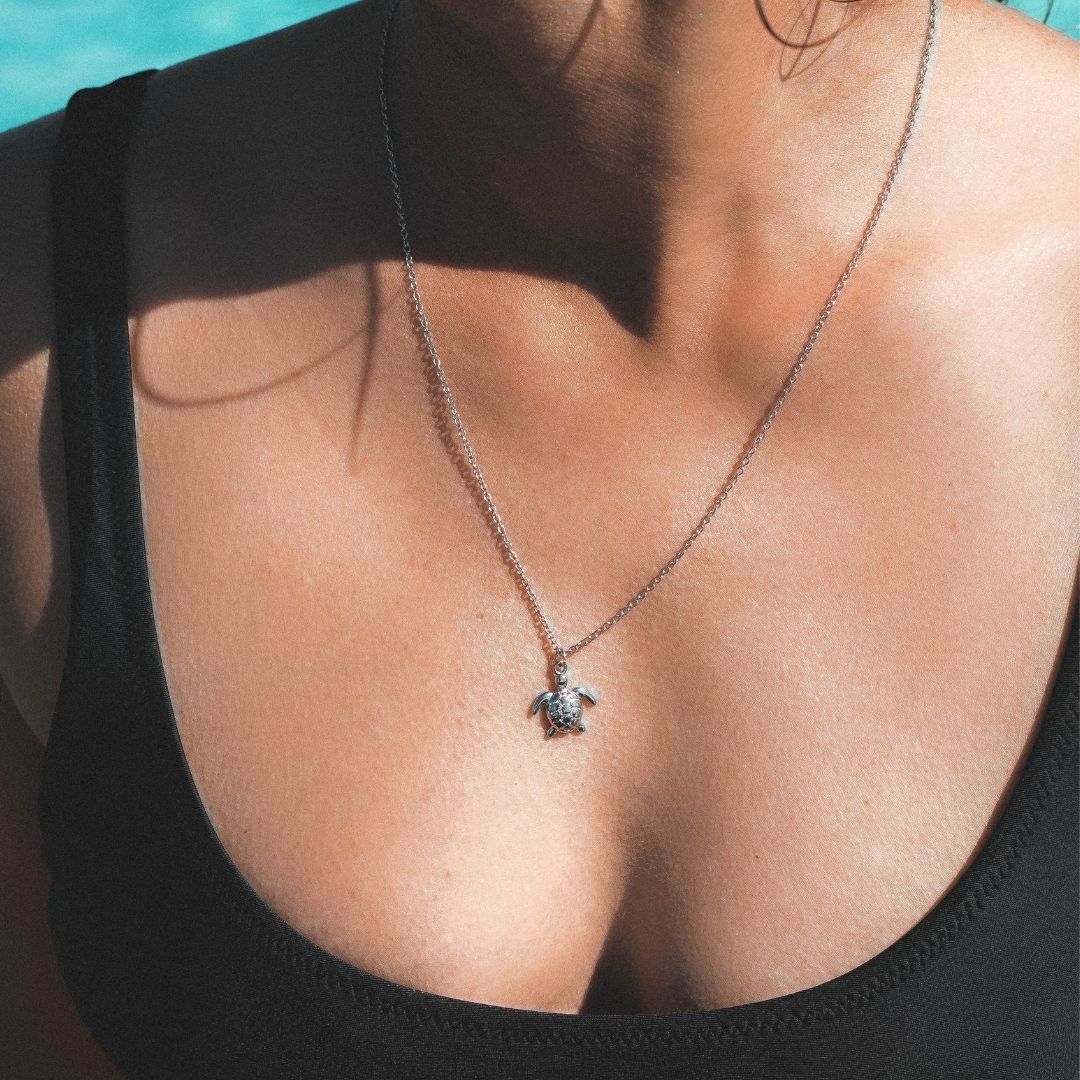
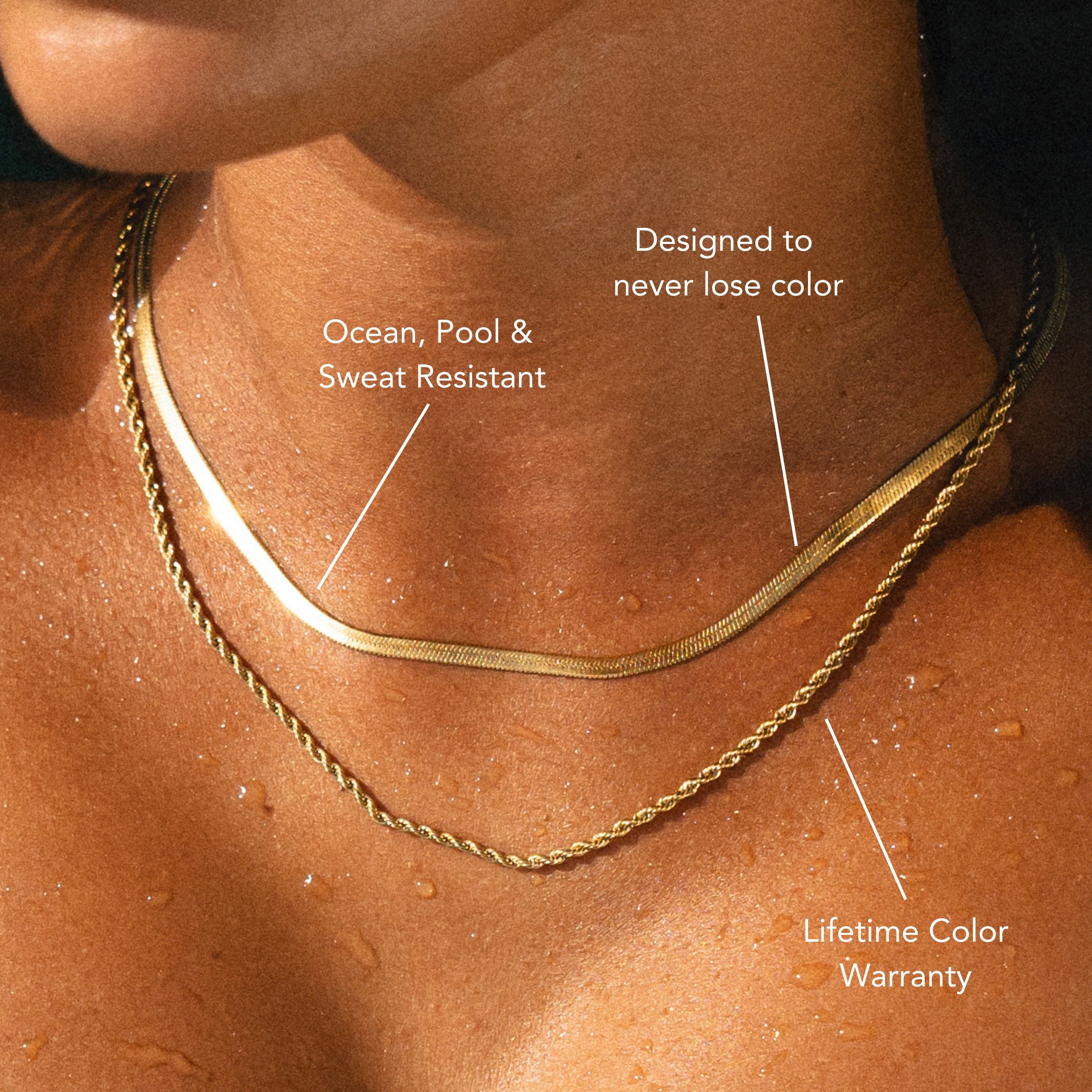
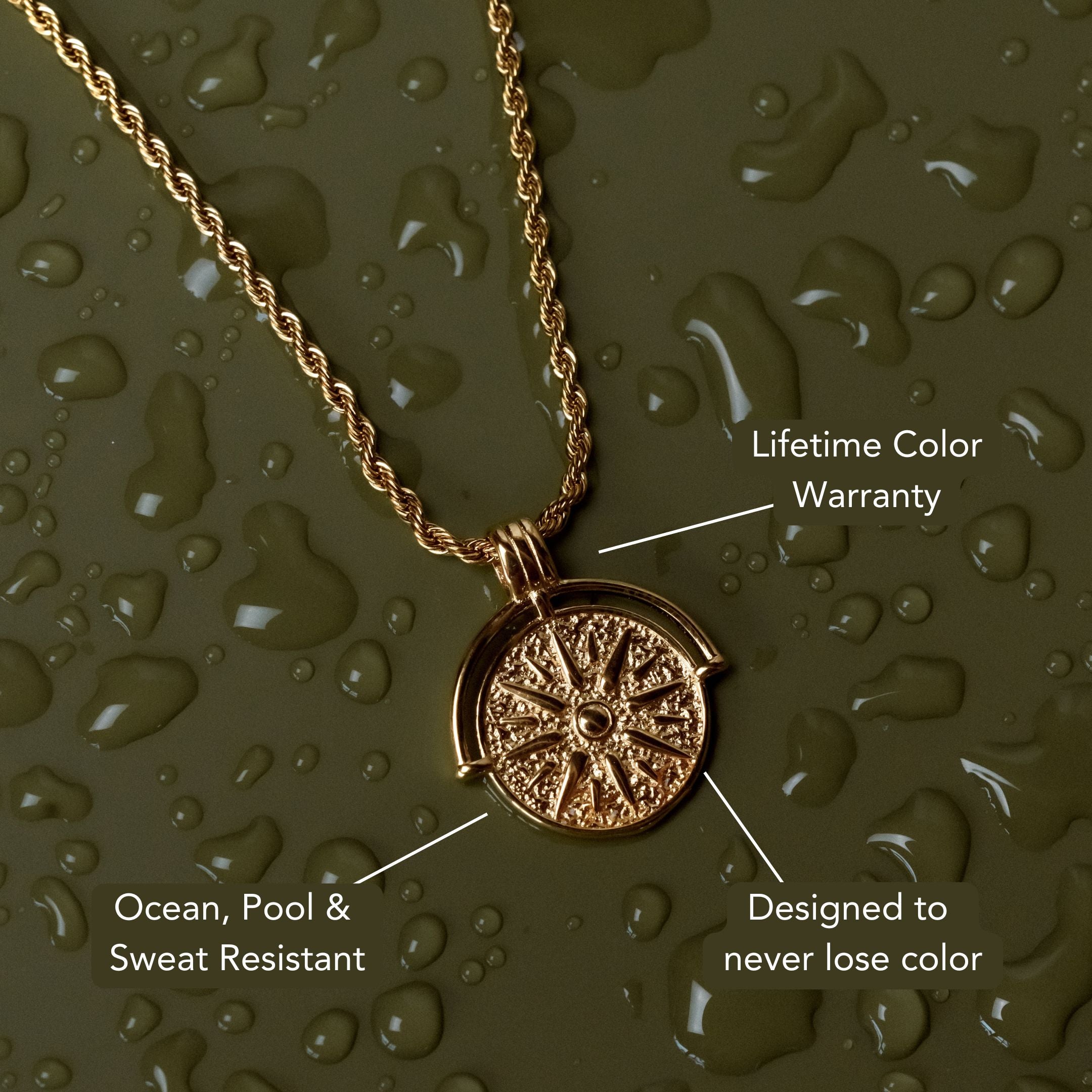
PVD-coated stainless steel with a silver finish addresses this directly. The PVD process applies a color layer bonded at the molecular level, producing a finish 10 times thicker than standard plating. That finish holds through pool sessions, gym workouts, and beach days without lifting, discoloring, or reacting to skin. The material underneath is surgical-grade stainless steel, which does not corrode or cause skin reactions.
The practical result is silver-toned jewelry that stays consistent through the scenarios that cause standard sterling to tarnish: salt water at the beach, chlorine at the pool, sweat during a workout, and daily wear without removal. ATOLEA builds its silver range on this construction, with a lifetime color warranty on every piece. If the color changes, it gets replaced with no conditions attached.
Frequently Asked Questions
What does 925 mean on silver jewelry?
925 indicates sterling silver, meaning the piece is 92.5% silver and 7.5% other metals, typically copper. This is the standard composition for most silver jewelry worldwide. The marking may appear as 925, .925, or S925 depending on where and when the piece was made.
Can silver-plated jewelry pass the magnet test?
It depends on the base metal. If the silver-plated piece has a brass or copper core, it will not attract a magnet strongly, which could suggest real silver. If the core is iron or steel, the magnet will pull clearly. The magnet test alone is not enough to confirm solid silver. Using it alongside the ice test and a hallmark check gives a more complete picture.
How do you know real silver is not just silver-colored metal?
The ice test is the most practical distinguishing check. Silver has thermal conductivity far higher than other silver-colored metals like aluminum, nickel, or chrome. Placing the piece on ice and watching for immediate melting is something those other metals will not replicate at room temperature. Hallmark verification with a loupe confirms it definitively.
Does real silver turn your skin green?
Pure sterling silver does not typically cause green discoloration on its own. The green color comes from the copper content in the alloy reacting with skin moisture and acids. This is more likely in lower-quality silver alloys or in pieces where the plating has worn through to a copper base underneath. Hypoallergenic options built on stainless steel eliminate this entirely.
Is PVD silver the same as real silver?
PVD silver refers to a silver-toned finish applied through Physical Vapor Deposition coating onto a base metal, usually stainless steel. It is not composed of silver, but the finish is designed to maintain the appearance of silver without the maintenance requirements. It does not tarnish, react to water, or cause skin reactions. For everyday wear, particularly in active or water-involved lifestyles, it offers practical advantages that solid sterling silver does not.
Conclusion
How do you know real silver comes down to three layers of verification: reading the hallmark, running a physical test or two, and understanding what the silver composition means for how the piece will hold up. A 925 stamp on a clasp confirms sterling silver instantly. The ice test or magnet test fills the gap when markings are absent. And for jewelry worn through daily life including showers, swims, and workouts, the more relevant question becomes whether the material is built to last under those conditions. Pieces with a PVD protective finish give you the consistent appearance of silver without the tarnishing cycle that comes with uncoated sterling.









コメントを書く
このサイトはhCaptchaによって保護されており、hCaptchaプライバシーポリシーおよび利用規約が適用されます。