


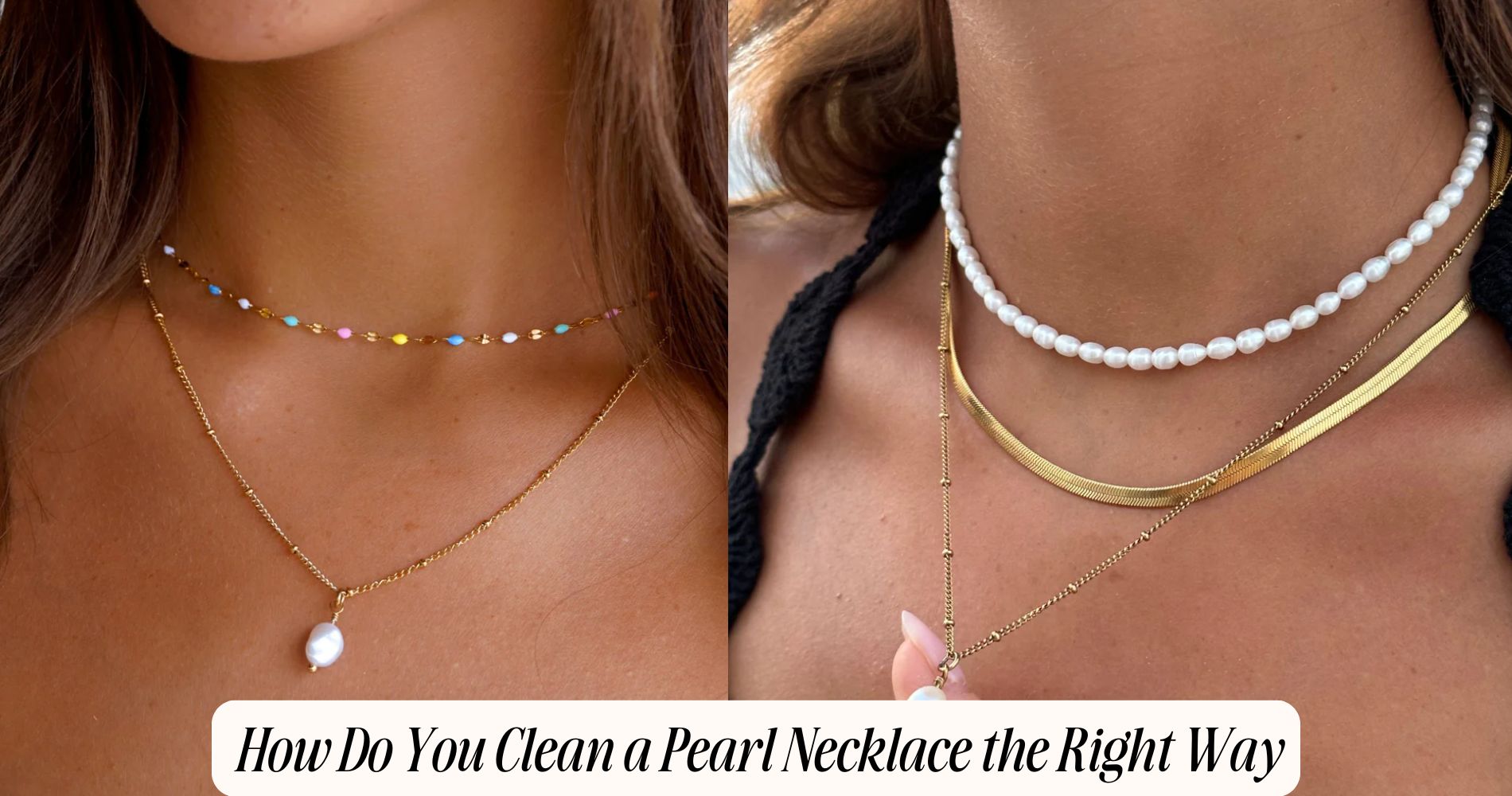
How Do You Clean a Pearl Necklace the Right Way
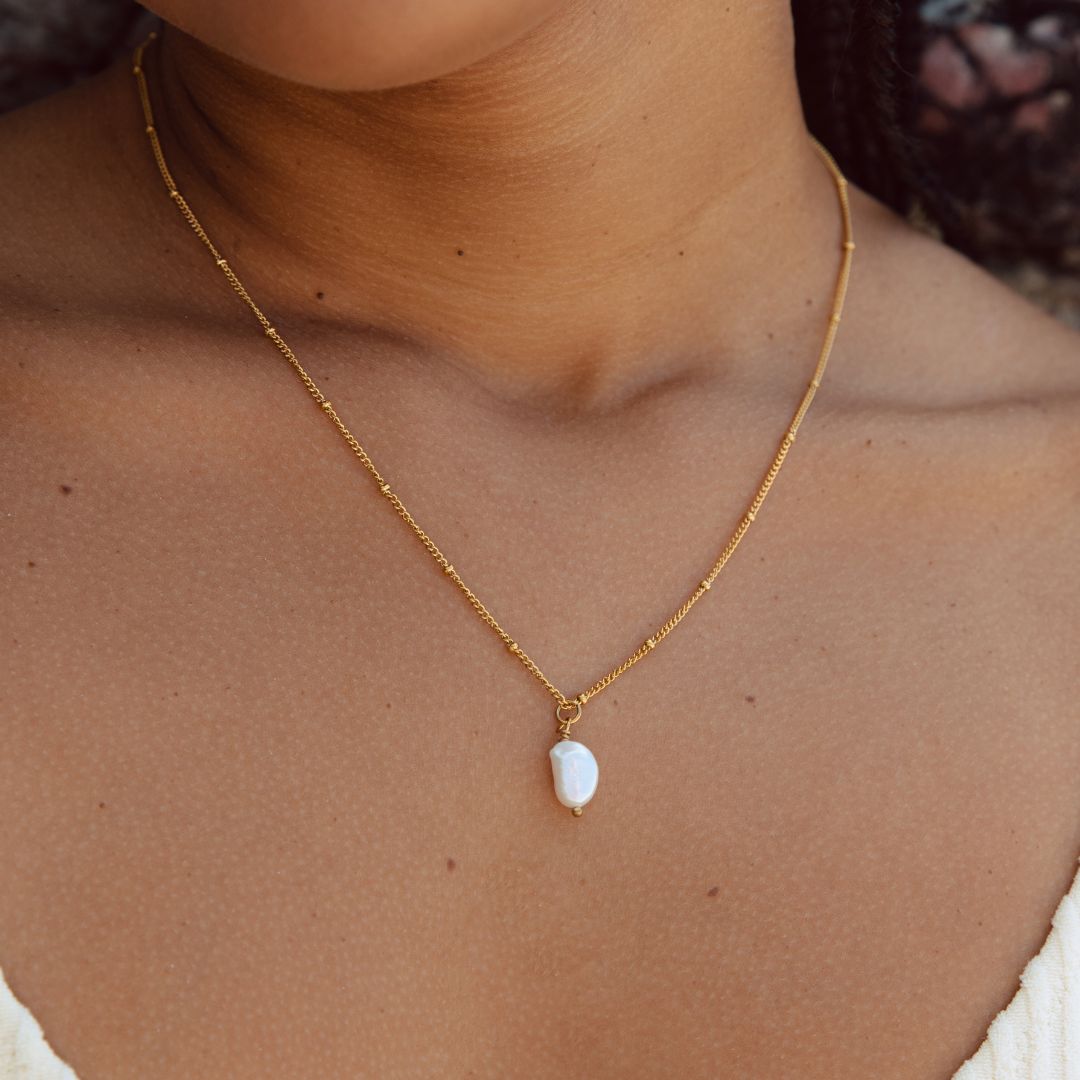
How do you clean a pearl necklace? After each wear, gently wipe pearls with a clean, dry microfiber cloth to remove skin acids and salts. For deeper cleaning, use lukewarm distilled water with a single drop of pH-neutral, fragrance-free soap—lightly dampen the pearls without soaking the silk strand, then rinse using a barely damp cloth. Cotton swabs help clean crevices, and a very soft brush can be used carefully near knots. Air-dry the necklace flat on a towel for about 10 minutes, then store it flat in a breathable pouch away from heat and dryness. Proper care is especially important for Single Pearl Necklaces to maintain their luster and structure. Next, you’ll learn ideal cleaning timing, storage habits, and professional checkups.
Why Pearls Need Special Care
Although pearls look durable, their nacre is a soft, organic–mineral composite that scratches, dehydrates, and dissolves under common household conditions.
You’re handling a biomineral: aragonite platelets bound by conchiolin. This pearl composition is porous, acid‑sensitive, and heat‑sensitive, so solvents, detergents, alcohol, ammonia, vinegar, and ultrasonic energy accelerate loss of luster.
Water alone can swell organic binders and weaken strand silk. Abrasives create microfacets that scatter light, lowering orient and overtone.
Skin oils can buffer dryness, but cosmetics, sunscreen, and perfume introduce surfactants and acids that erode surfaces. Elevated humidity prevents desiccation; storage in arid conditions promotes micro‑cracking.
Temperature cycling expands and contracts layers, stressing lamellae. Recognize that pearl durability depends on minimizing chemical, thermal, mechanical, and dehydration stresses during any cleaning or handling.

What You’ll Need Before You Start
With their aragonite–conchiolin structure in mind, assemble tools that prevent chemical, thermal, and mechanical stress.
For pearl care, your cleaning supplies should include:
- two lint‑free microfiber cloths (one damp, one dry)
- a bowl for cool, dechlorinated water
- a dropper to control moisture
Add a pH‑neutral, dye‑free, fragrance‑free mild soap for rare dilution, plus cotton swabs for localized soil.
Use a soft camel‑hair or sable artist’s brush to lift particulates along drill holes and knot shoulders.
Prepare nitrile gloves to limit skin oils.
Lay a padded, clean towel as a work surface and a mesh tray to support the strand without tension.
Keep a jeweler’s loupe (10x) to inspect nacre, knots, and clasp.
Exclude ammonia, alcohol, ultrasonic units, steamers, abrasives, and hot water.
Quick Post‑Wear Wipe‑Down
After each wear, perform a 30–60 second wipe‑down to remove acids, salts, and oils before they etch the nacre.
Hold the strand flat on a soft towel to avoid kinking the silk. Using a clean, dry, lint‑free microfiber cloth, glide along each pearl with gentle, linear strokes; don’t scrub or rotate aggressively. Keep pressure minimal to protect orient and luster. Avoid snagging at drill holes—support the pearl with two fingers as you pass the cloth.
Finish by blotting the clasp and any metal components to deter corrosion.
This quick care step constitutes essential daily maintenance. It stabilizes surface pH, limits proteinaceous residue, and slows dehydration of the nacreous layers.
Air‑dry the strand on the towel for 10 minutes before coiling loosely and storing in a breathable pouch.
Step‑By‑Step Cleaning With Mild Soap and Water
Daily wipe‑downs keep residues in check, but periodic wet cleaning removes film that microfiber can’t lift.
Prepare a basin with lukewarm distilled water and a single drop of pH‑neutral liquid soap; avoid detergents with enzymes, ammonia, or fragrance. Test on a cotton swab first. Detach pendants or metal pieces if possible.
Submerge only the pearls briefly; don’t soak the silk. Using a lint‑free cloth, glide along each pearl, turning the strand to prevent torsion. Use a soft brush solely on knotted areas if debris persists. Rinse by wiping with a second cloth dampened in distilled water.
If sensitivity or residues persist, consider soap alternatives: a pea‑size baby‑shampoo drop, or micellar water diluted 1:10.
These cleaning techniques limit abrasion, preserve nacre luster, and minimize chemical load.
Drying Pearls Without Damaging the Silk
Though the rinse is brief, drying dictates how long the silk and nacre last. Place the necklace flat on a clean, absorbent, lint‑free towel. Gently roll the strand in the towel to wick surface moisture without torsion. Align the strand straight; don’t hang it. Hanging loads wet knots and compromises silk preservation.
Use passive, ambient airflow. Set the strand on a second dry towel atop a mesh rack to ventilate both sides. Rotate the strand every 20–30 minutes to avoid damp zones. Avoid heat sources and direct sun; progressive, room‑temperature evaporation protects nacre.
Before storage, verify dryness at the knots by touch; any coolness signals residual moisture. If the knots remain cool after two hours, repeat the drying methods until temperature equalizes.
What Cleaners and Tools to Avoid
Once the strand dries fully, protect the silk and nacre by steering clear of aggressive products and implements.
Don’t use ultrasonic cleaners or steam; vibrational and thermal stress can fracture nacre layers and weaken knots. Avoid harsh chemicals—ammonia, bleach, peroxide, vinegar, alcohol, and acetone—since they dehydrate organic binders, etch nacre, and embrittle silk.
Skip abrasive materials such as baking soda, scouring powders, dentifrices, melamine foam, and microfiber with a pronounced nap; they scratch microstructure and accelerate luster loss.
Bypass metal or stiff-bristle brushes, rotary tools, and toothbrushes; even “soft” bristles abrade. Don’t apply silver dips or tarnish removers anywhere near pearls; fumes and splashes cause irreversible etching.
Use only pH-neutral, dye‑free solutions on a damp, non‑abrasive cloth applied minimally.
Handling and Storage to Prevent Tarnish and Scratches
Because pearls are organic-composite surfaces over silk, handle them last when dressing and first when undressing to minimize contact with cosmetics, sweat, and fragrance.
Practice proper handling: pick the strand up by the clasp, not by the pearls, to reduce abrasion and tensile stress on silk. After wear, blot gently with a clean, slightly damp, lint-free cloth to remove salts and residues; don’t rub.
Prioritize safe storage. Lay the necklace flat to prevent stretch; avoid hanging. Use a soft, breathable pouch or a compartment lined with untreated cotton or microfiber.
Keep pearls isolated from harder gemstones and metals to prevent scratches. Maintain moderate humidity; avoid arid, heated environments and sealed plastics that trap acids. Store away from sunlight, ozone, and sulfur-emitting materials like rubber.
How Often to Clean and When to Restring
Proper handling and storage reduce wear, but a maintenance schedule keeps pearls stable over time. Set a cleaning frequency based on use: after each wear, dry-wipe with a soft, lint‑free cloth; perform a light damp wipe monthly if worn regularly.
Reserve any wash with minimal, pH‑neutral solution for quarterly intervals at most, then fully air‑dry flat. Avoid ultrasonic or steam devices.
Assess restringing signs at every cleaning. Look for stretched silk, gaps between pearls, fuzzing, yellowing, or stiff spots from absorbed oils. Test by gently lifting the necklace: if pearls slide and expose cord, tension is compromised.
If you wear it often, plan professional restringing every 12–18 months; otherwise every 24 months. Specify hand‑knotting between pearls and request reinforced thread at clasp stress points.
Spot‑Treating Stains and Makeup Residue
Something as small as a lipstick smudge can etch a pearl’s nacre if you don’t isolate and lift it correctly.
For stain removal, place the necklace on a clean microfiber cloth, then stabilize the adjacent pearls to avoid strand stress. Dampen a fresh cotton swab with distilled water; add a single drop of neutral pH soap if needed. Roll—not rub—the swab over the spot to wick oils and pigments.
Immediately follow with a second swab moistened only with distilled water to dilute residues, then blot dry with lint‑free tissue.
For makeup cleaning, target foundation and sunscreen first; they’re emulsions. Use minimal moisture to prevent wick‑through to the silk.
Never use alcohols, acetone, abrasives, ultrasonic devices, or hot water. Finish by airing flat until fully dry before storage.
Professional Care and Inspection Tips
Even with careful home cleaning, schedule periodic professional inspections to preserve the strand’s integrity. A jeweler will assess nacre thickness, surface abrasion, and luster under magnification, then document wear patterns for ongoing pearl maintenance.
Request tension tests on the clasp, checks for stretched silk, and verification of uniform knot spacing to prevent abrasion. Replace stringing immediately if knots flatten, spacing widens, or the strand twists.
Ask the technician to perform non-invasive cleaning only—no ultrasonic or steam—using pH-neutral solutions and lint-free swabs. Require confirmation that metals are polished off-strand so compounds don’t migrate onto pearls.
Set a six-to-twelve-month service interval for frequently worn pieces; extend to yearly for occasional wear. After any professional inspection, store the report, schedule the next visit, and log wear hours.
Frequently Asked Questions
Can I Shower or Swim While Wearing My Pearl Necklace?
No. For shower safety and swimming precautions, remove pearls. Hot water, chlorine, detergents, and agitation degrade nacre, stretch silk, and weaken knots. Rinse post-exposure with cool water, blot dry, store flat, and restring annually for integrity.
Are Cultured, Freshwater, and Akoya Pearls Cleaned Differently?
Yes—differences are subtle. Across pearl types, cleaning methods prioritize mildness: wipe with damp, soft cloth; use lukewarm water, tiny neutral soap, no abrasives. Akoya nacre is thinner—minimize moisture. Freshwater tolerates slightly more handling. Always dry, then restring periodically.
How Do Perfumes and Hairspray Timing Affect Pearl Wear?
Timing matters: apply fragrance first, let solvents evaporate 15–20 minutes, then wear pearls. You prevent perfume residue and hairspray damage by forming a dry barrier. After wear, gently wipe nacre with a damp, soft cloth to remove acids.
What Humidity and Temperature Levels Are Safest for Storing Pearls?
Maintain 45–55% relative humidity with reliable humidity control and 18–22°C temperature stability. Store pearls away from heat sources, vents, and sunlight. Use breathable fabric pouches, not plastic. Avoid desiccants; you’ll risk overdrying nacre and weakening strands.
Can Ultrasonic or Steam Cleaning Ever Be Safe for Pearls?
No. You shouldn’t use ultrasonic cleaning or steam cleaning on pearls. Both cause microfractures, nacre delamination, and thread degradation. Instead, wipe gently with a slightly damp, soft cloth; air-dry flat; restring when slack, using silk and knots.
Conclusion
You’ve got everything to keep your pearls pristine: gentle soap, soft cloths, and patience. After each wear, wipe them down, then deep-clean sparingly with diluted soap and cool water. Dry them flat to protect the silk, and store them separately in breathable fabric, never plastic. Handle with clean hands, avoid chemicals, and rotate wear to minimize wear on the string. Spot‑treat only with approved methods. Schedule inspections and restringing as needed. Treat pearls like organic composites—delicate, valuable, and finite.









コメントを書く
このサイトはhCaptchaによって保護されており、hCaptchaプライバシーポリシーおよび利用規約が適用されます。