



How Can You Keep Silver from Tarnishing? 7 Tips
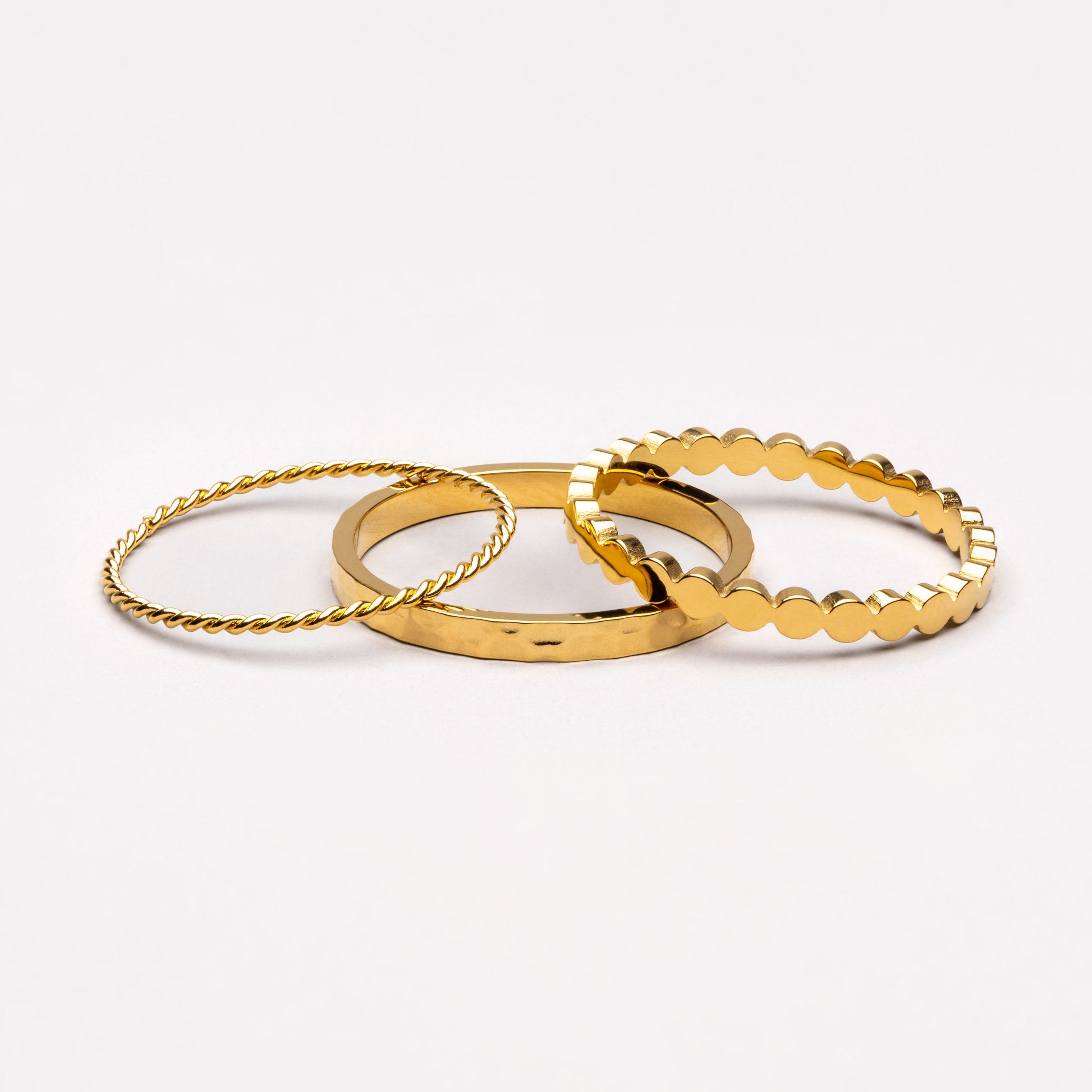
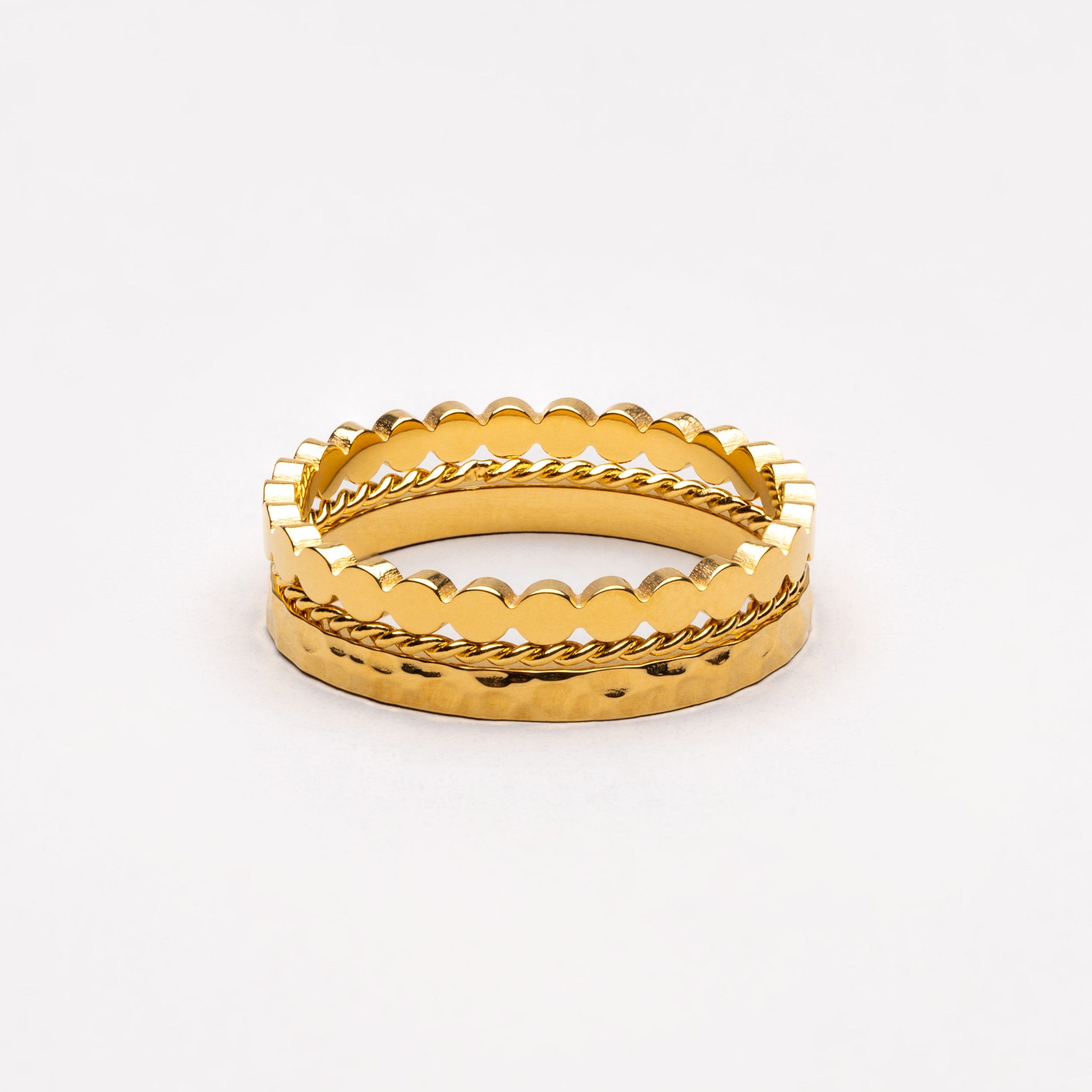
How can you keep silver from tarnishing? You keep silver from tarnishing by wearing it often so your skin’s natural oils form a protective micro-layer. Clean it gently with mild silver cleaner, distilled water, and soft, lint-free cloths, avoiding abrasives and acids. Store pieces bone-dry in rigid, airtight polypropylene containers with acid-free tissue and separate compartments. Add anti-tarnish strips, bags, or cloths, and keep silver away from rubber, felt, and newspaper—practical habits that help maintain pieces like those in Atolea’s Tarnish-Free Jewelry collection. With a few daily maintenance habits, you can greatly extend that bright finish.
Wear Silver Daily to Prevent Tarnish
Although it seems counterintuitive, wearing your silver regularly is one of the most effective ways to slow tarnish formation because your skin’s natural oils create a micro-layer that buffers the metal from air and moisture.
When you maintain daily exposure, you keep this lipid film renewing, which helps disrupt sulfur compounds and oxygen from binding directly to the silver surface.
You should aim for consistent wear patterns: rotate pieces so each receives frequent contact with your skin, especially areas that naturally produce more natural oils, like the neck and wrists.
Avoid long storage intervals; that’s when sulfur-containing gases accumulate on inactive surfaces.
After removing jewelry, quickly wipe it with a soft, dry cloth to redistribute residual oils evenly and minimize localized tarnish initiation zones.

Clean Silver Gently to Reduce Tarnish
Daily wear slows tarnish, but you still need controlled cleaning to remove early sulfur films before they harden into stubborn corrosion.
Start by rinsing pieces in lukewarm distilled water to dislodge loose contaminants. Then apply gentle cleaners formulated specifically for silver, never household abrasives or toothpaste.
Work in short sessions using technical polishing techniques: use a soft, lint‑free cloth, move in straight, linear strokes (not circles), and avoid high pressure that thins plating or rounds edges.
Target crevices with a soft natural‑bristle brush, keeping contact minimal over hallmarks and fine engraving.
Rinse thoroughly to remove chemical residues, then pat dry immediately with a clean microfiber cloth.
Inspect surfaces under strong light so you don’t leave reactive films that restart the tarnish cycle.
Store Silver So Air and Moisture Can’t Reach It
The most effective way to slow tarnish is to block the two primary drivers—airborne sulfur and humidity—by creating a controlled micro‑environment for your silver when it’s not in use.
For precise silver storage, choose rigid, non‑reactive containers such as polypropylene boxes with tight‑fitting lids. Line them with acid‑free tissue to buffer against residual pollutants from the environment or the container walls.
Before closing the container, verify that each piece is completely dry; even trace dampness defeats moisture control.
Use separate compartments or dividers so pieces don’t abrade each other and expose fresh reactive surfaces.
Position containers away from heat sources, exterior walls, and bathrooms where temperature and humidity fluctuate, since those shifts draw humid air into any tiny gaps.

Use Anti‑Tarnish Strips, Bags, and Cloths
Beyond smart storage, you can actively neutralize tarnish‑causing gases by using purpose‑made anti‑tarnish materials: strips, bags, and cloths engineered to capture sulfur compounds before they reach your silver.
Place anti‑tarnish strips inside drawers, cases, or display cabinets, spacing them so air can circulate across their surfaces. Replace them on the schedule the manufacturer specifies, since their adsorption capacity is finite.
For individual pieces or sets, seal items in anti tarnish bags made from reactive, sulfur‑absorbing film. Expel excess air before closing to reduce gas volume.
For items you use frequently, wrap them in protective cloths woven or impregnated with anti‑tarnish agents, ensuring full contact with all metal surfaces. Keep these textiles clean and dry so their chemistry remains effective.
Keep Silver Away From Harsh Household Chemicals
Although careful storage slows tarnish, you’ll undo that protection if you expose silver to harsh household chemicals that accelerate corrosion and etching. Minimize chemical exposure by removing silver jewelry before using bleach, ammonia cleaners, chlorine-based disinfectants, hair dye, or nail polish remover.
These agents attack the silver surface and any protective lacquer. In the kitchen, keep silver away from dishwasher detergents, acidic degreasers, and sulfur-containing rubber bands.
Always hand‑wash silver with mild, phosphate‑free dish soap, then rinse and dry immediately with a lint‑free cloth. Use only purpose‑designed silver cleaning products, and follow the manufacturer’s dwell times precisely.
Avoid multi‑surface metal polishes that contain abrasives or strong oxidizers; they can strip silver plating and create microscopic pits that trap tarnish.
Protect Vintage and Rarely Used Silver in Long‑Term Storage
When you’re storing vintage or rarely used silver for months or years, treat it as a controlled environment project rather than simple put‑away housekeeping.
Start with meticulous silver care: wash in mild detergent, rinse with deionized or distilled water, and dry with lint‑free, nonabrasive cloths. Any residual moisture or sulfur accelerates tarnish.
Next, select storage solutions that stabilize humidity and block pollutants. Use acid‑free tissue, sulfur‑free zip bags, or anti‑tarnish cloth pouches; exclude paper, rubber, and wool.
For sets, wrap each piece individually to prevent abrasion.
Place the wrapped silver in rigid, sealed containers with labeled contents and silica gel or activated charcoal packets.
Store containers in a dark, temperature‑stable closet, not attics, basements, or garages.
Adopt Simple Daily Habits to Keep Silver Shiny
Long‑term storage protects silver between uses, but what you do on ordinary days largely determines how often you’ll face heavy tarnish removal.
As daily maintenance, handle pieces with clean, dry hands to limit oils, salts, and sulfur transfer. After each use, wash silver promptly in mild detergent and warm water, avoiding lemon, vinegar, or abrasive powders that scratch plating.
Dry pieces immediately with a soft, lint‑free cloth, following the grain of the metal to minimize micro‑abrasions.
Integrate light polishing techniques weekly: use a treated silver cloth or non‑abrasive cream, applying minimal pressure and working in straight lines, not circles.
Finally, keep silver away from rubber bands, felt pads, and newspaper, which off‑gas sulfur compounds that accelerate tarnish.

Frequently Asked Questions
Can I Safely Use Natural Remedies Like Baking Soda to Polish Silver?
You can, but you must treat natural polishing with baking soda carefully. Make a thin paste, apply with a soft cloth, rub lightly, then rinse and dry thoroughly to avoid micro‑scratches and residual alkaline corrosion.
Does Gold-Plated Silver Tarnish the Same Way as Sterling Silver?
Gold‑plated silver doesn’t tarnish like exposed sterling; the gold plating shields silver from oxidation. You still implement tarnish prevention: avoid abrasion, sulfur, chlorine, and polish gently to preserve the thin gold layer and prevent base‑metal exposure.
How Does Humidity Level in My Home Affect Silver Tarnishing Speed?
Higher indoor humidity accelerates sulfur and oxygen reactions on silver, so tarnish forms faster. You manage humidity control with dehumidifiers and HVAC, then optimize silver storage using airtight containers, anti-tarnish strips, and silica gel to stabilize environmental conditions.
Are Ultrasonic Jewelry Cleaners Safe for All Types of Silver Items?
They’re not universally safe; you must assess alloy, stones, and construction to guarantee silver item safety. Ultrasonic cleaner effectiveness is high for solid sterling, but avoid pieces with glued settings, oxidized finishes, or porous gemstones to prevent damage.
Can Professional Re-Plating or Refinishing Remove Deep or Long-Term Tarnish Damage?
Yes, professional re-plating or refinishing can often remove deep or long-term tarnish damage. You’d rely on structured silver restoration techniques—abrasive correction, surface leveling, then controlled re-plating—plus sealing and maintenance protocols for long term tarnish prevention.
Conclusion
By using these seven practices consistently, you’ll slow the sulfur‑driven oxidation that causes tarnish and maintain silver’s original luster. Wear pieces regularly, clean with non‑abrasive methods, and seal out air and humidity during storage. Combine anti‑tarnish materials with chemical avoidance and protective long‑term packaging for seldom‑used items. When you embed these steps into daily and seasonal routines, you’ll minimize corrective polishing and keep your silver stable, bright, and display‑ready.











コメントを書く
このサイトはhCaptchaによって保護されており、hCaptchaプライバシーポリシーおよび利用規約が適用されます。