

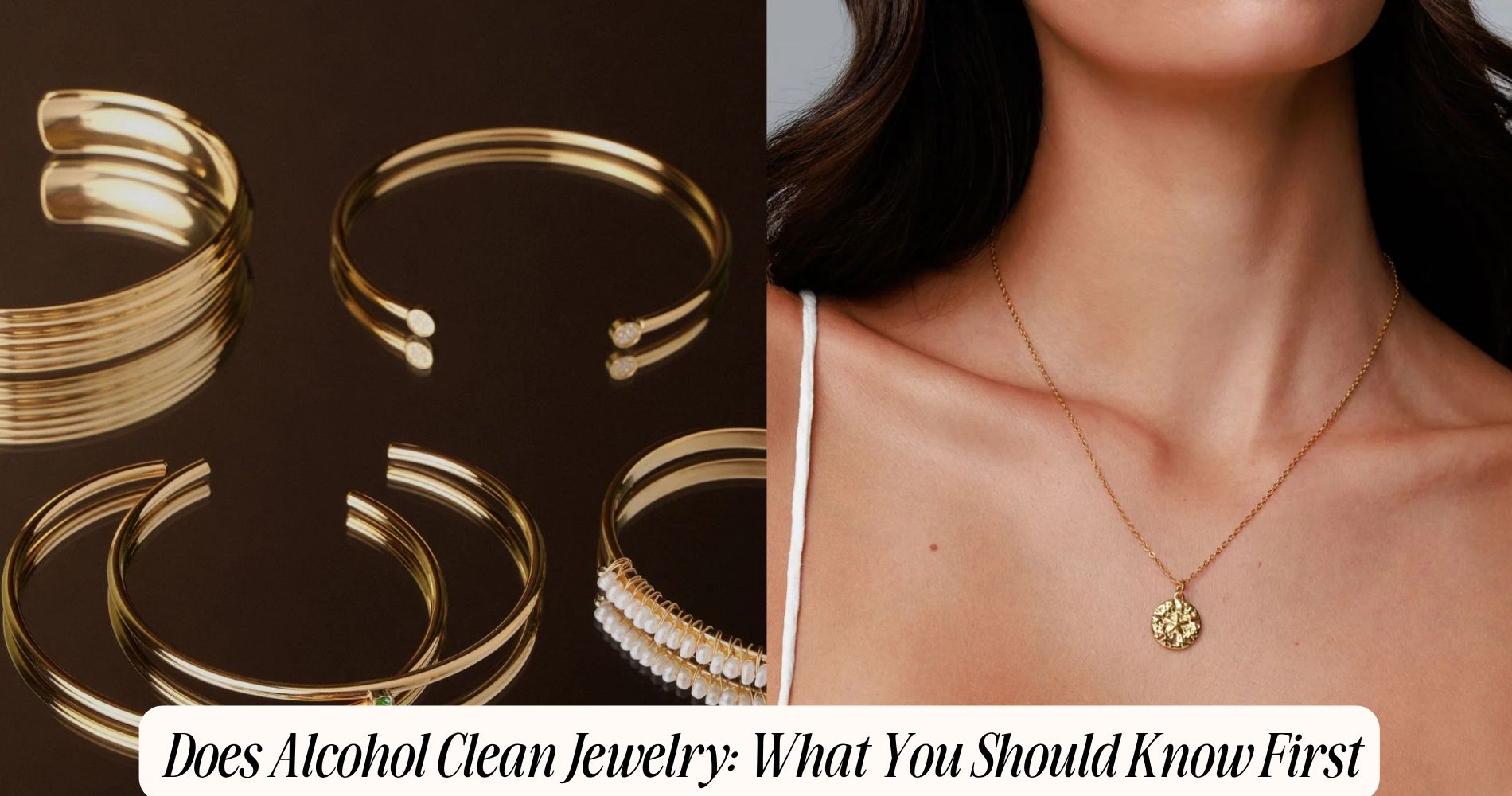
Does Alcohol Clean Jewelry: What You Should Know First
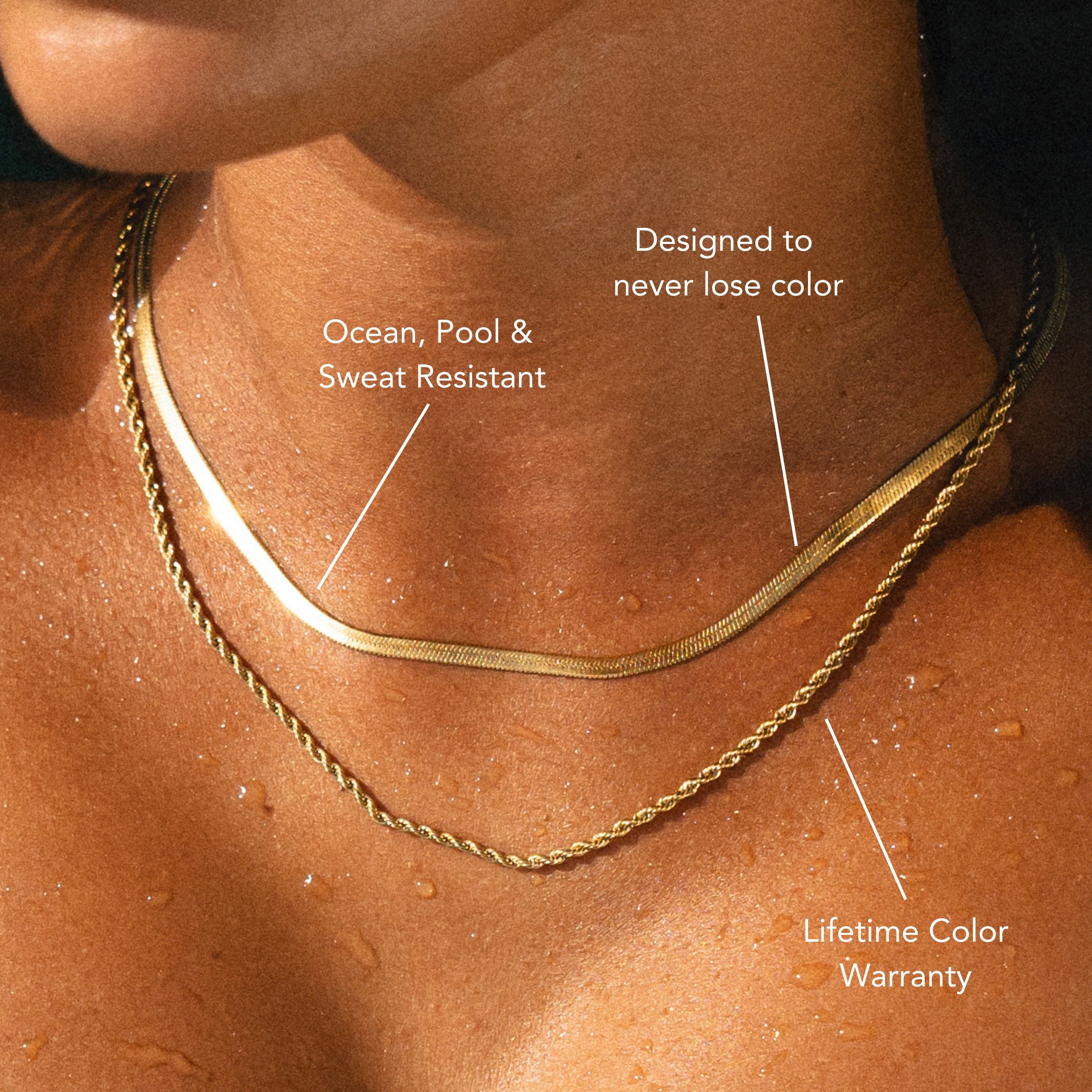
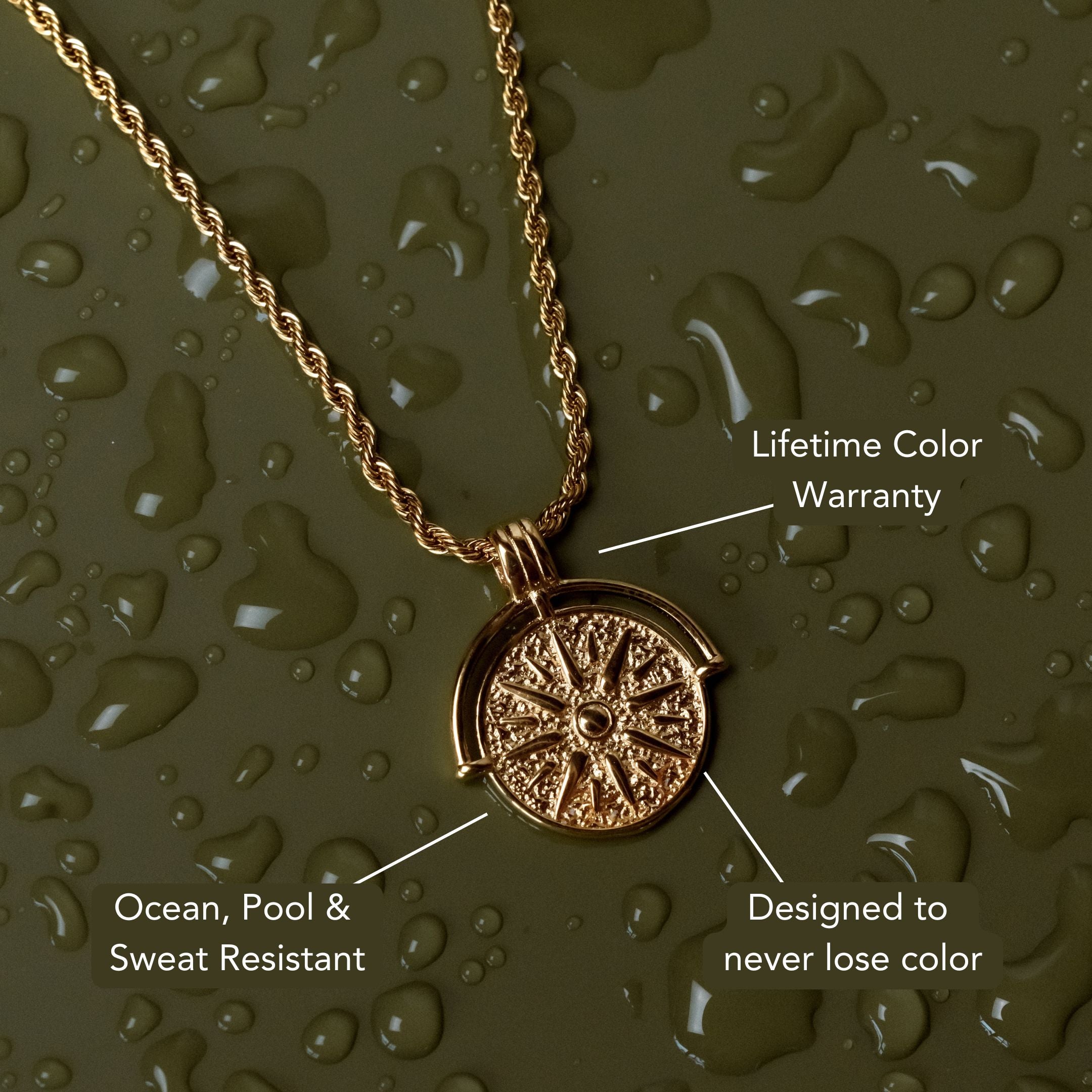
Does alcohol clean jewelry? You can use isopropyl or ethyl alcohol to disinfect and remove oil-based grime from many metal pieces, but it’s not suitable for everything. Gold, platinum, stainless steel, and titanium generally tolerate brief exposure, while sterling silver can be wiped but won’t lose tarnish this way. Avoid using alcohol on porous or delicate materials like pearls, opals, or turquoise, as well as plated or glued settings. Choosing durable options—like those in the Waterproof Jewelry collection—can make cleaning and maintenance much easier.
Quick Answer - Alcohol: What’s Safe, What’s Not
Alcohol can be effective for disinfecting and removing surface grime from many jewelry types, but its compatibility depends on the metal and gemstone chemistry. You should assess alcohol properties—volatility, solvent strength, and water content—against specific jewelry types before applying.
Isopropyl and ethyl alcohol dissolve oils and kill microbes without leaving residues, yet their dehydration effect can harm porous stones and organic materials. You’ll avoid soaking pieces with adhesives, lacquered finishes, or soft stones; brief, controlled application with a lint-free cloth is safer.
For robust, non-porous items you can use alcohol for quick sanitization, but always test an inconspicuous area, control contact time, and rinse and dry thoroughly to prevent concentrated solvent action or residual spotting.
Metals That Tolerate Isopropyl Alcohol
When you need a fast, low-residue disinfectant for jewelry, many noble and base metals—such as solid gold, sterling silver, platinum, stainless steel, and titanium—tolerate isopropyl alcohol well because they're non-porous and chemically inert to short exposures; use 70–90% isopropyl for cleaning and avoid prolonged soaking to prevent alloyed components or surface treatments from degrading.
You can safely wipe most gold alloys and stainless steel items to remove oils, fingerprints, and microbial contaminants without altering bulk metal properties.
Sterling silver tolerates brief wipes but won’t remove silver tarnish; use dedicated tarnish-removal methods when needed.
Apply minimal liquid, avoid impregnated seams and glued joins, and dry immediately.
For copper care, test a small area first: isopropyl won’t chemically polish patina and may leave residues in microcrevices.

Gemstones That Don’t Like Alcohol (And Why)
Because many gems are porous, treated, or contain internal fractures, you shouldn't assume isopropyl or ethanol-based cleaners are safe for every stone; these solvents can leach surface coatings, widen filled cracks, strip dye, or cause microfracture propagation in fragile materials.
You should treat opal, turquoise, pearl, amber, and certain emeralds as high-risk due to porosity, organic composition, or fracture-filling. Alcohol can desiccate organics, remove stabilizing oils, and dissolve common dye or resin treatments, producing irreversible damage.
Assess gemstone sensitivity by consulting lab reports or a qualified jeweler before using solvents. For sensitive stones, use distilled water with mild pH-neutral soap, soft-bristled brushing, or professional ultrasonic/steam cleaning only when confirmed safe. These cleaning alternatives minimize chemical interaction and mechanical stress.
Plating, Coatings and Glued Settings: Alcohol Risks
If your jewelry has plated finishes, protective coatings, or components held with adhesive, you should know that common alcohols can compromise those treatments and bonds.
You’ll find isopropyl and ethanol act as solvents that can thin or lift clear lacquers and accelerate metal ion migration, reducing plating durability.
Repeated or prolonged exposure changes surface energy, promoting micro-abrasion and color loss at contact points.
Alcohol also penetrates microscopic interstices and swell some polymer-based coatings, causing crazing or delamination.
When adhesives are involved, solvent action softens glue matrices, lowering adhesive integrity and increasing the risk of prong or stone detachment under mechanical stress.
For precision maintenance, rely on manufacturer guidance or non-solvent methods to protect plating durability and adhesive integrity.

Quick Test: Should You Use Alcohol on This Piece?
Given the risks to plating, coatings, and adhesives just described, you should perform a quick, controlled assessment before applying alcohol to any piece.
Inspect the item under a loupe for visible plating wear, surface coatings, and glue lines. Check markings or documentation for base metal and stone type; porous stones and treated surfaces often fail the test.
On an inconspicuous area, apply a single drop of isopropyl alcohol for 10–15 seconds, blot with a lint-free cloth, and examine for discoloration, coating lift, or adhesive softening.
Repeat only once if unsure. Record results and adjust your cleaning frequency based on vulnerability: more delicate pieces need less frequent interventions and careful jewelry maintenance, while robust items may tolerate more cleaning.
Safe Alcohol Cleaning for Sturdy Jewelry (Step‑by‑Step)
Start by gathering the required materials and preparing a controlled workspace: you'll need 70–90% isopropyl alcohol, lint-free microfiber cloths, cotton swabs, a small soft-bristled brush, a clean shallow dish, nitrile gloves, and good lighting with a loupe or magnifier.
Inspect the piece under magnification to confirm sturdiness and absence of porous stones or glued settings. Dismantle removable parts when possible.
Pour a small amount of alcohol into the dish; dampen a cloth, never soak the jewelry. Wipe metal surfaces with controlled strokes, use the brush for crevices, and employ cotton swabs for prongs and bezels.
Dry immediately with a clean microfiber cloth. Finish using approved polishing techniques for metal and document the procedure in your jewelry maintenance log for future reference.
Safer Cleaning Alternatives to Alcohol
While isopropyl alcohol works for many sturdy settings, you’ll often need gentler methods for delicate metals, porous gems, or pieces with adhesives.
Use water-based, pH-neutral soap solutions for routine cleaning: mix a few drops of mild dish soap in warm water, agitate gently, and rinse thoroughly.
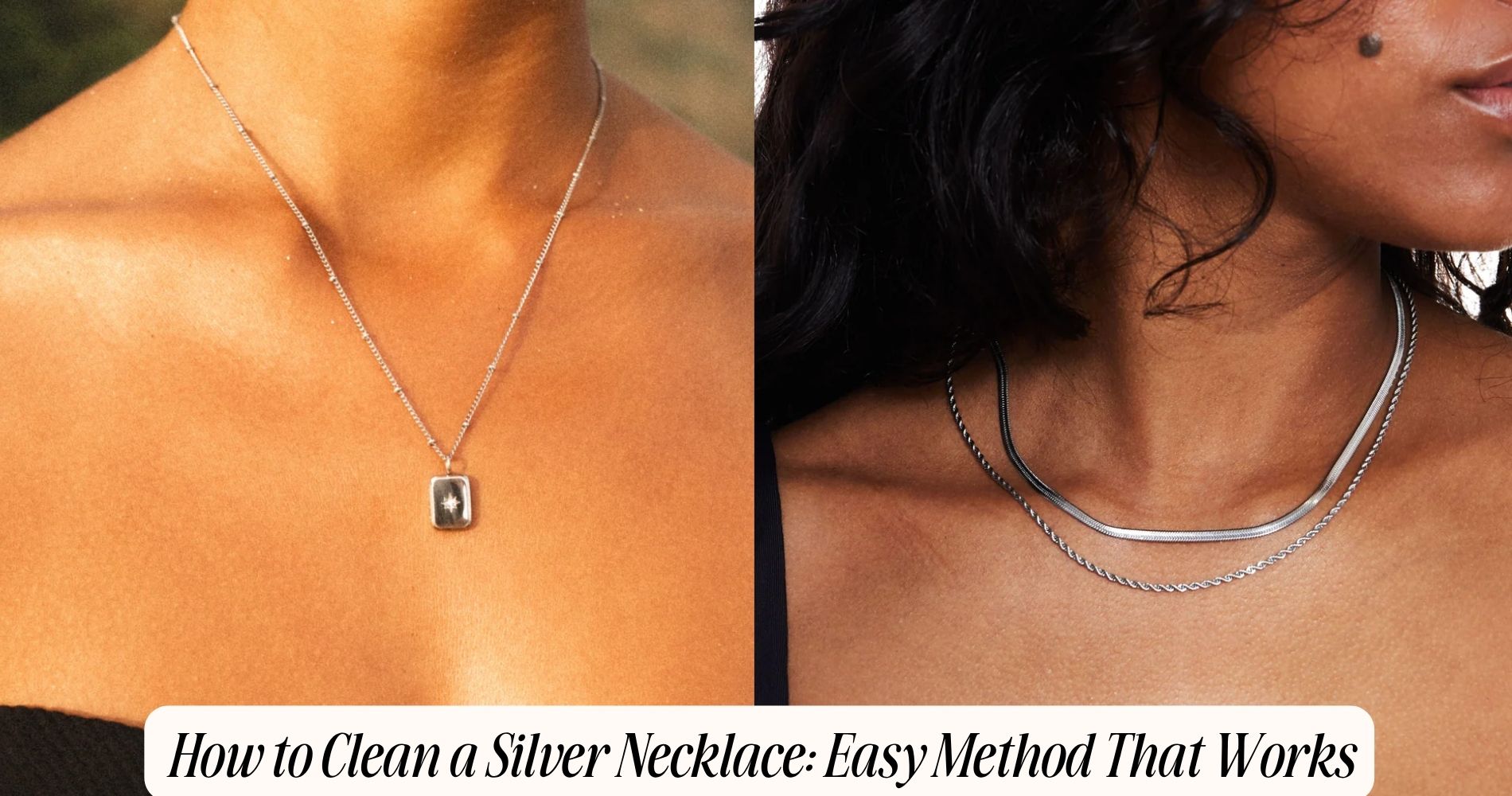
For oxidation on silver, employ a controlled chemical reduction using a baking soda and water paste applied sparingly, then rinse.
Ultrasonic cleaners can be effective for some hard stones and metals but avoid for fracture-prone or treated gems.
Enzyme-based or vinegar-free eco friendly solutions remove organic residues without degrading adhesives.
Homemade cleaners combining distilled water and mild surfactant provide safe, low-risk action.
Always test on an inconspicuous area before full application.

Storage and Care to Reduce Harsh Cleaning
If you store jewelry properly, you’ll greatly reduce the need for aggressive cleaning and the risk of long-term damage. You should segregate items by metal and gemstone type to prevent galvanic corrosion and abrasion: use individual soft pouches, compartmentalized boxes, or anti-tarnish strips for silver.
Maintain low-humidity storage and avoid direct sunlight to limit oxidation and organic deterioration. Implement a documented jewelry organization system—label compartments and record materials—to streamline inspections and handling.
Limit contact with chemicals by removing pieces before applying cosmetics, cleaning agents, or chlorine exposure. Adjust cleaning frequency based on wear cycles and visible soiling; inspect monthly for residue accumulation and annually for professional maintenance.
These measures reduce harsh-cleaning needs and extend service life.
Frequently Asked Questions
Can Alcohol Remove Deep Scratches From Jewelry?
No — alcohol won’t remove deep scratches; it’s for sanitizing and light polishing only. You’ll need professional scratch removal techniques like polishing, buffing, or resurfacing during a deep cleaning to restore metal or gemstone surfaces.
Is Hand Sanitizer Safe for Cleaning Gemstones?
Hand sanitizer effectiveness for cleaning gemstones is limited; you shouldn’t use it broadly. Its alcohol and additives can harm porous or treated stones, dull coatings, and loosen settings, so assess gemstone safety before applying any sanitizer.
Will Alcohol Damage Antique or Heirloom Pieces?
Yes — alcohol can damage antique or heirloom pieces: you should avoid it for delicate finishes, porous stones, glued settings; consult antique care guidelines and professional heirloom preservation services to assess safe, material-specific cleaning methods.
Can Alcohol Affect Jewelry Warranty or Insurance Claims?
Yes — using alcohol can have warranty implications and potentially affect insurance coverage if it causes damage. You should document cleaning methods, consult warranty terms, and notify insurers to avoid denied claims tied to improper maintenance.
How Often Should I Use Alcohol to Sanitize Jewelry?
You should sanitize jewelry with alcohol sparingly — at most monthly for durable metals and simple stones — and never for porous or soft gems; follow jewelry cleaning methods guidance and consider alcohol alternatives like mild soap or ultrasonic.
Conclusion
You can use isopropyl alcohol for many sturdy pieces, but you should avoid it on porous, treated, or heat-sensitive stones and on plated or glued jewelry. When unsure, perform a quick test on an inconspicuous area or consult a jeweler. For routine care, prefer mild soap, warm water, and a soft brush; reserve alcohol for metal-only items and brief contact. Proper storage and gentle handling will reduce the need for harsh cleaners.










コメントを書く
このサイトはhCaptchaによって保護されており、hCaptchaプライバシーポリシーおよび利用規約が適用されます。