


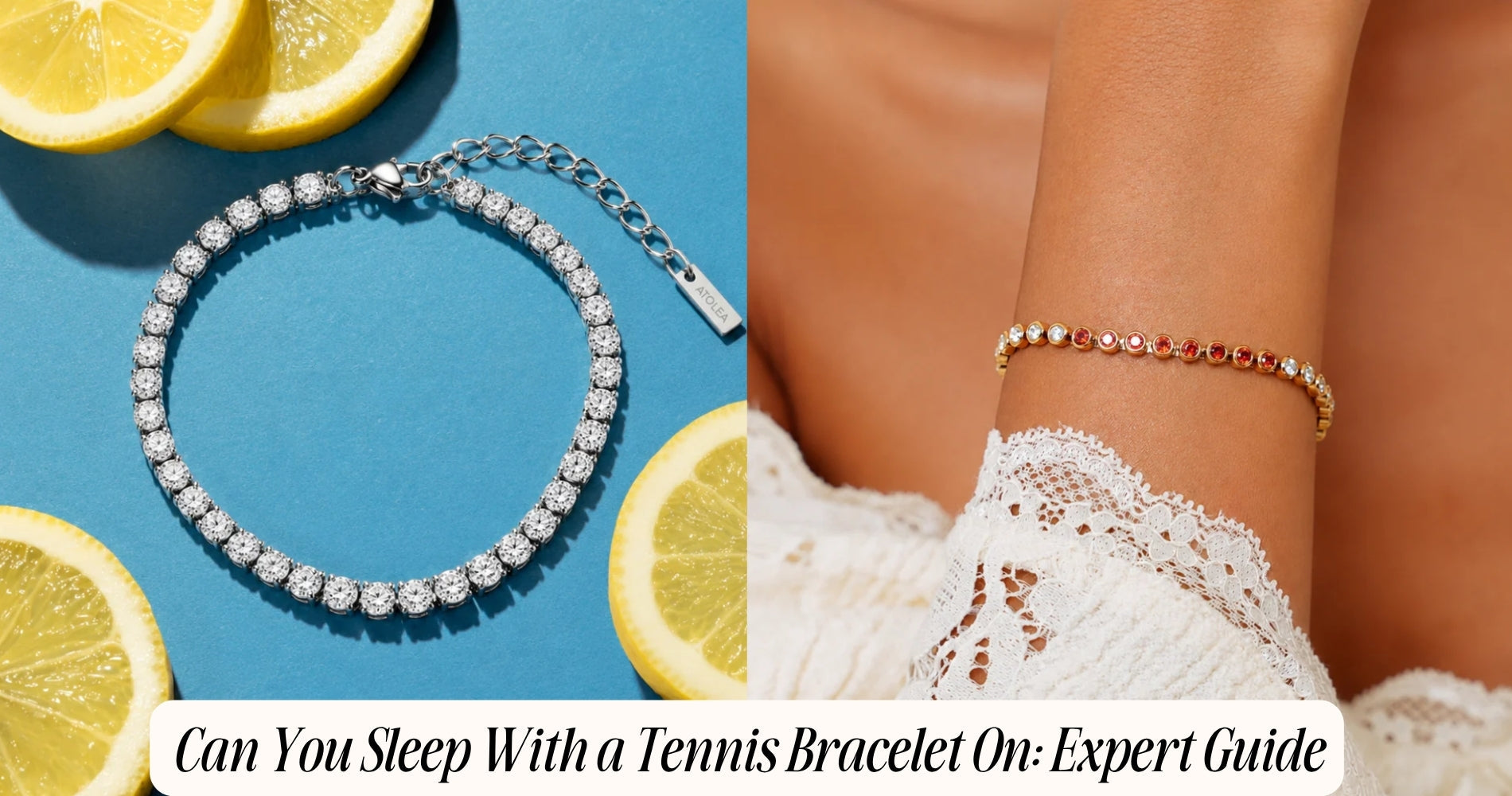
Can You Sleep With a Tennis Bracelet On: Expert Guide
Can you sleep with a tennis bracelet on? Tennis bracelets have a way of becoming part of your everyday look, sitting delicately on your wrist through work, workouts, and weekend plans. So when bedtime rolls around, it is fair to wonder whether you really need to take it off, or if it is fine to just leave it on and drift off to sleep.
The answer depends on a few factors, including the bracelet's material, its clasp style, and how sensitive your skin tends to be. In this guide, we will walk through everything you need to know about sleeping with a tennis bracelet on, along with how choosing the right materials, like the pieces in our Waterproof Bracelets collection, can make this decision much easier.
The Short Answer
In general, it is not the best habit to sleep with a tennis bracelet on every night, even if it is made from high-quality, durable materials. While an occasional night here and there is unlikely to cause serious harm, regular overnight wear increases the risk of clasp damage, skin irritation, and even losing the bracelet entirely if the clasp loosens while you move during sleep.
That said, the level of risk really does depend on the specific bracelet. Well-made pieces with secure clasps and tarnish-resistant materials are far less likely to cause problems than delicate, lower-quality bracelets with weak closures.

Why Sleeping With a Tennis Bracelet Can Be Risky
Tennis bracelets are designed to sit flat and secure along the wrist, typically featuring a continuous line of stones held in place by small prongs or settings. While beautiful, this design also comes with a few vulnerabilities worth understanding before deciding to wear one overnight.
Clasp stress. Most tennis bracelets use a small clasp, sometimes a box clasp with a safety latch, sometimes a simple hook style. Constant movement during sleep can put repeated pressure on this clasp, increasing the chance of it loosening, bending, or breaking over time.
Snagging. Tennis bracelets can easily catch on bedding, pajamas, or even your hair while you toss and turn at night. This snagging can loosen stone settings or, in some cases, cause a stone to fall out entirely.
Skin irritation. For those with sensitive skin, prolonged contact with metal, especially in a position where the bracelet cannot move or breathe, can sometimes lead to redness, itchiness, or mild irritation.
Increased loss risk. If a clasp does loosen while you sleep, there is a real chance the bracelet could slip off unnoticed, especially since you are unlikely to feel it happen while asleep.
None of this means a tennis bracelet is fragile or poorly made. It simply means that sleep involves a lot of movement, friction, and pressure that daily activities typically do not.

When It May Be Okay to Sleep With a Tennis Bracelet On
There are situations where sleeping with a tennis bracelet on is less risky, particularly if the following apply.
The bracelet has a secure, well-made clasp. A tight, well-functioning clasp with a safety latch significantly reduces the risk of the bracelet coming loose during sleep.
The bracelet is made from durable, tarnish-resistant materials. Solid gold, titanium, and other high-quality materials are more resistant to the wear and tear that comes with regular overnight use compared to plated or lower-quality metals.
You do not have sensitive skin. If you have never experienced irritation from wearing jewelry for extended periods, an occasional night with a tennis bracelet on is unlikely to cause a reaction.
It is just an occasional night, not a daily habit. Wearing a tennis bracelet to sleep once in a while, such as after a late night out, carries far less risk than making it a nightly routine.

When You Should Take It Off Before Bed
On the other hand, there are clear situations where removing your tennis bracelet before sleep is the smarter choice.
The clasp feels loose or worn. If you have noticed the clasp does not close as securely as it used to, sleeping in the bracelet significantly increases the risk of losing it.
You have sensitive skin or a known metal allergy. Extended, uninterrupted contact with certain metals overnight can increase the likelihood of irritation for those prone to reactions.
The bracelet is delicate or has loose stones. If any stones already feel slightly loose, added pressure and movement from sleep could cause them to fall out completely.
You move a lot during sleep. If you know you toss and turn frequently, the increased friction and movement raises the chances of snagging or clasp stress.
You care about long-term wear. Even durable bracelets experience less wear and tear when given a break overnight, helping preserve their shine and structural integrity for years to come.
How to Care for Your Tennis Bracelet at Night
If you do decide to leave your tennis bracelet on overnight occasionally, a few small habits can help protect both your skin and your jewelry.
- Double check the clasp before bed to make sure it is fully secured.
- Avoid sleeping in a bracelet after applying lotion, since product residue can build up against the skin overnight.
- Choose smoother sheets and pajama fabrics when possible, reducing the chance of snagging compared to rougher textures.
- Inspect the bracelet in the morning for any signs of looseness, stretching, or irritation.
- Give your skin regular breaks by removing the bracelet every few nights, even if you generally sleep in it.
If you consistently prefer sleeping with jewelry on, it may be worth considering pieces specifically designed for durability and secure, long-term wear.

Why Material and Clasp Quality Matter So Much
The biggest factor in whether it is safe to sleep with a tennis bracelet on almost always comes down to quality. A well-constructed bracelet with a secure clasp and tarnish-resistant materials is simply built to handle more movement, friction, and daily wear than a delicate or lower-quality piece.
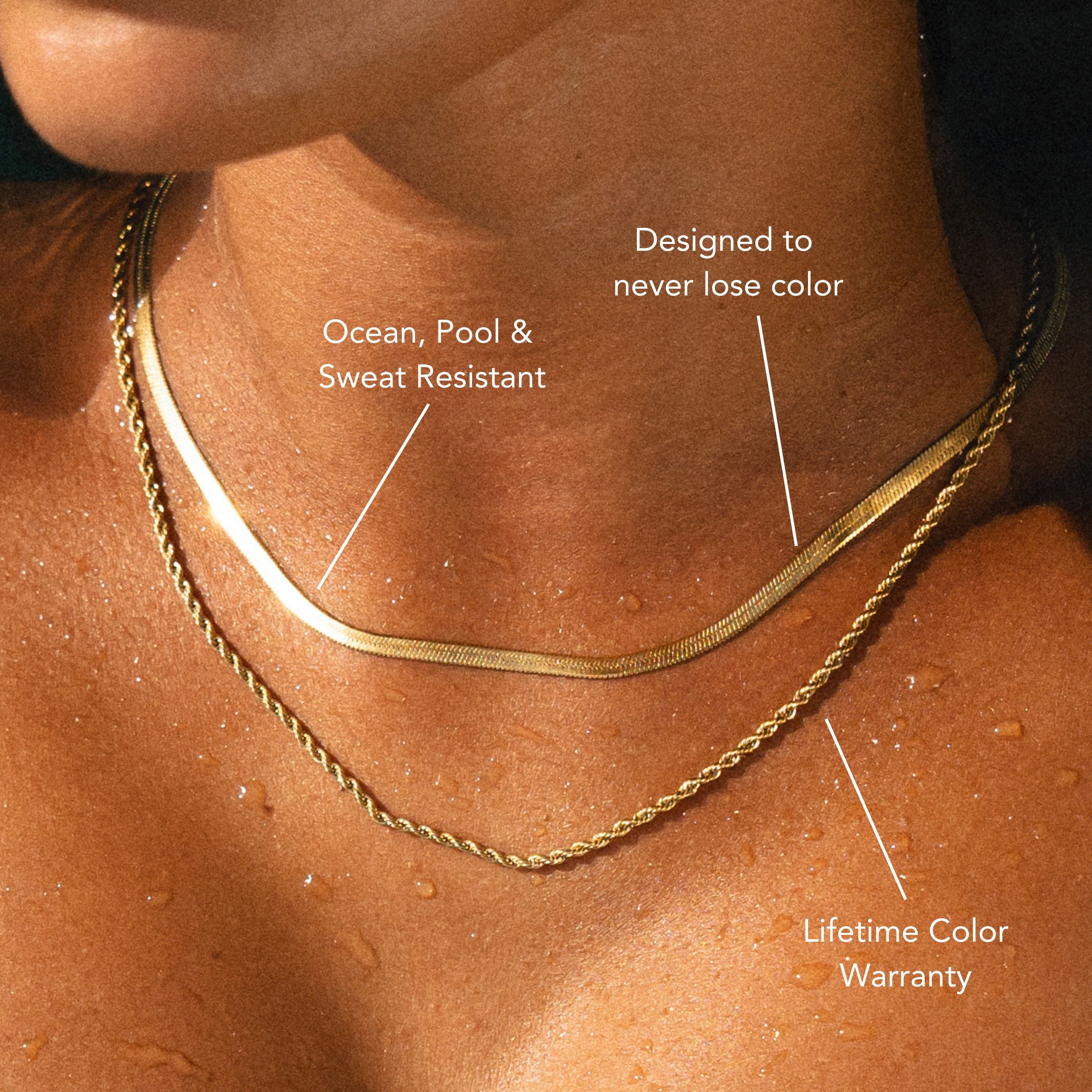
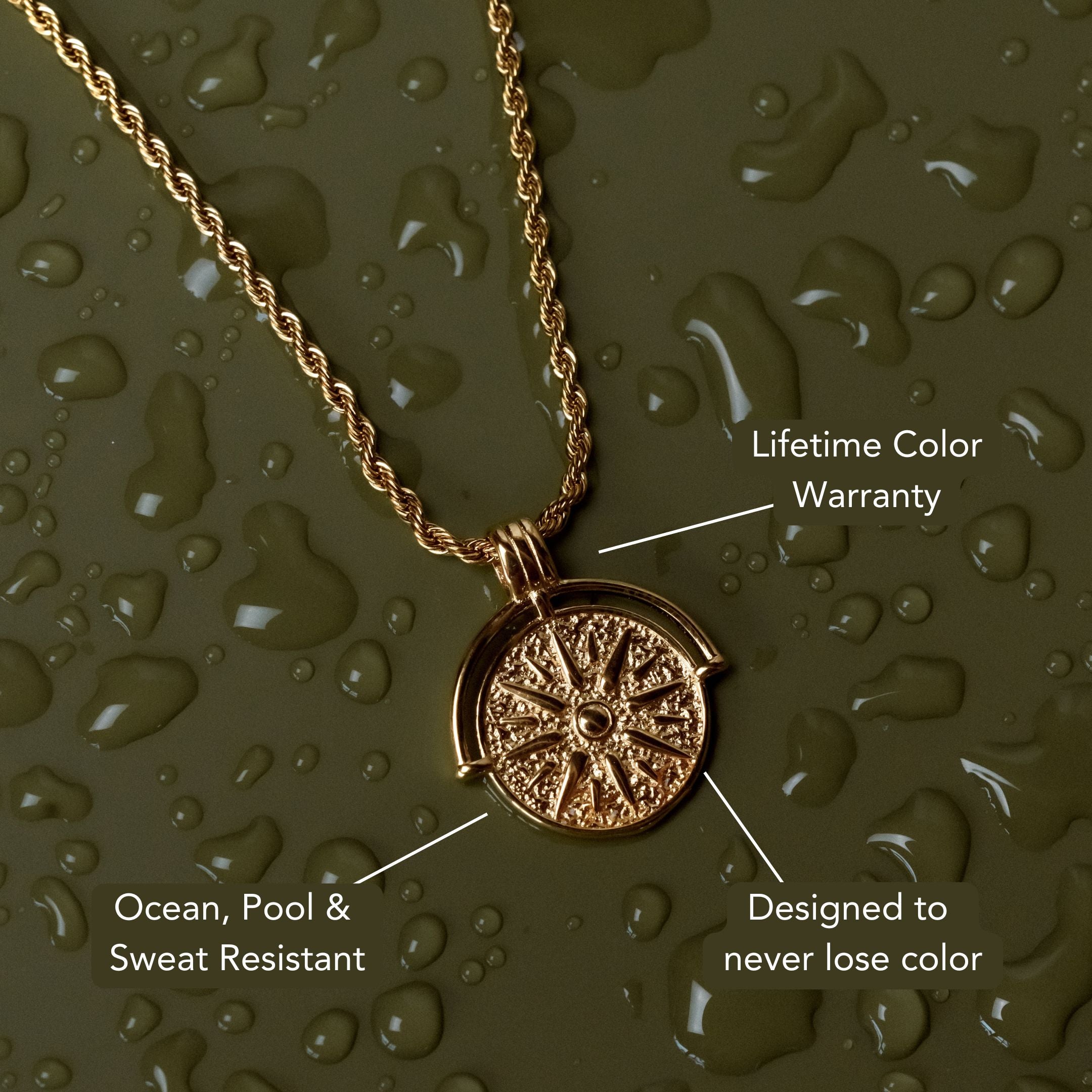
At Atolea, our bracelets are designed with everyday durability in mind, using waterproof, tarnish-resistant materials paired with secure closures built to handle real life, including workouts, showers, and yes, the occasional night you forget to take them off. Choosing high-quality pieces from the start reduces the guesswork and gives you far more flexibility in how and when you wear your jewelry.
Final Thoughts
So, can you sleep with a tennis bracelet on? Occasionally, yes, especially if it is made from durable materials with a secure clasp. As a regular nightly habit, however, it is generally better to remove it, both to protect the clasp and stones from unnecessary wear and to give your skin a break.
If you want more flexibility in your everyday jewelry routine, choosing waterproof, tarnish-resistant pieces built for durability can make these decisions much simpler, whether you are heading to bed, into the shower, or out for the day.
Frequently Asked Questions
1. Will sleeping in a tennis bracelet damage it? Occasional overnight wear is unlikely to cause serious damage, especially with a well-made bracelet. However, regular nightly wear increases the risk of clasp stress, snagging, and loosened stones over time.
2. Can a tennis bracelet fall off while I sleep? Yes, if the clasp is worn or not fully secured, movement during sleep can cause it to loosen and potentially slip off unnoticed.
3. Is it bad for your skin to sleep in jewelry? For some people, prolonged contact with certain metals overnight can lead to mild irritation, especially for those with sensitive skin. Choosing hypoallergenic materials can help reduce this risk.
4. What type of tennis bracelet clasp is the most secure for overnight wear? Box clasps with a safety latch are generally considered more secure than simple hook closures, since the added latch reduces the chance of accidental opening.
5. Are waterproof bracelets safer to sleep in? Waterproof, tarnish-resistant bracelets are often made with more durable materials and construction, making them better suited for occasional overnight wear compared to delicate or plated pieces.









コメントを書く
このサイトはhCaptchaによって保護されており、hCaptchaプライバシーポリシーおよび利用規約が適用されます。