

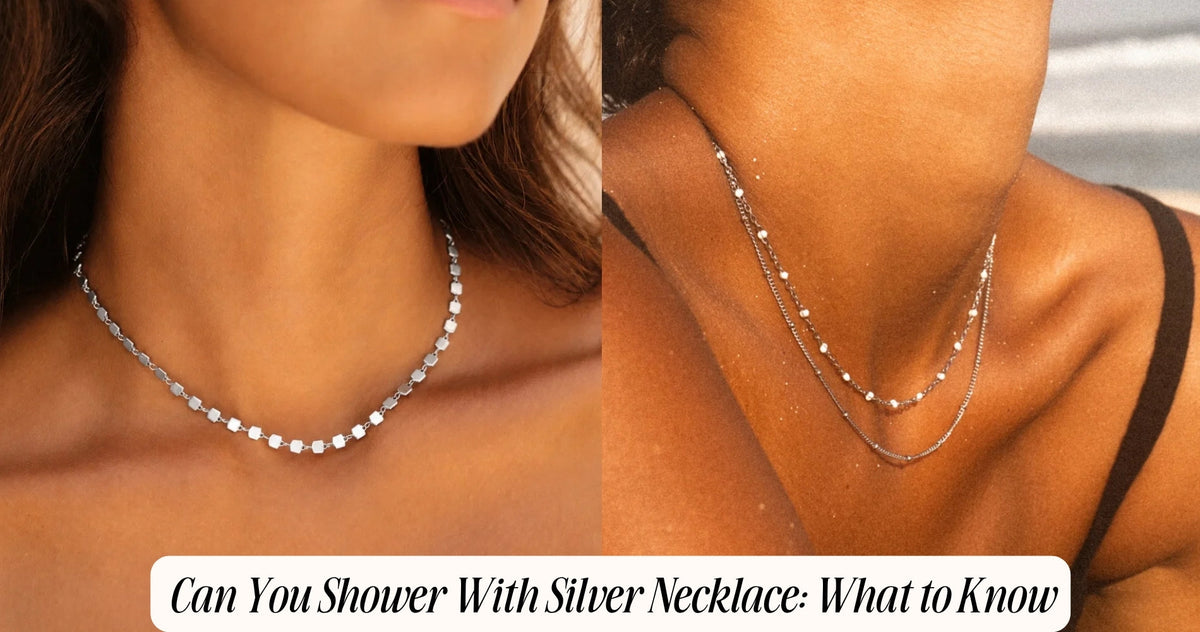
Can You Shower With Silver Necklace: What to Know
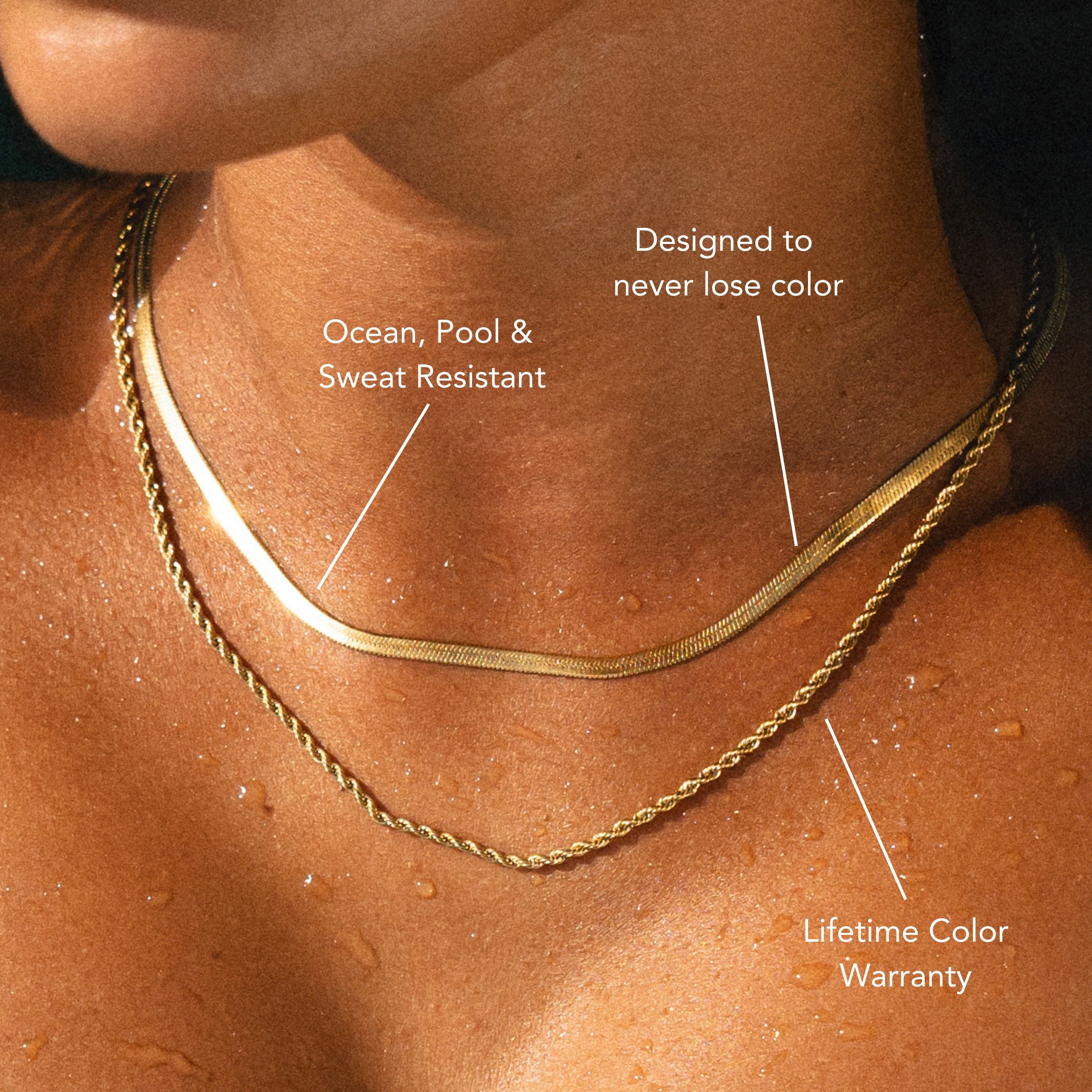
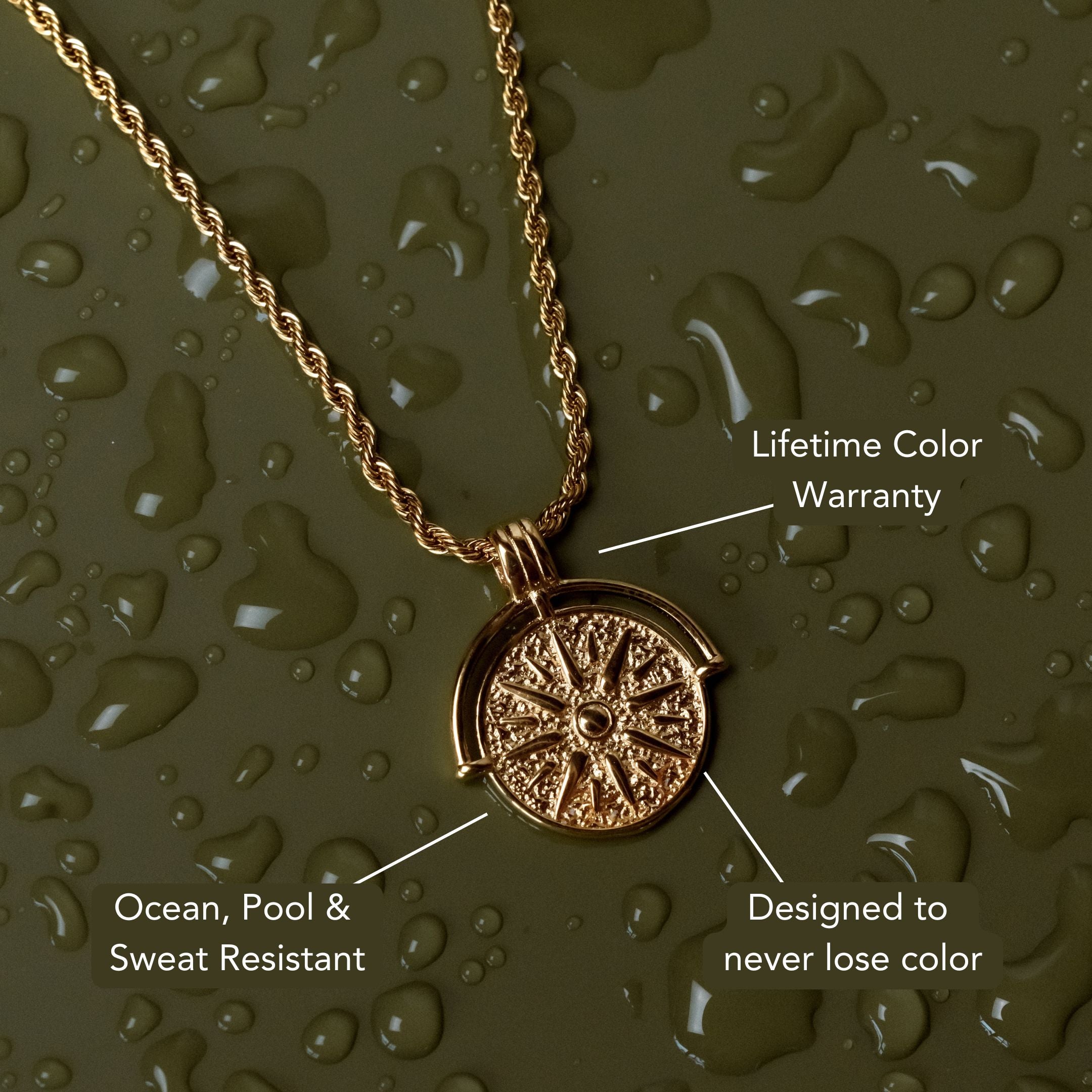
It happens to almost everyone at some point. You hop in the shower and realize halfway through that you forgot to take off your necklace. So, can you shower with silver necklace jewelry without ruining it? The short answer is that occasional exposure usually will not cause lasting harm, but regular showering with silver jewelry can speed up tarnishing and other wear over time. If you want jewelry built to handle daily water exposure without worry, our Waterproof Necklaces collection is designed specifically for that kind of everyday convenience.
In this guide, we will explain how water and shower products affect silver jewelry, what happens with occasional versus regular exposure, and how to keep your pieces looking their best either way.
What Happens When Silver Gets Wet
Sterling silver, the most common type of silver used in jewelry, is made up of 92.5 percent pure silver combined with other metals, typically copper, for added strength. Pure water on its own does not immediately damage silver, but the combination of water, air, and the various chemicals found in soap, shampoo, and other shower products can accelerate a natural chemical reaction called tarnishing.
Tarnish occurs when silver reacts with sulfur compounds in the air, gradually forming a dark, dull layer on the surface of the metal. While water itself is not the primary cause of tarnish, moisture can speed up this chemical process, particularly when combined with the residue left behind by soaps, shampoos, and other personal care products commonly used in the shower.

Is It Safe to Shower With Silver Occasionally
An occasional accidental shower while wearing a silver necklace is unlikely to cause significant or lasting damage. A single instance of water exposure generally will not noticeably speed up tarnish or cause structural issues with the piece, especially if you dry it off reasonably soon afterward.
That said, occasional exposure is quite different from making it a regular habit. A single slip up is not something to worry about, but consistently showering with silver jewelry on a daily or near daily basis introduces a different set of risks worth understanding.
Why Regular Showering Can Be Harder on Silver
When silver jewelry is exposed to water, soap, shampoo, and other shower products on a regular basis, a few specific problems tend to develop over time. Soap residue can build up in small crevices, settings, or detailed engravings, gradually dulling the metal's natural shine and making the piece look cloudy or grimy even after drying.
Certain ingredients found in shampoos, conditioners, and body washes, including sulfates and fragrances, can also react with silver over time, potentially accelerating tarnish formation more than plain water alone would cause. Additionally, frequent temperature changes between hot shower water and cooler air can place subtle stress on certain settings or clasps over time, particularly for pieces with more delicate or intricate designs.
Does Chlorine or Hard Water Make a Difference
If your shower water is particularly hard, meaning it contains higher mineral content, or if you have a water softening system that uses certain chemicals, this can sometimes affect how quickly silver tarnishes compared to showering with standard tap water. Similarly, if your water supply contains higher chlorine content, this can potentially contribute to more noticeable discoloration over time with frequent exposure.
While these factors are generally secondary to the primary tarnishing process caused by sulfur compounds in the air, they can still play a role in how quickly a piece of silver jewelry shows signs of wear with regular shower exposure.

Signs Your Silver Necklace Has Been Affected by Water Exposure
If you have been showering with a silver necklace regularly, a few signs can indicate it is time for a thorough cleaning or a break from this habit. A dull, cloudy appearance that does not restore itself with a quick wipe is one of the most common early signs of tarnish buildup. Visible dark spots or an uneven discoloration pattern, particularly around clasps, settings, or detailed areas, can also indicate more significant tarnish accumulation requiring deeper cleaning.
If you notice these signs developing more quickly than expected, it may be worth reconsidering whether a specific piece is well suited for regular water exposure, or whether it needs more frequent cleaning to keep up with current habits.
How to Clean Silver Jewelry Affected by Shower Exposure
If your silver necklace has developed some tarnish from regular shower exposure, a few simple cleaning methods can help restore its shine. A dedicated silver polishing cloth works well for light tarnish, gently rubbing the surface until the dullness lifts. For more noticeable tarnish, a mild soap and water solution combined with a soft bristled brush can help remove deeper buildup, particularly in small crevices or detailed settings.
For significant tarnish, a specialized silver cleaning solution may be necessary, though it is worth checking that the solution is safe for any gemstones or other decorative elements attached to the piece before use.
Tips for Protecting Silver Jewelry From Water Damage
A few simple habits can help protect silver jewelry if you do choose to wear it in the shower regularly, or if you simply want to minimize the risk of accidental exposure. Rinse jewelry with clean water immediately after showering if soap residue has built up, helping to remove potentially reactive ingredients before they have time to settle into the metal's surface. Dry pieces thoroughly with a soft cloth after any water exposure, since lingering moisture can contribute to faster tarnish development. Store silver in an anti tarnish pouch or lined jewelry box between wears, which can help slow the overall tarnishing process even for pieces that regularly encounter water.

When Waterproof Jewelry Makes More Sense
If you find yourself consistently forgetting to remove jewelry before showering, or if you simply prefer the convenience of not having to think about it, choosing jewelry specifically designed to handle regular water exposure can eliminate this concern entirely. Materials like stainless steel, titanium, and certain specially coated metals are far more resistant to the effects of water, soap, and daily moisture exposure compared to traditional sterling silver.
This makes waterproof jewelry a practical choice for anyone with an active lifestyle, frequent swimming or showering habits, or simply a preference for low maintenance jewelry that does not require careful removal before daily routines.
Final Thoughts
So, can you shower with silver necklace jewelry on without worry? An occasional slip up is generally not a significant concern, but making it a regular habit can accelerate tarnishing and buildup over time, particularly due to the combined effects of water, soap, and shower product residue. If you prefer not to think about removing jewelry before every shower, choosing pieces specifically designed for water resistance offers a convenient, low maintenance alternative.
With a bit of awareness and the right care habits, you can keep your silver jewelry looking its best, whether you choose to remove it before showering or simply clean it a bit more regularly to account for daily exposure.
Frequently Asked Questions
1. Can you shower with silver necklace jewelry occasionally without damage?
Yes, an occasional accidental shower is unlikely to cause significant damage, though drying the piece afterward helps minimize any potential effects.
2. Does showering every day with silver jewelry cause tarnish?
It can accelerate the natural tarnishing process over time, particularly due to repeated exposure to soap, shampoo residue, and moisture.
3. Is it the water or the soap that damages silver more?
Soap and shower product residue generally play a larger role than plain water alone, since certain ingredients can react with silver and speed up tarnish formation.
4. How can I clean silver jewelry that has tarnished from shower exposure?
A silver polishing cloth works well for light tarnish, while a mild soap and water solution with a soft brush can help with more noticeable buildup.
5. What jewelry is better for daily shower wear than silver?
Materials like stainless steel, titanium, and specially designed waterproof jewelry hold up significantly better to daily water exposure than traditional sterling silver.









コメントを書く
このサイトはhCaptchaによって保護されており、hCaptchaプライバシーポリシーおよび利用規約が適用されます。