

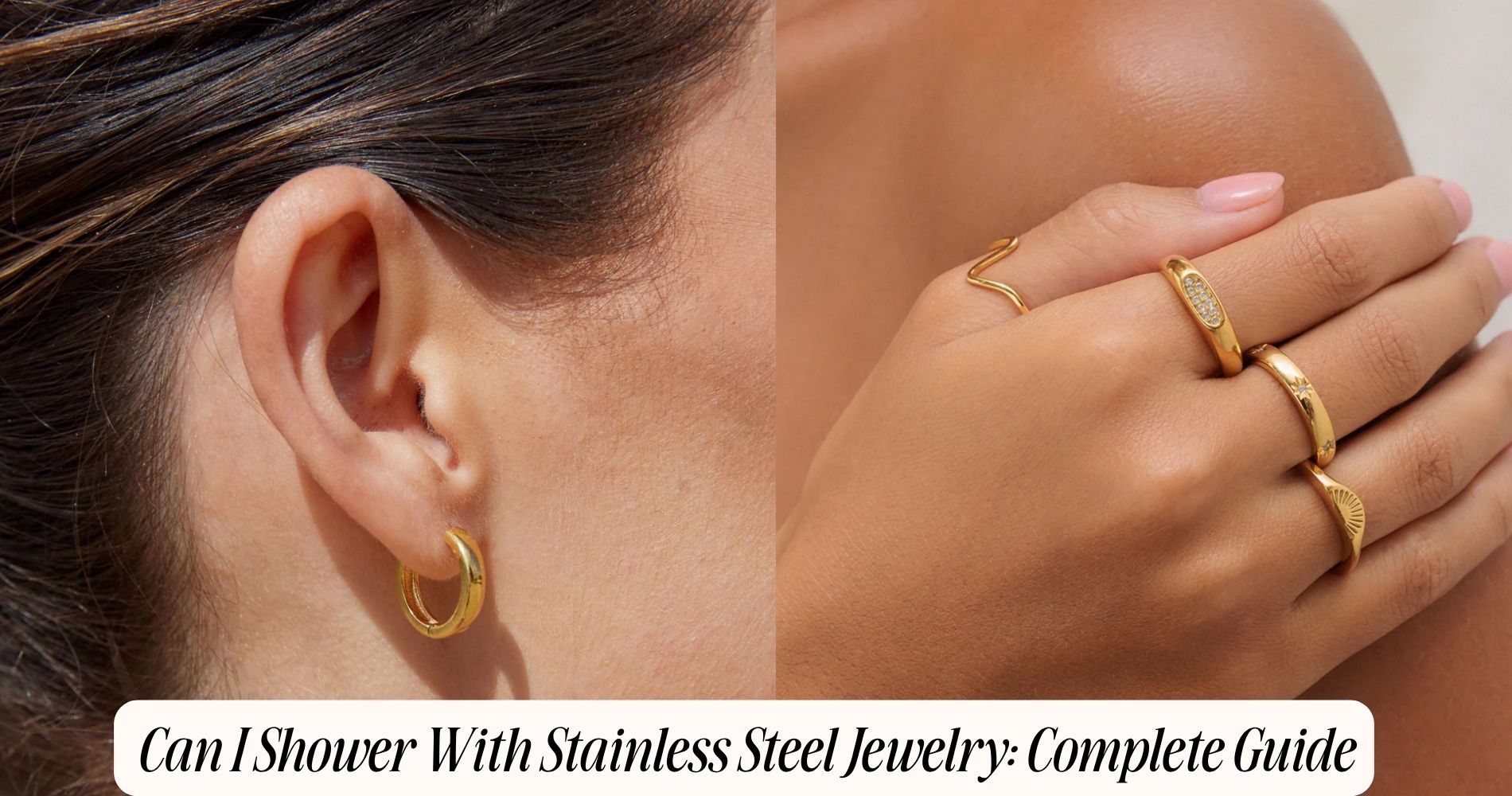
Can I Shower With Stainless Steel Jewelry: Complete Guide
Stainless steel jewelry and the shower is one of the most practical daily wear questions a jewelry owner can ask. The answer is more specific than a simple yes or no, because the grade of stainless steel, the finish applied over it, and the type of piece all affect how it performs through daily shower exposure. Can I shower with stainless steel jewelry if it is surgical grade with a PVD finish? Yes, reliably. If it is unspecified-grade stainless with standard plating? The answer is more complicated. Waterproof Jewelry built to a genuine shower-safe standard makes the decision straightforward. This guide covers what the shower specifically does to stainless steel at the material level, how different grades and finishes perform, and what to expect piece by piece when you choose to keep stainless steel jewelry on in the shower.
What the Shower Does to Stainless Steel Specifically
The shower creates a specific environment that differs from other water contact in ways that matter for stainless steel jewelry performance.
Soap and shampoo chemistry. Shampoo, conditioner, and body wash contain surfactants, silicones, pH-adjusting compounds, and preservatives that are more chemically active than plain water. On stainless steel's passive chromium oxide film, most of these compounds have no meaningful effect. However, surfactants can penetrate into the micro-gaps of jewelry construction, including link joins, clasp mechanisms, and the area around stone settings, leaving residue that does not clear with the shower rinse alone. Over time that residue accumulates and dulls the finish surface rather than corroding the metal.

Steam and thermal cycling. A daily hot shower creates a sustained steam environment followed by rapid cooling when the shower ends. For uncoated 316L stainless steel, this thermal cycling has negligible effect because the passive film reforms continuously with oxygen exposure. For PVD-coated stainless steel, the atomic-level bond of the coating handles thermal cycling without the adhesion stress that causes standard electroplated finishes to lift at edges over time. For stainless steel with standard electroplated finishes (gold electroplating over steel), repeated thermal cycling contributes to the eventual loosening of the plating bond, though the non-reactive steel base means the consequences are less severe than with plated brass.
Hard water mineral deposits. Tap water in most municipal supply systems contains dissolved calcium, magnesium, and other minerals that deposit on surfaces as the water evaporates. On stainless steel, these deposits accumulate on the surface and inside construction joints over time, producing a dull, chalky appearance that is not corrosion but is visually similar. A brief wipe-down after showering removes the water film before it evaporates and prevents most mineral deposit accumulation.
Soap residue in joins and mechanisms. Chain link joins, clasp interiors, and setting bezels trap soapy water during the shower. Unlike the metal surfaces that drain freely, these enclosed spaces retain moisture and dissolved soap longer. On stainless steel the metal itself is unaffected, but accumulated soap residue in those spaces creates the dull, grimy appearance that people sometimes attribute to corrosion when it is actually a cleaning issue.
Grade Performance in the Shower
Not all stainless steel used in jewelry is the same. The grade determines the quality of the passive film and its specific resistance to the compounds in shower water.
316L surgical-grade stainless steel is the appropriate grade for jewelry worn through daily showers. Its chromium-molybdenum composition produces a passive film that resists the mild chlorides present in some municipal water supplies and the chemical compounds in personal care products without any degradation. The L designation indicates low carbon content, which prevents carbide precipitation at welded joins and maintains corrosion resistance uniformly across the piece. Daily shower wear for years does not degrade 316L's passive film because the film is self-renewing: any disruption to its surface is immediately repaired by oxygen contact.

304 stainless steel handles daily shower exposure adequately for most people in most water conditions. Its lack of molybdenum means slightly lower resistance to chloride compounds than 316L, which becomes relevant in areas with unusually high chlorine levels in tap water or for people who use heavily chlorinated shower water. For standard tap water shower exposure, 304 performs well through daily use. For pieces specifically intended for continuous shower wear, 316L remains the more appropriate specification.
Unspecified or 200-series stainless steel may be labeled simply as "stainless steel" without a grade designation on fashion jewelry. These alloys have lower corrosion resistance than 300-series grades and may show surface spotting or dulling with sustained daily shower exposure. When a product description does not specify 316L or 304, the shower performance is less predictable.
Can I Shower With Stainless Steel Jewelry: Piece by Piece
Different piece types present different shower-specific considerations beyond the base metal performance. The shape and construction of each piece type determines how soap and mineral deposits accumulate and how the piece handles sustained water contact.
Rings
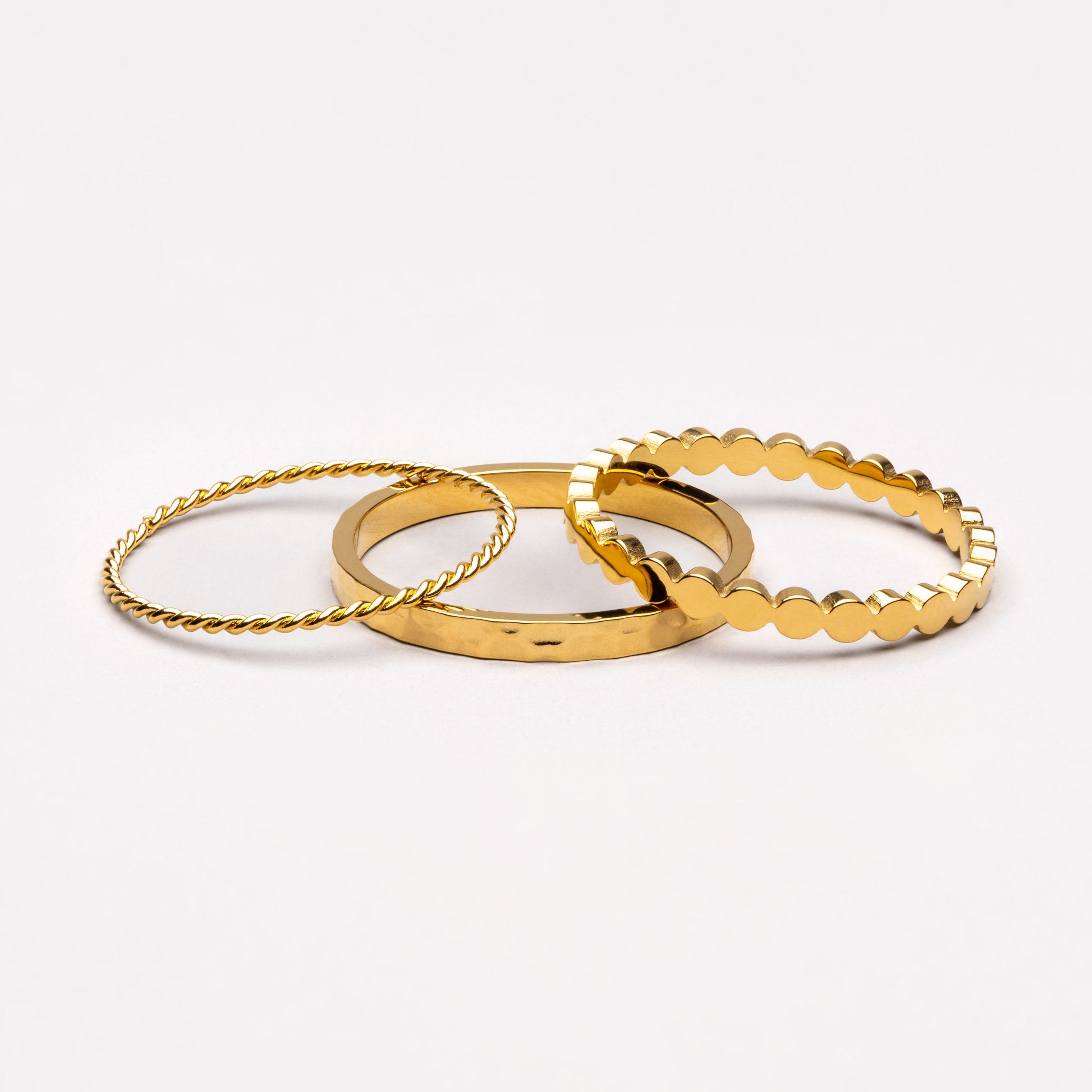
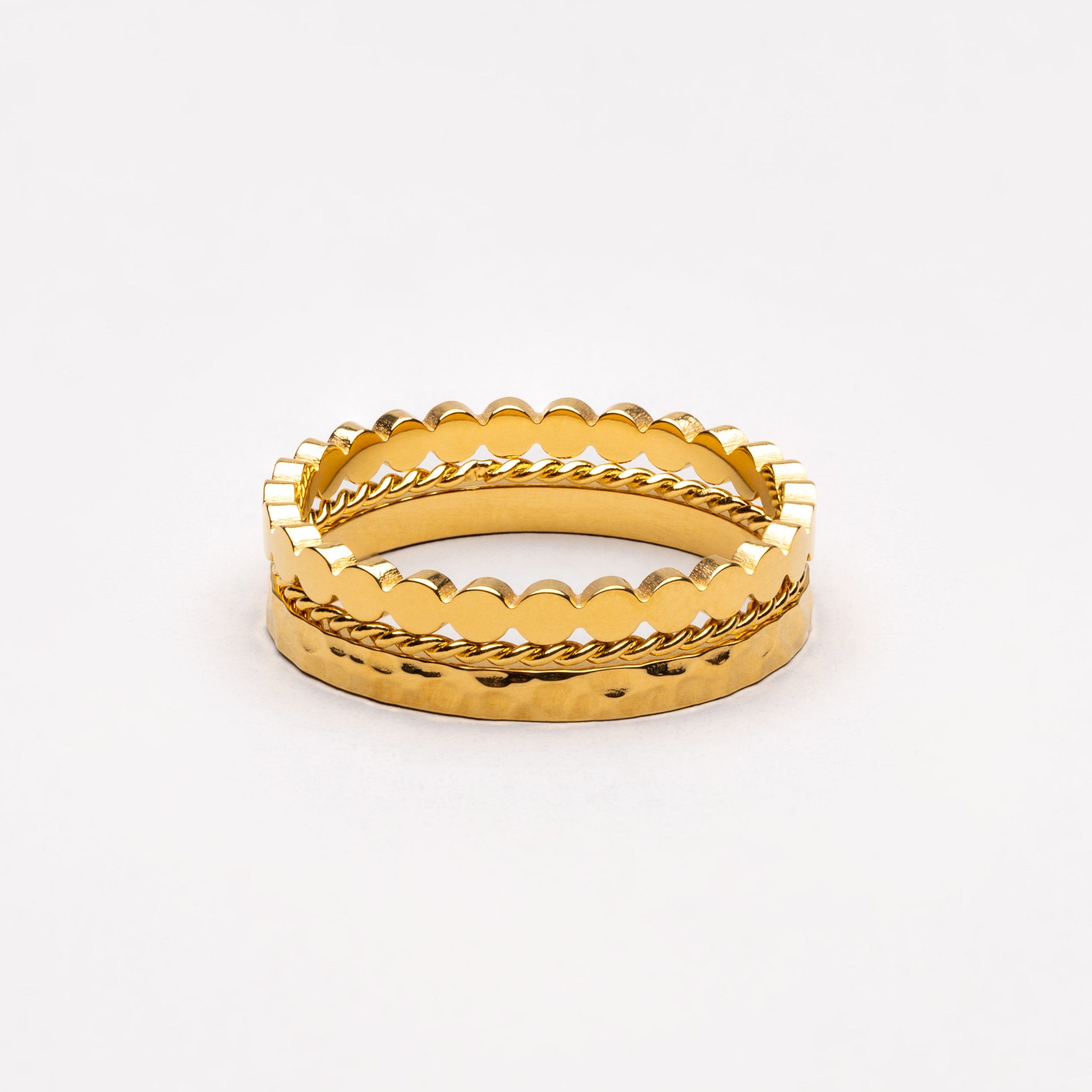
Rings face the most concentrated shower conditions of any piece type. They sit against the finger through the full shower, accumulating soap and shampoo between the band and the skin. The inner band surface is the highest-contact area and the one where soap and mineral deposit buildup concentrates most significantly.
316L stainless steel rings handle shower wear without corrosion. The practical concern is soap accumulation on the inner band over time. A brief rinse of the inner band surface after washing hands between showers and a weekly clean with a soft toothbrush addresses this without issue. PVD-coated stainless steel rings require the same maintenance and hold their color finish through it without degradation.
Necklaces and Chains
Chains accumulate soap residue inside link joins during showers. The residue does not damage the steel but builds up over weeks of daily shower wear and eventually produces a dull surface that does not respond to simple rinsing.
A weekly soak in warm water with a drop of dish soap followed by gentle agitation and thorough rinsing removes accumulated residue from chain links effectively. This routine takes two minutes and keeps a stainless steel chain looking as clean through shower wear as one carefully stored away from water.
Pendant settings and bails accumulate the same residue as chain links but in smaller spaces. A soft toothbrush in the weekly cleaning routine clears residue from around settings and keeps the pendant surface bright.

Earrings
Earring posts and back mechanisms face the most concentrated product exposure in the shower because shampoo and conditioner application happens near the ears at high concentration before the rinse. The post inside the piercing encounters the highest product load of any earring surface.
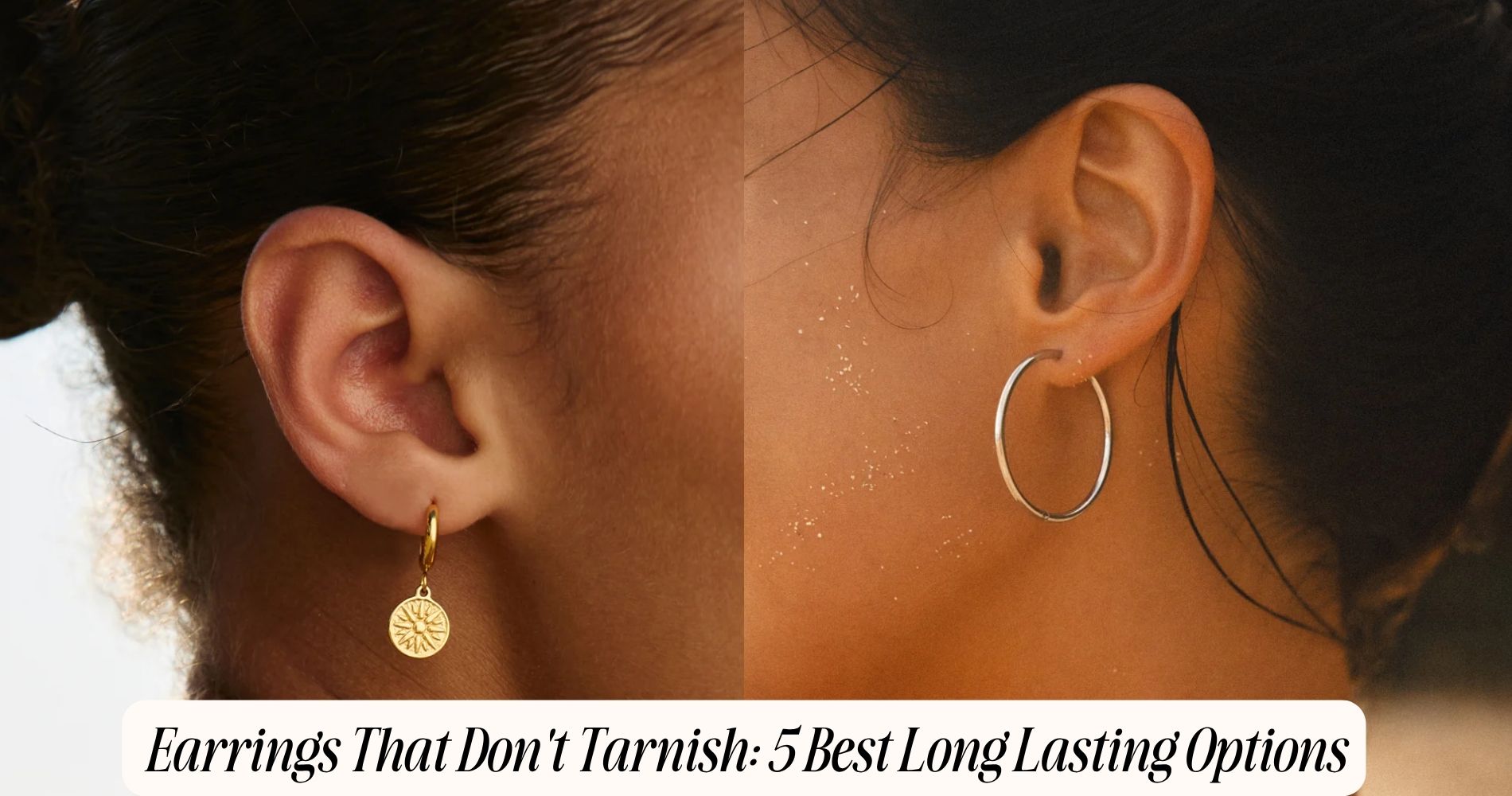
316L stainless steel posts remain non-reactive through daily shampoo contact. The practical concern for earrings in the shower is soap residue accumulating behind butterfly backs, which trap soapy water at the rear of the earlobe. A thorough rinse behind the ear at the end of the shower clears most of this, and flat back closures eliminate the butterfly back trap problem entirely.
Bracelets
Bracelets worn through showers accumulate soap and mineral deposits on the skin-contact underside and inside clasp mechanisms. The clasp interior is the most prone to residue accumulation because it partially seals during wear, trapping moisture inside.
Open clasp mechanisms with simple lobster-claw or box designs accumulate less residue than complex mechanisms with multiple moving parts. For bracelets worn through daily showers, a straightforward clasp construction simplifies maintenance and reduces the spaces where residue concentrates.
Bangles and cuffs
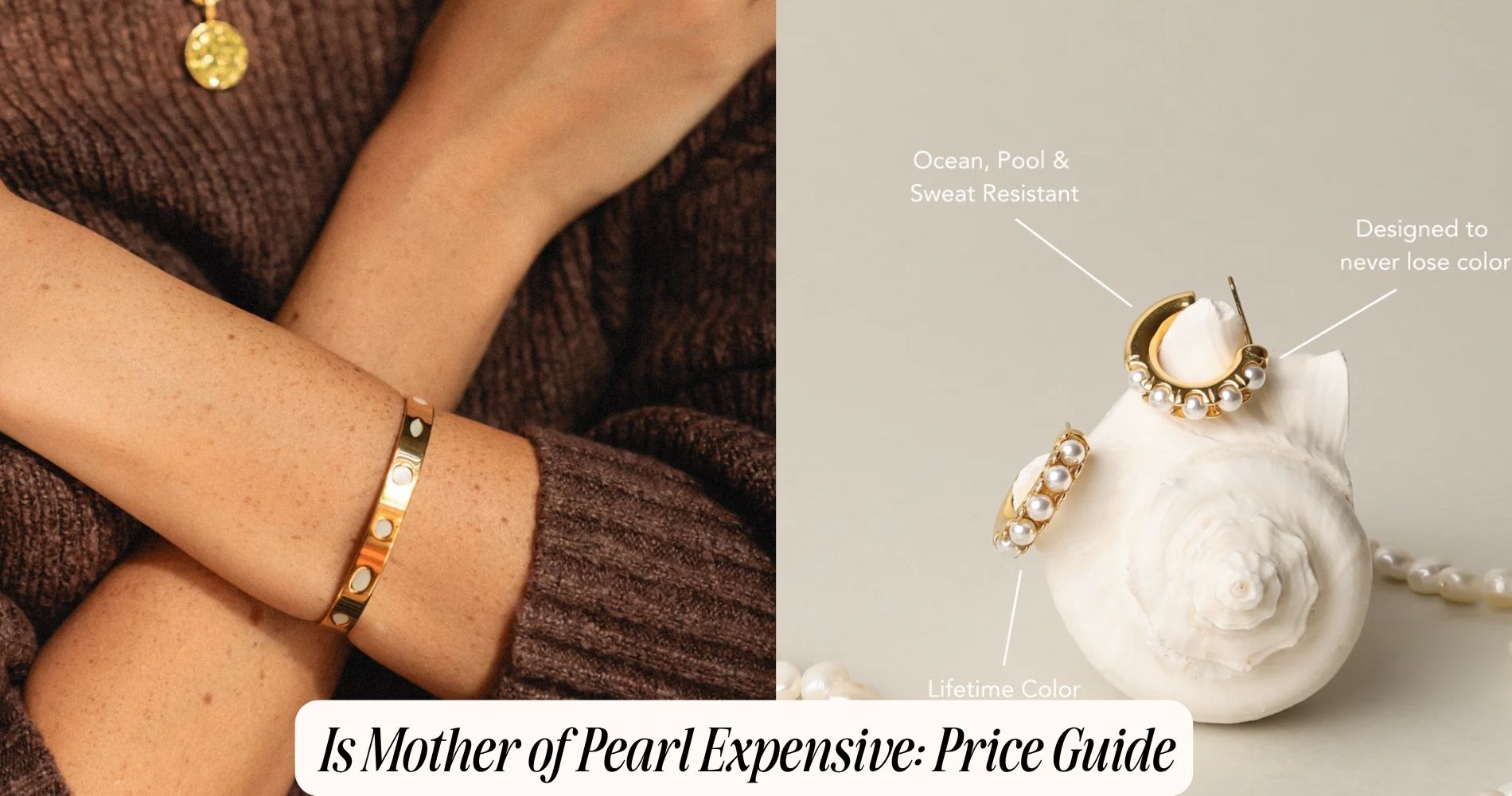
Stainless steel bangles and open cuffs have no clasp mechanism to accumulate residue, making them among the most low-maintenance stainless steel pieces for shower wear. The main consideration is the skin-contact inner surface, which benefits from the same brief post-shower rinse and wipe as ring inner bands.
PVD Coating and Shower Performance
Uncoated 316L stainless steel is shower-safe in its natural silver-gray finish. For gold or colored-tone stainless steel jewelry, the finish type determines whether that tone holds through daily shower wear.
Standard electroplated gold over stainless steel handles shower exposure better than electroplated gold over brass because the steel base does not corrode when the plating eventually wears through. However, the electroplated finish itself is still subject to the same thermal cycling and soap exposure that gradually softens the plating bond, and the finish will eventually show wear at high-friction points regardless of the stable base.
PVD coating over stainless steel is the finish that handles daily shower wear without that gradual degradation. The atomic-level bond between the PVD coating and the steel surface does not have the adhesion vulnerabilities of electroplating. Soap, steam, and thermal cycling do not affect it. The gold or silver tone a PVD-coated piece carries on day one is the tone it carries after a year of daily showers because the coating's durability is structural rather than surface-level.
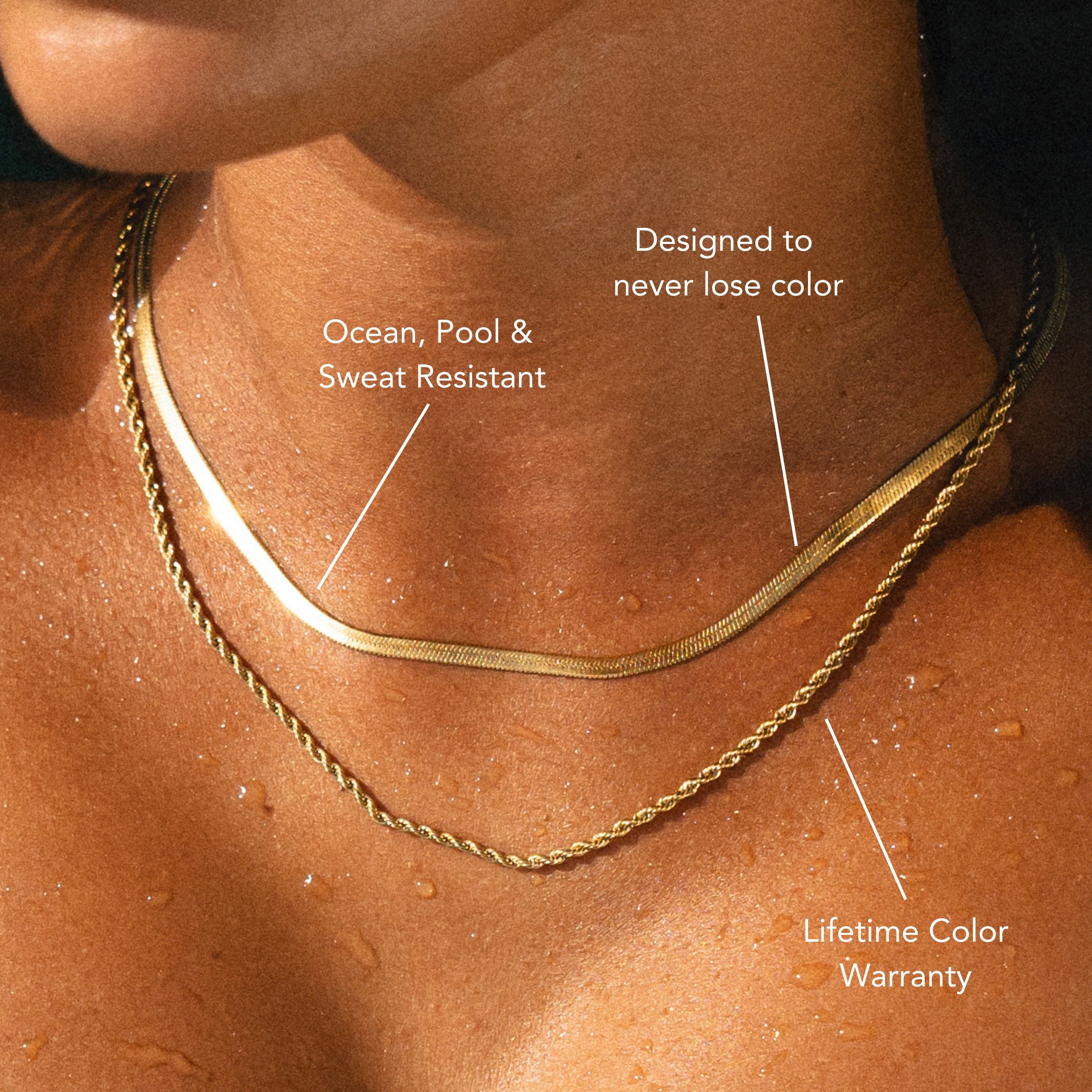
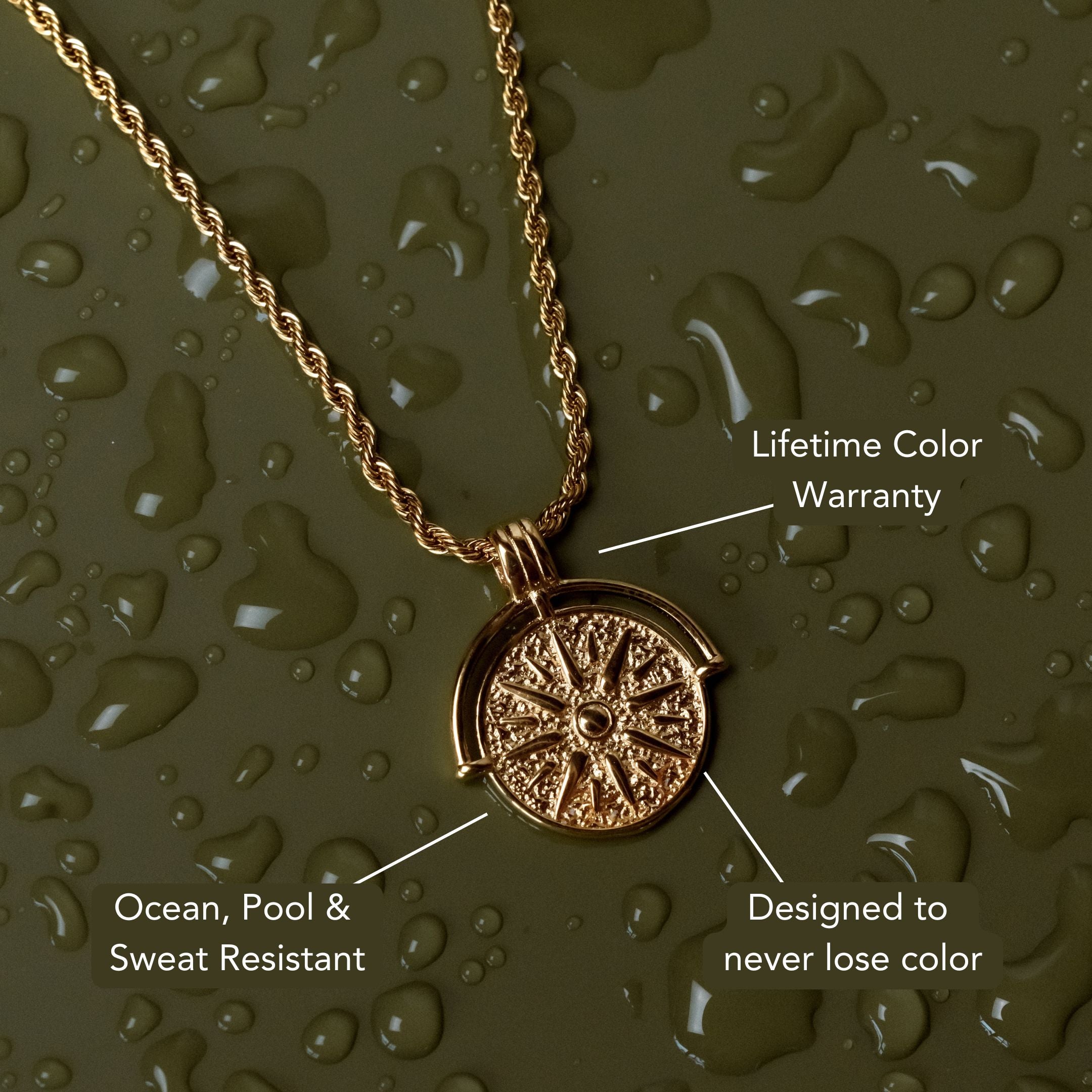
ATOLEA's waterproof jewelry range uses PVD-coated 316L stainless steel construction throughout, with a lifetime color warranty on every piece. That commitment covers the finish through daily shower wear specifically, which reflects the material's genuine performance rather than a conditional coverage claim that excludes water contact.

Post-Shower Care for Stainless Steel Jewelry
Even stainless steel that handles shower exposure well benefits from minimal aftercare that prevents the gradual buildup that daily showers produce.
Immediately after the shower, wipe the piece with a soft cloth before it air-dries. This single step removes the mineral-laden water film before it evaporates and leaves deposits on the surface. For chain necklaces, running the chain through the cloth removes water from inside link joins.
Once a week, give the piece a proper clean. Soak for two minutes in warm water with a drop of mild dish soap. Use a soft toothbrush to clear any residue from link joins, clasp interiors, and settings. Rinse thoroughly and dry completely before wearing or storing.
For rings, the inner band benefits from a brief toothbrush clean once a week to clear soap and skin oil accumulation from the skin-contact surface. This prevents the gradual discoloration of the skin beneath the ring that accumulated residue produces over time.
Frequently Asked Questions
Is it safe to shower with stainless steel jewelry every day?
Yes, for 316L surgical-grade stainless steel with or without PVD coating. The chromium oxide passive film on 316L does not degrade through daily soap, steam, and water contact. The practical maintenance requirement is a weekly clean to remove soap residue from construction joins and mechanism interiors, which prevents dulling without any corrosion concern.
Will stainless steel jewelry rust in the shower?
316L and 304 stainless steel jewelry does not rust in normal shower conditions. The passive film prevents the iron in the alloy from oxidizing. Unspecified or lower-grade stainless alloys may show surface spotting with sustained daily shower exposure in hard water conditions, which is why grade specification matters when buying jewelry intended for regular shower wear.
Does showering affect PVD-coated stainless steel?
Daily shower exposure does not degrade PVD coating on stainless steel. The atomic-level bond of PVD is not affected by soap, shampoo, steam, or thermal cycling from hot and cold water contact. PVD-coated stainless steel jewelry showered in daily retains its color finish through the same mechanisms that make it resistant to pool chlorine and ocean salt water.
How do I clean stainless steel jewelry I shower in daily?
A weekly soak in warm water with mild dish soap followed by gentle scrubbing with a soft toothbrush and thorough rinsing is sufficient. The goal is removing accumulated soap residue from construction joins and mechanism interiors before it builds up to visible levels. A quick wipe-down immediately after each shower prevents most mineral deposit accumulation and reduces how much work the weekly clean needs to do.
What stainless steel jewelry grade is best for shower wear?
316L surgical-grade stainless steel is the most appropriate grade for jewelry worn through daily showers. Its molybdenum content improves resistance to chloride compounds compared to 304 grade, and its low-carbon designation maintains corrosion resistance uniformly across all construction joins. For pieces without a grade specification, 316L should be confirmed before purchasing jewelry intended for continuous shower wear.
The Clear Answer on Showering With Stainless Steel
Can I shower with stainless steel jewelry is a yes for 316L surgical-grade stainless steel in both uncoated and PVD-coated finishes. The passive film handles soap, steam, and mineral compounds without degrading, and PVD coating extends that performance to gold and colored finishes without the adhesion vulnerabilities of electroplating. Piece-type matters for maintenance: rings and chains accumulate soap residue in skin-contact and join areas that a weekly clean addresses, while bangles and cuffs require the least attention. Grade specification is the one variable worth confirming before showering daily in any stainless steel piece.









コメントを書く
このサイトはhCaptchaによって保護されており、hCaptchaプライバシーポリシーおよび利用規約が適用されます。