

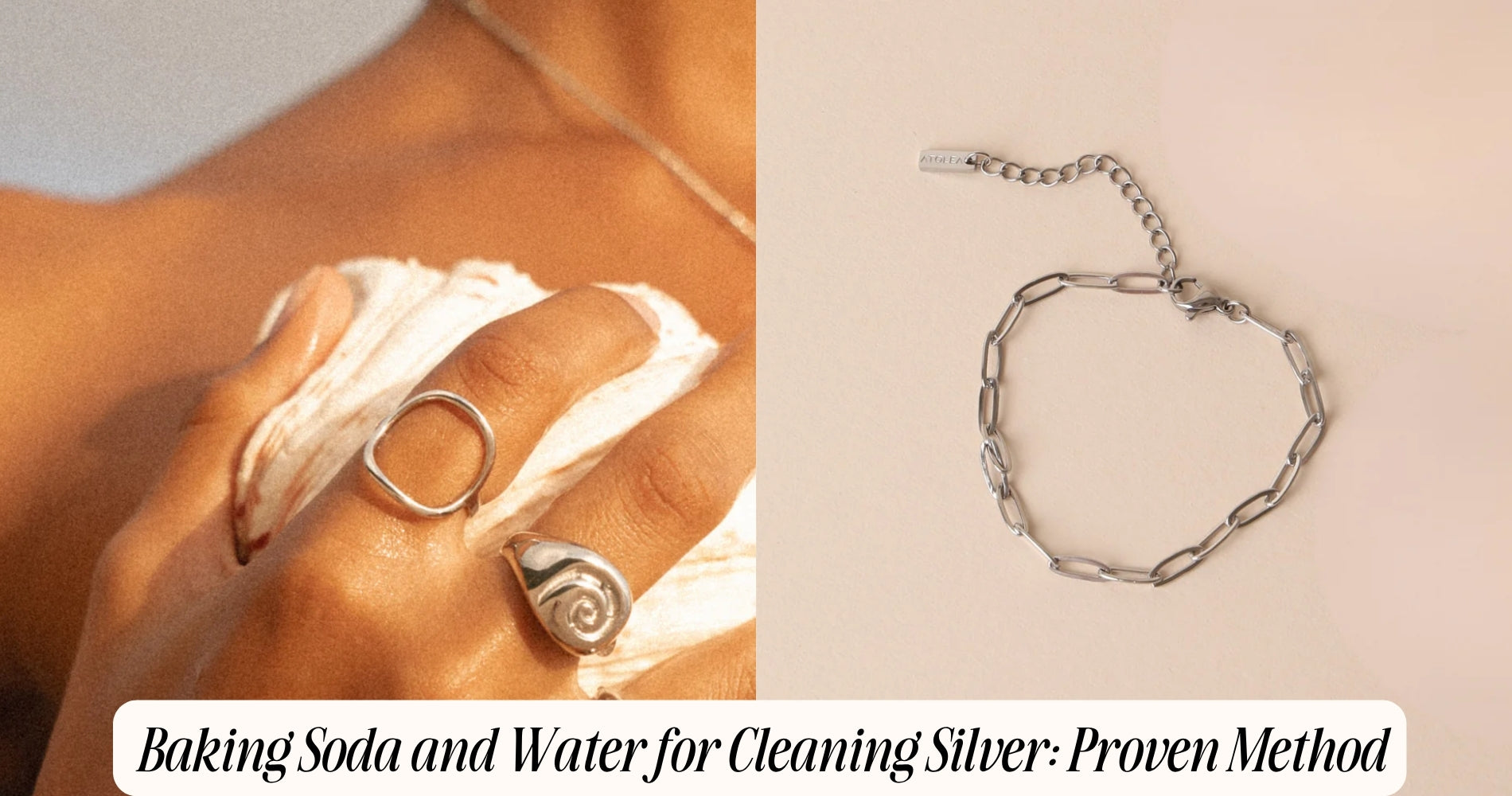
Baking Soda and Water for Cleaning Silver: Proven Method
Silver jewelry is loved for its timeless beauty and elegant shine. However, over time, exposure to air, moisture, and everyday wear can cause silver to tarnish, leaving it looking dull and discolored. Fortunately, there is a simple and affordable solution that many people already have in their homes: baking soda and water.
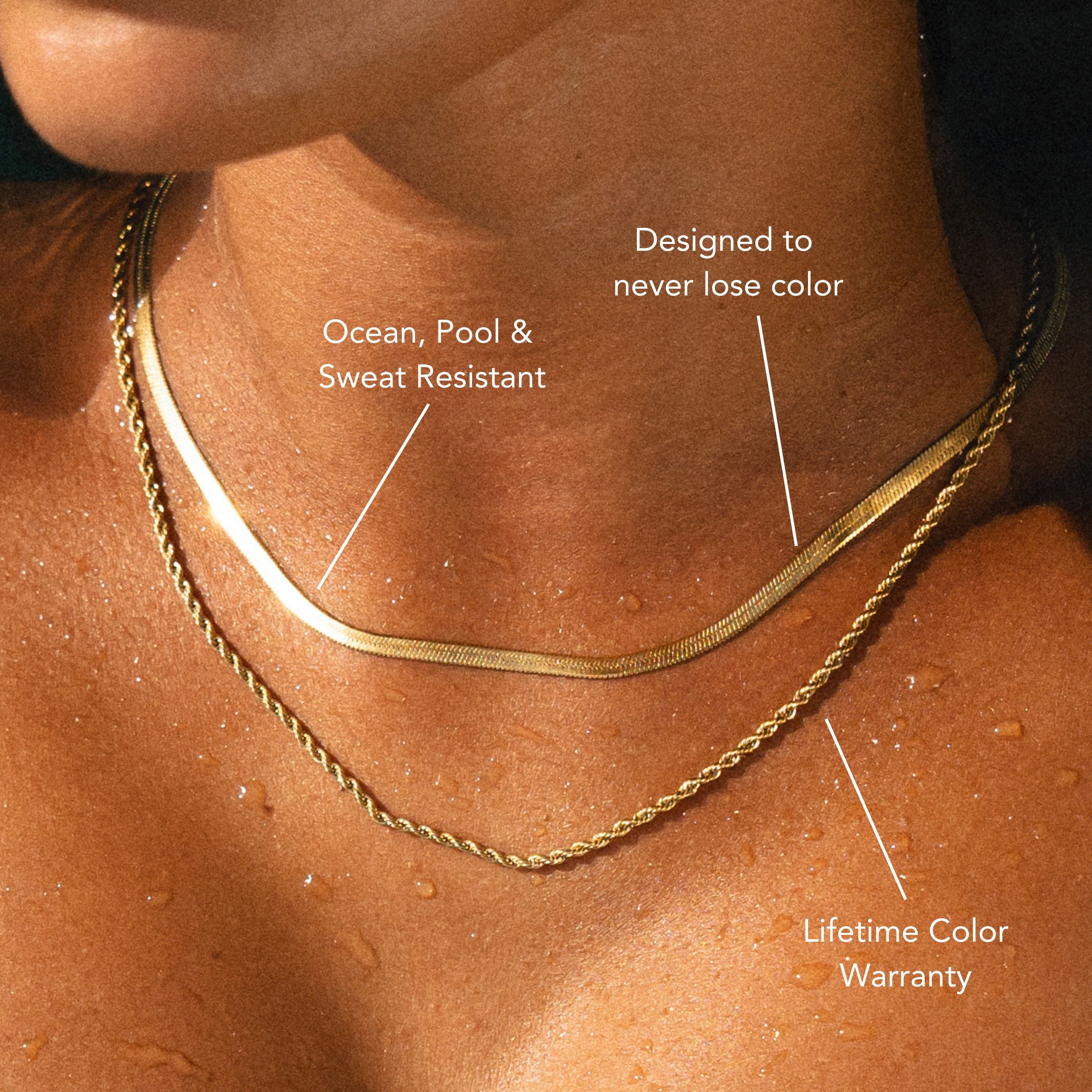
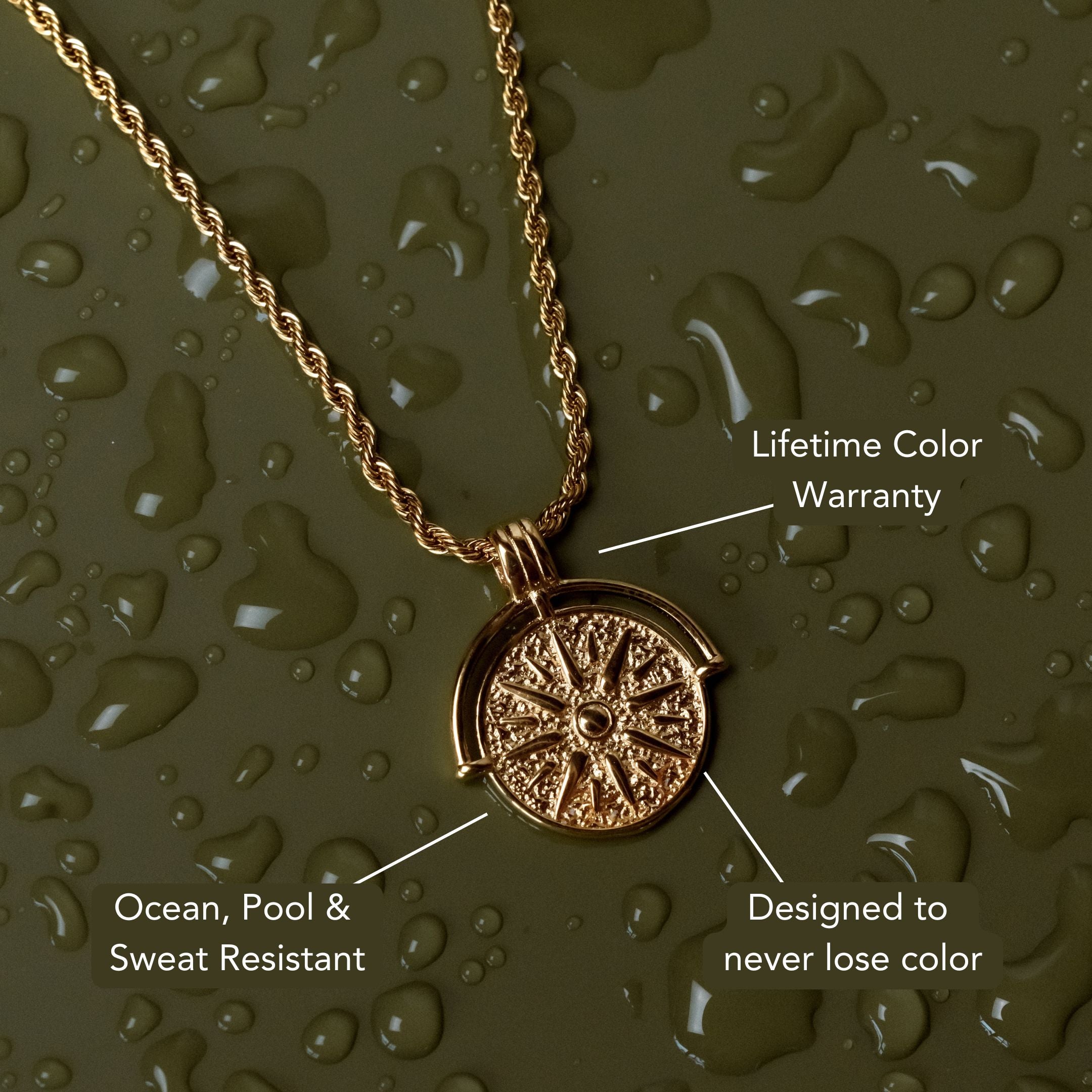
While traditional silver requires occasional maintenance, choosing high quality pieces such as Atolea's Silver Waterproof Jewelry can help you enjoy beautiful jewelry with greater durability and resistance to everyday conditions.
In this guide, we will explore how to use baking soda and water for cleaning silver, why it works, the best cleaning methods, common mistakes to avoid, and how to keep your silver jewelry looking its best.
Why Silver Tarnishes
Before discussing cleaning methods, it helps to understand why silver tarnishes in the first place.
Pure silver is relatively resistant to corrosion, but most silver jewelry contains other metals such as copper to improve durability. When these metals react with sulfur compounds in the air, a dark layer forms on the surface. This process is known as tarnishing.
Factors that can accelerate tarnishing include:
- Humidity
- Air pollution
- Sweat
- Perfumes and lotions
- Household chemicals
- Improper storage
Although tarnish is common, it can often be removed safely using simple cleaning methods.

Why Baking Soda and Water Work for Cleaning Silver
Baking soda is a mild abrasive and natural cleaning agent. When combined with water, it creates a gentle paste capable of lifting tarnish from silver surfaces without requiring harsh chemicals.
The benefits of using baking soda and water include:
- Affordable and widely available
- Easy to prepare
- Effective on light to moderate tarnish
- Free from many harsh commercial ingredients
- Suitable for occasional silver maintenance
Because baking soda is mildly abrasive, it helps polish away oxidation while restoring shine.
How to Make a Baking Soda and Water Paste
One of the easiest ways to clean silver is by creating a simple paste.
Ingredients
You will need:
- 2 tablespoons baking soda
- 1 tablespoon water
Adjust quantities as needed depending on how many items you are cleaning.
Instructions
- Mix baking soda and water in a small bowl.
- Stir until a smooth paste forms.
- Add small amounts of water if necessary.
- The consistency should resemble a thick cream.
Once prepared, the paste is ready to use.

Step by Step Method for Cleaning Silver
Using baking soda and water for cleaning silver is straightforward when done correctly.
Step 1: Rinse the Jewelry
Start by rinsing the silver item with lukewarm water. This helps remove surface dust, dirt, and oils.
Step 2: Apply the Paste
Using a soft cloth or your fingertips, apply a thin layer of baking soda paste to the tarnished areas.
Avoid using rough brushes or abrasive pads that may scratch the metal.
Step 3: Gently Rub
Massage the paste onto the silver using small circular motions.
Focus on areas where tarnish is most visible, but avoid excessive pressure.
Step 4: Let It Sit Briefly
Allow the paste to remain on the silver for two to three minutes.
This gives the baking soda time to loosen oxidation and discoloration.
Step 5: Rinse Thoroughly
Rinse the jewelry under lukewarm running water until all traces of baking soda are removed.
Be sure no residue remains in crevices or decorative details.
Step 6: Dry and Polish
Use a clean microfiber cloth to dry the silver completely.
Buff gently to restore shine and remove any remaining dullness.
Alternative Baking Soda Soak Method
For heavily tarnished silver items, a baking soda soak can sometimes provide better results.
What You Need
- Baking soda
- Hot water
- Aluminum foil
- A heat resistant bowl
Instructions
- Line a bowl with aluminum foil, shiny side facing up.
- Place the silver item on the foil.
- Sprinkle one tablespoon of baking soda over the jewelry.
- Pour hot water into the bowl.
- Let the item soak for five to ten minutes.
- Remove, rinse thoroughly, and dry.
This method creates a chemical reaction that helps transfer tarnish away from the silver surface.

Is Baking Soda Safe for All Silver Jewelry?
While baking soda is generally safe for many silver pieces, there are situations where extra caution is necessary.
Safe for:
- Sterling silver jewelry
- Silver chains
- Silver rings
- Silver bracelets
- Silver earrings
Use Caution With:
- Antique silver
- Silver plated jewelry
- Jewelry with delicate finishes
- Pieces containing pearls
- Jewelry with soft gemstones
Because baking soda has mild abrasive properties, excessive scrubbing can potentially damage delicate surfaces.
When dealing with valuable heirlooms or antique pieces, professional cleaning may be the safest option.
Common Mistakes to Avoid
Although baking soda and water for cleaning silver can be highly effective, certain mistakes may cause damage.
Scrubbing Too Aggressively
Many people assume more pressure equals better cleaning. In reality, excessive scrubbing can leave fine scratches on silver surfaces.
Always use gentle motions.
Using Hard Brushes
Toothbrushes with stiff bristles may scratch silver.
Choose a soft cloth or very soft brush when necessary.
Leaving Residue Behind
Baking soda residue can dull the finish if not rinsed completely.
Take extra care to rinse every area thoroughly.
Cleaning Delicate Gemstones
Some gemstones can be damaged by cleaning methods that are safe for silver.
Always verify whether your gemstone jewelry requires specialized care.
Overcleaning
Frequent abrasive cleaning may gradually wear down silver surfaces.
Clean only when tarnish becomes noticeable.

How Often Should You Clean Silver?
The ideal cleaning frequency depends on how often you wear your jewelry.
As a general guideline:
- Frequently worn jewelry: every few months
- Occasionally worn jewelry: two to three times per year
- Heavily tarnished pieces: as needed
Regular maintenance and proper storage can significantly reduce the need for deep cleaning.
Baking Soda vs Commercial Silver Cleaners
Many consumers wonder whether baking soda is as effective as commercial silver cleaners.
Advantages of Baking Soda
- Inexpensive
- Easily accessible
- Simple to use
- Contains fewer chemical ingredients
- Effective for light and moderate tarnish
Advantages of Commercial Cleaners
- Faster on severe tarnish
- Specifically formulated for silver
- May provide additional polishing agents
For routine maintenance, baking soda often provides excellent results. Commercial products may be better suited for heavily tarnished items requiring more intensive restoration.
When Professional Cleaning Is Recommended
Some silver jewelry deserves specialized attention.
Consider professional cleaning if:
- The item is an antique
- The jewelry contains fragile gemstones
- Tarnish is extremely severe
- The piece has sentimental or high monetary value
- Previous cleaning attempts have not been successful
Professional jewelers have specialized tools and techniques that can safely restore delicate pieces.
FAQs
Does baking soda damage silver?
When used gently and occasionally, baking soda is generally safe for sterling silver. However, excessive scrubbing may create fine scratches over time.
Can I use baking soda on silver plated jewelry?
Yes, but use extra caution. Silver plating is thinner than solid sterling silver and can wear away if cleaned too aggressively.
How long should baking soda stay on silver?
A baking soda paste should typically remain on the silver for two to three minutes before rinsing.
Can baking soda remove heavy tarnish?
For moderate to heavy tarnish, the aluminum foil and baking soda soaking method may be more effective than a simple paste.
Should I clean silver every month?
Most silver jewelry does not require monthly cleaning. Cleaning every few months is usually sufficient unless tarnish develops more quickly.
What should I use to dry silver after cleaning?
A soft microfiber cloth is ideal because it absorbs moisture and helps polish the surface without scratching.
Final Thoughts
Using baking soda and water for cleaning silver is one of the simplest and most effective methods for restoring shine to tarnished jewelry. The process is affordable, easy to perform at home, and suitable for many types of sterling silver pieces.
By following the proper cleaning techniques, avoiding common mistakes, and taking preventative measures against tarnish, you can keep your silver jewelry looking beautiful for years. Whether you choose occasional home cleaning or invest in durable options like waterproof silver jewelry, consistent care is the key to preserving your jewelry's brilliance and elegance.











コメントを書く
このサイトはhCaptchaによって保護されており、hCaptchaプライバシーポリシーおよび利用規約が適用されます。