

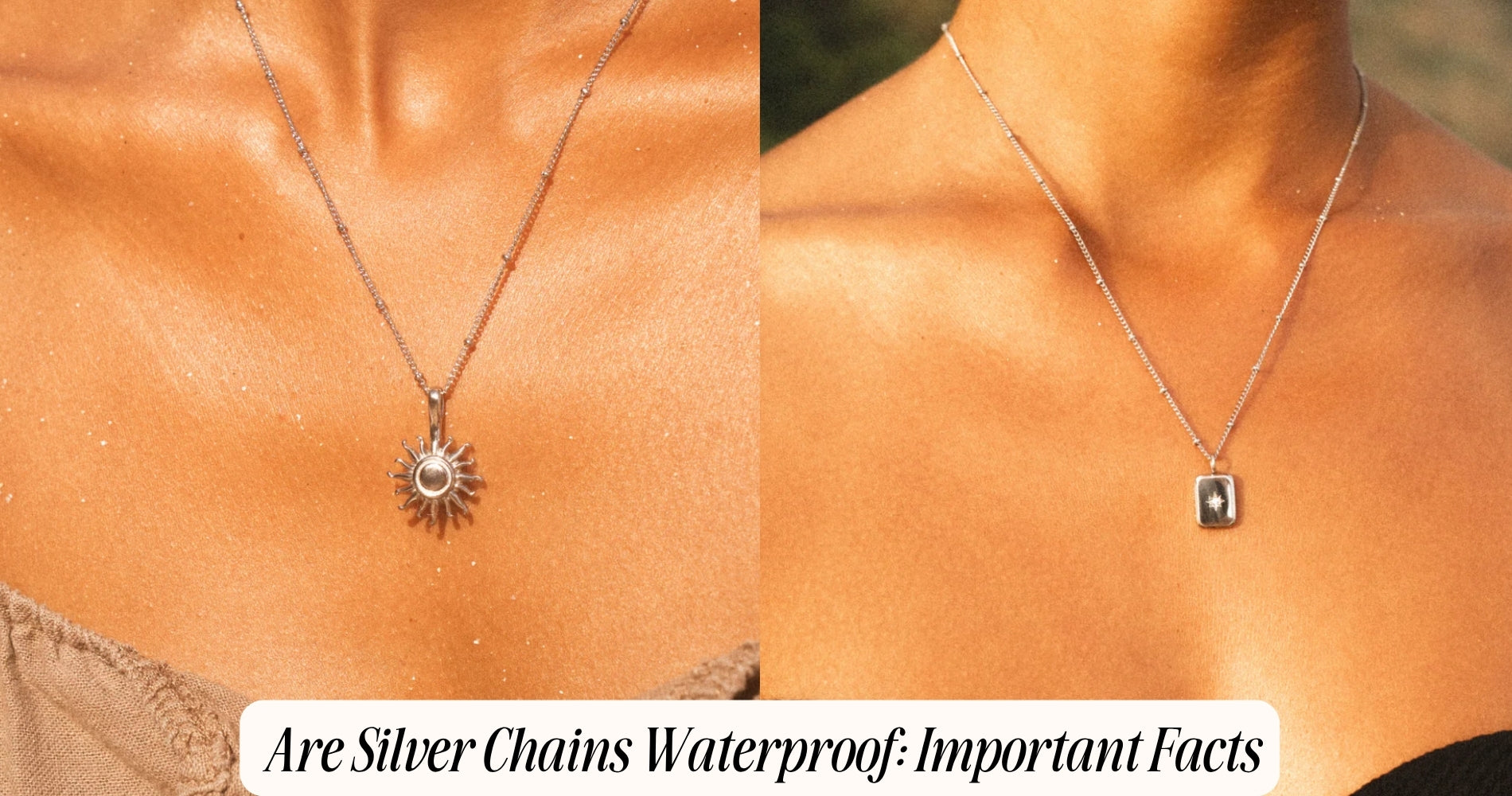
Are Silver Chains Waterproof: Important Facts
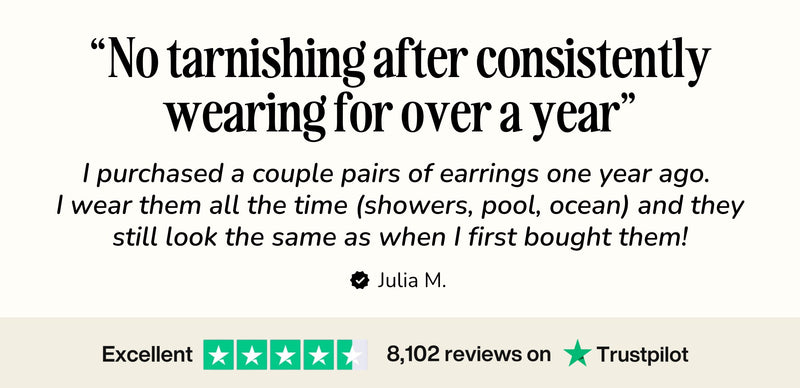
Silver chains and water have a complicated relationship. The short answer to whether are silver chains waterproof is no, not in any meaningful sense that covers regular shower wear or swimming. But the full picture involves understanding why water accelerates silver tarnishing, how different silver types perform differently, what level of water exposure is manageable versus damaging, and what a genuinely waterproof silver-toned chain looks like in terms of material construction. Silver Waterproof Jewelry built on PVD-coated stainless steel demonstrates what that looks like in practice. This guide covers what water does to silver chains, how different silver types respond, practical exposure thresholds, and what to do if you want a silver-toned chain that actually handles daily life.
What Water Does to Silver Chains
Water itself is not the primary cause of silver tarnishing. Pure H2O has almost no chemical reactivity with silver under normal conditions. What damages silver chains in water is what the water contains and what it carries.
Dissolved sulfur compounds. Tap water contains trace amounts of dissolved gases including hydrogen sulfide, which is also present in the air. Sulfur compounds react with silver to form silver sulfide, the dark gray to black compound that is silver tarnish. Water increases this reaction rate by improving ion mobility and providing a medium for the reaction to occur faster than through air contact alone.
Chlorine in pool water. Municipal tap water contains chlorine as a disinfectant at low concentrations. Swimming pools contain significantly higher chlorine concentrations. Chlorine is chemically aggressive toward silver through two mechanisms: direct reaction with the silver surface that accelerates tarnishing, and reaction with the copper content in sterling silver alloys that produces greenish discoloration and accelerates the corrosion of the alloy at the grain level.
Salt in ocean water. Salt water introduces sodium chloride, which dissociates into sodium and chloride ions. Chloride ions are corrosive to most metals including silver. They penetrate the silver surface and catalyze oxidation reactions that tarnish silver faster than air exposure alone. Combined with the salt concentration and other mineral content of ocean water, a single swim in the ocean can accelerate a week's worth of standard air tarnishing on a sterling silver chain.
Soap and shampoo in shower water. Personal care products contain surfactants, preservatives, and sometimes acidic or alkaline compounds that contact a silver chain during showering. These compounds are more reactive than plain water with silver surfaces and with the copper content in sterling silver. They leave residue inside chain links that maintains chemical contact between washes.
Heat and steam. Hot shower conditions combine elevated temperature with steam penetration into chain link joins. Temperature accelerates chemical reaction rates, so the same compounds present in cooler water produce faster tarnishing in a hot shower environment.
The combined effect of these factors is why silver chains worn through daily showers tarnish measurably faster than the same chains stored carefully and worn only in dry conditions.

Are Silver Chains Waterproof: By Silver Type
Different silver jewelry types respond to water exposure differently because their composition and construction differ significantly.
Sterling silver (925): Sterling silver is 92.5% silver and 7.5% copper. It is not waterproof by any functional definition. Water exposure accelerates tarnishing through the mechanisms described above, and the copper content creates a secondary reaction pathway through copper oxidation and chloride attack. A sterling silver chain worn through daily showers typically shows visible tarnishing within days to two weeks. A sterling silver chain worn through pool swimming shows discoloration after a single session in heavily chlorinated water. This is the most common silver chain type and the one most likely to cause disappointment when worn in water.
Silver-plated chains: Silver-plated jewelry applies a thin silver layer over a base metal, typically brass or copper. These chains are even more vulnerable to water exposure than sterling silver because the plating layer is thin enough that sustained water contact degrades the adhesion between the silver layer and the base metal. Once the plating wears through at the thinnest points, typically at clasp mechanisms and link joins where movement concentrates, the reactive brass or copper base is exposed directly to water and skin, producing rapid discoloration and green skin staining.
Fine silver (999): Fine silver contains 99.9% silver with minimal other metals. It tarnishes more slowly than sterling silver in air because the copper reaction pathway is absent. In water, fine silver still tarnishes through sulfur compounds and chloride attack, though more slowly than sterling. Fine silver is also too soft for most chain applications because the lack of alloying metals leaves it prone to bending and kinking, which is why it is rarely used for everyday chain necklaces.
Rhodium-plated sterling silver: Some sterling silver chains carry a rhodium plating over the silver surface. Rhodium is a platinum-group metal that does not tarnish and is more corrosion-resistant than silver. Rhodium plating significantly slows tarnishing on sterling silver by creating a barrier between the silver surface and the environment. However, rhodium plating is thin (typically 0.1 to 0.5 microns) and wears away over time with daily wear and water contact, eventually exposing the sterling silver beneath it. A rhodium-plated chain handles water exposure better than unplated sterling but is still not genuinely waterproof in the sense of indefinite water resilience.

Practical Water Exposure Thresholds for Silver Chains
Not all water exposure is equal, and understanding the relative risk levels helps you make practical decisions about which silver chains to remove and when.
| Water Exposure Type | Sterling Silver Risk | Impact Timeline |
|---|---|---|
| Brief hand washing (under 30 seconds) | Low | Minimal contribution over time |
| Daily showers (5 to 15 minutes) | High | Visible tarnishing within days to 2 weeks |
| Pool swimming (chlorinated) | Very high | Discoloration after 1 to 3 sessions |
| Ocean swimming | Very high | Accelerated tarnishing after each session |
| Humid bathroom storage | Moderate | Gradual tarnishing over weeks |
| Gym wear through sweat | High | Accelerated tarnishing at skin contact points |
The practical threshold for most sterling silver chains is that incidental water contact from hand washing and light rain is manageable with regular cleaning. Daily shower wear and any swimming produces damage fast enough to require either accepting frequent cleaning and eventual replacement or adopting different habits.
What Actually Makes a Silver-Toned Chain Waterproof
If sterling silver chains are not waterproof, what does a genuinely waterproof silver-toned chain look like?
The answer is a construction that does not use silver as the base material. Two constructions produce silver-toned chains that handle water exposure without tarnishing.
PVD-coated stainless steel with silver tone: PVD (Physical Vapor Deposition) coating deposits a silver-tone finish at the atomic level in a vacuum environment over a 316L stainless steel base. The stainless steel base resists corrosion through its chromium oxide passive layer, which holds through pool chlorine, ocean salt, and shower soap without degrading. The PVD finish bonds to the steel at the molecular level rather than through surface adhesion, producing a coating approximately 10 times thicker than standard electroplating that does not lift or tarnish through sustained water exposure.
The result is a chain that carries a silver-tone appearance identical to sterling silver at casual viewing distance, that handles daily showers, gym sessions, beach days, and ocean swims without the tarnishing that sterling silver produces in those conditions, and that does not require the maintenance routine that silver demands.
Uncoated 316L stainless steel: Uncoated surgical-grade stainless steel in its natural finish has a cool silver-gray appearance that reads as silver-toned in everyday wear. It handles all water exposure conditions without tarnishing because its passive chromium oxide layer prevents the sulfide and oxidation reactions that tarnish silver. The appearance is slightly cooler and more matte than polished sterling silver, but it is genuinely waterproof in a way sterling silver is not.
Both constructions suit active lifestyles involving regular water contact. The choice between them is one of preferred finish tone: PVD silver-tone gives a brighter, more traditional silver appearance while natural stainless steel has a slightly industrial, cool quality.
Keeping Sterling Silver Chains in Good Condition
For people who prefer genuine sterling silver and are willing to manage it carefully, the following practices extend the chain's appearance significantly.
Remove the chain before showers, swimming, and gym sessions. This single habit eliminates the highest-intensity water exposures and significantly extends the time between visible tarnishing. A sterling silver chain worn only in dry conditions can maintain its appearance for months rather than days.
Store in an airtight container or zip-lock bag with the air pressed out when not wearing. Air exposure alone causes gradual tarnishing, and airtight storage dramatically slows that process. Anti-tarnish strips inside the container absorb sulfur compounds and further slow tarnishing.
Clean regularly with a soft cloth to remove skin oils and any product residue before they oxidize on the surface. A weekly wipe is sufficient for casual wear. More frequent cleaning is needed for chains worn through active daily conditions.
When tarnish does appear, the baking soda and aluminum foil electrochemical method removes it effectively: boiling water, baking soda, and salt in an aluminum-foil-lined bowl allows the silver sulfide to transfer from the chain to the aluminum through an ion exchange reaction.
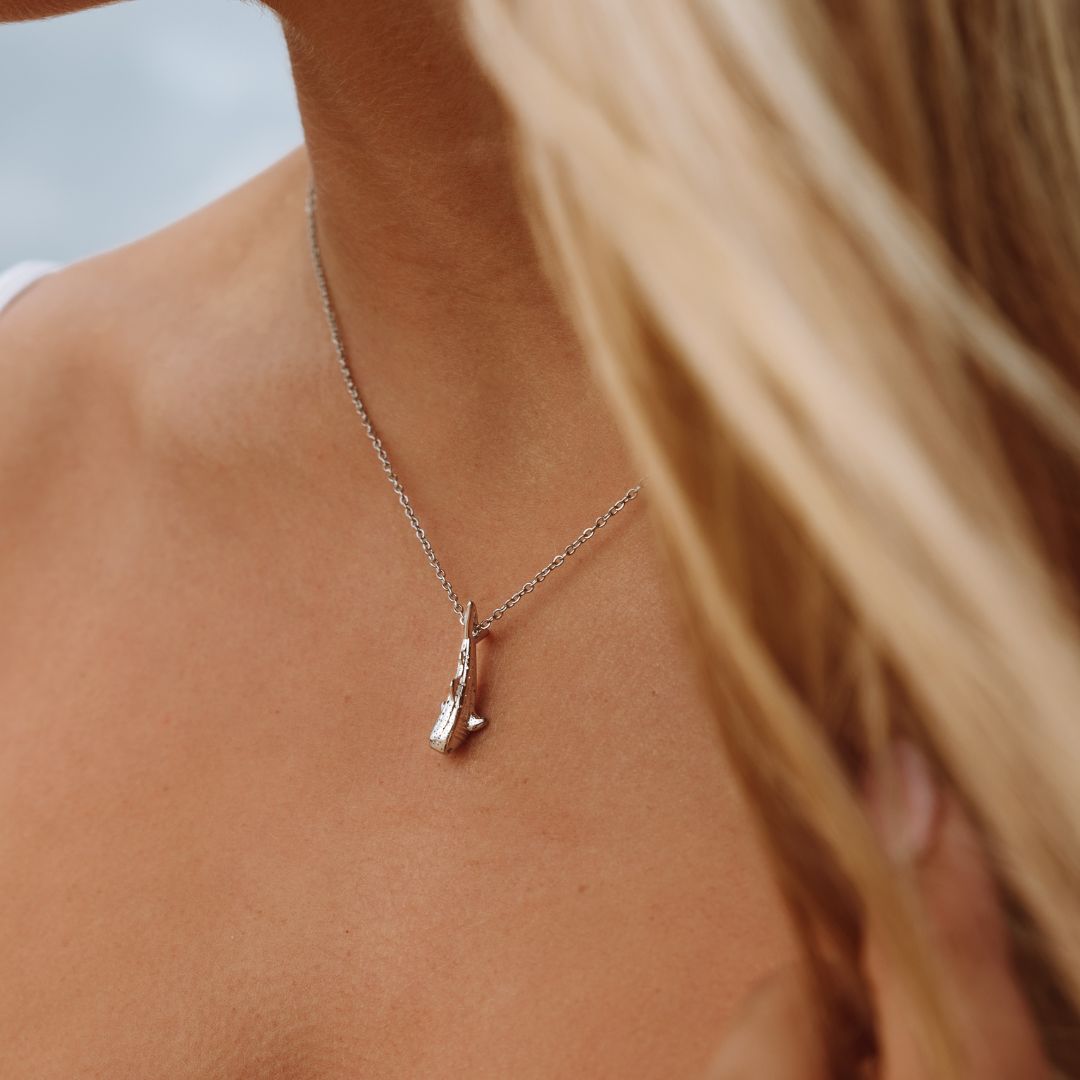
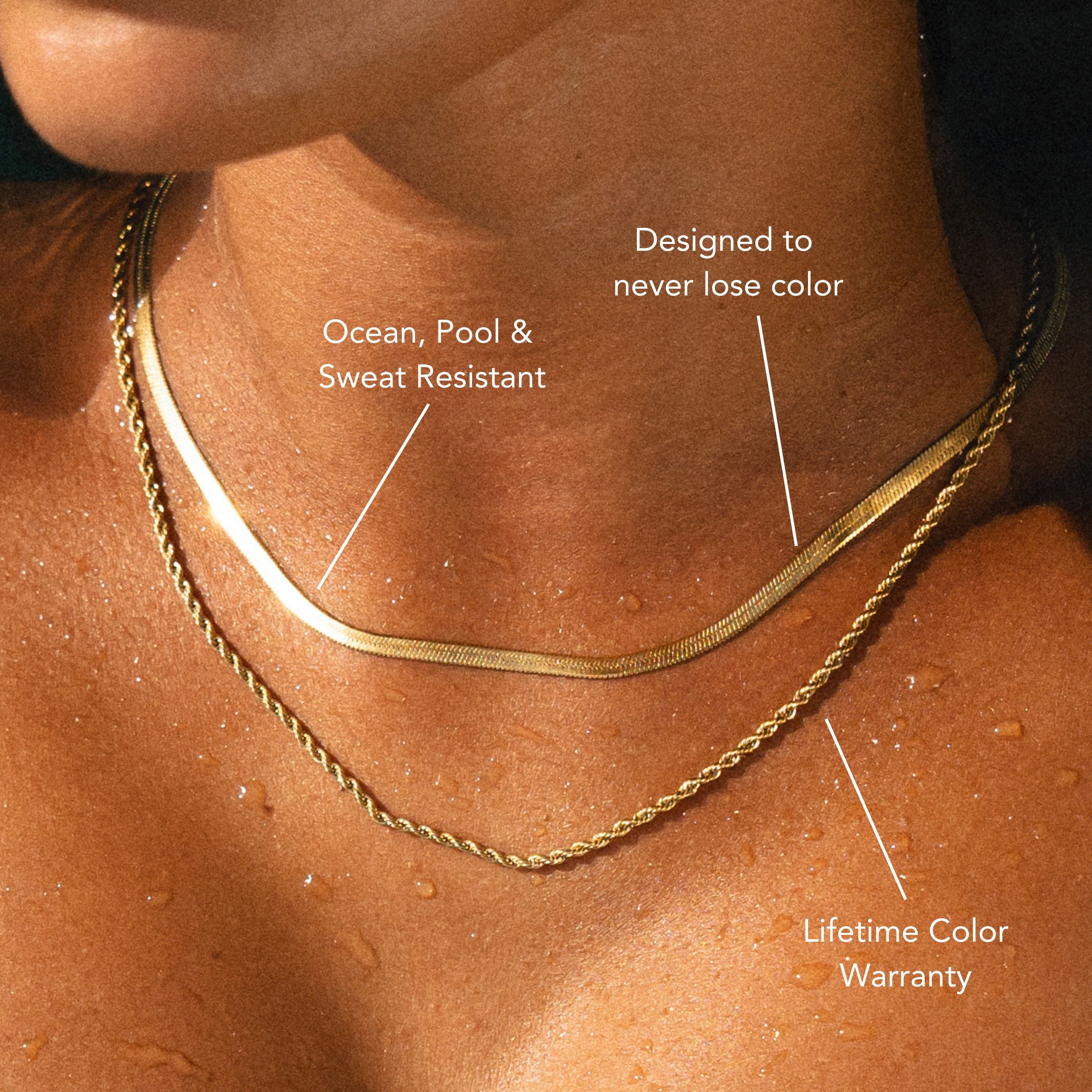
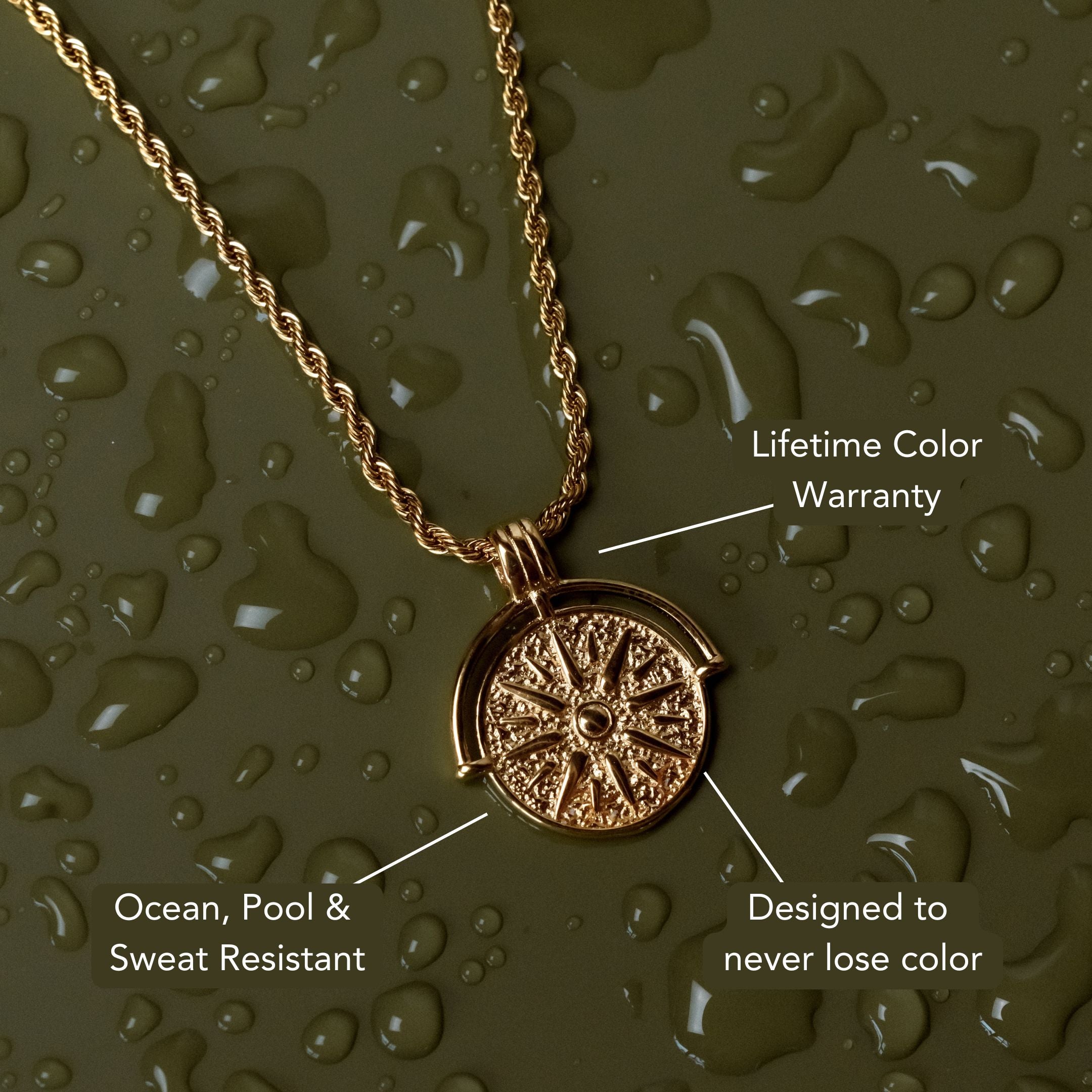
For silver-toned chains worn through the full range of daily active conditions without removal, ATOLEA's silver waterproof jewelry range uses PVD-coated stainless steel construction with a lifetime color warranty on every piece. The silver tone holds through the conditions that cause sterling silver to tarnish within days, which removes the management decision from the wearing experience entirely.

Frequently Asked Questions
Can you wear sterling silver in the shower?
Sterling silver can physically tolerate a shower, but doing so accelerates tarnishing significantly. Daily shower exposure typically produces visible tarnishing on sterling silver within days to two weeks. The combination of hot water, steam, soap compounds, and sulfur traces in tap water drives the reactions that cause tarnishing faster than air exposure alone. If you want to keep sterling silver looking its best, removing it before showers is the single most effective habit.
Does silver turn green in water?
Pure silver does not cause green skin discoloration. The green color comes from the copper content in sterling silver or from the brass and copper base metals in silver-plated jewelry. Copper reacts with moisture, skin acids, and chlorine to form copper carbonate, which is the green compound that transfers to skin. A sterling silver chain in good condition with intact silver surface produces gray tarnish rather than green discoloration. Green marks indicate either a silver-plated piece with a reactive base metal, or a sterling silver piece that has worn significantly and is exposing copper at the surface.
What is the best silver chain for swimming?
No sterling silver chain is suitable for regular swimming because chlorine and salt water tarnish and corrode the alloy aggressively. A silver-toned chain that handles swimming requires a non-silver base: PVD-coated stainless steel with a silver finish is the most practical option. It resists both pool chlorine and ocean salt water without the finish degrading and without the base metal corroding.
How do I stop my silver chain from tarnishing?
The most effective single habit is removing the chain before water exposure including showers and swimming. Airtight storage between wears slows air tarnishing. Regular gentle cleaning with a soft cloth removes skin oil and product residue before it oxidizes on the surface. When tarnish appears, the baking soda and aluminum foil electrochemical method removes it efficiently. For a tarnish-free alternative, PVD-coated stainless steel in silver tone eliminates the tarnishing cycle entirely.
Is 925 sterling silver waterproof?
No. 925 sterling silver contains 7.5% copper, which is reactive to water, chlorine, and salt. Water accelerates the sulfide and oxidation reactions that cause tarnishing on sterling silver significantly compared to dry air exposure. Daily shower wear and any swimming produces measurable damage to sterling silver 925 chains within days of regular contact.
The Honest Answer on Silver Chains and Water
Are silver chains waterproof is answered directly: sterling silver chains are not waterproof in any practical daily wear sense. Water accelerates tarnishing through sulfur compound reactions, chloride attack, soap residue, and thermal acceleration in hot shower conditions. The timeline to visible tarnishing varies from days to weeks depending on exposure type, with pool and ocean exposure being most damaging. A genuinely waterproof silver-toned chain requires a non-silver base: PVD-coated stainless steel with a silver finish handles the conditions that sterling silver cannot, which is the distinction between jewelry that adapts to an active life and jewelry that requires an active life to adapt to it.









コメントを書く
このサイトはhCaptchaによって保護されており、hCaptchaプライバシーポリシーおよび利用規約が適用されます。