



Allergic to Sterling Silver Ring: What It Really Means
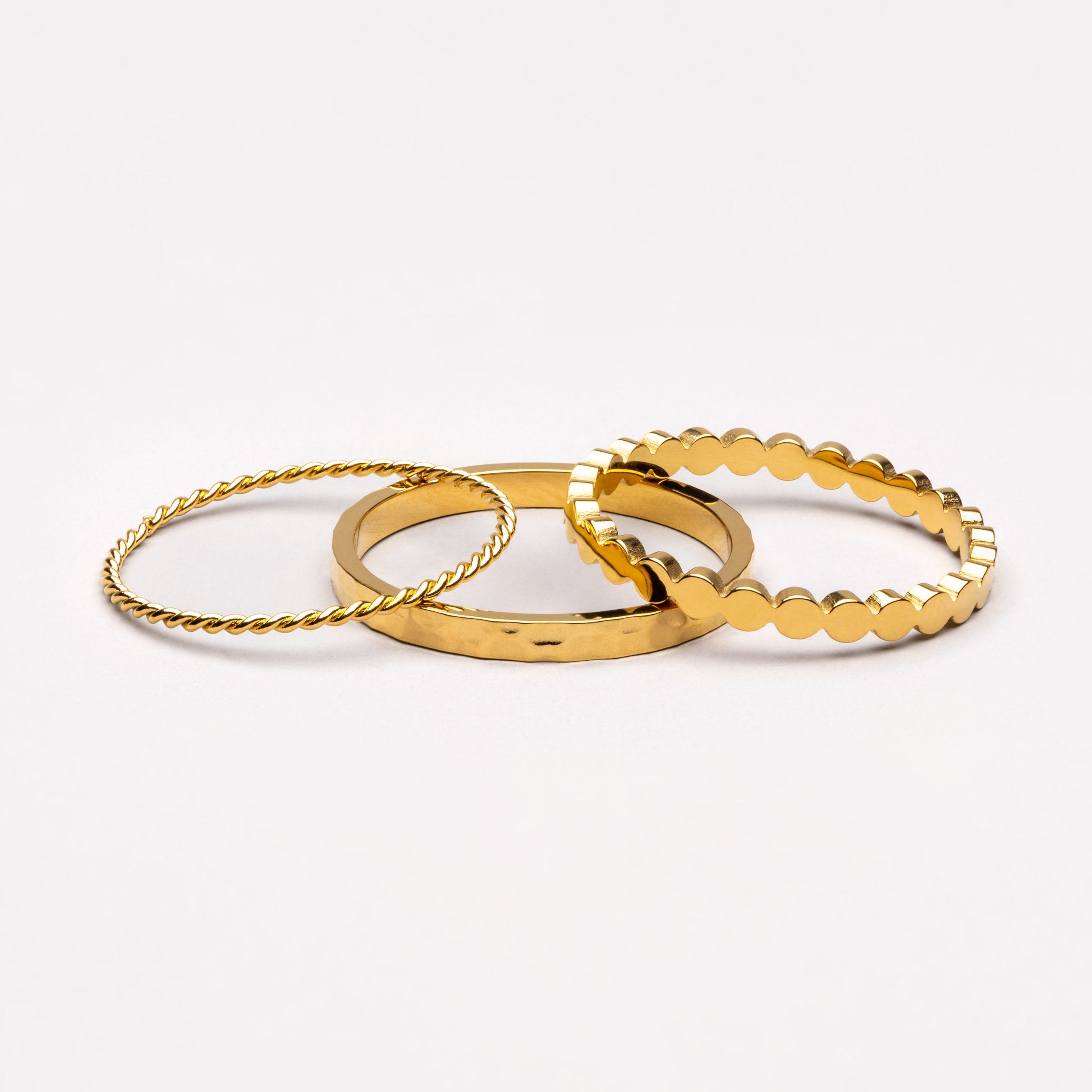
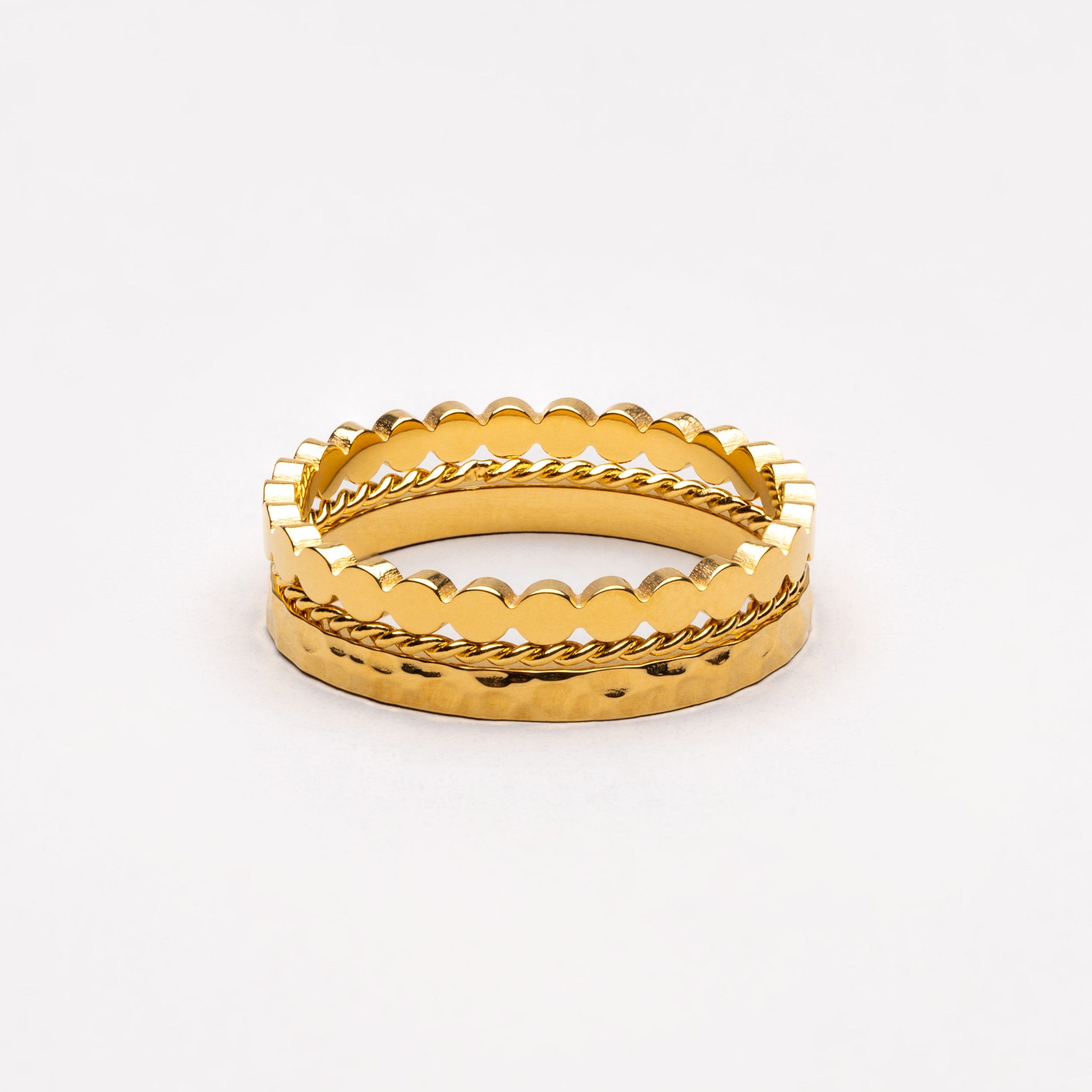
If you’re allergic to a sterling silver ring, the reaction usually isn’t caused by the pure silver itself but by the other metals in the alloy—often nickel or copper—within the remaining 7.5%. These metal ions can bind with proteins in your skin and trigger a delayed immune response known as allergic contact dermatitis, leading to redness, itching, blisters, or persistent dryness where the ring touches your skin. Switching to skin-friendly options like pieces from Atolea’s Hypoallergenic Jewelry collection can help reduce irritation. Symptoms often improve once the ring is removed. Keep reading to learn how to identify the specific metal causing the issue and how to choose safer jewelry options.
What Sterling Silver Allergy Really Means
Although people often say they’re “allergic to sterling silver,” the reaction almost always stems from trace metals—usually nickel, sometimes copper—within the alloy rather than from silver itself.
When you notice redness, itching, or blistering under a ring, you’re typically experiencing allergic contact dermatitis, a delayed type IV hypersensitivity reaction.
Your immune system’s T cells recognize metal-protein complexes formed in your skin as foreign. After prior sensitization, re‑exposure triggers cytokine release, epidermal inflammation, and the clinical rash you see.
These Sterling silver misconceptions matter because they affect how you choose jewelry and discuss symptoms with clinicians.
A Jewelry material allergy isn’t about “poor quality” pieces; it’s about your individual sensitization threshold and cumulative exposure at the skin–metal interface.
What’s Actually in a Sterling Silver Ring
To understand why your skin reacts, you need to know what’s actually in a sterling silver ring. By definition, sterling silver composition is 92.5% elemental silver and 7.5% other metals, most commonly copper, but sometimes nickel, zinc, or tin.
That 7.5% alloy portion usually drives immunologic reactions.
During ring manufacturing processes, metals are melted, alloyed, cast, and often plated or polished with additional chemicals. Nickel may be introduced in the alloy or as part of white-metal plating layers.
Solder joints can contain cadmium, zinc, or silver–copper–nickel blends. Residual polishing compounds and surface treatments may also alter metal ion release.
Clinically, what matters is the net mix of allergenic metals at the skin–ring interface and how readily they release ions in sweat.

Common Sterling Silver Allergy Symptoms
When a sterling silver ring triggers contact allergy, the skin usually develops a sharply defined, itchy rash exactly where the metal touches. You may notice erythema (redness), swelling, and small fluid-filled vesicles that can ooze, then crust. The borders often match the ring’s outline, reflecting localized metal sensitivity.
As exposure continues, the skin can become dry, thickened, and scaly (chronic eczema), sometimes with fissures that sting or burn. Symptoms typically appear hours to days after wearing the ring, consistent with delayed-type (Type IV) hypersensitivity mediated by T cells reacting to metal ions.
In more intense reactions, you might experience pronounced edema and significant pruritus that disrupts sleep, prompting you to seek medical evaluation and structured allergy management.
How to Tell If Sterling Silver Is to Blame
Determining whether sterling silver is the true culprit starts with matching the timing, location, and pattern of your rash to metal exposure, then systematically ruling out other irritants.
You look for skin reactions that appear exactly where the ring contacts your finger and that improve when you stop wearing it for several days.
Clinically, you isolate variables. Wear the ring on only one finger and avoid new soaps, lotions, or cleaning products.
Compare how your skin responds to different ring materials by switching to surgical steel, platinum, or silicone for one to two weeks.
If symptoms resolve, then reappear within 24–72 hours of re-wearing the sterling ring, that pattern strongly suggests a metal-driven allergic contact dermatitis rather than friction, dryness, or chemical irritation.

Nickel vs Copper vs True Silver Allergy
Copper behaves differently. It more often stains skin green or causes irritation through oxidation rather than true allergy.
Clinically significant copper toxicity from jewelry alone is rare and systemic, not just a local rash.
True silver allergy is exceptional. When present, it shows the same eczematous, delayed pattern, confirmed only by standardized patch testing.
Safe Jewelry Options If Sterling Silver Irritates You
Although a reaction to sterling silver can feel limiting, you still have several metal options that minimize allergen exposure and friction at the skin–metal interface. You’ll want metals with minimal nickel release and stable oxide layers that resist corrosion by sweat.
Platinum and palladium are excellent hypoallergenic materials because they’re chemically inert and release negligible ions, so they rarely trigger type IV hypersensitivity.
High‑karat (18K–22K) yellow gold alternatives usually contain less nickel than white gold, but you must verify “nickel‑free” alloys.
Medical‑grade titanium and niobium form dense oxide films that block ion diffusion and reduce cutaneous sensitization.
Surgical‑grade stainless steel (ASTM F138/F139) can work if it meets low‑nickel‑release standards.
You can also consider ceramic or medical‑grade silicone bands, which are metal‑free.
Tips to Wear Rings With Metal-Sensitive Skin
Even with safer metals, how you wear and care for a ring strongly influences whether your skin flares. Prioritize ring care that limits metal ion release and moisture trapping.
Remove rings before handwashing, workouts, and applying soaps, sanitizers, or lotions; these products increase metal corrosion and allergen penetration through the stratum corneum. Thoroughly dry your hands and the ring underside before putting it back on to reduce maceration and friction.
Rotate fingers and allow “ring-free” hours daily so barrier lipids can recover. If you react despite good care, consider material alternatives or barriers, such as wearing a very thin, hypoallergenic inner band under a decorative ring.
Clean rings regularly with non-abrasive methods to remove sweat, detergents, and chloride residues.
When to See a Dermatologist for Patch Testing
If ring-related rashes keep recurring, worsen over time, or fail to clear with strict avoidance and basic care, it’s time to see a dermatologist for formal patch testing. You should also seek evaluation if skin reactions spread beyond the ring site, blister, ooze, or notably disrupt sleep or daily activities.
A dermatologist will perform standardized allergy testing by applying small amounts of nickel, cobalt, palladium, preservatives, and other allergens to your back under occlusive patches.
After 48–96 hours, they’ll assess for delayed-type (Type IV) hypersensitivity, looking for erythema, papules, or vesicles at specific allergen sites. This mechanistic approach distinguishes true allergic contact dermatitis from irritant reactions and guides precise metal-avoidance strategies, safer jewelry choices, and long-term management.

Frequently Asked Questions
Can Sterling Silver Allergy Suddenly Appear After Years of Problem‑Free Wear?
Yes, it can. You can develop delayed skin sensitivity as your immune system newly recognizes nickel or copper in the metal composition, triggering type IV hypersensitivity, inflammatory cytokine release, and localized eczematous dermatitis after years of tolerance.
Are Children More Likely Than Adults to React to Sterling Silver Rings?
Children aren’t consistently more likely, but children’s skin can be thinner and more permeable, so metal sensitivity (often to nickel in sterling alloys) may manifest earlier. You’d watch for localized itching, redness, vesicles, and delayed eczematous reactions.
Does Pregnancy or Hormonal Change Make Sterling Silver Reactions More Likely?
Yes, pregnancy and other hormonal fluctuations can increase sterling silver reactions because they heighten skin sensitivity, alter immune responses, and change skin barrier function, making nickel release from the alloy more likely to trigger contact dermatitis.
Can I Develop a Sterling Silver Allergy After Getting a Body Piercing?
Yes, you can develop sterling silver allergy after piercing. Repeated nickel exposure triggers T‑cell–mediated metal sensitivity. Poor piercing care increases inflammation, enhancing allergen penetration. Switch to implant‑grade titanium or niobium jewelry and monitor for eczematous itching, redness, or delayed swelling.
Will an Allergic Reaction to Sterling Silver Go Away Over Time?
It usually doesn’t go away; nickel sensitivity typically persists and can worsen with repeated exposure. You’d minimize flares by strict jewelry care, avoiding nickel-containing alloys, using hypoallergenic metals, and treating reactions with topical corticosteroids under medical guidance.
Conclusion
You’re not “allergic to silver” so much as reacting to what’s mixed with it—usually nickel, sometimes copper. When your skin’s barrier meets these ions, your immune system can trigger eczema-like inflammation. Track which metals cause symptoms, swap to nickel‑free alloys or hypoallergenic options, and use barrier creams if needed. If reactions persist, a dermatologist can perform patch testing to pinpoint the culprit and help you choose rings and routines that won’t keep activating your immune system.











コメントを書く
このサイトはhCaptchaによって保護されており、hCaptchaプライバシーポリシーおよび利用規約が適用されます。