

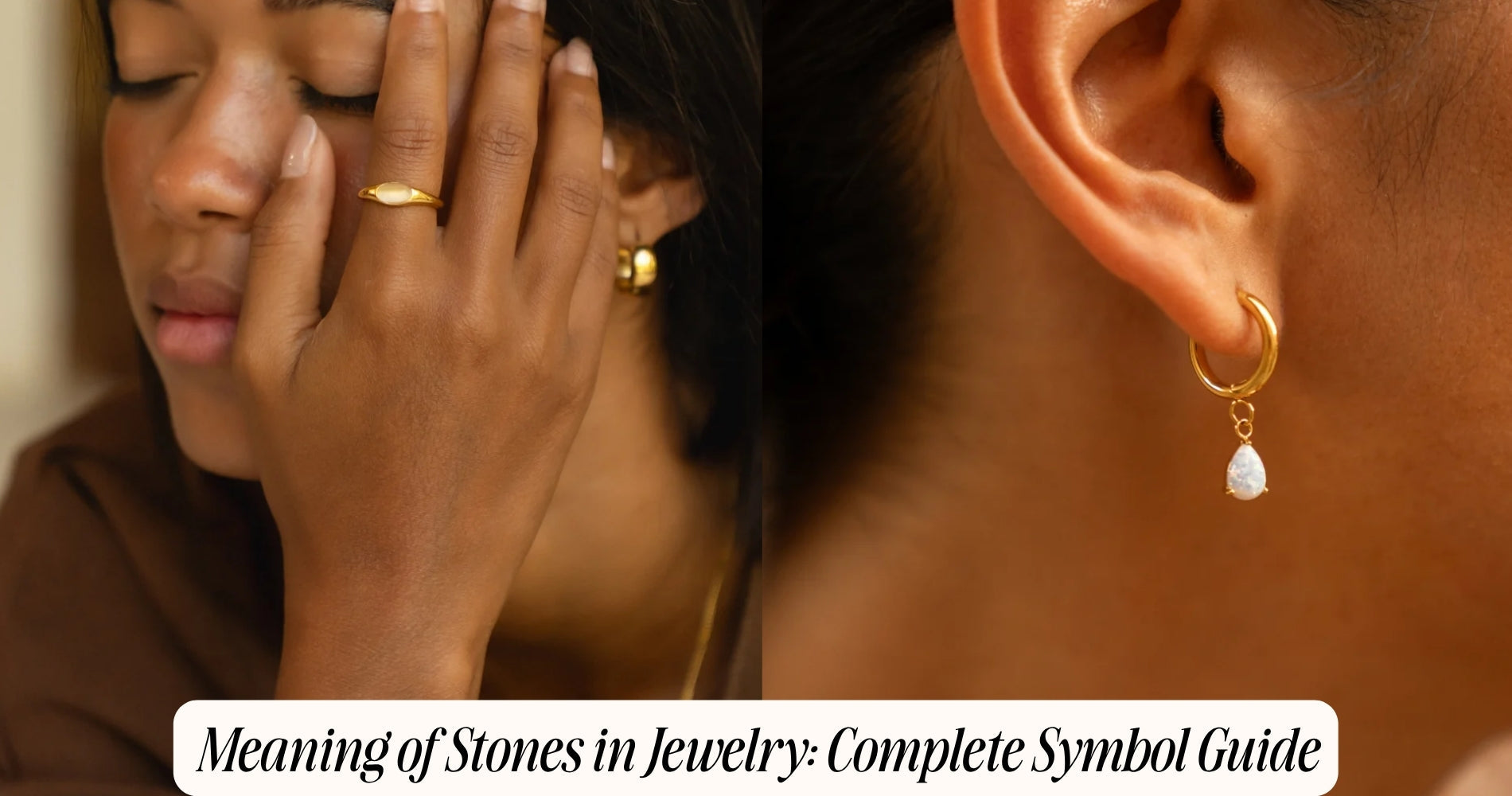
Meaning of Stones in Jewelry: Complete Symbol Guide
Gemstones have carried symbolic meaning for thousands of years, long before they became prized simply for their beauty in modern jewelry design. Understanding the meaning of stones in jewelry can add an entirely new layer of significance to the pieces you already own, or help guide you toward a more intentional choice the next time you are shopping for something new.
In this guide, we will explore the traditional meanings behind many of the most popular gemstones used in jewelry today, covering everything from love and protection to wisdom and healing. If you want to build a collection of meaningful gemstone pieces, our Stone Collection features a wide variety of natural stones worth exploring as you think about which meanings resonate with you.
Why Gemstones Carry Symbolic Meaning
Throughout history, virtually every culture has attached symbolic significance to gemstones, often tying specific meanings to a stone's color, rarity, or perceived metaphysical properties. Ancient civilizations frequently believed certain stones offered protective, healing, or spiritually significant qualities, and many of these traditional associations have persisted, evolved, and been passed down through generations, continuing to shape how we understand and choose gemstones today.
Understanding these layered meanings can help transform jewelry from a simple decorative choice into something carrying genuine personal or symbolic significance.

Diamond: Strength and Everlasting Love
Diamond, the hardest known natural material, has long symbolized strength, clarity, and invincibility. Its association with everlasting love became particularly prominent in modern Western culture, largely tied to its widespread use in engagement rings, symbolizing an unbreakable, enduring commitment between partners.
Ruby: Passion and Vitality
Ruby's deep red color has made it a natural symbol of passion, love, and vitality throughout history. Many ancient cultures also associated ruby with protection and courage, believing the stone offered strength and safeguarding to those who wore it, particularly during times of conflict or challenge.
Sapphire: Wisdom and Loyalty
Sapphire has long been associated with wisdom, truth, and loyalty. Historically connected to royalty and divine favor, sapphire's calming blue color has also made it a popular symbol of inner peace, clarity of thought, and faithful, steadfast devotion.
Emerald: Rebirth and Renewal
Emerald's vivid green color closely mirrors the natural world, contributing to its long standing association with rebirth, growth, and renewal. Ancient Egyptians in particular associated emerald with fertility and eternal life, a symbolic meaning that continues to resonate within modern interpretations of this striking gemstone.

Amethyst: Calm and Spiritual Awareness
Amethyst has been treasured for centuries for its rich purple color and its symbolic association with calm, clarity, and spiritual awareness. Historically, amethyst was believed to protect against intoxication and promote a clear, level headed mind, meanings that have evolved into broader associations with inner peace and emotional balance today.
Turquoise: Protection and Healing
Turquoise carries deep symbolic significance across numerous cultures, particularly within Native American, Egyptian, and Persian traditions, where the stone was closely associated with protection, healing, and good fortune. Its distinctive blue green color has also made it a popular symbol of communication and emotional balance.
Pearl: Purity and Wisdom
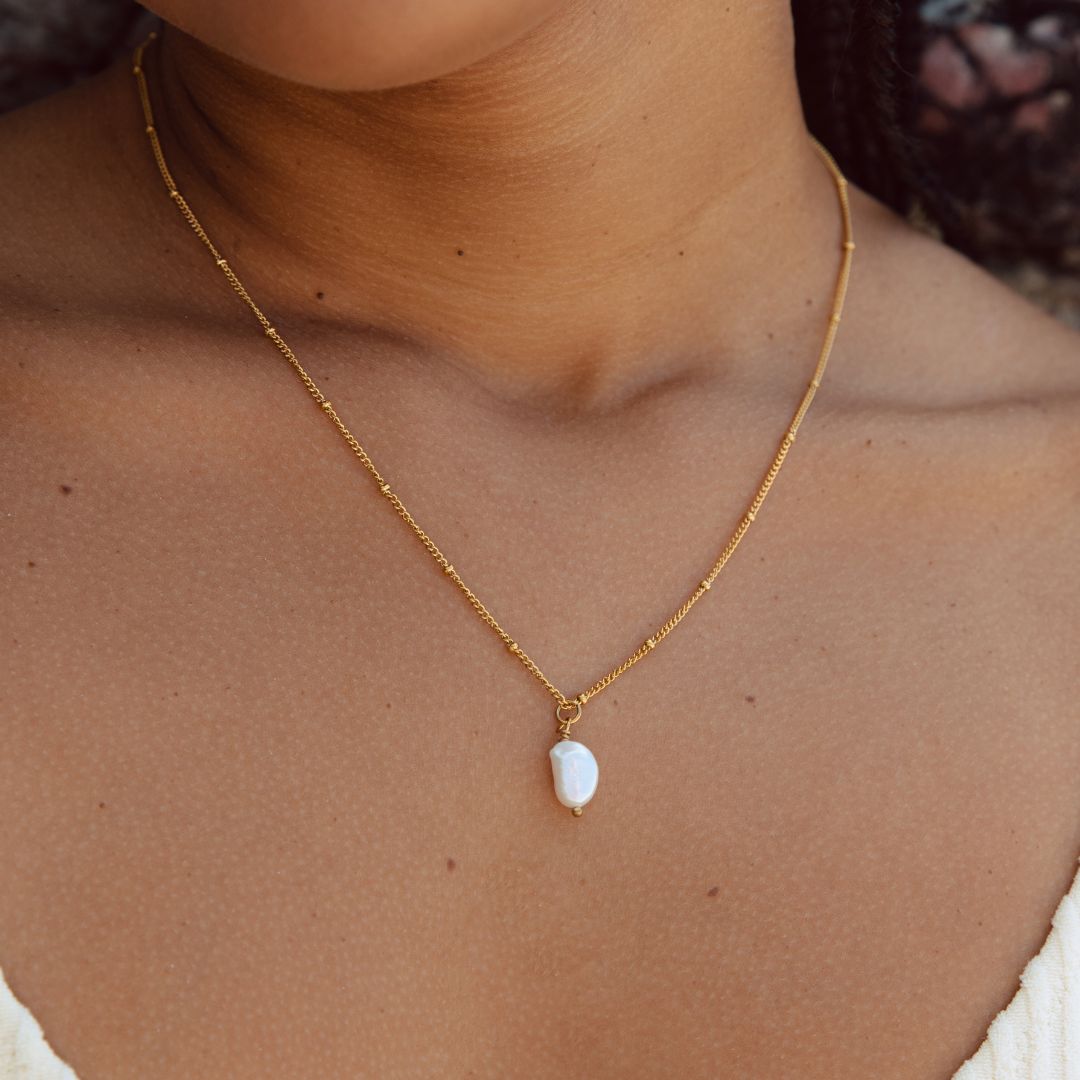
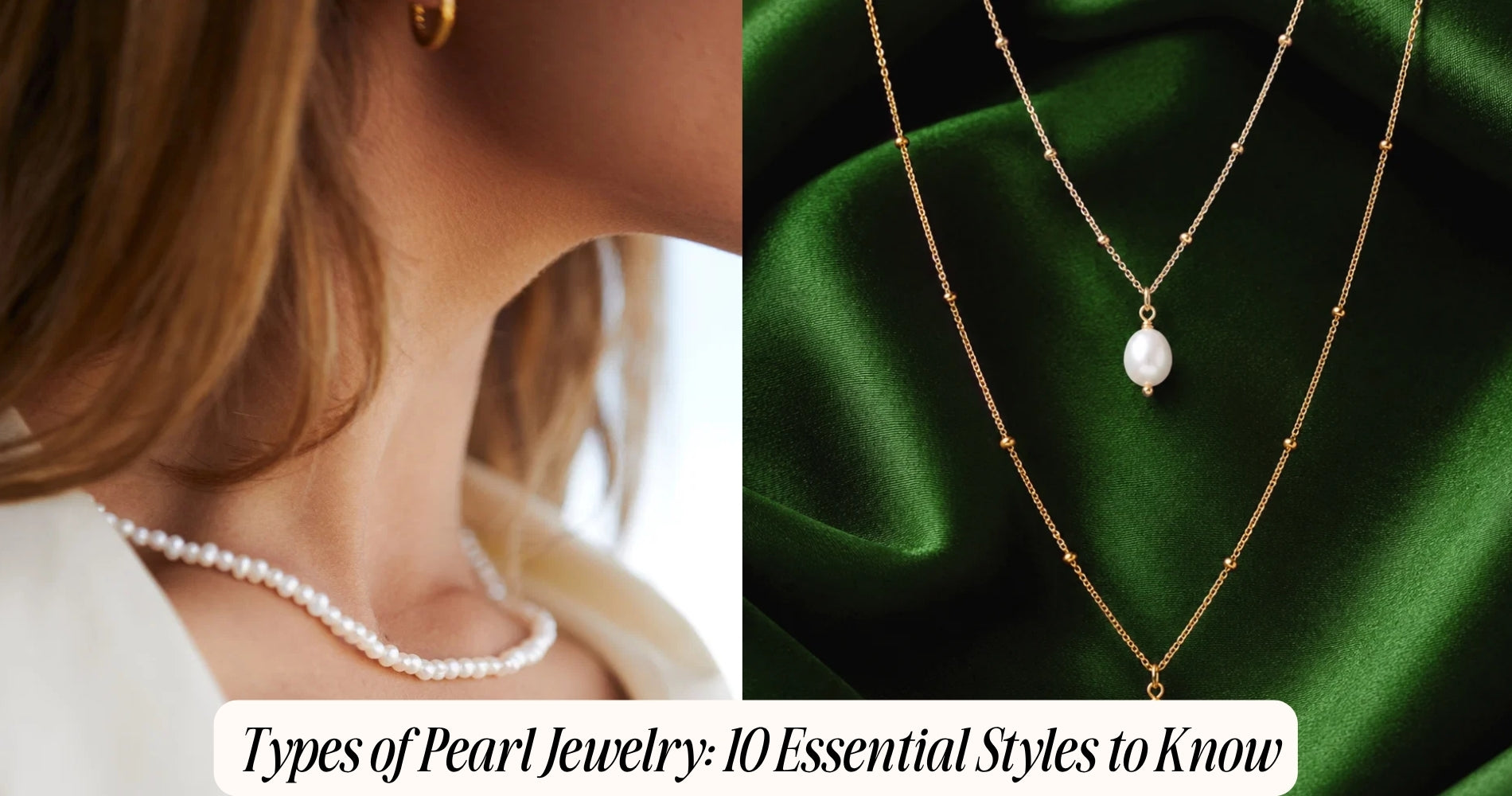
Pearls, formed naturally within mollusks rather than through typical mineral formation, carry a unique symbolic association with purity, wisdom, and new beginnings. Historically, pearls were also linked to femininity and emotional depth, given their organic, layered formation process occurring gradually over time within the natural world.
Opal: Creativity and Hope
Opal's unique play of color, shifting and shimmering depending on the angle and lighting, has made it a symbol of creativity, inspiration, and hope. Some traditions also associate opal with emotional healing and enhanced intuition, tying the stone's visual complexity to deeper symbolic meaning surrounding self expression and personal insight.

Garnet: Passion and Protection
Garnet, most commonly recognized in its deep red form, has historically symbolized passion, strength, and protection. Ancient travelers reportedly carried garnet as a protective talisman, believing the stone offered safety and guidance during long, uncertain journeys.
Citrine: Positivity and Abundance
Citrine's warm, sunny yellow color has made it a popular symbol of positivity, joy, and abundance. Often referred to as the merchant's stone in certain traditions, citrine has also been historically associated with prosperity and success, particularly within business and financial contexts.
Peridot: Growth and Renewal
Peridot's vibrant green color has tied this stone to symbolic meanings surrounding growth, renewal, and personal transformation. Ancient Egyptians referred to peridot as the gem of the sun, associating its bright color with light, positivity, and protection against negative energy.
Aquamarine: Calm and Clarity
Aquamarine's pale, serene blue color closely resembles clear ocean water, contributing to its long standing symbolic association with calm, clarity, and emotional balance. Historically, sailors carried aquamarine as a protective talisman, believed to ensure safe passage and calm waters during ocean voyages.
Moonstone: Intuition and New Beginnings
Moonstone's soft, glowing appearance has tied this stone to symbolic associations with intuition, emotional balance, and new beginnings. Many cultures historically associated moonstone with lunar energy, believing it enhanced emotional awareness and inner reflection.

Onyx: Strength and Grounding
Onyx, typically recognized in its deep black form, has long symbolized strength, protection, and grounding energy. Ancient cultures often used onyx to promote emotional stability and resilience, particularly during periods of significant stress or personal challenge.
Rose Quartz: Love and Compassion
Rose quartz's soft pink color has made it one of the most widely recognized symbols of love, compassion, and emotional healing. Often associated specifically with self love and gentle, nurturing energy, rose quartz remains a particularly popular choice for those seeking jewelry with a message of kindness and emotional openness.
Tanzanite: Rarity and Transformation
Tanzanite, discovered relatively recently in 1967 and found in only one location on earth, has become symbolically associated with rarity, transformation, and personal growth. Its striking blue violet color and limited geographic source have contributed to its reputation as a particularly unique, meaningful gemstone choice.
How to Choose Jewelry Based on Stone Meaning
If you want to select jewelry based specifically on symbolic meaning, start by considering which particular quality or intention resonates most strongly with your personal values or current life circumstances. Whether you are drawn to sapphire for its association with wisdom, rose quartz for its connection to love and compassion, or garnet for its symbolic protective qualities, choosing with this kind of intention can add deeper significance to your jewelry choices.
Many people also choose gemstones based on their traditional birthstone associations, tying their jewelry choice specifically to their birth month as an additional layer of personal meaning and connection.
Combining Multiple Stones for Layered Meaning
Jewelry featuring multiple gemstones allows for combined symbolic meaning within a single piece. For example, a design combining amethyst and rose quartz might represent both spiritual clarity and emotional compassion, while a piece combining garnet and citrine could symbolize a blend of protective strength and abundant positivity.
This layered approach to gemstone symbolism has become increasingly popular within modern jewelry design, allowing for more personalized, nuanced pieces that reflect multiple meaningful qualities simultaneously, rather than relying on the symbolism of a single stone alone.
Gemstone Meaning Across Different Cultures
It is worth noting that gemstone symbolism is not entirely universal, and specific meanings can vary considerably depending on cultural context and historical tradition. A stone that carries one particular meaning within Western tradition might hold an entirely different, though equally significant, symbolic association within another cultural context, such as certain Eastern or Indigenous traditions.
Understanding this cultural variation can add an additional layer of appreciation when exploring gemstone symbolism, recognizing that these meanings have developed and evolved independently across numerous different societies throughout human history.

Final Thoughts
Understanding the meaning of stones in jewelry transforms these beautiful natural materials into something carrying genuine symbolic depth, connecting wearers to centuries of tradition, belief, and cultural significance. Whether you are drawn to diamond's association with everlasting love, turquoise's connection to protection, or amethyst's link to calm and spiritual clarity, choosing jewelry with intentional symbolic meaning offers a more personal, meaningful approach to how you build and wear your collection.
Whatever specific stones resonate with you most, this rich tradition of gemstone symbolism adds a layer of significance that extends far beyond simple aesthetic appeal.
Frequently Asked Questions
1. What stone symbolizes love the most?
Rose quartz is widely recognized as one of the most popular symbols of love and compassion, though ruby and diamond also carry strong romantic symbolic associations.
2. Which gemstone is associated with protection?
Turquoise, garnet, and onyx are among the gemstones most commonly associated with protective symbolism across various cultural traditions.
3. Do all cultures interpret gemstone meanings the same way?
No, gemstone symbolism can vary considerably depending on cultural and historical context, with the same stone sometimes carrying different meanings across different traditions.
4. Can wearing multiple gemstones together combine their meanings?
Yes, many people choose jewelry featuring multiple stones specifically to combine different symbolic meanings within a single, more personalized piece.









Leave a comment
This site is protected by hCaptcha and the hCaptcha Privacy Policy and Terms of Service apply.