

Does Stainless Steel Tarnish? Essential Jewelry Guide
If you are shopping for low maintenance jewelry, you have likely come across stainless steel as a popular option, often praised for its durability and resistance to everyday wear. But if you are wondering does stainless steel tarnish the same way silver or lower quality metals often do, understanding this material's actual properties can help you make a more informed decision about whether it fits your specific jewelry needs.
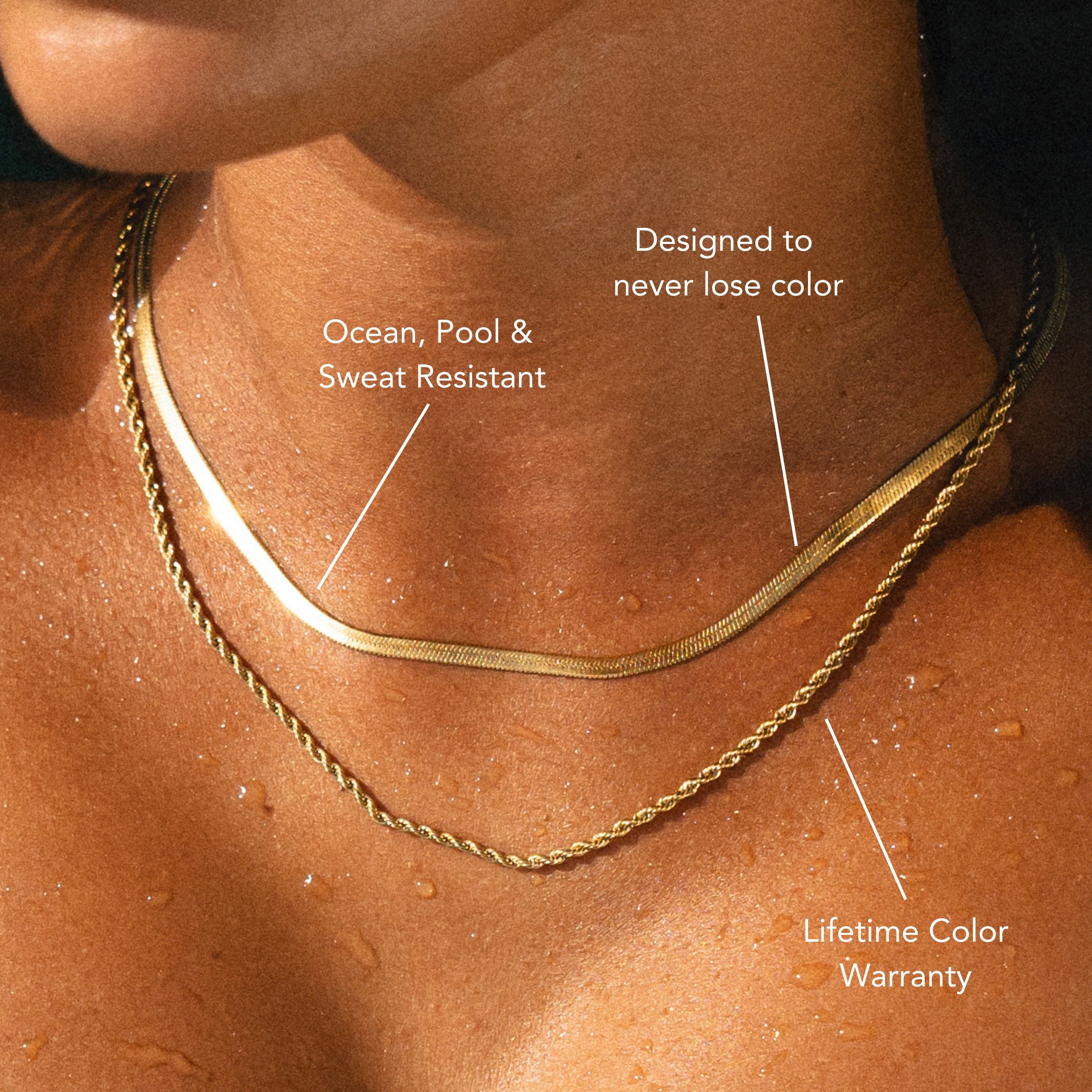
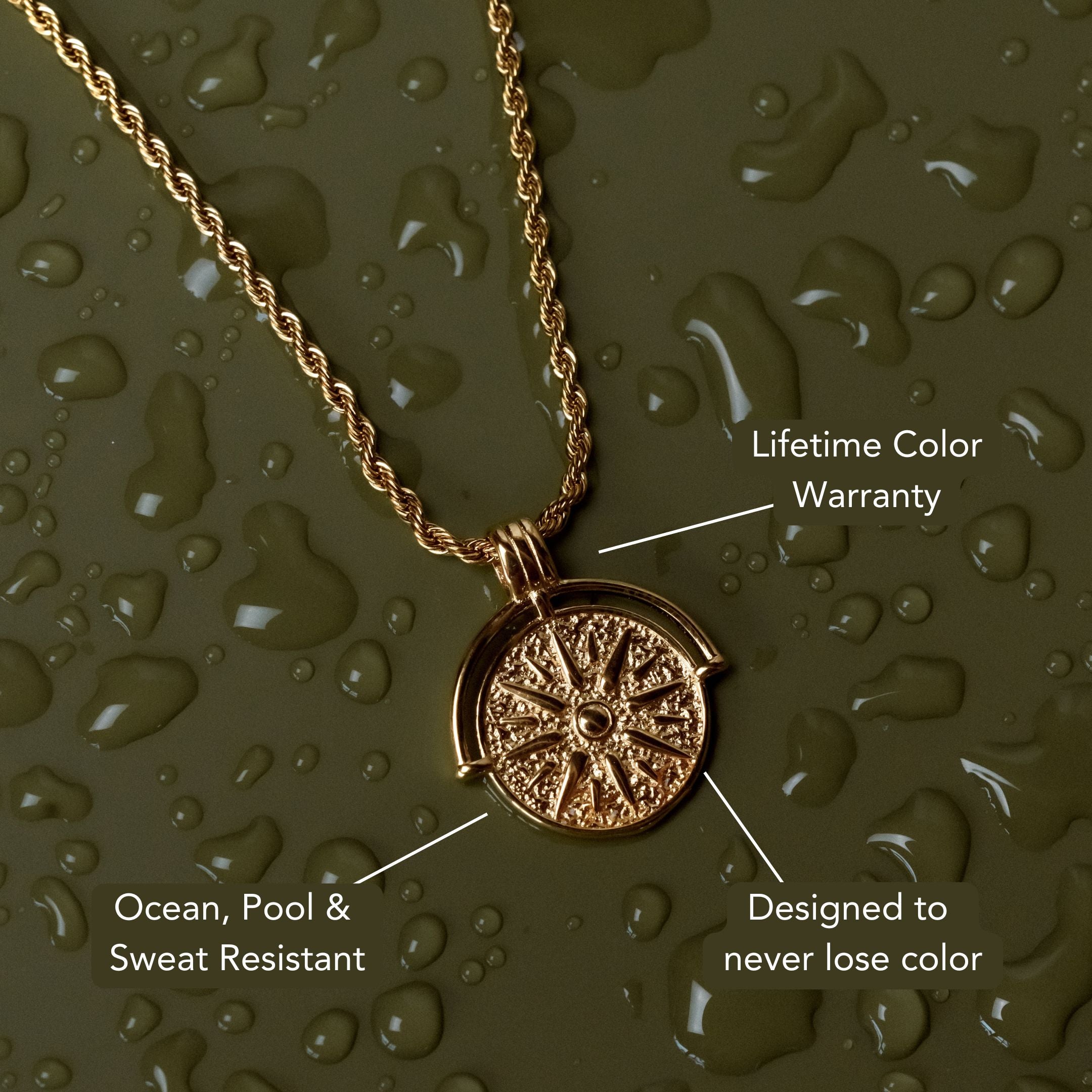
In this guide, we will explain exactly how stainless steel holds up over time, what factors can affect its appearance, and how it compares to other common jewelry metals. If you want jewelry specifically designed to handle daily life without constant upkeep, our Waterproof Jewelry collection offers durable, low maintenance options worth exploring.
Does Stainless Steel Tarnish
Generally speaking, no, stainless steel does not tarnish in the same way that metals like sterling silver or brass typically do. This resistance to tarnish is one of stainless steel's most significant advantages as a jewelry material, making it an increasingly popular choice for those seeking durable, low maintenance pieces suitable for daily wear.
Understanding why stainless steel resists tarnish so effectively requires a closer look at its specific composition and the chemical properties that set it apart from many other common jewelry metals.

Why Stainless Steel Resists Tarnish
Stainless steel is an alloy primarily composed of iron combined with chromium, along with smaller amounts of other elements depending on the specific grade of steel used. The chromium content plays a particularly important role in stainless steel's resistance to tarnish and corrosion, since chromium reacts with oxygen in the air to form a thin, invisible protective layer on the surface of the metal, known as a passive oxide layer.
This protective layer effectively shields the underlying metal from the environmental elements, particularly moisture and oxygen, that typically cause tarnish and corrosion in other metals. Unlike silver, which reacts with sulfur compounds in the air to form a visible, dark tarnish over time, stainless steel's chromium oxide layer actively works to prevent this type of surface reaction from occurring in the first place.
Stainless Steel Versus Sterling Silver
Understanding the difference between stainless steel and sterling silver's tarnish resistance can help clarify why stainless steel has become such a popular alternative for those seeking lower maintenance jewelry options.
Sterling silver, composed of 92.5 percent pure silver combined with other metals, typically copper, is prone to tarnishing when exposed to sulfur compounds present in the air, gradually developing a darker, sometimes yellow or black discoloration over time, particularly in humid environments or with infrequent wear.
Stainless steel, by contrast, does not contain the same reactive properties that make silver susceptible to this type of tarnish. Because of its protective chromium oxide layer, stainless steel jewelry can generally be worn regularly, including during activities like showering or exercising, without the same tarnish related concerns commonly associated with sterling silver.

Can Stainless Steel Ever Discolor
While stainless steel is highly resistant to traditional tarnish, this does not mean it is entirely immune to all forms of discoloration under every possible circumstance. A few specific situations can potentially cause stainless steel to develop some discoloration over time, though these instances are far less common and generally much less severe compared to the tarnish typically seen with silver.
Exposure to Harsh Chemicals
While stainless steel handles regular water exposure quite well, prolonged or repeated exposure to harsh chemicals, such as chlorine or certain cleaning products, can potentially affect its surface over extended periods, particularly with lower quality stainless steel grades that may contain less chromium content.
Extreme Environmental Conditions
In particularly extreme environmental conditions, such as prolonged exposure to saltwater combined with high humidity, some very minor surface changes can occasionally occur, though this is considerably less common and less severe compared to typical tarnish reactions seen in other metals.
Lower Quality Stainless Steel Grades
Not all stainless steel is created equal, and lower quality grades containing less chromium may offer somewhat reduced tarnish resistance compared to higher grade options like 316L surgical stainless steel, which is specifically formulated for enhanced corrosion resistance and is commonly used in higher quality jewelry.
Stainless Steel Versus Other Common Jewelry Metals
Understanding how stainless steel compares to various other popular jewelry metals can help clarify its specific advantages within the broader landscape of common jewelry material options.
Stainless Steel Versus Gold Plated Jewelry
Unlike gold plated jewelry, which consists of a thin gold layer over a base metal that can wear away and expose a potentially less durable metal underneath, stainless steel maintains consistent composition and appearance throughout regular wear, without the same risk of a protective coating gradually deteriorating over time.
Stainless Steel Versus Solid Gold
While solid gold does not tarnish in the traditional sense either, it is a considerably softer metal compared to stainless steel, making it more prone to scratching and denting with regular wear. Stainless steel offers superior scratch resistance, though it lacks the inherent material value and traditional prestige associated with solid gold.
Stainless Steel Versus Titanium
Both stainless steel and titanium offer excellent tarnish resistance and durability, making them frequently compared as similarly practical, low maintenance jewelry material options. Titanium is generally lighter in weight compared to stainless steel, though both metals offer comparable resistance to everyday tarnish and corrosion.

Benefits of Choosing Stainless Steel Jewelry
Given its strong resistance to tarnish, stainless steel offers several practical advantages that have contributed to its growing popularity within the jewelry industry.
Low maintenance care requirements mean stainless steel jewelry generally does not require the same frequent polishing or careful handling associated with metals like sterling silver, making it a convenient choice for those seeking hassle free, everyday jewelry.
Water and activity friendly properties allow stainless steel jewelry to be worn confidently during activities like showering, swimming, and exercising, without significant concern about accelerated tarnish or corrosion.
Long term durability makes stainless steel a practical choice for jewelry intended for frequent, regular wear, since its resistance to both tarnish and scratching helps the piece maintain its appearance over an extended period.
Affordability compared to precious metals like solid gold or platinum makes stainless steel an accessible option for those seeking durable, attractive jewelry without a significant financial investment.
How to Care for Stainless Steel Jewelry
While stainless steel requires considerably less maintenance compared to many other jewelry metals, a few simple care habits can help ensure it continues looking its best over the long term.
Clean stainless steel jewelry periodically using mild soap and warm water, along with a soft cloth or brush to remove any accumulated dirt or residue. Avoid prolonged exposure to harsh chemicals, such as strong cleaning products or chlorine, even though stainless steel generally handles moderate exposure quite well. Store stainless steel jewelry separately from harder materials or gemstones to prevent scratching, even though the metal itself offers strong scratch resistance compared to softer metal alternatives.

Is Stainless Steel a Good Choice for Sensitive Skin
Stainless steel, particularly higher grade options like 316L surgical steel, is generally considered a safe, hypoallergenic option for those with sensitive skin, since this particular grade contains minimal nickel content compared to lower quality steel alloys. However, individuals with very severe nickel allergies may still want to consider titanium as an alternative, since it contains no nickel whatsoever, compared to the very small trace amounts sometimes present even within higher grade stainless steel.
Final Thoughts
So, does stainless steel tarnish? Generally, no, thanks to its chromium content, which creates a protective oxide layer that effectively resists the type of tarnish commonly seen with metals like sterling silver. While extreme conditions or lower quality steel grades can occasionally result in minor discoloration, stainless steel remains one of the most durable, low maintenance options available within modern jewelry, making it an excellent choice for those seeking attractive, long lasting pieces suited for everyday wear.
Whether you are drawn to stainless steel for its practicality, affordability, or simply its sleek, modern appearance, this durable metal offers genuine peace of mind for those seeking jewelry that can keep up with an active, busy lifestyle.
Frequently Asked Questions
1. Can I wear stainless steel jewelry in the shower?
Yes, stainless steel handles regular water exposure quite well, making it a practical choice for those who prefer not to remove jewelry before showering.
2. Does all stainless steel jewelry resist tarnish equally?
Not entirely, since higher quality grades like 316L surgical steel offer improved tarnish and corrosion resistance compared to lower quality stainless steel alloys.
3. Is stainless steel better than sterling silver for everyday wear?
For those prioritizing low maintenance and tarnish resistance specifically, stainless steel generally offers a more practical option compared to sterling silver.
4. Is stainless steel jewelry hypoallergenic?
Higher grade stainless steel, such as 316L surgical steel, is generally considered hypoallergenic, though those with severe nickel allergies may prefer titanium instead.









Leave a comment
This site is protected by hCaptcha and the hCaptcha Privacy Policy and Terms of Service apply.