

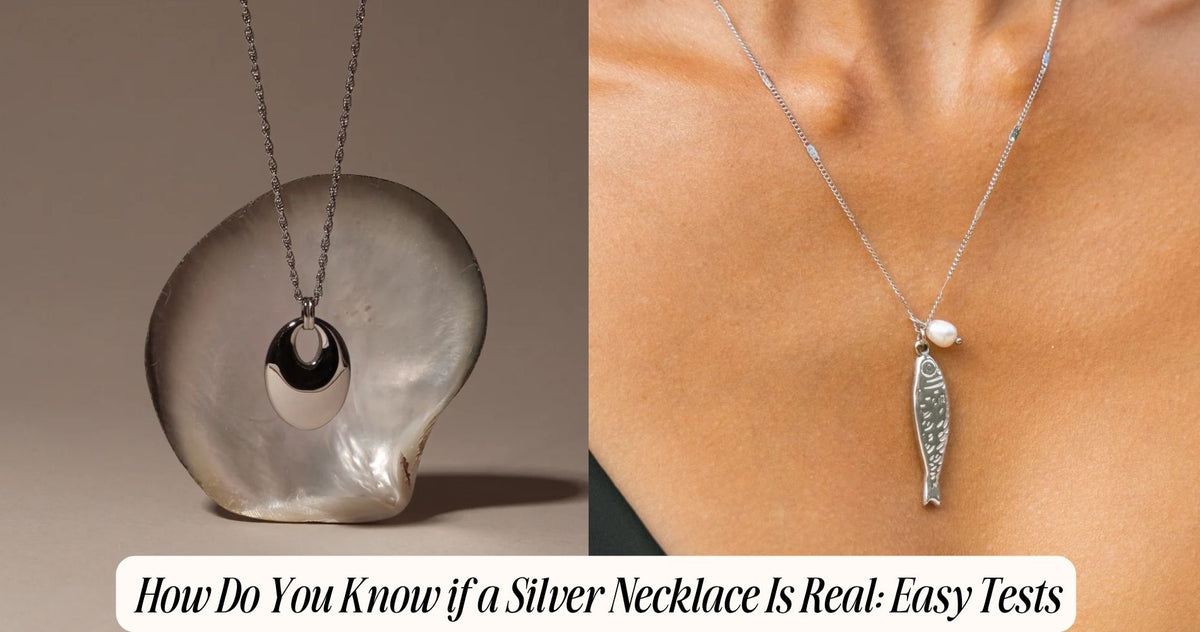
How Do You Know if a Silver Necklace Is Real: Easy Tests
A silver necklace presents a different testing challenge than a silver ring or a pair of earrings, mostly because of how much more surface area and how many separate components are involved. A chain has dozens or even hundreds of individual links, a clasp that takes on more mechanical stress than any other part of the piece, and often a pendant that may have been manufactured entirely separately from the chain itself. If you are wondering how do you know if a silver necklace is real, knowing exactly where on the piece to focus your attention makes a meaningful difference in how reliable your answer will be.
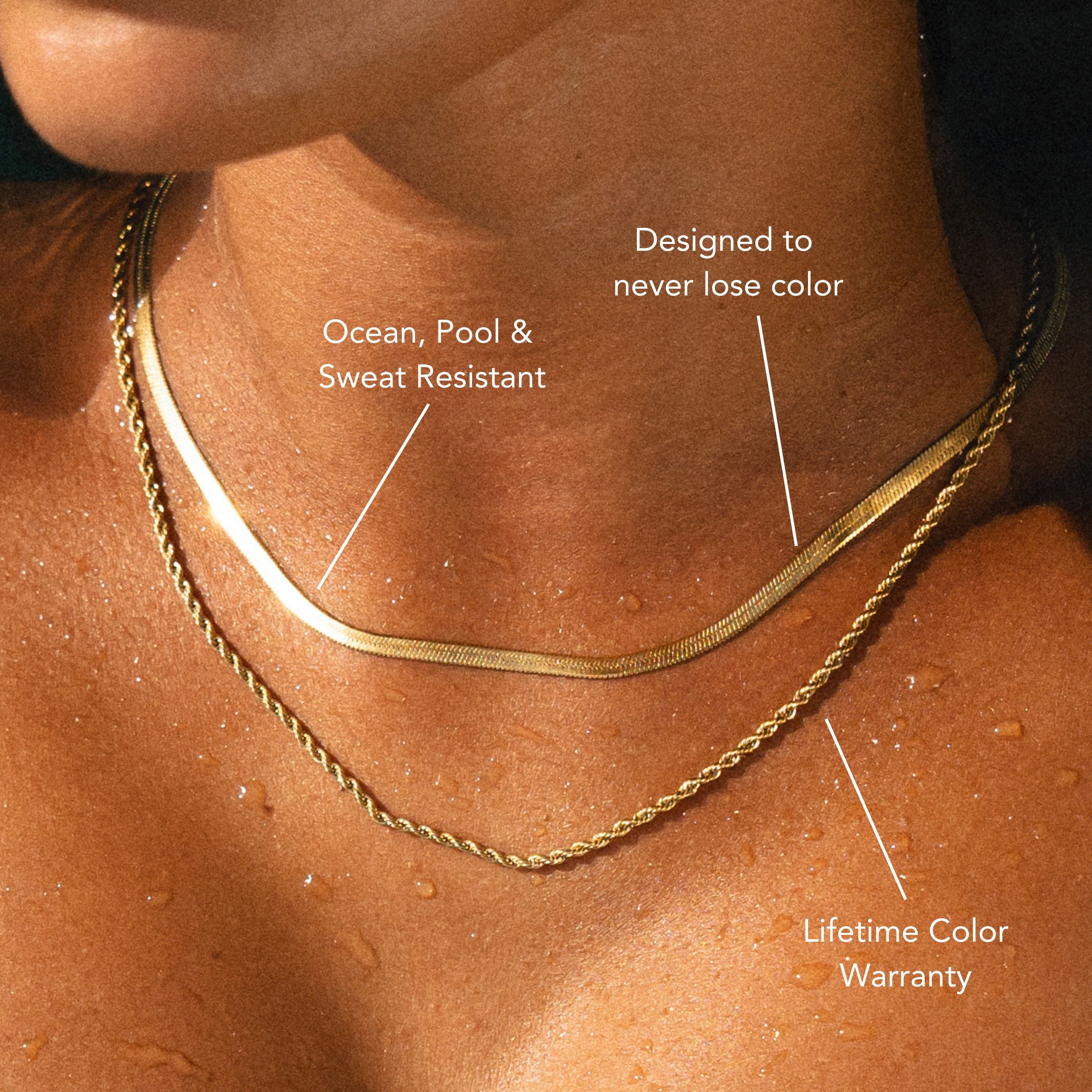
In this guide, we will walk through the specific places on a necklace worth checking, how tarnish patterns and wear show up differently on a chain compared to other jewelry, and how to test the clasp and pendant as their own separate pieces. If you want a silver necklace you can trust and wear without a second thought, our Waterproof Necklaces collection offers pieces built to hold up beautifully over time.
Check the Clasp First for a Hallmark
The clasp is generally the most reliable place to find a purity hallmark on a silver necklace, since it offers a small but relatively flat, stable surface where a stamp like 925, 800, or 900 can actually be legibly engraved. Individual chain links are typically too small and too mobile during manufacturing to reliably hold a stamped mark, which is why checking there first tends to waste time.
Examine the clasp closely, including the small spring mechanism on a spring ring clasp or the flat outer surface of a lobster clasp, using a magnifying glass or jeweler's loupe if you have one, since these markings are often quite tiny. If the clasp itself shows nothing, check for a small flat tag sometimes attached near the closure, since some necklaces, particularly finer or handmade pieces, place their hallmark there instead of directly on the clasp mechanism.

Why Tarnish Patterns Look Different on a Chain
One of the more genuinely useful tests for sterling silver specifically is checking for tarnish, since sterling silver naturally reacts with sulfur compounds in the air over time, developing a characteristic darkening. On a necklace, this tarnish does not always appear uniformly, and understanding why can help you interpret what you are seeing more accurately.
Chain links rub against one another constantly as the necklace moves, and this ongoing friction can actually polish certain contact points on each link even as the rest of the link's surface gradually tarnishes. This means a genuine sterling silver chain may show a slightly mottled or uneven tarnish pattern, darker in the recessed areas between links and lighter along the parts that experience the most friction, rather than one uniform layer of tarnish across the entire piece. This uneven, textured tarnish pattern is actually a reasonably good sign of genuine sterling silver, since a base metal with a thin silver coating tends to tarnish, discolor, or wear in a flatter, less textured way as the coating breaks down.
Testing the Pendant as Its Own Piece
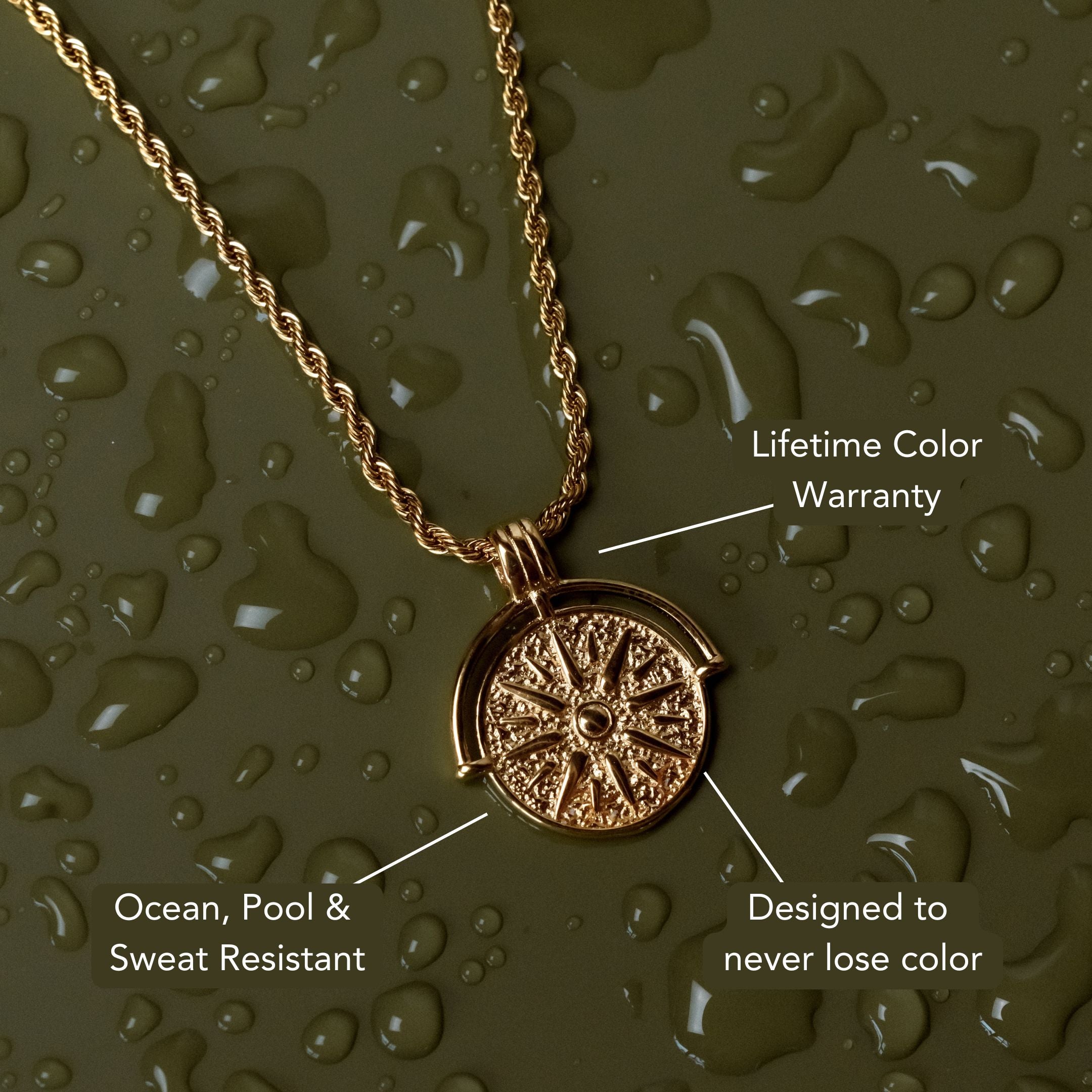
If your necklace includes a pendant, do not assume it shares the same silver content as the chain, since pendants and chains are very often manufactured by different companies and simply assembled together at the point of sale. Check the back of the pendant separately, particularly near the bail where it connects to the chain, for its own hallmark stamp.
It is entirely possible for a necklace to pair a genuine sterling silver chain with a silver plated pendant, or the reverse, so testing each component on its own gives you a meaningfully more accurate picture than checking only one part and assuming the rest matches.

The Fog Test, Applied to a Full Chain
The fog test, breathing onto a piece to see how quickly the resulting condensation clears, relies on silver's excellent thermal conductivity. On a necklace, this test works best when applied to the clasp or pendant, which offer enough flat surface area to fog properly, rather than the chain itself, since individual links are usually too thin and too mobile to hold a useful amount of condensation.
Breathe gently onto the clasp or pendant as you would fogging a mirror, then watch how quickly it clears. Genuine silver typically clears within a second or two due to its rapid heat dispersion, while base metal alternatives tend to stay fogged noticeably longer.
The Magnet Test on Clasps and Connecting Findings
Silver is not magnetic, making a magnet test a useful, non damaging way to check for authenticity, particularly on a necklace's smaller metal components. Test the clasp and any jump rings or findings connecting a pendant to the chain individually, since these small parts are sometimes made from a different, less expensive metal than the main chain, even on necklaces where the chain itself is genuine silver.
Hold a reasonably strong magnet near the clasp first, then separately near the chain and pendant. Noticeable, immediate attraction at any single point, even if the rest of the necklace shows no reaction, suggests that specific component contains iron or steel rather than genuine silver.
Checking Where the Chain Attaches to the Clasp and Pendant
The points where the clasp attaches to the chain, and where a pendant's bail connects to the chain, experience more repeated stress and metal on metal contact than nearly any other part of a necklace, since these connection points bear the full weight and movement of the piece every time it goes on or comes off. Examine these specific junctions closely, since if a necklace involves any silver plating over a base metal, these high stress connection points are often among the first places that plating wears through, sometimes before the rest of the chain shows any visible change at all.

Weighing a Necklace as a Whole
Genuine sterling silver necklaces generally feel more substantial for their visual size compared to silver plated chains of similar length and link style, since plated pieces are typically built on a lighter base metal. If you have access to a small jewelry scale, weighing the full necklace, including clasp and any pendant, and comparing that figure to published weight ranges for a similar sterling silver chain style and length can offer a useful supporting data point, particularly when combined with the other tests described above.
Putting the Necklace Specific Checks Together
No single test provides a complete answer on its own, but checking the clasp first for a hallmark, understanding why tarnish looks mottled rather than uniform on a genuine chain, testing the pendant and chain as separate components, and paying close attention to the connection points where stress concentrates, together build a far more reliable overall picture for a necklace specifically than a single generic test applied to the whole piece.
When to Involve a Professional
For a silver necklace with real sentimental or financial significance, particularly an inherited piece or one without documentation, a jeweler with access to a proper silver testing kit or electronic tester can give you a definitive answer for the chain, clasp, and pendant individually. This is especially worth doing given how often necklace components are assembled from parts manufactured separately, meaning they do not always share the same silver content throughout the entire piece.

Final Thoughts
So, how do you know if a silver necklace is real? Start with the clasp, since it is the most likely place to find a legible hallmark, pay attention to how tarnish shows up unevenly across chain links rather than expecting a single uniform layer, test the pendant separately from the chain, and examine the clasp attachment and pendant bail closely, since these connection points tend to reveal wear or plating breakdown before the rest of the necklace does. Taken together, these necklace specific checks give you a far more reliable read than applying a single test meant for a ring or a solid piece of jewelry.
Frequently Asked Questions
1. Where should I check first for a silver hallmark on a necklace?
The clasp is usually the most reliable spot, since it offers enough flat surface area for a legible stamp, unlike individual chain links.
2. Why does tarnish look uneven on a genuine silver chain?
Constant friction between links polishes certain contact points even as recessed areas tarnish, creating a mottled pattern that is actually a reasonably good sign of genuine sterling silver.
3. Can a necklace have a real silver chain but a plated pendant?
Yes, chains and pendants are frequently manufactured separately, so it is worth checking each component's hallmark independently rather than assuming they match.
4. Is the fog test effective on a chain itself?
Not really, since individual links are usually too thin to hold useful condensation. It works better when applied to the clasp or pendant, which offer more flat surface area.









Leave a comment
This site is protected by hCaptcha and the hCaptcha Privacy Policy and Terms of Service apply.