


Are Pearls Expensive: Complete Price Guide
Pearls carry a reputation for timeless elegance, but that reputation often comes paired with an assumption that they must also carry a steep price tag. The truth is more nuanced. Are pearls expensive? Sometimes dramatically so, and sometimes surprisingly affordable, depending entirely on the type of pearl, its quality, and how it was formed. Understanding these variables can help you shop with realistic expectations rather than assuming all pearls fall into the same price category.
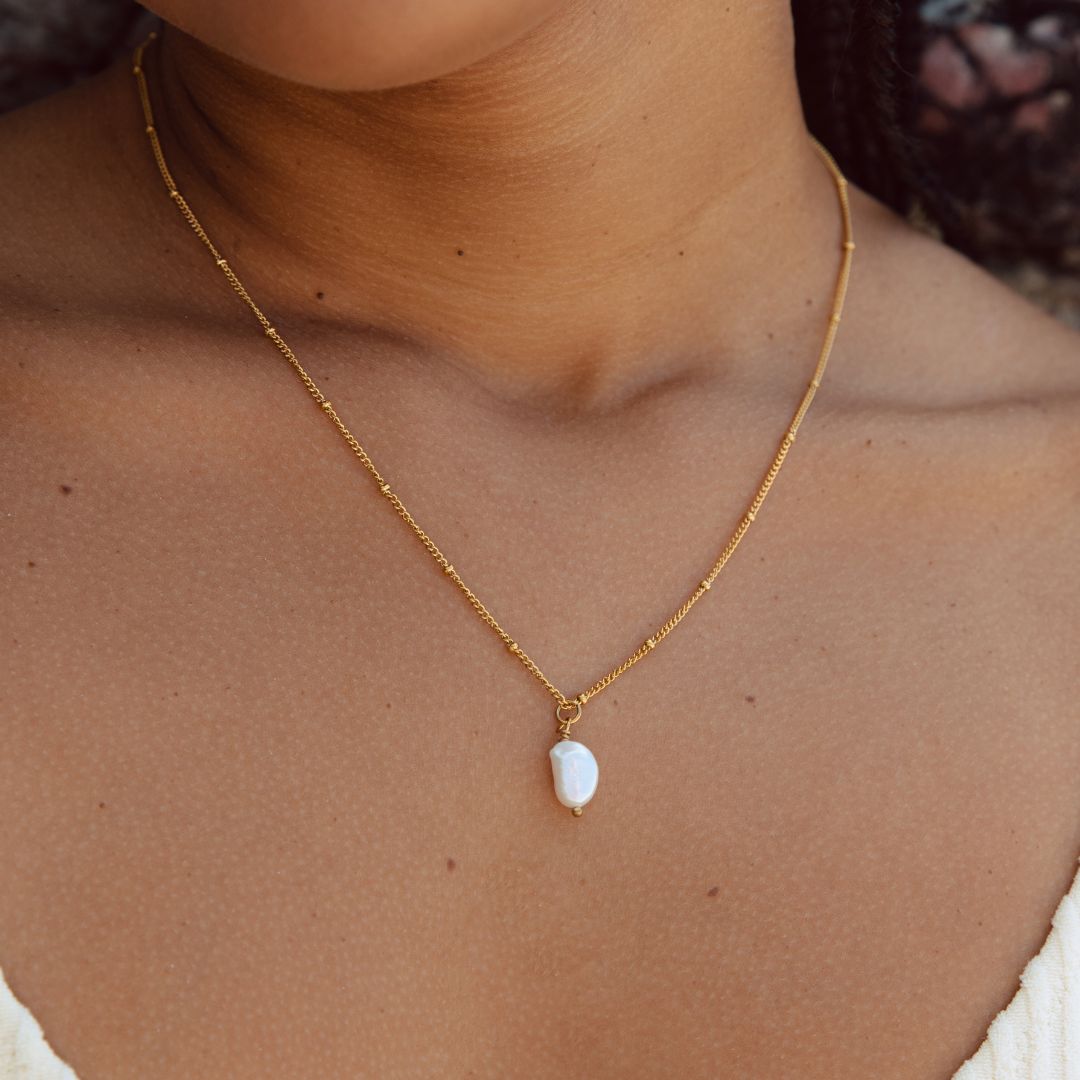
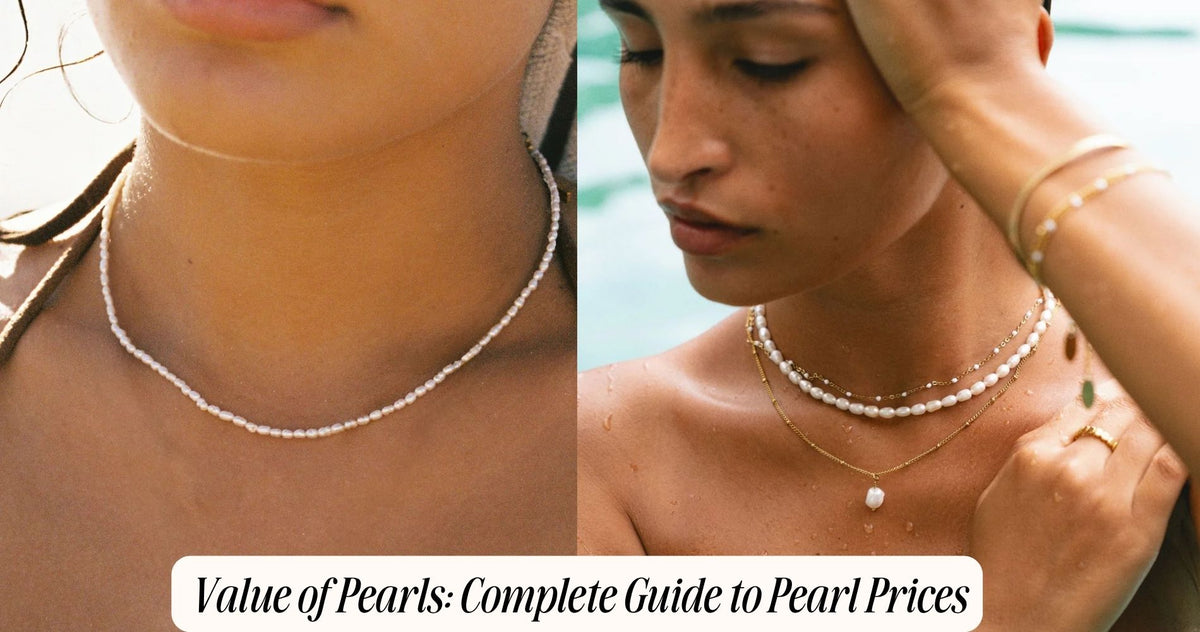
In this guide, we will break down what actually drives pearl pricing, compare costs across the major pearl types, and explain what separates a budget friendly strand from an investment piece. If you want to explore genuine pearls without committing to a full strand, our Single Pearl Necklaces collection offers an accessible way to add authentic pearl jewelry to your collection.
Are Pearls Expensive: The Short Answer
Pearls span an enormous price range, from strands available for under 50 dollars to single pearls worth tens of thousands. This wide spread exists because the term pearl covers several genuinely different products, from widely farmed freshwater varieties to rare, naturally occurring pearls formed without any human intervention at all. Rather than asking whether pearls in general are expensive, it is more useful to ask which type of pearl you are considering, since that single factor accounts for most of the price variation you will encounter while shopping.

Why Pearl Pricing Varies So Dramatically
Unlike many gemstones, which form through relatively consistent geological processes, pearls are created by living mollusks, meaning their production involves biology, farming practices, and no small amount of chance. A single oyster might produce nothing usable, a small, irregular pearl, or, occasionally, an exceptionally large, perfectly round specimen. This inherent unpredictability, combined with meaningful differences in how various pearl types are cultivated, is the primary reason pricing varies so widely across the category.
Freshwater Pearls: The Most Accessible Option
Freshwater pearls, cultivated primarily in mussels farmed in freshwater lakes and ponds, mainly in China, represent the most widely available and affordable pearl type on the market today. A single freshwater mussel can produce multiple pearls at once, sometimes more than twenty, which significantly increases supply and keeps prices considerably lower compared to other pearl varieties.
Simple freshwater pearl strands often start around 30 to 100 dollars, while individual freshwater pearl pieces, such as a single pendant or stud earrings, can cost as little as 20 to 50 dollars. Higher quality freshwater pearls, featuring rounder shapes and higher luster, can push into the low hundreds, though they remain notably more accessible than saltwater alternatives.

Akoya Pearls: The Classic Choice
Akoya pearls, cultivated in saltwater oysters primarily off the coast of Japan and China, are often considered the classic pearl associated with traditional strand necklaces. Akoya oysters typically produce only one pearl at a time, and the resulting pearls are prized for their high luster and consistently round shape, both factors that push pricing meaningfully above freshwater varieties.
A quality Akoya pearl strand commonly ranges from 300 to 1,500 dollars, with exceptional strands featuring larger pearls and superior luster reaching several thousand dollars. Individual Akoya pearl pieces, such as a single pendant, generally start around 100 to 300 dollars.
South Sea Pearls: A Significant Step Up
South Sea pearls, cultivated in larger oysters found primarily in the waters off Australia, Indonesia, and the Philippines, are notably larger than both freshwater and Akoya varieties, often ranging from 9 to 20 millimeters in diameter. This substantial size, combined with a slower growth process and lower overall yield per oyster, places South Sea pearls firmly in the luxury category.
A single South Sea pearl pendant can range from 500 to several thousand dollars, and full strands frequently start around 5,000 dollars, with exceptional strands featuring large, high luster pearls reaching well into five figures.
Tahitian Pearls: Prized for Their Dark Color
Tahitian pearls, cultivated in black lipped oysters found in French Polynesia, are known for their naturally dark coloring, ranging from deep charcoal to green, blue, and purple overtones. Their relative rarity, combined with their striking, uncommon color palette, places Tahitian pearls in a similarly high price tier as South Sea pearls.
Individual Tahitian pearls often range from 200 to several thousand dollars depending on size and quality, with full strands commonly starting around 1,500 to 5,000 dollars and extending significantly higher for exceptional examples.
Natural Pearls: The Rarest and Most Valuable
Natural pearls, formed entirely without human intervention when an irritant accidentally becomes lodged inside a wild mollusk, are exceedingly rare in the modern market. Because natural pearl formation cannot be controlled or induced, finding one large and attractive enough for fine jewelry is a genuine rarity, and pricing reflects that scarcity directly.
Natural pearls can command prices from several thousand dollars into the hundreds of thousands, particularly for larger, well matched pieces or strands with documented provenance. These are typically found at auction or through specialized dealers rather than standard retail jewelry stores.

What Drives Price Within Each Pearl Type
Beyond the broad category a pearl belongs to, several specific quality factors influence price within that category.
Luster
Luster refers to the brightness and reflective quality of a pearl's surface. High luster pearls display a sharp, mirror like glow, while lower luster pearls appear duller or chalkier. This single factor can significantly affect price even among pearls of otherwise similar size and type.
Shape
Perfectly round pearls are the rarest and most valuable shape, since natural growth rarely produces flawless symmetry. Slightly off round, oval, or baroque shaped pearls are generally more affordable, though baroque pearls specifically have gained popularity in recent years for their unique, organic appearance rather than being viewed purely as a lower quality alternative.
Surface Quality
Pearls with minimal surface blemishes, such as spots, bumps, or cracks, command higher prices than those with more visible imperfections. Since pearls form through a biological process, some degree of surface variation is common, but cleaner surfaces are generally valued more highly.
Size
Larger pearls are rarer within every category, since they require more time to develop within the host mollusk. Price typically increases considerably as size increases, particularly once a pearl exceeds the average size range for its specific type.
Color
Within each pearl type, certain colors or overtones are more highly prized than others. For example, within Tahitian pearls, certain green or peacock colored overtones often command a premium compared to more common gray or black tones.
Cultured Versus Natural: A Pricing Distinction Worth Understanding
The vast majority of pearls sold today, across freshwater, Akoya, South Sea, and Tahitian categories, are cultured rather than entirely natural, meaning a pearl farmer intentionally introduced an irritant into the mollusk to begin the pearl forming process. Cultured pearls are still entirely genuine, real pearls, and this distinction is about how the process began rather than whether the final pearl is authentic. Cultured pearls simply offer far more consistent supply and predictable pricing compared to the rarity of entirely natural pearls.
Are Pearls a Good Value
Whether pearls represent good value depends on what you are hoping to get from the purchase. Freshwater pearls offer genuine, authentic pearl jewelry at a price point accessible to nearly any budget, making them an excellent entry point for those wanting real pearls without a significant investment. Akoya, South Sea, and Tahitian pearls step up in both price and prestige, offering superior luster, size, or color depending on the specific type, making them worthwhile for those seeking a more significant, longer term piece.

How to Shop for Pearls Within Your Budget
If you are working within a specific budget, starting with freshwater pearls allows you to enjoy genuine pearl jewelry without financial strain. As budget allows, moving toward a single, higher quality pearl piece, such as one excellent Akoya pendant, often provides more satisfaction than a larger quantity of lower grade pearls, since quality factors like luster and shape tend to matter more to overall visual impact than sheer size or pearl count.
Final Thoughts
So, are pearls expensive? It depends entirely on which type you are considering. Freshwater pearls remain genuinely accessible, Akoya pearls represent a moderate step up prized for their classic elegance, and South Sea, Tahitian, and natural pearls occupy the luxury end of the spectrum, reflecting their rarity, size, or unique coloring. Understanding these distinctions allows you to shop with realistic expectations and find pearls that fit both your budget and your personal style.
Frequently Asked Questions
1. What is the most affordable type of real pearl?
Freshwater pearls are generally the most affordable, since a single mussel can produce multiple pearls at once, keeping supply higher and prices lower than other varieties.
2. Why are South Sea pearls so much more expensive than freshwater pearls?
South Sea pearls are larger, slower to develop, and produced in lower quantities per oyster, all of which contribute to significantly higher pricing.
3. Are cultured pearls less valuable than natural pearls?
Cultured pearls are still genuine, authentic pearls, but they are generally less expensive than natural pearls, which form without human intervention and are far rarer.
4. What factors affect the price of a pearl the most?
Luster, shape, surface quality, size, and color all significantly influence a pearl's price within its specific type category.










Leave a comment
This site is protected by hCaptcha and the hCaptcha Privacy Policy and Terms of Service apply.