


What Length Is a Choker Necklace: Exact Size Guide
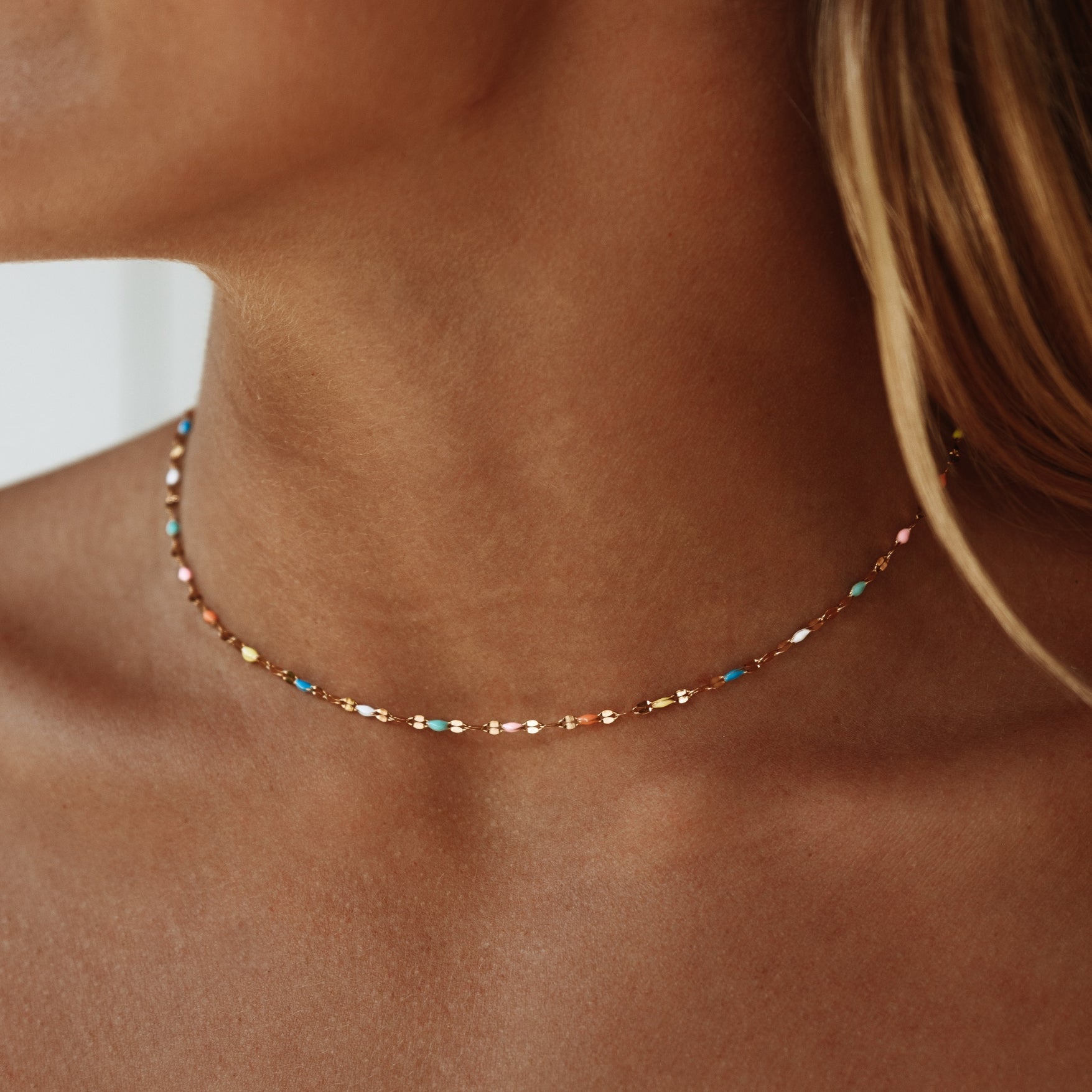
What length is a choker necklace? A choker should sit snugly at the base of your neck: choose 12–14 inches for a classic tight fit or 15–16 inches for a slightly looser, collar-like look. Fit can vary by preference and body type, so measuring your neck and adding a bit of extra length ensures comfort. Details like clasp type and chain style also affect how it sits. For delicate, well-fitted options, pieces from the Dainty Choker Necklaces collection offer a balanced mix of style and comfort for everyday wear.
What Counts As a Choker: Standard Lengths
Chokers typically sit snugly at the base of your neck, and most standard lengths fall between 12 and 16 inches—12–14 inches for a true, tight-fit choker and 15–16 inches for a slightly relaxed, collar-like look.
You’ll pick a length based on comfort, neckline, and intended style: a tight 12–13-inch piece reads bold and vintage, while 14–16 inches skews modern and wearable.
Know that choker history informs current designs—Victorian ribbons, 1990s tattoo-style bands and runway reinventions shape today’s mixes.
Follow choker trends by choosing materials and closures that suit your movement: velvet and ribbon for dressy looks, leather or chain for everyday edge.
Try different lengths with outfits to confirm the exact fit you want.

Choker Size Chart: Women, Men, Teens
Because neck sizes vary by age, sex and style preference, a clear size chart helps you pick the right choker length without guesswork.
For women, typical choker lengths run 12–14 inches for a snug fit and 14–16 inches for a relaxed sit—ideal if you follow modern choker trends that favor both tight and slightly looser styles.
For men, 15–17 inches suits most builds when you want a subtle, masculine look; 16–18 inches works if you prefer a casual drape.
For teens, 11–13 inches usually fits smaller necks while allowing room to grow.
Remember choker history: chokers started tight and symbolic, but contemporary designs adapt length for comfort and fashion.
Use the chart as a starting point, then adjust for personal proportions and preferred fit.
Measuring Your Neck for the Perfect Choker
1 simple measurement gives you the base for a flawless choker fit: wrap a soft measuring tape snugly around the thickest part of your neck, just above the collarbone, and note the number in inches.
Add 1/2–1 inch for a close, comfortable choker or 1–2 inches for a looser look inspired by modern celebrity trends. If you don’t have a tape, use string and measure it against a ruler.
Record the final length and compare it to standard choker sizes to pick metal, ribbon, or velvet options.
Remember the choker history of tight, symbolic styles, but prioritize comfort—breathable materials and secure clasps prevent slipping.
Re-measure seated and standing to guarantee consistency.

Choosing Chokers by Neck Shape and Body Type
Now that you’ve got an accurate neck measurement, match your choker choice to your neck shape and body type to get a flattering, modern look.
If you have a long, slender neck, choose narrower, minimalist chokers or delicate chains to accentuate length without overpowering it.
For shorter or thicker necks, pick slightly wider bands or textured styles that create balance and avoid overly tight, thin pieces.
If your body type is petite, favor lightweight designs that won't overwhelm your frame; if you're curvier or taller, bolder, embellished chokers add proportion and confidence.
Square or angular jawlines benefit from softer, rounded chokers; oval faces suit nearly any style.
Trust proportion: chokers should complement, not compete with, your neck shape and body type.
Adjusting and Extending Chokers for the Right Fit
Anyone can tweak a choker to sit perfectly — and you should, since fit makes or breaks the look.
You’ll first check the clasp: adjustable closures give immediate control, letting you tighten or loosen without altering the piece. For fixed-length chains, add a short extender or a discreet safety chain to gain 1–3 inches.
For rigid or beaded choker types, use jeweler’s pliers to open jump rings and attach an extender bar; silk or ribbon chokers can be retied or threaded through a slider bead.
If you want permanent change, have a jeweler resize links or replace a clasp with an adjustable one.
Always guarantee comfort and movement — neck breathability prevents irritation and keeps the choker fashionable and wearable.
Choker Styling: Layering, Widths, and Materials
Once your choker fits comfortably, think about how it plays with other pieces and the statement you want to make.
You’ll layer a thin metallic choker under a wider velvet band for contrast, or pair delicate chains with a bold pendant to balance proportions. Choose widths based on neck length: narrow for shorter necks, medium to wide for longer or statement looks.
Mix materials—leather, silk, metal, and lace—to add texture; metals bring polish, fabric feels casual. Stay current by selecting choker colors that complement skin tone and wardrobe, and follow choker trends like minimalist chains, pearl accents, and mixed-media pieces.
You should experiment but keep proportions harmonious so each layer reads intentional, not cluttered.

Frequently Asked Questions
Are Chokers Appropriate for Job Interviews or Professional Settings?
Yes — you can wear chokers to interviews if you choose conservative choker styles that complement interview attire; pick slim, understated pieces in neutral tones, avoid overly trendy or flashy designs, and keep overall look professional.
Can Children Safely Wear Adjustable Chokers?
Yes—you can safely let children wear adjustable chokers if you supervise, choose breakaway clasps, soft materials, and appropriate adjustable sizing; you’ll prioritize comfort, age-appropriate design, and current children's fashion safety standards.
How Do Chokers Affect Breathing or Neck Circulation?
Chokers rarely restrict breathing or neck circulation if you choose appropriate choker types and fit them snug but not tight; you’ll prioritize breathing comfort by checking for movement, easing pressure, and avoiding rigid, constricting materials.
Are Magnetic Clasp Chokers Safe for People With Pacemakers?
No — you shouldn’t assume magnetic clasp chokers are safe if you have a pacemaker. Follow magnetic clasp safety and pacemaker precautions, consult your cardiologist, and choose nonmagnetic fastenings or medical-grade alternatives for reassurance.
How Should Pet Owners Prevent Chokers From Snagging on Animals?
You should remove chokers around pets, choose quick-release or magnetic clasps, keep jewelry short and smooth, and store choker safety separately from pet accessories to prevent snagging and guarantee both your animal and necklace stay safe.
Conclusion
You now know what counts as a choker, typical lengths for women, men, and teens, and how to measure your neck so a choker sits comfortably and stylishly. Choose styles that flatter your neck shape and body type, and use extenders or adjustable closures when you need a tweak. Layer thoughtfully—mix widths and materials—and prioritize fit over trendiness for a modern, confident look that reads intentional and on-trend.









Leave a comment
This site is protected by hCaptcha and the hCaptcha Privacy Policy and Terms of Service apply.