

What Is the Largest Ring Size for a Woman: Complete Size Guide
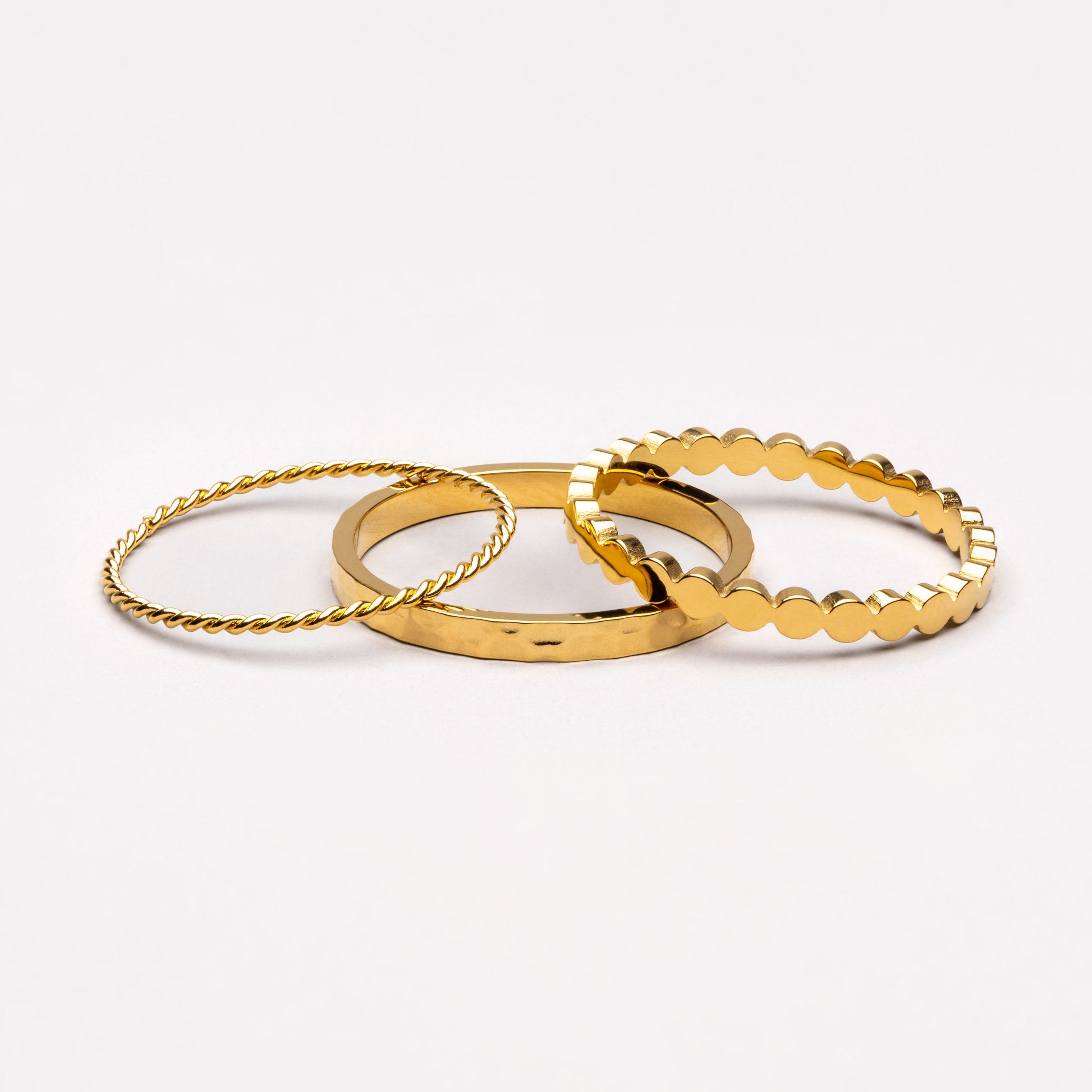
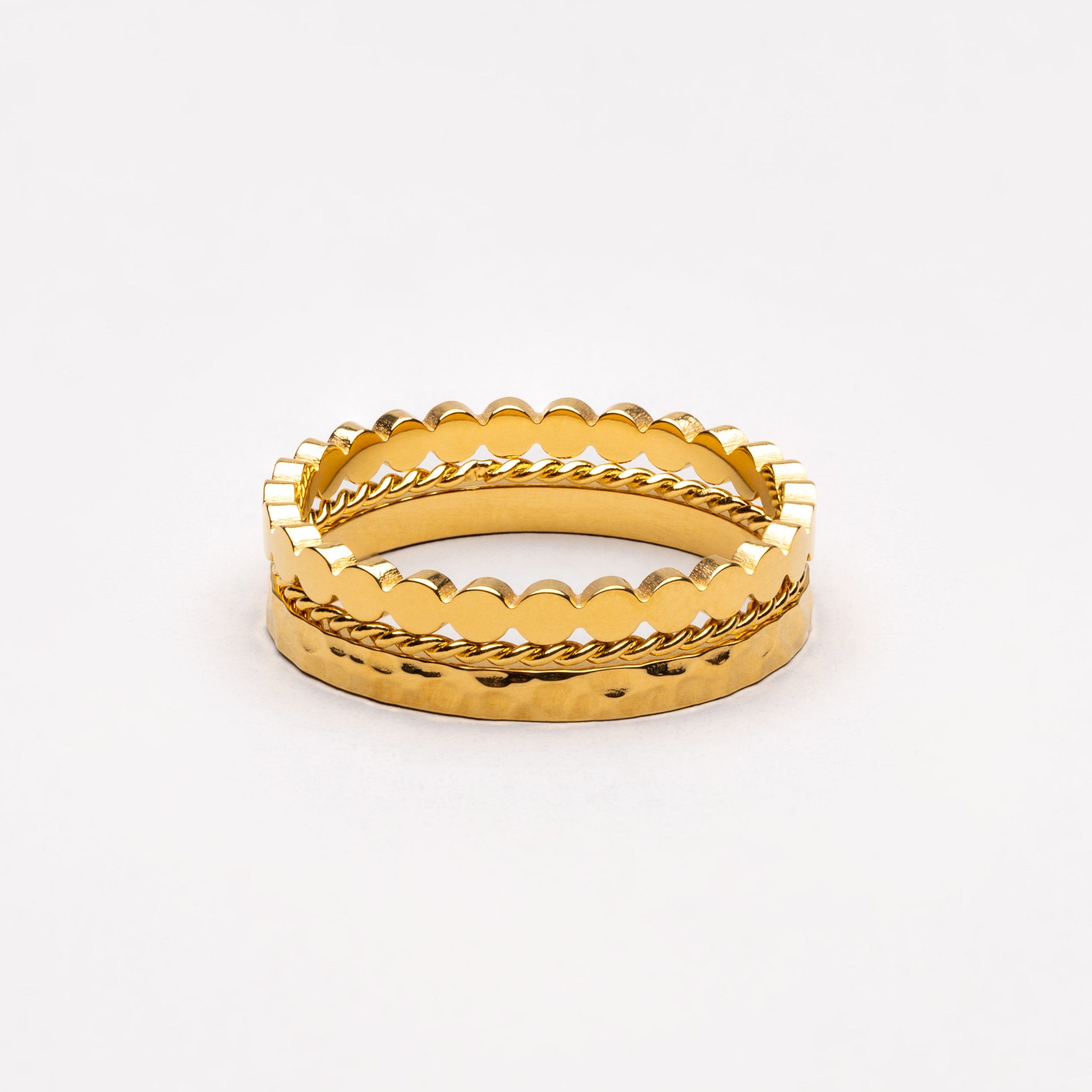
What is the largest ring size for a woman? You’ll typically find women’s rings stocked up to U.S. size 13 (some brands offer size 14), while larger sizes usually require custom orders. Accurate sizing matters—measure at room temperature with proper tools and consider how band width and comfort-fit designs affect the feel. Jewelers can often adjust or create custom pieces to ensure a better fit, and practical, versatile styles—like those in the Minimalist Gold Rings collection—can make everyday wear more comfortable and adaptable.
What Is the Largest Standard Ring Size for Women?
While ring-sizing systems vary, the largest standard women's ring size in most U.S. jewelry catalogs is typically size 13, with some manufacturers extending stock to size 14. Sizes beyond that move into specialty or men's ranges and often require custom fabrication.
You’ll need to account for large finger considerations: wider bands increase fit tightness, domed profiles alter perceived size, and comfort-fit interiors reduce pressure.
When selecting stylish oversized options, evaluate proportional design—stone scale, shank width, and setting height—to maintain balance and avoid spin.
Metals and manufacturing tolerances affect final circumference; plated rings can’t be resized repeatedly without failure.
For reliable procurement, request millimeter circumference data, verify available stock sizes, and plan for bespoke fabrication when standard ranges don’t meet anatomical requirements.

How to Measure Large Ring Sizes Accurately at Home
After confirming whether standard sizes (typically up to U.S. 13–14) will work or whether you need a custom fit, measure carefully to obtain an accurate large ring size at home.
Start by stabilizing finger temperature—measure at room temperature, not after exercise or cold exposure. Use calibrated ring sizing tools where possible: a mandrel for existing rings or a set of metal/plastic sizers for direct fitting.
If you use a printable chart, verify scale accuracy with a ruler. Employ precise measuring techniques: take three readings at different times of day, record inner diameter to 0.1 mm, and convert using a verified chart.
Ascertain sizer sits comfortably over the knuckle without force. Average consistent readings to determine final size.
How Ring Sizes Differ Worldwide
Because ring sizing systems evolved regionally, you’ll encounter multiple scales—alphabetic (U.K., Australia), numeric (U.S., Canada), and metric circumference or diameter (Europe, Japan)—that don’t map one-to-one.
Accurate conversion requires measured inner diameter or circumference rather than relying on nominal labels. You should use millimeters for technical comparisons and record both diameter and circumference to avoid rounding errors.
International sizing tables exist, but they assume standard tolerances; always verify with physical measurement.
Be aware that cultural preferences influence typical ranges offered by retailers, so a size common in one market may be rare elsewhere.
When comparing systems, convert via precise geometry (C = π·D) and document the method, measurement tool, and temperature, since metal expands slightly with heat.

Jewelers’ Typical Stock-Size Limits : When You’ll Need Custom Sizing
Most retail jewelers stock a narrow band of sizes—commonly U.S. 5–9 for women and up to 11 or 12 for men—so you'll encounter limits when a customer needs considerably larger or smaller rings; custom sizing becomes necessary when the required inner diameter or circumference falls outside that stocked range, when width and profile would alter fit beyond standard tolerances, or when design constraints (heavy settings, continuous patterns, or engraved interiors) prevent safe resizing.
You should expect stock inventories to prioritize modular manufacturing and minimize SKUs. Ask about maximum stretch or cut-and-bridge adjustments available in-store.
Understand common misconceptions: not all metals can be safely stretched, size increments affect comfort differently on wide bands, and complex settings often require remaking rather than resizing. Insist on documented limits before purchase.
How to Buy an Oversized Ring: Resizing, Stretch Bands, and Custom Orders
When you need a ring larger than standard stock sizes, decide up front whether you'll resize an existing piece, use a stretchable band, or commission a custom order—each path has distinct limits, costs, and structural implications.
If resizing, assess ring style and band material: plain bands of gold or platinum can be stretched or cut and rebuilt up to 2–3 sizes; multi-stone settings, filigree, or channel-set rings often require rebuilding to maintain integrity.
Stretch bands suit temporary solutions for slightly larger fits but degrade over time and aren't appropriate for heavy gemstones or wide bands.
For sizes beyond practical resizing, choose a custom order: specify target size, metal alloy, wall thickness, and reinforcement techniques (sleeving, shanks, or bridge supports) to preserve profile and durability.

Frequently Asked Questions
Can Pregnancy Permanently Change My Ring Size?
Yes — pregnancy hormones and swelling factors can permanently alter your ring size; tissue and ligament changes may persist post‑partum, so you should reassess sizing after recovery and consider resizing if measurements remain altered.
Are Wide Bands Sized Differently Than Thin Bands?
Yes — you’ll often size wide band rings larger than thin band rings due to sizing differences; wider profiles restrict finger movement, so you’ll choose a slightly bigger size for comfort fit while ensuring proper balance and circulation.
Do Temperature and Time of Day Affect Ring Measurements?
Yes — temperature fluctuations and time of day do affect ring measurements; you should use consistent ring measurement techniques, measure at normal body temperature and late afternoon when fingers swell, and document conditions for repeatable, precise sizing.
Can Insurance Cover Custom Oversized Ring Costs?
Yes—your insurance policies may cover custom jewelry oversized ring costs if you’ve scheduled, appraised, and listed the piece; you’ll need proof of value, endorsement or rider, and to meet insurer documentation and eligibility requirements.
How Does Metal Type Affect Resizing Limits?
Metal type dictates resizing limits: harder metals like titanium and tungsten resist alteration due to metal durability, causing significant resizing challenges, while gold and platinum are more malleable, allowing larger adjustments with precise soldering and expert work.
Conclusion
You’ll typically find women’s rings stocked up to about US size 9–10, though jewelers can craft larger sizes on request. To get an accurate fit, measure finger circumference precisely and compare international charts; for sizes beyond stock limits, expect custom fabrication, thicker bands, or split shanks to maintain comfort and structural integrity. Discuss material choice, ring profile, and resizing tolerance with your jeweler so your final piece meets both fit and durability specifications.









,%20while%20larger%20sizes%20usually%20require%20custom%20orders.%20Accurate%20siz...)
Leave a comment
This site is protected by hCaptcha and the hCaptcha Privacy Policy and Terms of Service apply.