

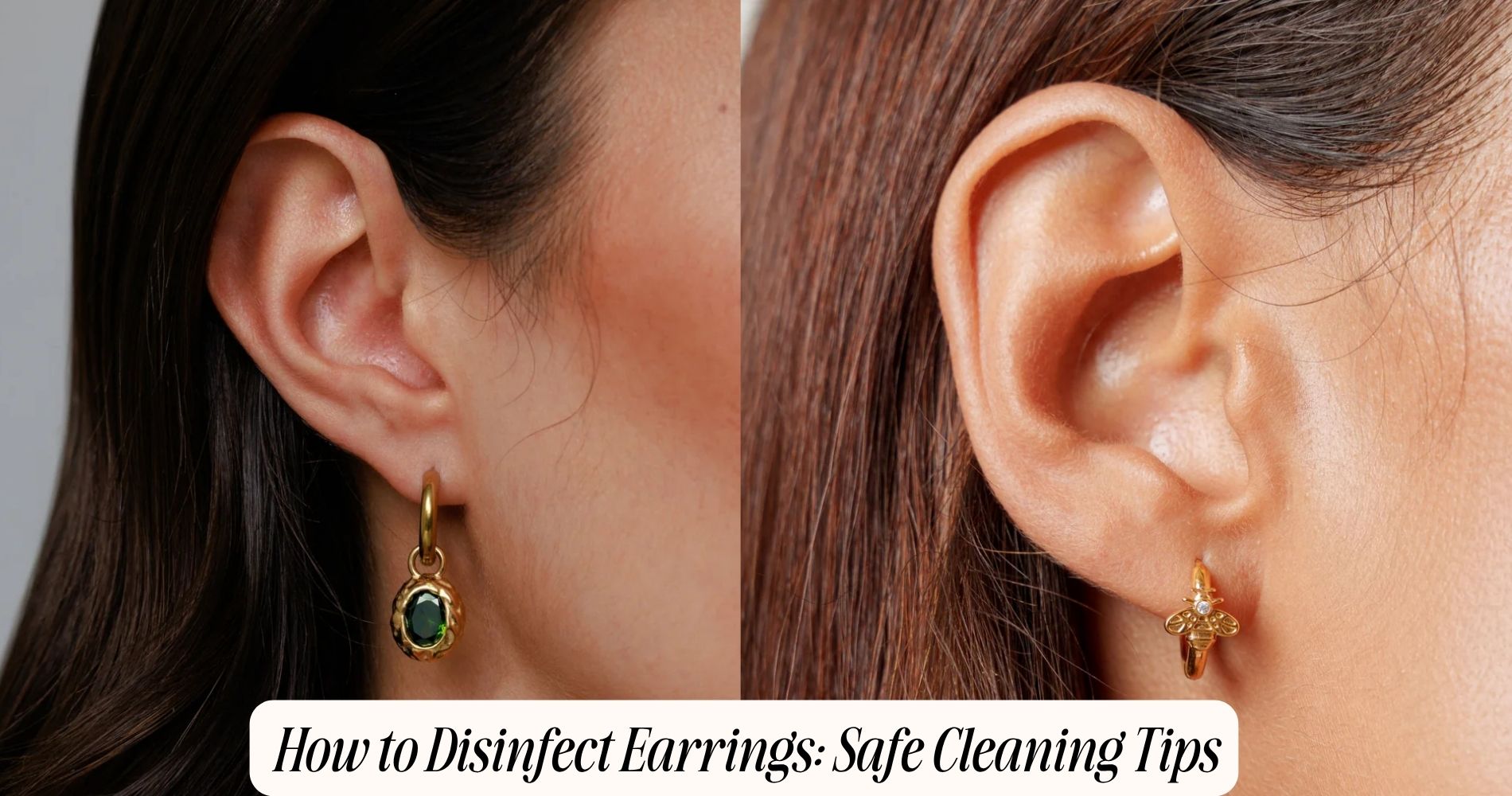
How to Disinfect Earrings: Safe Cleaning Tips
Earrings that sit inside a piercing accumulate bacteria, skin oils, and product residue with every wear. Disinfecting them properly protects your piercing from irritation and keeps the earrings themselves in good condition. Knowing how to disinfect earrings correctly means using the right method for the right material, because the same approach that works on surgical steel can damage plated or stone-set pieces. Summer Earrings worn through warm months of ocean days, sunscreen, and sweat need more frequent attention than pieces worn occasionally. This guide covers the correct disinfection methods for every earring material, what cleaning products work and which cause damage, how often to clean, and what to do for earrings that contact a new or healing piercing.
Why Disinfecting Earrings Matters
Earrings and piercings create a specific hygiene challenge that other jewelry does not. The post sits inside the piercing channel continuously, in contact with tissue and skin flora. Bacteria naturally present on skin, including Staphylococcus epidermidis and other common skin organisms, accumulate on the post surface alongside sebum and shed skin cells. This accumulation is normal and not a sign of infection, but when it builds up without regular cleaning, it creates the conditions for irritation and odor.
Earrings worn through active summer conditions, including pool sessions, ocean swims, beach days with sunscreen application, and outdoor activities with significant sweat, accumulate external contaminants alongside the natural skin biology. Chlorine residue, salt deposits, sunscreen compounds, and sweat all leave residue on the post and at the front and back of the piercing that regular rinsing does not fully remove.
Disinfecting earrings also protects against cross-contamination. Earrings shared between wearers, borrowed, or purchased secondhand carry the piercing history of their previous use. Proper disinfection before first wear on a new piercing site is essential regardless of how clean the earrings appear.

How to Disinfect Earrings: By Material
Different earring materials respond differently to cleaning agents. Using the wrong product on the wrong material damages the finish, loosens stone settings, or introduces chemicals that then contact the piercing.
Surgical-grade stainless steel (316L) and titanium
These are the most cleaning-tolerant earring materials. Both resist chemical cleaning agents without corroding or losing their finish.
Effective disinfection method: Apply 70% isopropyl alcohol to a clean cotton pad or cotton ball. Wipe the post, back mechanism, and front face thoroughly. Allow the alcohol to sit on the surface for 30 seconds before wiping dry with a clean cloth. Alternatively, soak the earrings in 70% isopropyl alcohol for two to three minutes, then remove and dry completely.
For thorough cleaning before the disinfection step, wash the earrings with mild dish soap and a soft toothbrush as described in the general cleaning section below. The soap cleaning removes physical buildup and the alcohol disinfection step addresses bacterial contamination on the cleaned surface.
PVD-coated stainless steel
PVD-coated earrings handle mild disinfection well but require more care than uncoated steel to preserve the finish over time.
Effective disinfection method: Use 70% isopropyl alcohol applied briefly with a cotton pad rather than a prolonged soak. Wipe the post and contact surfaces thoroughly and dry immediately with a soft cloth. Avoid soaking PVD-coated pieces in alcohol or any cleaning solution for extended periods, as sustained chemical contact can gradually affect the finish surface. Brief contact followed by thorough drying is both effective for disinfection and safe for the coating.

Solid gold (14k and above)
Solid gold tolerates a wide range of cleaning approaches. It does not corrode from alcohol or mild soap contact.
Effective disinfection method: 70% isopropyl alcohol applied with a cotton pad works well on solid gold posts and settings without stones. For stone-set pieces, avoid soaking because the cleaning solution can enter the setting and potentially loosen adhesive on some stone types. Wipe with alcohol instead of soaking, and dry thoroughly.
Sterling silver
Sterling silver requires more careful handling during disinfection because some cleaning agents accelerate tarnishing.
Effective disinfection method: Mild soap and warm water is the safest disinfection approach for sterling silver. Avoid hydrogen peroxide on sterling silver as it reacts with the silver content and accelerates tarnishing. Isopropyl alcohol at 70% can be used briefly on sterling silver, but prolonged contact dries the surface and contributes to dullness over time. Soap and water followed by thorough drying is the recommended method.
Gold-plated earrings
Gold-plated pieces require the gentlest approach because cleaning agents and mechanical action accelerate plating degradation.
Effective disinfection method: Mild soap and lukewarm water applied with a soft cloth. Avoid alcohol, which dries and potentially softens the plating bond through repeated use. Do not use a toothbrush on plated surfaces as the mechanical abrasion removes plating at an accelerated rate. Wipe gently, rinse under lukewarm running water, and dry immediately with a soft lint-free cloth.
Stone-set earrings
The stone type determines additional care considerations beyond the metal.
Hard stones (diamond, sapphire, ruby, cubic zirconia): These tolerate mild soap and water and brief alcohol contact. Avoid ultrasonic cleaners on earrings with stones unless the stone is known to tolerate them.
Soft or porous stones (opal, turquoise, pearl, coral): These absorb cleaning agents and can be permanently damaged by alcohol, soap residue, or soaking. Wipe the metal contact areas only with a barely damp cloth and dry immediately. Do not submerge these earrings in any cleaning solution.
Step-by-Step Disinfection Process
For most earring materials, this two-step process combines physical cleaning with disinfection.
Step 1: Physical cleaning
Remove the earring from the piercing. Place it in a small bowl of warm water with one drop of mild dish soap. Allow it to soak for two to three minutes to soften any accumulated sebum or product residue. Use a soft-bristled toothbrush to gently scrub the post, paying particular attention to the area where the post meets the setting and the inside of any back mechanism. Rinse thoroughly under clean running water until no soap residue remains.
Step 2: Disinfection
After physical cleaning, the surface is free of buildup and the disinfection step can work directly on the metal surface rather than on a layer of biological material. Apply 70% isopropyl alcohol with a clean cotton pad to all surfaces of the post and back mechanism. Allow 30 seconds of contact time. Wipe dry with a clean lint-free cloth.
Step 3: Complete drying
Moisture remaining on the earring after cleaning introduces new humidity into the piercing on reinsertion. Dry the earring thoroughly, including inside any back mechanism and along the full length of the post. Allow it to air dry for an additional minute after wiping before reinserting.

Cleaning Products: What Works and What to Avoid
| Product | Works On | Avoid On | Notes |
|---|---|---|---|
| 70% isopropyl alcohol | Steel, titanium, solid gold | Prolonged use on PVD, sterling silver, plated | Most effective disinfectant for hard metals |
| Mild dish soap | All materials | Nothing, gentlest option | Physical cleaning before disinfection |
| Hydrogen peroxide | Limited use | Sterling silver, plated, stones | Reacts with silver, can damage settings |
| Rubbing alcohol (91%+) | Steel, titanium | All other materials | Too concentrated, dries and damages finishes |
| Saline solution | Piercing skin area | Metal disinfection | For skin around the piercing, not the earring |
| Bleach or ammonia | Nothing | All jewelry materials | Damages all metals and finishes |
| Boiling water | Uncoated steel, titanium | Plated, stone-set, PVD | Effective but damages most finishes |
70% isopropyl alcohol is the most effective household disinfectant for earring posts and metal surfaces. The 70% concentration outperforms higher concentrations for disinfection because it penetrates cell walls more effectively than 91% or 99% alcohol, which evaporates too quickly to achieve full contact time. Drugstore isopropyl alcohol labeled 70% or rubbing alcohol at 70% concentration is the correct product.
Hydrogen peroxide is commonly recommended for piercing care but is not appropriate for regular earring disinfection. It reacts with the metallic compounds in sterling silver and accelerates tarnishing. On plated pieces, it can soften the plating bond with repeated use. On healing piercing skin specifically, professional piercers advise against it because it damages newly forming tissue.
Saline solution is appropriate for cleaning the skin around the piercing but is not a disinfectant for the earring metal itself. It removes surface contaminants but does not kill bacteria on the metal surface the way alcohol does.

How Often to Disinfect Earrings
Frequency depends on wear pattern, activity level, and piercing age.
Earrings worn continuously: Clean the post and back mechanism with mild soap weekly and disinfect with alcohol monthly during normal seasons. During summer months with regular pool sessions, beach days, and increased sweat contact, increase disinfection to every two weeks. After any ocean swim or pool session, rinse the earring with fresh water and wipe dry before the session's water evaporates and leaves mineral and chlorine residue.
Earrings removed daily: Disinfect before reinserting after any period of storage, particularly if the earrings have been stored without a protective pouch or case. Earrings sitting in open storage in a bathroom accumulate airborne bacteria alongside the humidity from shower steam.
Before wearing new or secondhand earrings: Full disinfection before first wear in a piercing regardless of the source. New earrings from packaging carry manufacturing residue. Secondhand or borrowed earrings carry the biological history of their previous use and require thorough disinfection before contact with your piercing.
After illness: Earrings worn through any illness involving a skin or upper respiratory infection should be disinfected before next wear to avoid reintroducing pathogenic bacteria to the piercing site from the earring surface.
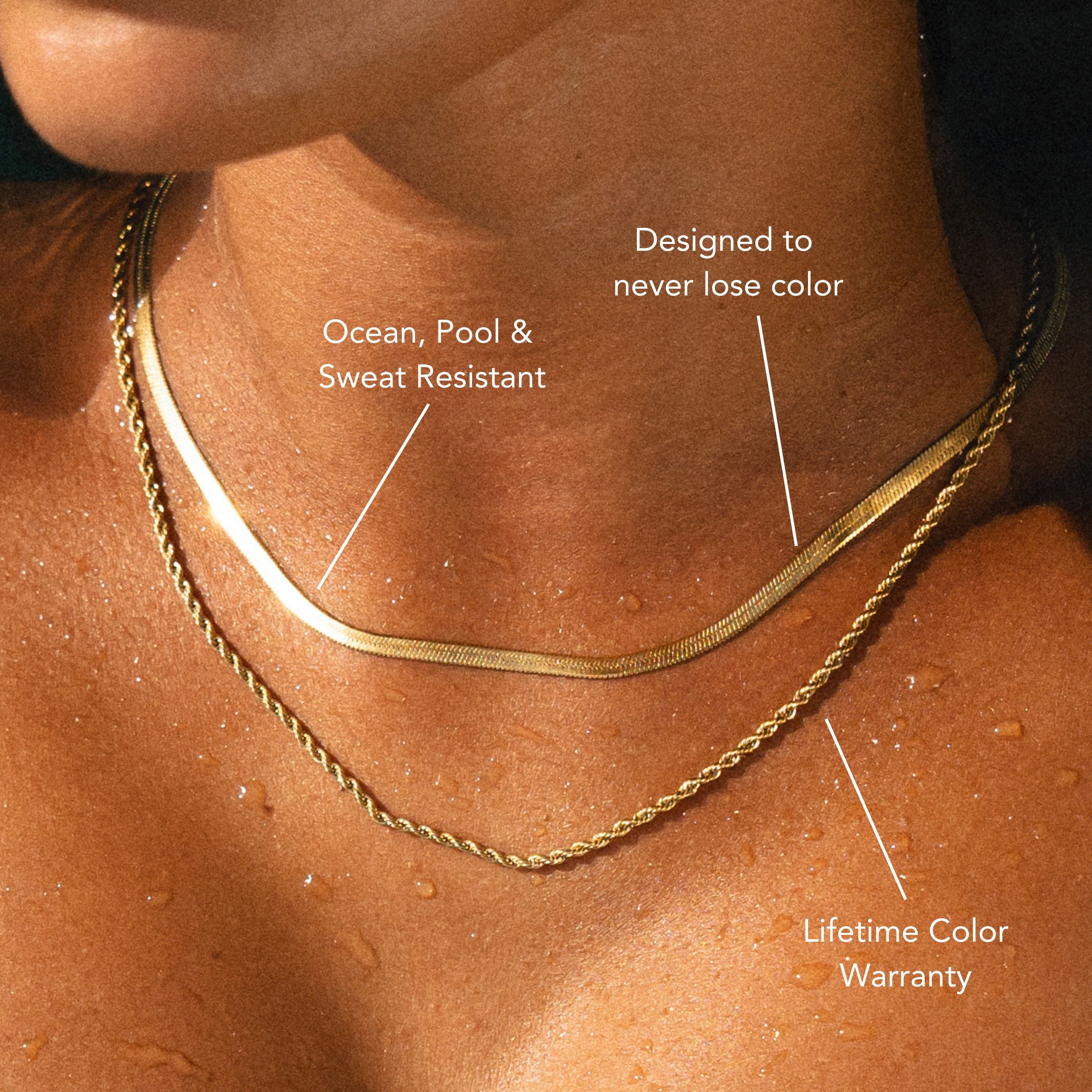
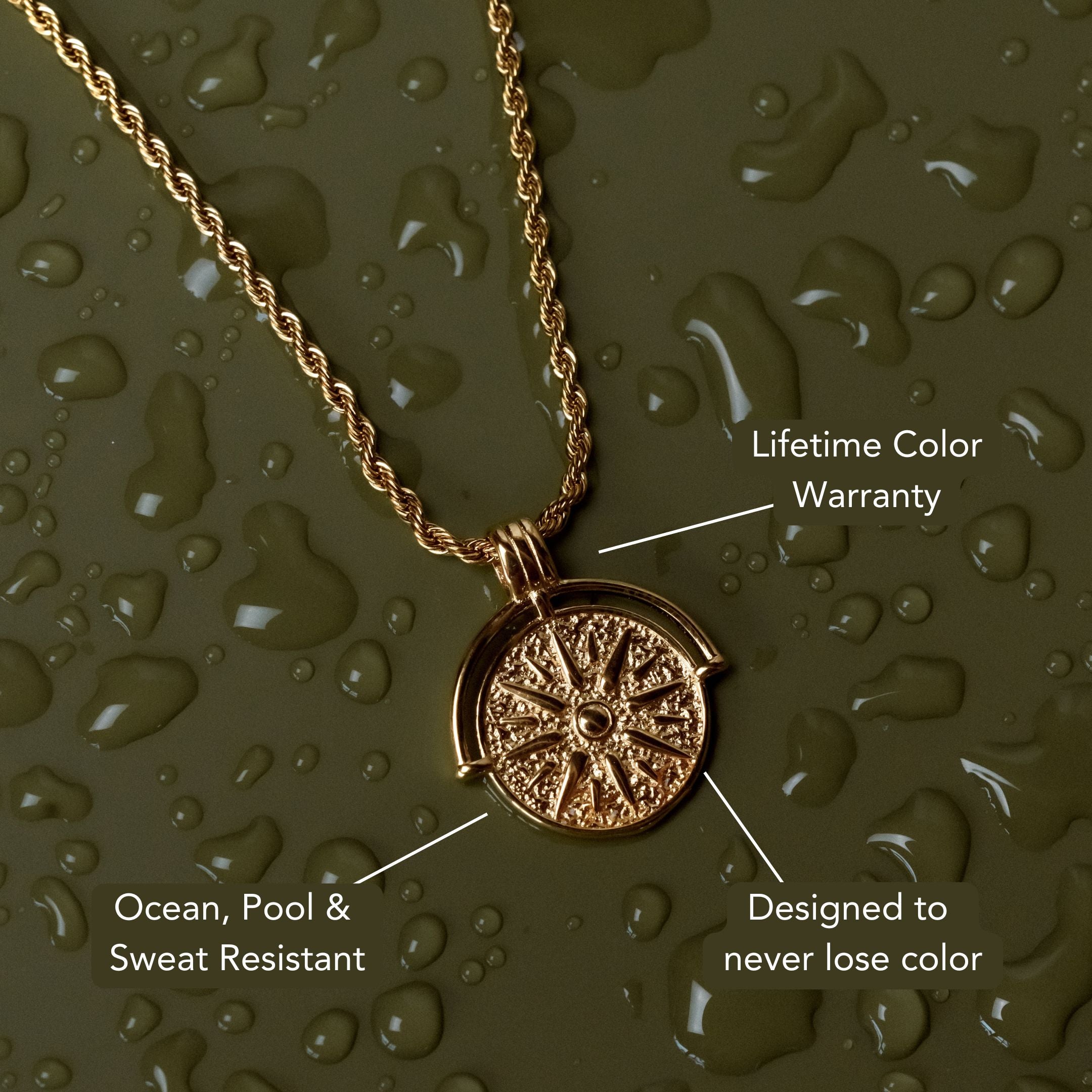
For earrings worn through peak summer conditions, the combination of salt water, chlorine, sunscreen, and sweat makes more frequent cleaning relevant for both piercing health and earring appearance. PVD-coated stainless steel earrings tolerate that cleaning frequency without finish damage, and their non-reactive surface does not contribute bacterial-harboring corrosion products that affect reactive post materials. ATOLEA's summer earring range is built on that construction throughout the post and face, with a lifetime color warranty that holds through the cleaning routine active seasonal wear requires.

Frequently Asked Questions
What is the safest way to disinfect earrings?
The safest effective method is a two-step process: physical cleaning with mild dish soap and a soft toothbrush to remove biological buildup, followed by disinfection with 70% isopropyl alcohol applied with a cotton pad and allowed 30 seconds of contact time before drying. This combination works on most earring materials and is more effective than either step alone because alcohol disinfects clean surfaces more thoroughly than surfaces covered in sebum or product residue.
Can you use hydrogen peroxide to disinfect earrings?
Hydrogen peroxide is not recommended for regular earring disinfection. It reacts with sterling silver and accelerates tarnishing, can soften plating bonds with repeated use, and is not more effective than 70% isopropyl alcohol on hard metal surfaces. For the skin around a healing piercing, professional piercers advise against it because it damages newly forming tissue. Saline solution is the recommended care product for healing piercing skin.
How do you disinfect earrings before wearing them for the first time?
For new earrings in materials that tolerate it (stainless steel, titanium, solid gold): soak in 70% isopropyl alcohol for two to three minutes, remove and dry completely. For plated or stone-set earrings: wipe post and contact surfaces with a cloth dampened with 70% alcohol, allow 30 seconds of contact, and dry thoroughly before inserting. For earrings with soft stones (pearl, opal, turquoise): wipe metal areas only with a barely damp cloth as soaking damages these materials.
How do you disinfect earrings between wearers?
Full two-step disinfection: soap and toothbrush cleaning followed by 70% isopropyl alcohol disinfection with 30 seconds of contact time. Allow the earrings to dry completely before use. For any earring entering a new piercing, this process is essential. If the earrings cannot be adequately disinfected due to their construction or material (very delicate plating, fragile stones), they should not be shared between wearers with different piercings.
Does boiling water disinfect earrings?
Boiling water sterilizes uncoated stainless steel and titanium earrings effectively. It is not appropriate for plated earrings, stone-set pieces, PVD-coated earrings, or sterling silver, as the heat and steam damage finishes, loosen stone settings, and cause thermal stress on soldered joints. For materials that tolerate it, submerging in boiling water for five minutes is an effective sterilization method, but 70% isopropyl alcohol achieves adequate disinfection without the heat damage risk for most everyday disinfection needs.
Conclusion
How to disinfect earrings correctly depends on matching the method to the material: 70% isopropyl alcohol for steel, titanium, and solid gold, mild soap and water for plated and sterling silver pieces, and extra care around porous stones. The two-step process of physical cleaning before disinfection is more effective than either step alone. Frequency increases with activity level and exposure to pool, ocean, and summer conditions. Clean earrings in non-reactive materials that tolerate regular disinfection without damage make the routine straightforward rather than a delicate material management exercise.









Leave a comment
This site is protected by hCaptcha and the hCaptcha Privacy Policy and Terms of Service apply.