


Which Is Better Sterling Silver or Stainless Steel?
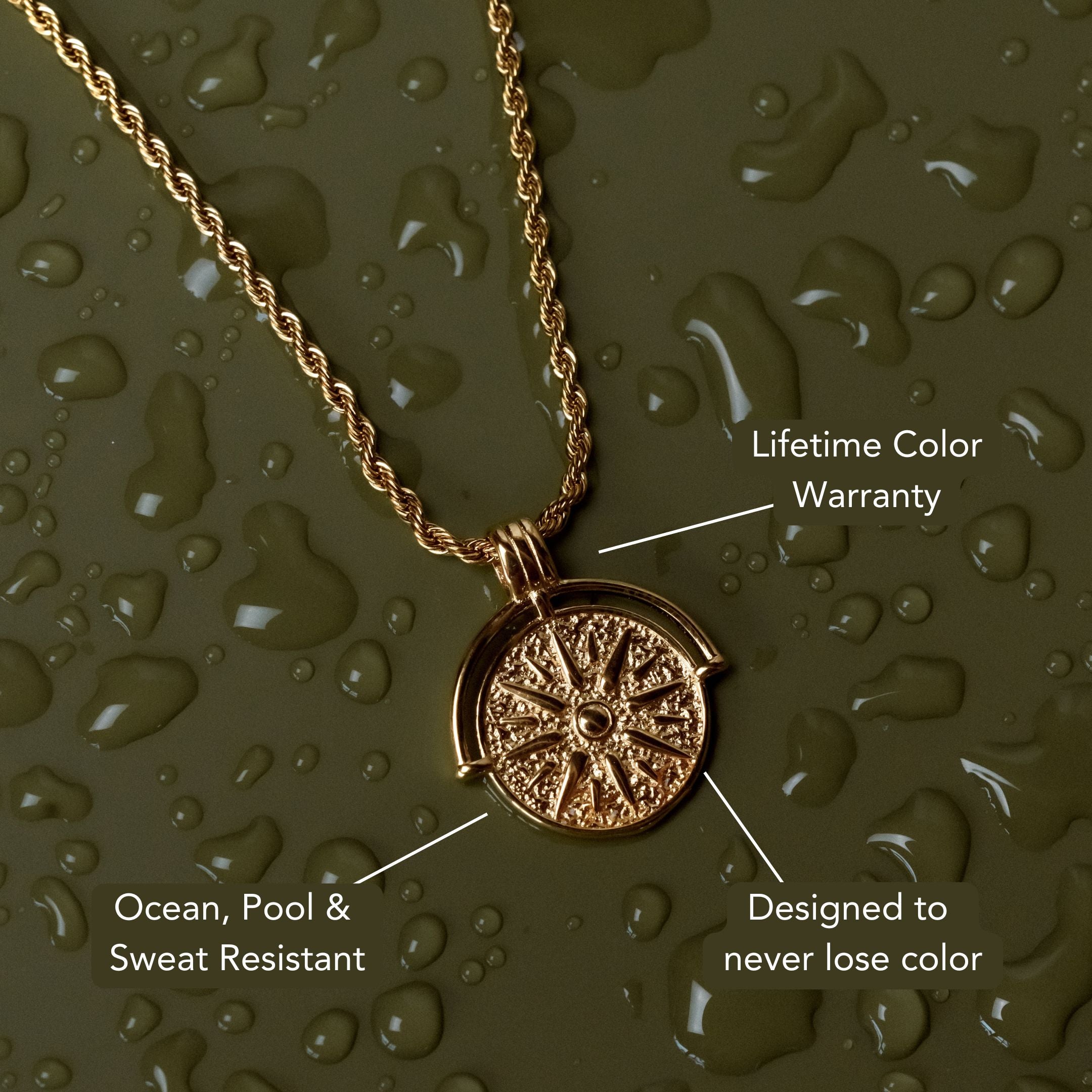
Which is better sterling silver or stainless steel? Choose sterling silver for its warm, classic glow, easy refinishing, and premium feel—ideal for rings and pendants. Opt for stainless steel for a cool, modern look, superior scratch resistance, and truly low-maintenance wear. Silver is heavier, softer, and can tarnish, while steel is lighter, tougher, and stays bright longer. For sensitive skin, look for nickel-free silver or medical-grade 316L steel. For durable styles designed to handle everyday exposure, explore our Waterproof Jewelry collection. Your lifestyle and skin needs make the final call—more insights ahead.
Appearance and Style Differences
At a glance, sterling silver and stainless steel project distinctly different aesthetics that influence how you wear them. You’ll notice sterling silver’s warmer luster and subtle glow, which flatters classic, heirloom-inspired design aesthetics and softer color palettes.
Stainless steel presents a cooler, mirror-like sheen that reads modern, minimal, and industrial, aligning with streamlined silhouettes and monochrome looks.
Consider color variations: sterling silver leans slightly creamy and pairs elegantly with gemstones and engraved details, while steel stays neutral-gray, amplifying sharp lines and geometric motifs.
If you favor patina that deepens character, silver’s surface showcases age and artistry; if you want a consistent, crisp finish, steel maintains a sleek profile.
For mixing metals, silver complements yellow and rose tones; steel integrates cleanly with white metals.

Composition and Metal Properties
Though both are “silvery,” their chemistries diverge.
Sterling silver is 92.5% silver balanced by copper or other trace metals, a simple system with predictable alloy variations.
Stainless steel is an iron-based alloy, typically 304 or 316 grades, stabilized by chromium (≈18%) and often nickel and molybdenum.
You’re comparing a precious-metal matrix to a stainless, passivating steel.
Silver’s crystal structure and high electron mobility yield superior metal conductivity—excellent for EMI-sensitive wearables, sensor housings, or conductive accents.
Stainless steel conducts heat and electricity far less, which you may prefer when insulation from body heat or current is desirable.
Silver’s density (≈10.5 g/cm³) makes pieces feel weighty; steel ranges ≈7.9–8.0 g/cm³.
Magnetic response varies: most sterling is nonmagnetic, while some stainless grades show slight magnetic attraction.
Durability, Scratch Resistance, and Tarnish
While sterling silver wins on conductivity, stainless steel dominates everyday durability.
You’ll notice fewer dings, less flex, and better resistance to daily knocks from keys, desks, and gym gear. Stainless steel’s higher hardness resists deformation and maintains crisp edges, so polishing is infrequent.
Sterling silver, though strong for a precious alloy, is softer; it picks up hairline abrasions and bends more easily, especially in thin chains and rings.
On scratch resistance, stainless steel clearly leads. Light scuffs often buff out with a microfiber cloth; deeper marks require professional scratch repair.
Silver scratches faster but is easier to refinish; jewelers can restore luster quickly.
Tarnish tells a different story. Silver reacts with sulfur, demanding regular cleaning and proactive tarnish prevention.
Stainless steel stays bright longer with minimal maintenance.

Skin Sensitivity and Hypoallergenic Factors
Because skin chemistry varies, you should weigh allergen sources in each metal.
Sterling silver is 92.5% silver alloyed mainly with copper; the risk arises when trace nickel is present or when tarnish forms silver salts that amplify allergens exposure. If you’re nickel-sensitive, verify “nickel-free” claims and consider rhodium-plated sterling to reduce skin reactions.
Stainless steel varies: 304 may contain more nickel release, while 316L/implant-grade (sometimes labeled 316LVM) is engineered to minimize ion migration.
Choose 316L or titanium posts if you pierce easily or experience dermatitis. For sterling, look for hypoallergenic stamps, frequent cleaning, and dry storage to limit tarnish-induced irritation.
Test pieces on small areas first. If your sensitivity is severe, prioritize verified nickel-free alloys or surgical-grade stainless over generic mixes.
Weight, Comfort, and Everyday Wear
After considering sensitivities, you’ll also want to know how each metal feels hour after hour.
In a weight comparison, sterling silver is denser than most stainless steel jewelry alloys, so silver pieces of equal size usually feel heavier. That extra heft can signal quality, but it may fatigue your wrist or neck during long wear.
Stainless steel tends to be lighter for bulkier designs, offering better balance for statement bracelets, watches, and chunky chains.
Comfort levels hinge on design and profile.
Silver’s softness allows finely contoured edges that sit flush against skin, enhancing day-long comfort, though it can deform under pressure.
Stainless steel’s rigidity keeps shapes stable and clasps secure, reducing shifting and hot spots.
If you’re active, steel’s lightness and structural integrity often feel easier all day.
Maintenance and Cleaning Requirements
Even with careful wear, sterling silver and stainless steel demand different upkeep, and you’ll save time by matching your routine to each metal.
Silver tarnishes as it reacts with sulfur and moisture, so you’ll clean it more often. Use mild soap, warm water, and a soft cloth; for stubborn tarnish, apply a dedicated silver polish or a gentle baking soda paste. Dry thoroughly and store in anti-tarnish pouches.
Stainless steel resists corrosion and needs simpler cleaning techniques: wash with dish soap and water, wipe with microfiber, and finish with a glass-cleaner spritz for shine.
Practical maintenance tips: avoid bleach, chlorine, and abrasive pads on both; remove jewelry before swimming or applying lotions; rinse after sweat or salt exposure; and schedule quick monthly wipe-downs to prevent buildup.

Repair, Resizing, and Longevity
Caring for each metal affects how it holds up, but repairs and sizing reveal bigger differences between sterling silver and stainless steel.
You can solder sterling silver cleanly, replace prongs, and straighten bands with predictable results. Jewelers have established repair techniques, and heat control is manageable, so restoring detail or tightening settings is routine. Resizing options are flexible: you can size up or down, often more than one full size, while preserving stone integrity.
Stainless steel resists dents and scratches, but that hardness complicates fixes. Many shops can’t solder it; they’ll use laser welders, which raises cost and limits scope.
Resizing is restricted—often a half size at most—and rings with inlays or continuous patterns may be non-resizable. Over time, silver may scratch sooner, yet remains serviceable; steel stays cosmetic longer but is less adjustable.
Cost, Value, and Resale Considerations
While both metals look budget-friendly at first glance, their economics diverge once you factor in composition, labor, and long-term flexibility.
Sterling silver carries intrinsic metal value tied to the spot price of silver, so a portion of what you pay is recoverable. You’ll also pay more for craftsmanship, hallmarking, and occasional refinishing, but those costs can support resale credibility.
Stainless steel is cheaper upfront because its alloy content is low-cost and mass-produced, yet it typically has negligible scrap value.
If you prioritize investment potential, sterling silver wins. Its resale depends on weight, purity, and current market demand for silver pieces and recognized makers.
Stainless steel offers cost stability and durability, but secondary markets rarely pay premiums. For long-term value retention, silver provides clearer exit options.
Best Uses by Jewelry Type and Lifestyle
Although both metals can handle daily wear, they excel in different roles based on design, skin chemistry, and activity level.
For wedding bands, choose stainless steel if you’re hard on your hands, prefer low maintenance, or have acidic skin; it resists scratches, sweat, and chlorine.
Pick sterling silver when you want heirloom-quality engraving, resizing flexibility, and traditional luster, but plan on routine polishing.
For earrings and fashion jewelry, stainless steel suits gym sessions, travel, and water exposure; it’s durable and hypoallergenic in 316L or 304 grades.
Sterling silver shines in statement pieces, gemstone settings, and intricate chains, offering a warmer tone and repairability.
For bracelets and watches, stainless steel handles knocks and salt better.
For pendants and rings with fine detail, sterling silver offers superior craftsmanship.

Frequently Asked Questions
Are There Eco-Friendly or Recycled Options for Each Metal?
Yes. You can choose recycled jewelry in both metals. For sterling, look for reclaimed silver and sustainable sourcing certifications. For stainless, seek recycled-content alloys from responsible mills. Compare supplier transparency, post-consumer percentages, and traceability to verify genuine eco-friendly practices.
How Do These Metals Affect Metal Detectors or Security Screening?
Both trigger metal detection during security screening, but stainless steel’s higher magnetic response and density usually set detectors off more readily. You’ll see fewer false positives with sterling silver. Remove jewelry, separate items, and declare implants to minimize rescans.
Can Sterling Silver or Stainless Steel Be Engraved With Fingerprints?
Yes. You can engrave fingerprints on both. You’ll get finer detail on sterling silver; stainless steel offers superior fingerprint durability. Choose laser or deep mechanical engraving techniques; seal silver to reduce tarnish, and opt for brushed steel finishes to enhance contrast.
Do Either Metals Interact With Essential Oils or Perfumes?
Yes. Sterling silver tarnishes faster with essential oil interaction and acidic perfumes, requiring frequent cleaning. Stainless steel resists corrosion and odors, preserving finish. Neither improves perfume longevity; instead, oils and sprays can dull shine—apply to skin, let dry, then wear.
Are There Cultural or Symbolic Meanings Tied to Each Metal?
Yes. You’ll find sterling silver carries deep cultural significance—purity, moonlight, protection, and rites of passage—while stainless steel symbolizes resilience, modernity, and egalitarianism. Compare traditions: heirloom spirituality versus contemporary durability. Both metals hold distinct symbolic meanings across ceremonies, fashion, and identity.
Conclusion
Ultimately, you’ll pick based on priorities. Choose sterling silver if you value classic luster, easy resizing/repair, heirloom potential, and fine craftsmanship—accepting occasional polishing and higher cost. Choose stainless steel if you want rugged durability, superior scratch and tarnish resistance, low maintenance, and budget-friendly reliability—especially for active lifestyles. If you have metal sensitivities, look for hypoallergenic alloys in both. For delicate rings and artisanal pieces, go silver; for everyday chains, bracelets, and watches, go stainless.











コメントを書く
このサイトはhCaptchaによって保護されており、hCaptchaプライバシーポリシーおよび利用規約が適用されます。