

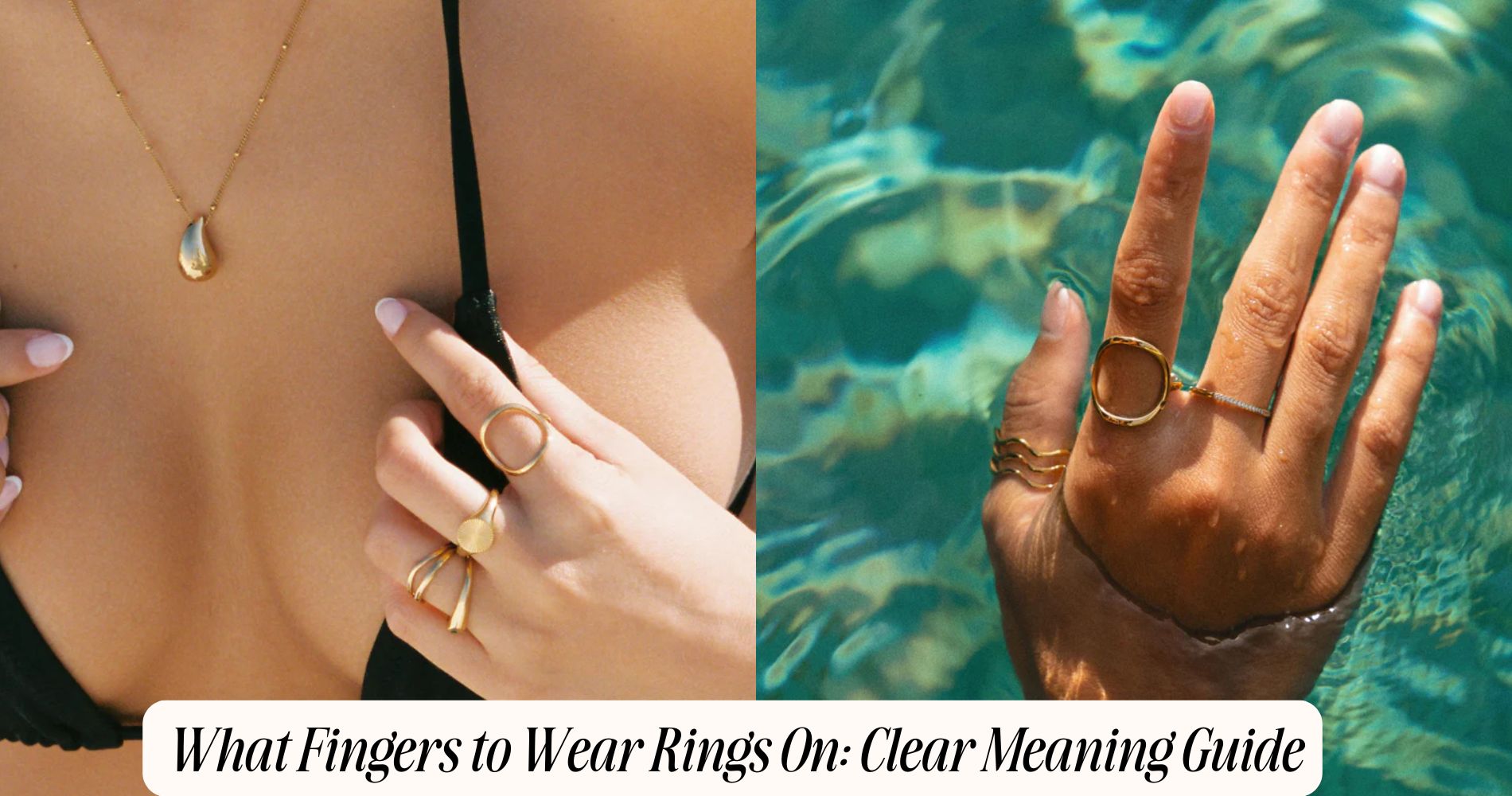
What Fingers to Wear Rings On: Clear Meaning Guide
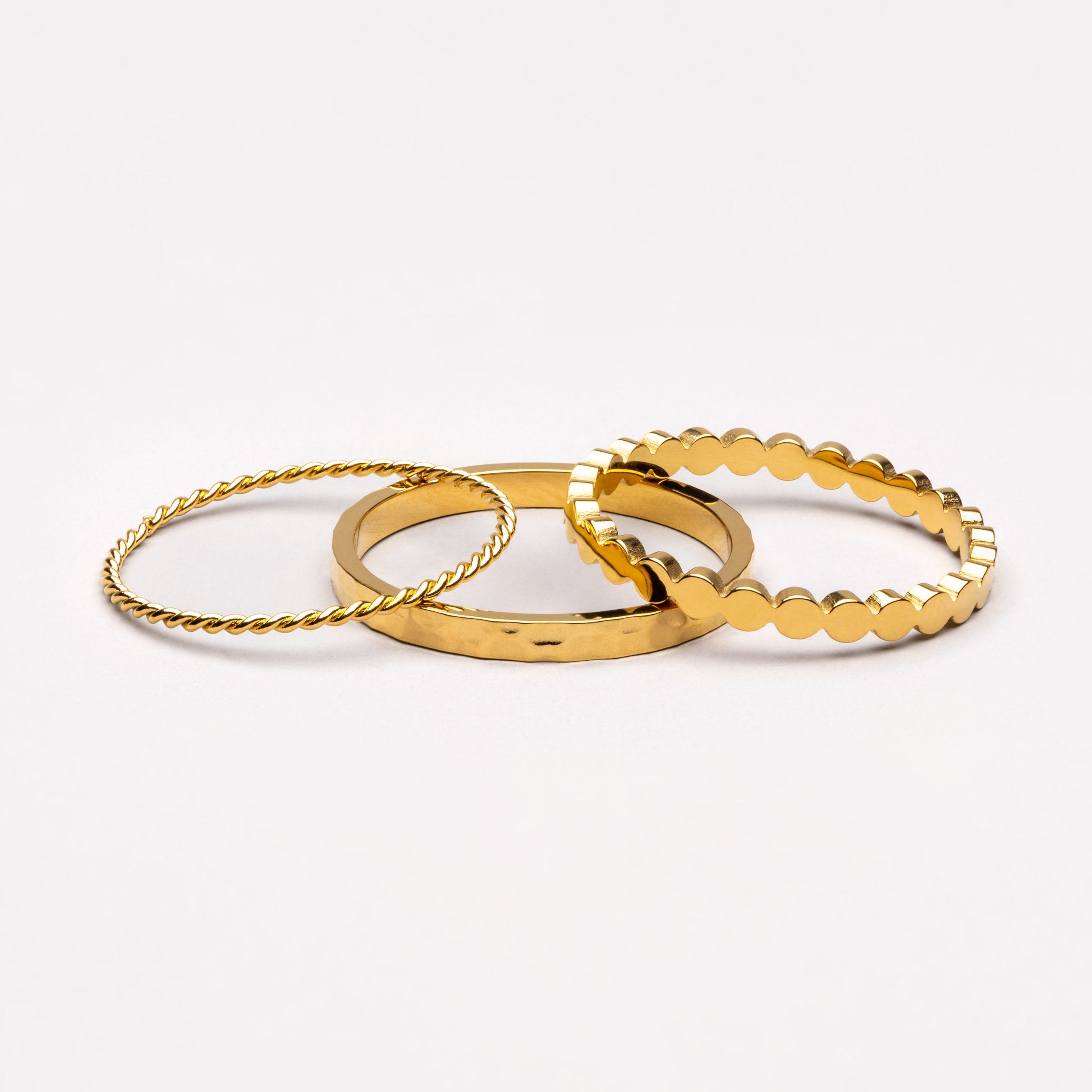
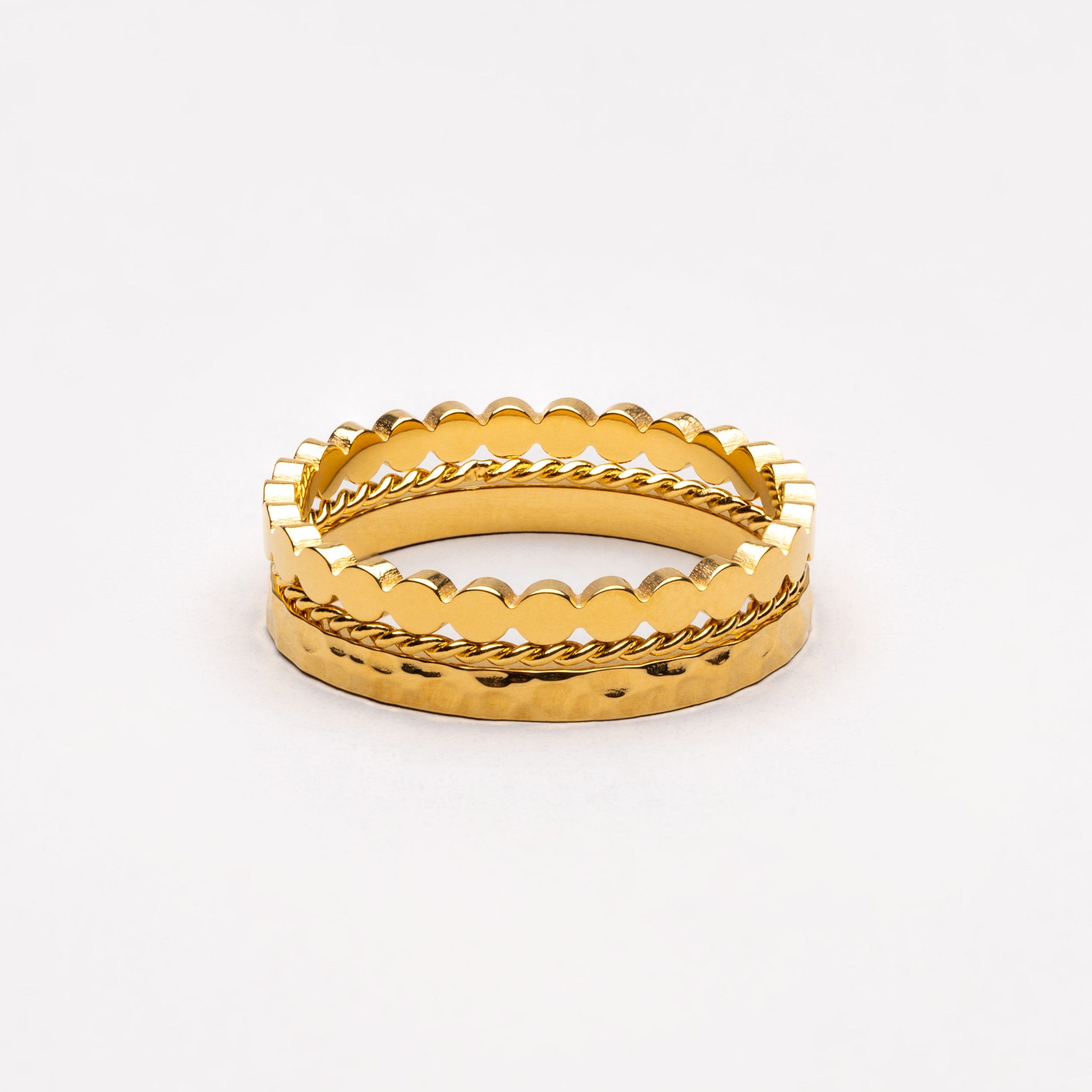
What fingers to wear rings on? Each finger carries its own message when worn with intention. The thumb signals autonomy and bold design, the index reflects leadership and classic signet heritage, and the middle finger centers your look with balanced, modern silhouettes. The ring finger symbolizes love, commitment, and tradition, while the pinky expresses identity through timeless signets. Keep proportions aligned with your hand size, stack thoughtfully, and mix metals for contrast. Clean, versatile pieces like Minimalist Gold Rings make it easy to express meaning without overpowering your style. Prioritize comfort and negative space—and don’t be afraid to break the rules when it feels cohesive.
Thumb Finger Meanings and Style Signals
Although it’s often overlooked, a ring on your thumb broadcasts confidence, autonomy, and a taste for bold design. You use this space to signal independence and forward momentum, and thumb ring symbolism often ties to willpower, self-direction, and personal boundaries.
It also balances stacked bands elsewhere, acting as a visual anchor.
Prioritize proportion. Wider hands handle chunky signets and cigar bands; slimmer hands favor tapered or negative-space designs. Mix metals deliberately—polished steel with oxidized silver, or warm gold against tanned skin—to sharpen contrast.
Evaluate thumb ring styles for mobility: a low-dome profile won’t pinch during daily tasks, while adjustable cuffs accommodate seasonal swelling. Wear it solo for a minimalist statement, or pair with a slim midi ring on the same hand to frame the gesture without crowding.

Index Finger Traditions and Power Statements
From the autonomy of the thumb, your eye naturally moves to the index finger—the hand’s command post. Historically, this digit signaled rank: signet rings sat here to broadcast lineage, guild, and authority. That index finger tradition still resonates; you’re telling the room you lead, make decisions, and expect to be heard.
Lean into index finger power with bolder silhouettes—engraved signets, enamel crests, or gemstone cabochons. On the right hand, you communicate ambition and social confidence; on the left, you underscore heritage and personal vows.
Keep proportions calibrated: medium-to-large faces, low-to-mid profiles, and balanced metals that complement your skin tone. For contemporary polish, stack a slim band beneath a single statement piece. You’ll direct attention without clutter, and every gesture becomes deliberate.
Middle Finger Balance, Boldness, and Modern Takes
Equilibrium meets emphasis on the middle finger, the hand’s visual axis that anchors your ring story. You use this center line to signal balance and intent: middle finger symbolism points to self-definition, boundaries, and decisive presence.
Because it sits at the midpoint, proportions matter—choose rings that align with knuckle width and keep shanks comfortable for movement.
Lean into modern aesthetics with clean signets, low-dome bands, or sculptural silhouettes. A single bold piece reads confident; a stacked duo (thin band plus architectural ring) creates vertical harmony.
Metals set the tone—polished steel for minimalism, oxidized silver for edge, mixed metals for nuance. Keep gemstones low-profile to avoid snagging.
When styling, offset with slimmer bands on adjacent fingers. You’ll project balance without diluting impact.

Ring Finger Symbolism Across Cultures
While traditions vary widely, the ring finger consistently carries high symbolic weight, especially around love, union, and lineage. You see this in Roman lore of the vena amoris, in European ring traditions placing engagement on the left and wedding bands on the right or left depending on country, and in Orthodox customs favoring the right hand for marital vows.
In India, you’ll toggle between right and left based on regional practice and astrology, with gold and gemstones chosen for cultural significance and planetary alignment.
In China, modern couples match metals to status and season, while ancestral rites still inform placement.
In the Middle East, right-hand wedding bands signal commitment and piety.
Today’s trend-aware stacks mix ceremonial rings with minimalist bands, honoring meaning while expressing personal style.
Pinky Finger Messages and Signet Heritage
A pinky ring telegraphs identity, status, and allegiance, drawing on a deep signet tradition that once sealed contracts and lineage. When you choose the smallest digit, you invoke pinky finger significance: it’s the hand’s outlier, free from practical tasks, so it’s long been a billboard for rank, profession, or values.
In signet ring history, engraved crests, initials, or glyphs authenticated letters in wax; today, they authenticate taste. Opt for low-profile ovals or cushions with crisp intaglio for classic credibility, or a blank tablet for minimalist authority. Metal matters—yellow gold nods to heritage, platinum modernizes.
Keep proportions balanced: narrow bands on slim fingers, bolder tables on broader knuckles. Pairing is deliberate—let the pinky anchor your stack while other rings stay understated.
Left Hand vs. Right Hand: What Each Side Communicates
By contrast, right hand significance skews toward agency, achievement, and public-facing style.
You showcase promotions, creative shifts, or personal victories on the right, using bold silhouettes or unconventional stacks to telegraph autonomy.
In some cultures, wedding bands live on the right, reinforcing that power-and-presence message.
When deciding placement, ask: are you signaling roots or reach?
If it’s devotion and heritage, go left. If it’s momentum and self-definition, go right.

Metal Choices: Gold, Silver, and Mixed Metals Decoded
Now that you know what each hand says, your metal choice sharpens the message. Gold reads warm, status-forward, and traditional; silver signals cool, modern, and understated.
In the gold vs. silver debate, match undertone and intent: gold flatters warm skin and amplifies authority on the index or ring finger; silver complements cool skin and leans minimalist on the middle or pinky.
Balance finish to refine tone. High polish looks formal; brushed or matte feels contemporary; hammered adds artisanal edge.
Choose karat wisely: 14k is durable and versatile; 18k offers richer color; sterling silver needs periodic polishing.
Mixed metals let you bridge meanings across hands. Anchor with one dominant hue, then echo accents elsewhere—stackers, spacers, or a bi-color band—to look deliberate, not random.
Gemstones and Motifs: What Your Designs Convey
Symbolism matters as much as sparkle. When you choose a ring for a specific finger, you broadcast intention through gemstone meanings and motif significance. Diamonds signal commitment and clarity; sapphires speak to wisdom and loyalty; emeralds convey renewal and confidence; rubies project passion and power. Amethyst hints at balance, while moonstone implies intuition and new cycles.
Motifs refine the message. A signet or crest reads heritage and authority, perfect for the index finger’s leadership vibe. Serpents suggest transformation and protection; stars and moons indicate aspirational focus; knots communicate endurance; laurel and olive branches imply victory and peace.
Hearts keep things romantic, while eyes function as talismans. Choose cuts and settings that underscore the narrative—sharp geometric lines feel modern; organic textures feel artisanal and grounded.

Stacking Strategies and Proportion for Your Hand Shape
Those meanings come alive when you arrange rings with intention, because stacking changes scale, balance, and how the eye reads your hand.
Start by mapping your hand proportions: long fingers handle taller stacks and elongated silhouettes; shorter fingers benefit from low-profile bands, negative space, and tapered shapes.
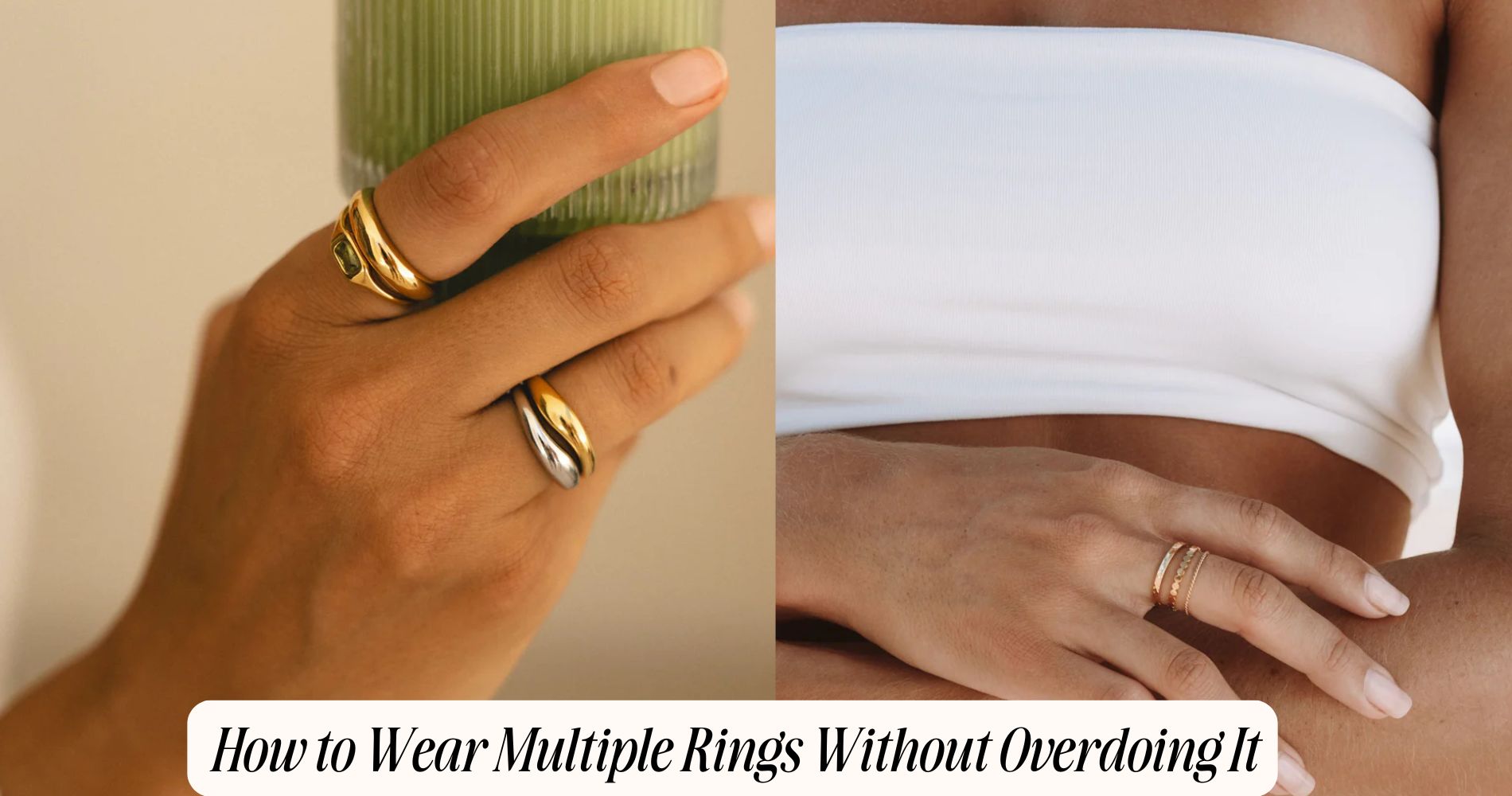
Distribute visual weight—anchor with one substantial ring, then step down with slimmer bands. Mix textures for depth, but keep heights aligned to avoid bulk.
For narrow hands, center delicate stacks; for wider hands, spread rings across multiple fingers to balance width. Use midi rings to elongate lines without adding mass.
In stacking styles, alternate plain and pavé bands, vary metal finishes subtly, and insert a skinny spacer to prevent gemstone crowding.
Cap stacks just below the knuckle for clean proportions.
When to Break the Rules and Wear What Feels Right
Although proportions and stacking rules refine your look, personal style wins when intention is clear. You can ignore symmetry when the story matters—wear a heritage signet on your index, a pinky cocktail ring at brunch, or mix metals for deliberate contrast.
Prioritize fit, balance, and context: guarantee rings don’t pinch, keep one visual anchor per hand, and reserve maximal stacks for nights out.
Lean into personal expression when a piece marks identity, achievement, or mood. If you’re breaking norms, ground the choice with one cohesive element—finish, color, motif, or era—so the set feels curated, not chaotic.
Use negative space to let a bold ring breathe. Rotate silhouettes seasonally: chunkier in winter, sleek in summer. Ultimately, if your gesture reads confident, the styling succeeds.
Frequently Asked Questions
How Do Ring Sizes Vary Internationally and How to Convert Them?
Ring sizes vary by country—US numbers, UK letters, EU millimeters, Asian scales. You’ll measure inner circumference or diameter, then use international sizing conversion charts. Always verify brand-specific guidance and half-size availability; measure twice, ideally at day’s end.
What Ring Materials Are Hypoallergenic for Sensitive Skin?
Choose hypoallergenic metals like platinum, titanium, niobium, and surgical-grade stainless steel for sensitive skin. Opt for 14k+ palladium white gold over nickel alloys. Consider platinum vermeil, ceramic, or silicone bands. Avoid nickel, brass, and unknown mixed alloys.
How Do You Discreetly Determine Someone’s Ring Size for a Gift?
Borrow a ring they wear, trace it, or measure diameter with string—classic discreet measurement techniques. Compare to a jeweler’s sizer. For gift planning strategies, ask friends, stage a playful try-on, check sizing apps, or buy adjustable/resizable designs.
How Should Rings Be Cleaned and Maintained by Metal and Gemstone?
Clean gold, platinum, and palladium with mild soap; finish with metal polishing cloths. Avoid bleach. For gemstone care: use soft brushes; skip ultrasonic for opal, emerald, pearl; it’s fine for diamond, sapphire. Store separately; schedule annual professional inspections.
What Workplace or Safety Rules Affect Ring-Wearing in Certain Jobs?
You follow safety regulations that restrict rings in job roles with machinery, electricity, healthcare, or food prep. You remove metal bands to prevent degloving, conductivity, contamination, and cross-infection; you wear silicone or breakaway options, or tape/cover bands when policies allow.
Conclusion
You’ve got the map—now make it yours. Choose fingers that match your message: authority on the index, balance on the middle, commitment on the ring, legacy on the pinky, individuality on the thumb. Sync metals to your undertone, let gemstones and motifs tell your story, and stack with proportion in mind. Keep scale, spacing, and symmetry sharp. Then bend the rules. If it feels intentional, it reads polished. Your hands are prime real estate—style them with purpose.









コメントを書く
このサイトはhCaptchaによって保護されており、hCaptchaプライバシーポリシーおよび利用規約が適用されます。