

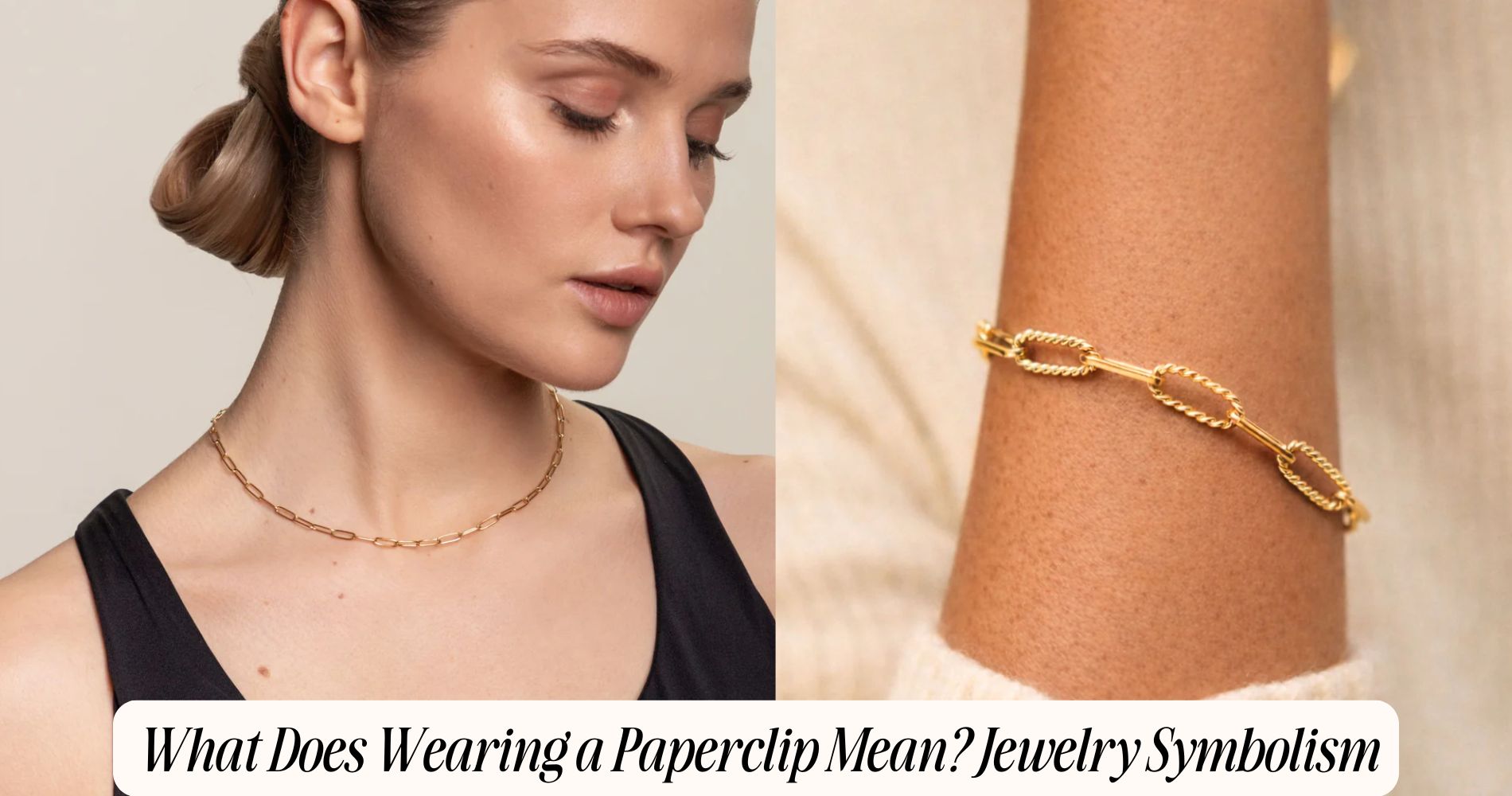
What Does Wearing a Paperclip Mean? Jewelry Symbolism
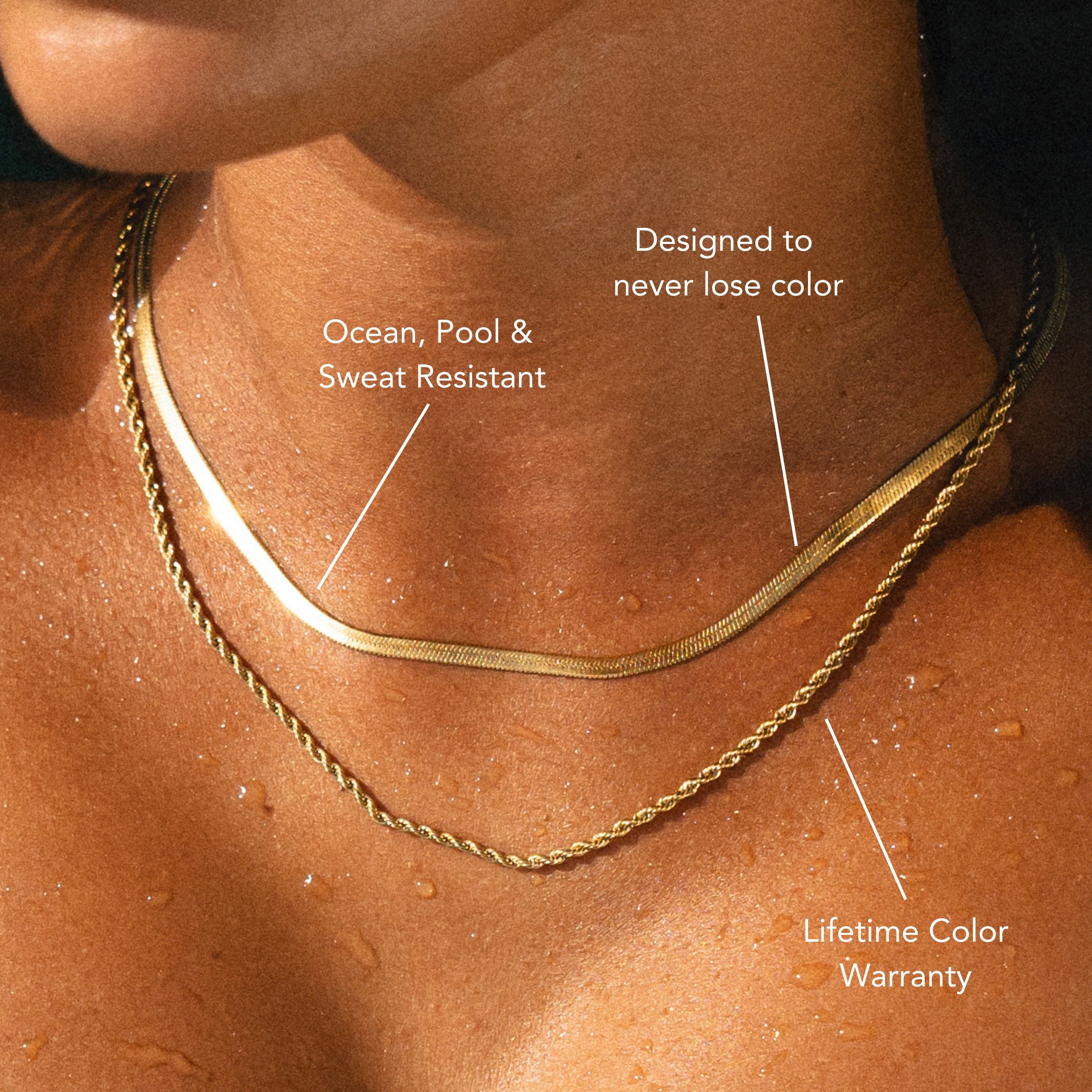
What does wearing a paperclip mean? Wearing a paperclip signals practical minimalism with roots in design history and civic courage. It nods to the 1890s Gem-style clip that standardized everyday document life, and to Norway’s WWII resistance, when paperclips were worn as quiet symbols of unity. Today, it reads as a subtle badge of solidarity—equal parts modern, intentional, and understated—showing up everywhere from luxury runways to indie designers and office-culture humor online. Choosing durable styles like Waterproof Necklaces helps you wear the symbol daily with confidence, while ethical metals and transparent makers keep your values aligned with your look.
A Brief History of the Paperclip as a Symbol
Few everyday objects have carried as many meanings as the humble paperclip. When you trace paperclip origins, you find patents from the late 19th century in Britain and the United States, but the Gem-type design—today’s standard—was likely produced by The Gem Manufacturing Company in the 1890s.
You’ll see Norway frequently cited because Johan Vaaler patented a different design in 1901; historians note that while Vaaler’s clip wasn’t the Gem, it helped anchor the object in Scandinavian memory.
To understand its historical significance, you start with function: a cheap, reversible fastener that democratized document handling.
Then you watch it enter public discourse through advertising, office manuals, and early stationery catalogs, where the paperclip’s reliability, portability, and anonymity prepared it for later symbolic use.

From Resistance to Solidarity: Cultural Meanings
Although born as a mundane office tool, the paperclip gained charged cultural meanings in the 20th century—most famously as a quiet emblem of resistance in Nazi-occupied Norway, where citizens wore clips on lapels to signal unity and defiance after overt symbols (like royal insignia) were banned in 1940–41, a usage noted in wartime accounts and later museum archives.
You inherit that legacy when you wear one: it’s shorthand for cohesion under pressure. You reference resistance symbols that don’t provoke confrontation yet transmit intent.
Postwar, educators and human-rights groups adopted the paperclip to teach remembrance and civic courage, linking everyday objects to ethical choices.
You also signal membership in solidarity movements that emphasize mutual aid, clipped ties, and collective responsibility, compressing complex histories into a single, portable sign.
Modern Interpretations in Fashion and Social Media
Even as its wartime subtext lingers, the paperclip now circulates through fashion and social media as a minimalist motif that signals smart utility, subculture savvy, and quiet dissent.
You encounter it in paperclip fashion from luxury houses and independent designers alike, echoing mid‑century industrial design and 1990s DIY.
On TikTok and Instagram, social media trends frame the paperclip as a memeable emblem: a nod to office culture, hacker aesthetics, or administrative labor, often tagged with productivity humor and soft‑rebellion captions.
You also see it used in digital activism, where its streamlined shape functions as an unobtrusive solidarity marker.
Fashion media and museum collections document its modern revival, while influencers cite references ranging from Bauhaus functionalism to punk hardware, underscoring its adaptable, coded messaging.

How to Style Paperclip Jewelry for Different Looks
Because paperclip motifs read as both utilitarian and refined, you can style them across dress codes by calibrating scale, metal finish, and layering.
For casual elegance, reach for slim sterling or gold‑vermeil links with a T‑shirt and tailored denim; the clean geometry echoes mid‑century modern chains.
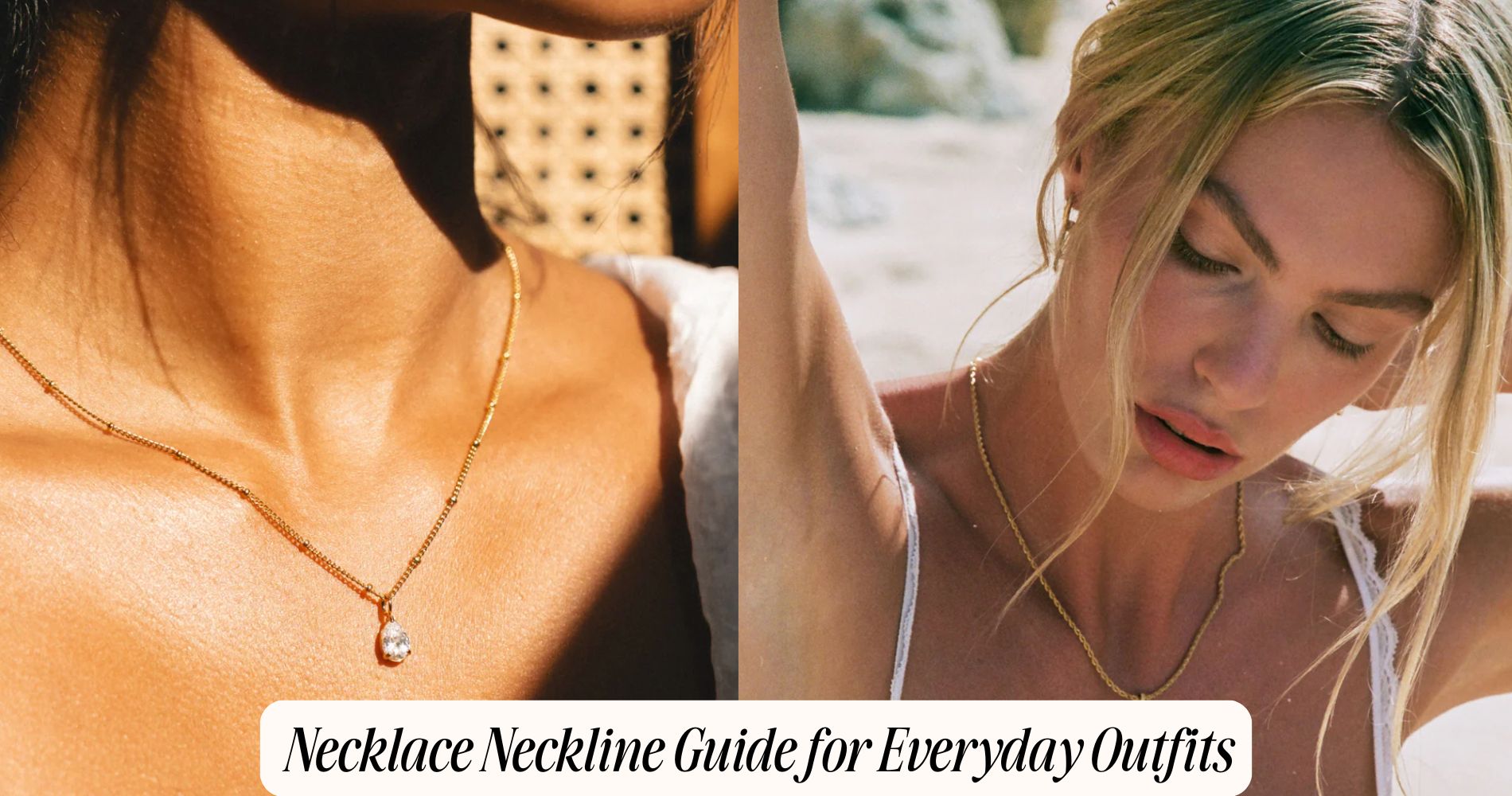
At the office, choose mid‑gauge yellow or white gold necklaces at collarbone length to frame a crewneck or button‑down; add small huggies to balance proportion.
For evening, upgrade to high‑polish or pavé‑accented links and a single statement bracelet.
Create layered looks by mixing lengths—choker, 16–18 inch, then opera—anchoring with a pendant on the lowest tier.
Keep metals consistent for cohesion, or mix two tones intentionally.
Finally, match clasp scale to neckline so lines read deliberate.
Ethics, Activism, and Buying With Intention
When you buy jewelry with intention, you align aesthetics with impact: sourcing, labor, and lifecycle matter as much as design. You treat your paperclip motif as more than a trend—it’s a signal.
Start with traceable metals: look for recycled gold, Fairmined or Fairtrade gold, and conflict-free diamonds vetted by third-party standards. Verify humane labor through certifications or transparent supplier lists, and check living-wage commitments and grievance mechanisms.
Use intentional purchasing to support ethical fashion and activism: favor brands funding civil liberties, education, or environmental restoration, and confirm donations via audited reports.
Evaluate packaging, repair policies, and take-back programs to extend product life. Ask for provenance documents and assay marks. If budgets are tight, choose pre-owned or lab-grown stones. You vote with receipts.

Frequently Asked Questions
What Materials Are Safest for Sensitive Skin in Paperclip Jewelry?
Choose nickel free, hypoallergenic materials like titanium, surgical stainless steel (316L), niobium, and 14k–18k gold. You’ll also do well with platinum and rhodium-plated sterling silver. Avoid brass, bronze, and unknown alloys that often contain nickel.
How Do I Clean and Maintain Paperclip Necklaces Without Tarnish?
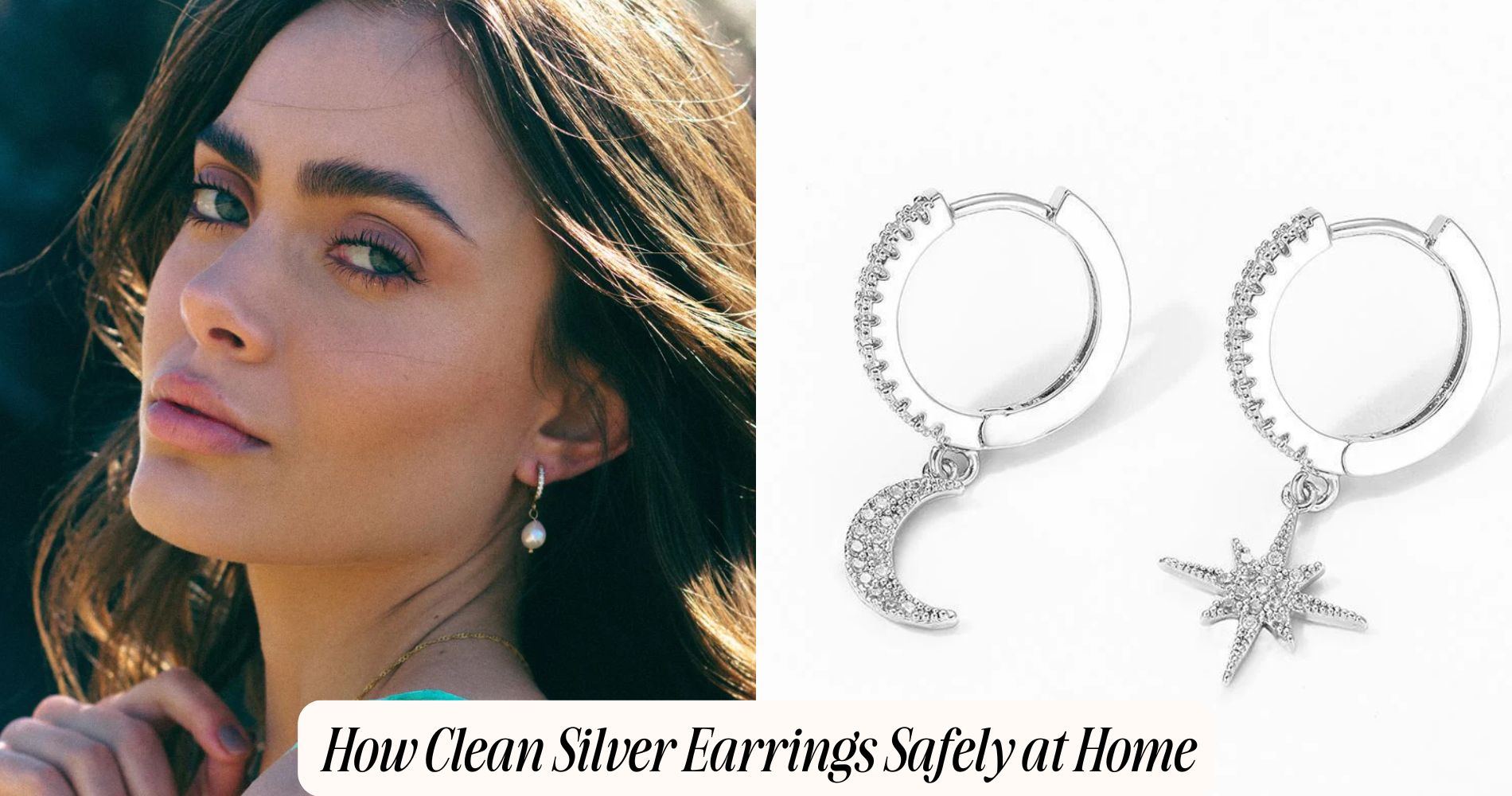
Use gentle cleaning techniques: wash with mild dish soap, warm water, soft brush; rinse, pat dry. For maintenance tips, store anti-tarnish, keep dry, avoid lotions, perfume, pools; polish with microfiber; use silver dip sparingly; replate gold vermeil when dull.
Are Paperclip Designs Suitable for Formal Workplace Dress Codes?
Yes—if understated. You should choose slim links, precious metals, and minimal shine to align paperclip aesthetics with conservative workplace fashion. Pair with tailored pieces. Verify your organization’s dress code; legal, finance, and client-facing roles often prefer subtler jewelry.
What Ring Sizes or Chain Lengths Work Best for Paperclip Styles?
Choose paperclip ring sizes true-to-size for slim bands; size up 1/4–1/2 for wide links. Opt for paperclip chain lengths 16–18 inches for collars, 20 inches for crews, 22–24 inches for layering; bracelets 6.5–7.5 inches.
How Can I Spot Counterfeit or Low-Quality Paperclip Jewelry Online?
Check counterfeit indicators: vague metal stamps, inconsistent link shapes, thin plating, stock-only photos, too-low prices, no returns. Do quality assessments: verify hallmarks, grams, dimensions, clasp sturdiness, soldered joints, finish uniformity, seller reviews, third-party testing, and clear provenance.
Conclusion
You’re wearing more than a trend when you clip on a paperclip. You’re echoing WWII Norwegian resistance, postwar solidarity, and later waves of protest and unity cited by museums and historians. In fashion, it signals minimalist wit and DIY ingenuity; on social media, it codes allyship. Style it sleek for work, layered for edge, or bold for a statement. Buy from transparent makers, credit origins, and align purchases with causes you support—so your jewelry’s meaning matches your intent.









コメントを書く
このサイトはhCaptchaによって保護されており、hCaptchaプライバシーポリシーおよび利用規約が適用されます。