

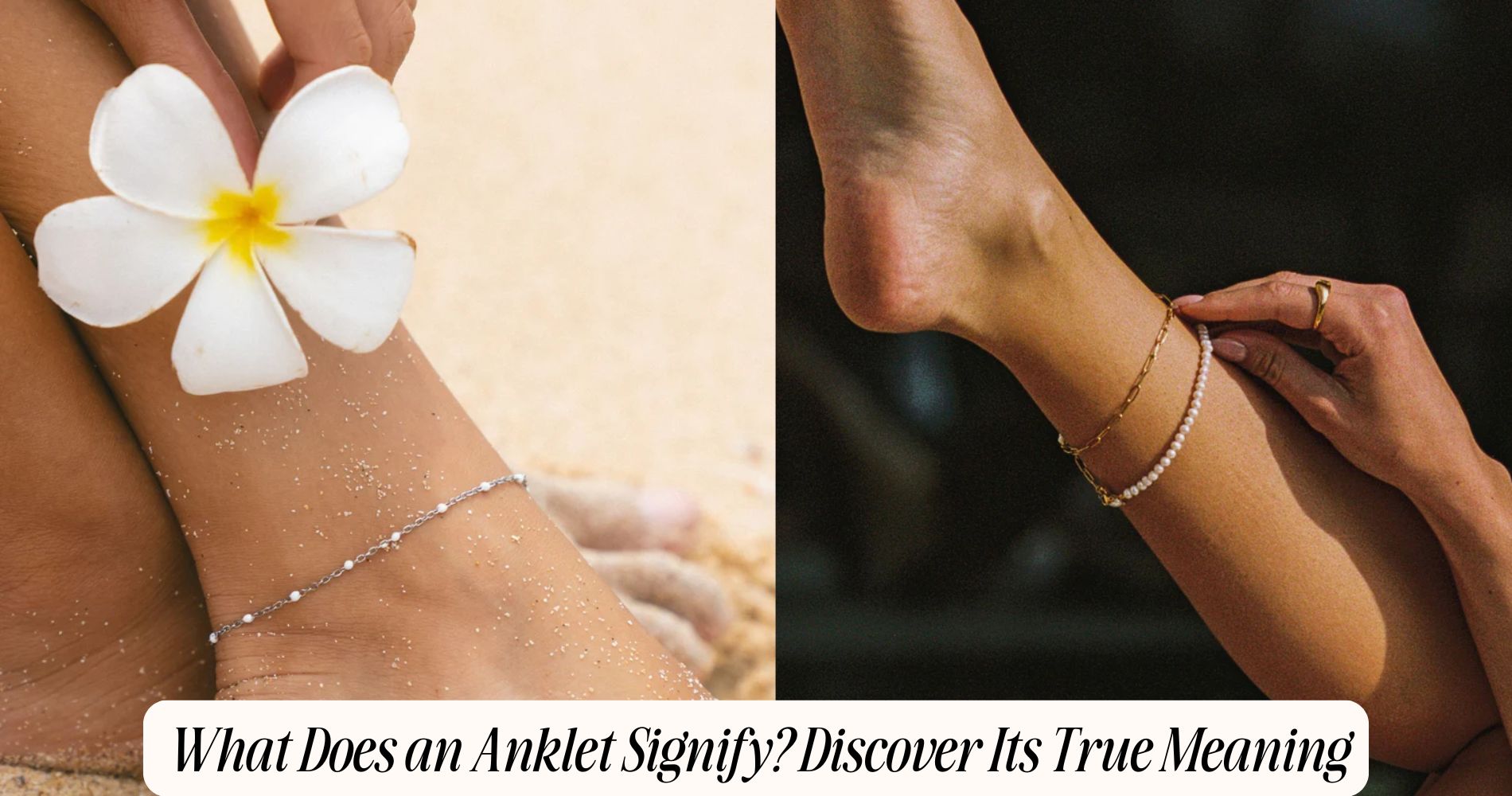
What Does an Anklet Signify? Discover Its True Meaning
What does an anklet signify? Wearing an anklet connects you to a tradition that spans ancient Mesopotamia and Egypt—where anklets symbolized rank and wealth—to Vedic India, where payals expressed femininity and community. Historically, left anklets carried protective and intuitive meanings, while right anklets suggested action and public engagement. Across cultures, anklets have also reflected marital status, spiritual identity, and style tribes, from classical dance to surf culture. Today, choosing modern designs like Waterproof Anklets lets you carry that symbolism into everyday life, with materials, placement, and style subtly shaping the story you share.
The Hidden History of Anklets Around the World
Although anklets often seem like a modern fashion accessory, their story stretches back thousands of years and crosses multiple civilizations. When you trace their path, you see how deeply they’re rooted in ancient cultures and social structures.
In early Mesopotamia and Egypt, you’d recognize anklets as indicators of rank, wealth, and marital status, often crafted in gold or faience and linked to temple rituals.
Moving east, you’d step into the Indus Valley and later Vedic India, where anklets—payals—marked femininity, auspiciousness, and community ties.
Their cultural significance extended into classical Greece and Rome, where you’d find them on dancers and courtesans.
In precolonial Africa and Southeast Asia, anklets signaled lineage, coming‑of‑age, and rhythmic connection in ritual performance.

What the Left and Right Ankles Are Believed to Mean
As you move from this broad historical backdrop into everyday symbolism, the specific ankle you choose—left or right—starts to carry its own layered meanings.
In earlier agrarian societies, people often treated the left side of the body as more mystical, so left ankle symbolism gravitated toward intuition, inner life, and protection from unseen forces. You’d see talismanic charms placed deliberately on the left ankle.
As trade expanded and maritime cultures flourished, right ankle significance gradually took on more public associations. The right side, linked with action and outward movement, began to signal visibility and engagement with the social world.
Anklets as Symbols of Love, Status, and Identity
Once you move from which ankle you choose to why you wear one at all, anklets start to function as compact but potent social signals of love, rank, and personal identity.
In ancient Mesopotamia and Egypt, you’d wear gold or silver anklets to display wealth and social hierarchy, so anklet symbolism tied closely to visible status.
As you move into classical and medieval eras in South Asia, anklets mark marital status, fertility hopes, and family honor, giving them deep cultural significance.
Specific metals, charms, and bells signal whether you’re married, betrothed, or available.
In more recent centuries, anklets evolve into identity markers—signaling religious affiliation, regional heritage, or subcultural belonging—so when you fasten one, you quietly declare who you're and where you stand.

Modern Fashion: Wearing Anklets Your Own Way
Today’s anklets keep traces of those older meanings but operate mostly as flexible fashion tools you can style on your own terms.
In late‑20th‑century streetwear, you began seeing simple chains paired with sneakers, signalling casual confidence rather than status. By the 1990s and early 2000s, surf culture and festival fashion boosted woven threads, shells, and beads, giving anklets a relaxed, travel‑inspired edge.
Today, you navigate multiple aesthetics at once. You might pair minimalist gold chains with tailored shorts for a streamlined look, or lean into bohemian styles with braided cords and charms collected from different trips.
Modern layering techniques let you stack slim chains, anklets with tiny pendants, and even toe rings, creating a personalized, visually rhythmic composition.
How to Choose an Anklet That Reflects Your Story
How do you translate all that history and style potential into an anklet that actually feels like you?
Start by mapping your personal style: are you minimalist, bohemian, vintage-inspired, or trend-focused? This anchors every later choice.
Next, select meaningful materials. Gold or silver can signal tradition or commitment; leather or cord feels earthy and casual; beads, shells, or charms can reference travels, milestones, or beliefs.
Then choose structure: a delicate chain suggests subtlety, while layered strands or bold links express confidence.
Decide on fit—snug for everyday wear, looser for a relaxed, beach-ready feel.
Finally, add narrative details: an initial, birthstone, protective symbol, or cultural motif, so your anklet doesn’t just decorate— it quietly tells your story.

Frequently Asked Questions
Can Anklets Be Worn in Professional or Corporate Environments?
You can wear anklets in many professional settings if you prioritize subtle anklet styles, coordinate them with conservative corporate fashion, and follow company dress codes, gradually introducing minimalist designs before experimenting with bolder accents or seasonal trends.
Are There Specific Anklet Meanings in Lgbtq+ Communities?
Yes, you’ll find anklets used as subtle pride symbols and flirtatious cues. Historically, you’d encode colors or charms; later, you’d match community flags; now, you mostly treat them as personal fashion statements with optional queer signaling.
Do Certain Anklet Materials Trigger Skin Allergies or Irritations?
Yes, certain anklet materials can trigger skin irritations. First, you might react to nickel or low-grade alloys, then plated metals as they wear, and finally even natural fibers if moisture, friction, and bacteria accumulate over time.
Is It Culturally Insensitive to Wear Traditional Anklet Designs?
It’s not automatically insensitive, but you must weigh cultural appropriation concerns. First, research the anklet’s origin, then seek community perspectives, credit traditional craftsmanship appreciation, and finally wear it respectfully, avoiding sacred motifs, stereotypes, or profit-driven misuse.
Are There Spiritual or Healing Beliefs Linked to Crystal Anklets?
Yes, you tap into long‑standing beliefs linking crystal anklets to healing energy. Historically, you’d select stones for specific crystal properties, then wear them near pulse points, believing continuous contact gradually harmonizes emotions, energy, and subtle energy fields.
Conclusion
As you trace anklets from ancient status symbols to modern self‑expression, you see they’ve always communicated more than simple style. You’ve learned how left and right ankles can carry different cultural implications, how motifs signal love, protection, or identity, and how contemporary fashion frees you to redefine those meanings. Now, when you choose an anklet, you’re not just accessorizing—you’re curating a small, visible archive of your journey, values, and evolving sense of self.











コメントを書く
このサイトはhCaptchaによって保護されており、hCaptchaプライバシーポリシーおよび利用規約が適用されます。