



Left Middle Finger Ring Meaning Explained
The left middle finger ring meaning centers on balance, discipline, and a strong sense of personal identity. In many European traditions, the middle finger is linked to Saturn—symbolizing structure, boundaries, and self-control—while the left hand reflects personal commitments rather than marital ones. This makes it a neutral yet powerful placement that communicates authority without implying relationship status. Materials refine the message: platinum feels modern and controlled, yellow gold nods to tradition, and clean, minimal bands emphasize clarity. Choosing durable styles like Waterproof Rings keeps that message intact through everyday wear. Keep designs streamlined for comfort and professionalism, and you’ll also see how hand dominance and regional customs further shape its meaning.
Cultural and Historical Context
Although ring symbolism varies by era and region, the left middle finger has rarely held a single, universal meaning; instead, it reflects shifting ideas about identity, balance, and status.
When you examine cultural significance across time, you see a practical, often understated role: the middle finger’s central position made it a logical site for rings signaling personal order, measured taste, or civic identity rather than intimacy or lineage.
Classical sources rarely single it out, yet guild statutes and portraiture from late medieval and early modern Europe occasionally show middle-finger bands associated with work, sobriety, or calibrated display.
Its historical origins in etiquette manuals frame it as a neutral, balanced placement—visible, symmetrical, and non-hereditary—letting you express self-possession or professional standing without implying familial claims or contractual bonds.
Symbolism of the Left Hand vs. Right Hand
Because hands carry different cultural charges, a ring on the left versus the right can signal distinct meanings—even when worn on the same finger. You navigate a map of hand symbolism shaped by law, religion, and custom.
In Western traditions, left symbolism often aligns with commitment and civic identity because state and church formalized rings on the left. Anthropologists note that right-hand wear in Eastern Europe and parts of the Middle East signals marital status, while the left hand conveys secular or modern preferences.
You should also consider handedness and visibility. A dominant hand draws attention in work and greetings, so a ring there reads as public-facing. The non-dominant hand can suggest reflection or personal intent.
Ultimately, you’re communicating context: region, tradition, and your chosen emphasis.
What the Middle Finger Represents
Set at the hand’s center and aligned with the longest bone column, the middle finger reads as a pillar of balance, authority, and self-regulation. You use it to signal equilibrium between personal priorities and external demands; its placement visually anchors the hand, so middle finger symbolism often tracks with stability and accountability.
Renaissance palmistry linked this finger to Saturn, the planet of discipline and boundaries, reinforcing themes of structure and consequence.
In modern contexts, you still carry those associations, but you also navigate a well-known rebellious gesture. That tension matters: when you choose this finger, you might emphasize autonomy without rejecting community norms.
Evidence from body-language research shows observers read rings here as statements of personal standards, clear limits, and mature self-direction.

Materials and Designs: What They Convey
While the finger signals balance and boundaries, your ring’s material and design sharpen that message.
Metal choices carry distinct associations: platinum and white gold read as restrained, modern authority; yellow gold signals tradition and status; rose gold conveys warmth and approachability; sterling silver suggests minimalism and adaptability; titanium and tungsten project durability and self-discipline; stainless steel implies practicality; recycled metals highlight ethical intent.
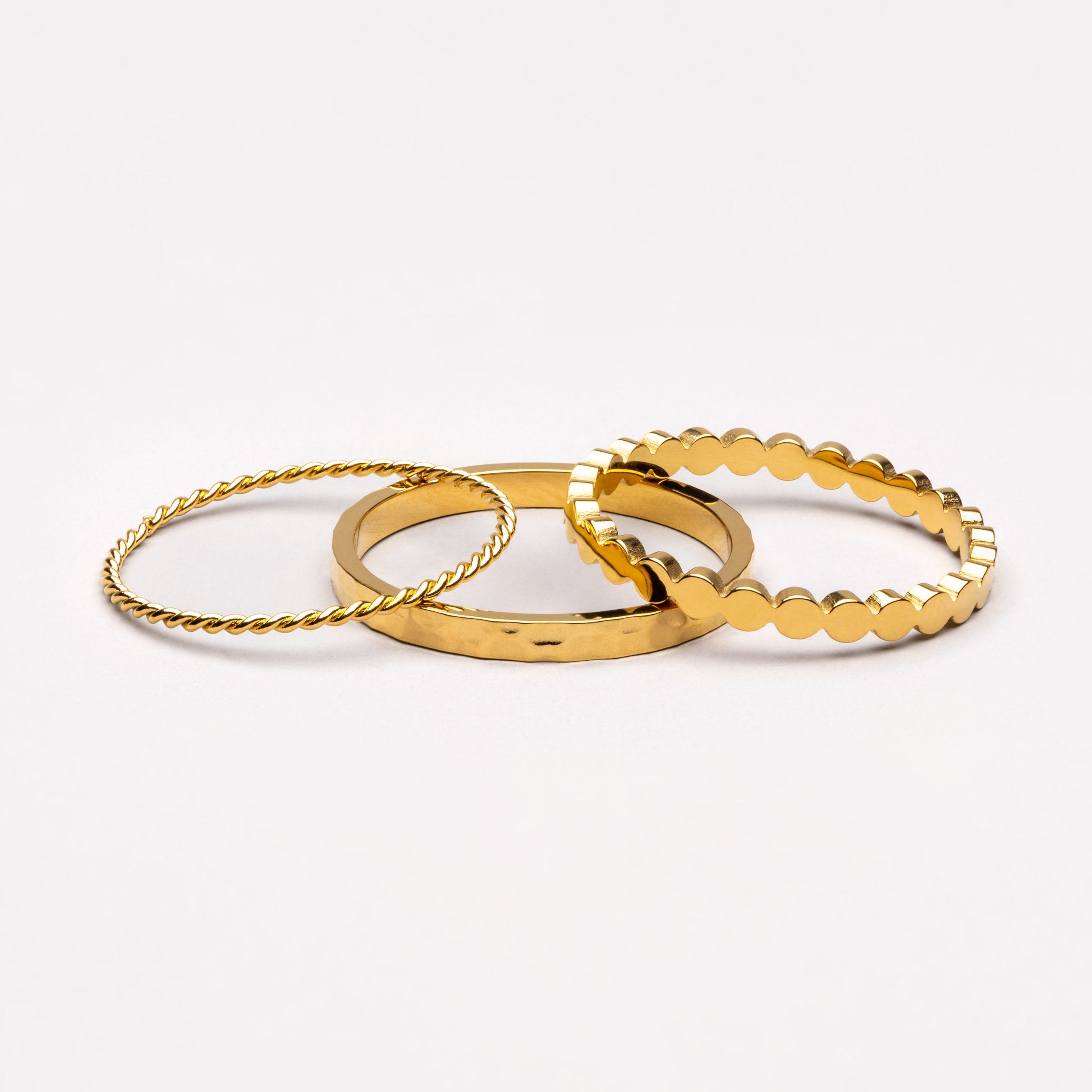
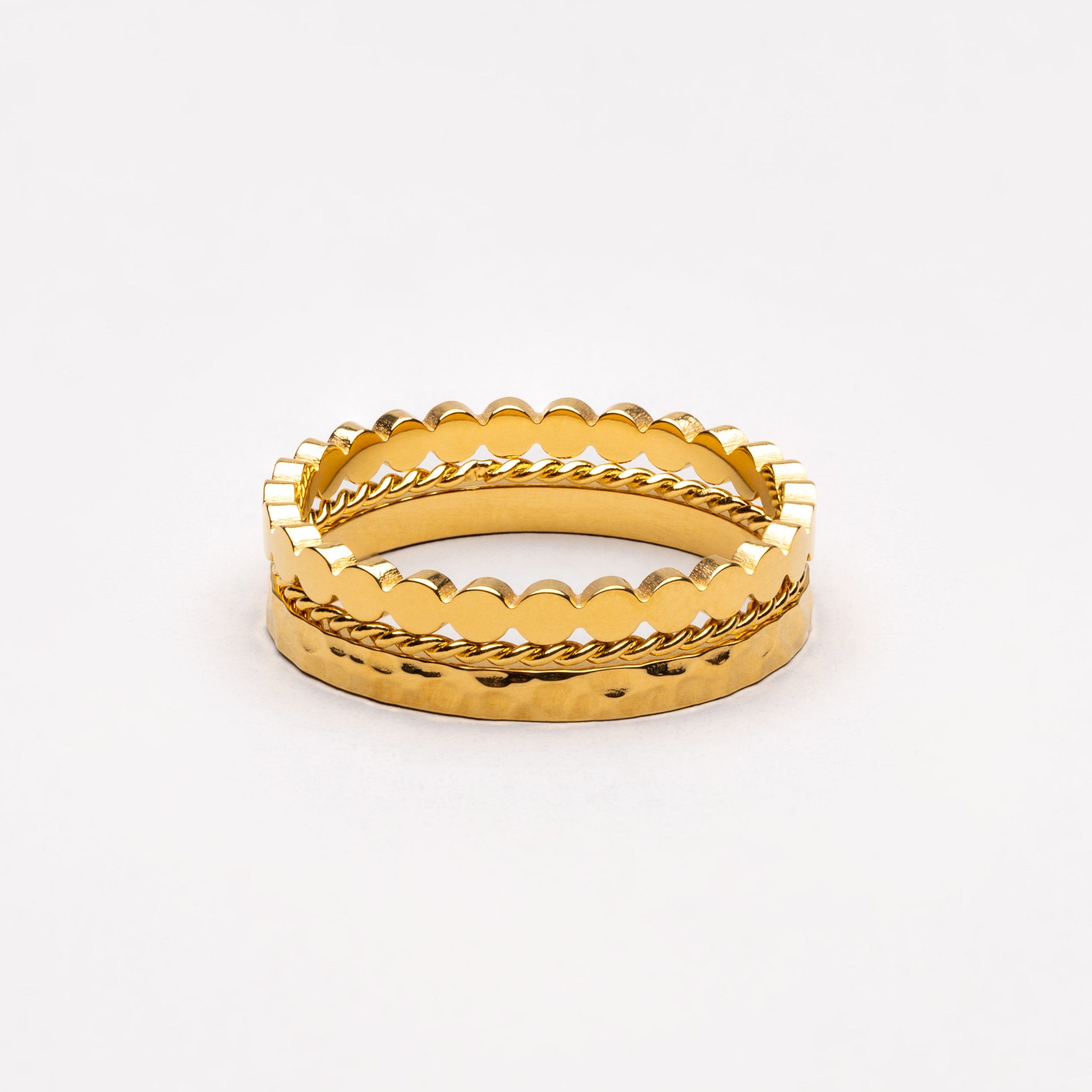
Design motifs refine the tone. Clean bands emphasize equilibrium and clarity. Geometric edges communicate structure and resolve. Braids or cable textures suggest interconnected duties. Signet faces imply legacy and stewardship. Matte finishes temper confidence; high polish amplifies visibility.
Inlays of wood or meteorite indicate grounded individuality. Sparse diamonds or black stones introduce measured contrast, underscoring control rather than ornament.
Style Tips for Wearing a Ring on the Left Middle Finger
Even as the middle finger centers your hand, treat the ring as a visual anchor you calibrate to outfit, occasion, and hand dominance.
Keep scale proportional: broader bands balance long fingers; slim profiles suit shorter fingers. Use symmetry intentionally—pair a minimalist band with a watch or bracelet on the opposite wrist to stabilize the look.
Follow fashion trends selectively. Mixed metals read modern, but keep finishes consistent (all matte or all polished) for cohesion.
Stack with restraint: one structured band plus a low-profile accent avoids bulk and preserves dexterity. Leverage styling techniques from editorial research—contrast textures (brushed next to hammered) to create depth without visual noise.
Align ring color with undertones in your wardrobe palette, and echo one detail—a bezel shape, line, or stone—to create a deliberate focal path.
Etiquette, Practicality, and Sizing Considerations
Style choices matter, but etiquette and fit determine whether a left‑middle‑finger ring feels appropriate and comfortable all day. You signal confidence, not status, so keep designs streamlined at work and formal events. Avoid pieces that obscure handshakes or snag fabrics.
If you stack, limit bulk so knuckles flex freely and gestures remain clear. Remove the ring for contact sports, weighted lifting, and tasks with machinery to prevent pinch injuries.
For practicality, test wearing comfort at different temperatures; fingers swell up to half a size with heat or activity. Prioritize smooth interiors, beveled edges, and balanced weight. Seek professional size adjustment rather than DIY hacks; a quarter‑size tweak often prevents rotation and pressure points.
Reassess fit seasonally, and clean under the band to reduce skin irritation.

Frequently Asked Questions
Does a Left Middle Finger Ring Affect Job Interviews or Professional Perception?
Yes, it can subtly influence job perception. You should prioritize interview etiquette: keep jewelry minimal, neutral, and clean. In conservative fields, remove bold rings. In creative sectors, modest self-expression’s acceptable. Research company culture, then decide strategically.
Are There Regional Superstitions About Left Middle Finger Rings?
Yes. You’ll find regional superstitions linking left middle finger rings to balance, authority, or defiance. Cultural beliefs vary: some view it as neutral finger symbolism, others warn it signals independence, resistance, or misfortune. Evidence remains anecdotal, tradition-driven.
Can Smart Rings Be Worn on the Left Middle Finger?
Yes, you can wear a smart ring on your left middle finger. Check sizing, sensor alignment, and gesture comfort. Smart ring functionality usually remains accurate. Consider left hand symbolism and potential touchpad misreads during gripping, typing, or strength training.
Do Lgbtq+ Communities Assign Meanings to This Ring Placement?
Yes. You’ll encounter informal LGBTQ+ symbolism around middle-finger rings, but meanings vary by community. Some signal Queer identity, autonomy, or nonconformity. There’s no universal code; verify locally and prioritize consent-focused, self-described identifiers over assumptions or stereotypes.
How Do Athletes Manage Rings on the Left Middle Finger?
You typically remove it during play for safety, or tape it for stability and ring comfort. Some adopt silicone bands, balancing athletic symbolism and practicality. Evidence shows metal rings risk finger injuries; coaches and leagues often recommend no jewelry during competition.
Conclusion
Wearing a ring on your left middle finger signals balance, personal identity, and commitment to your own values. Historically, the left hand suggests introspection, while the middle finger highlights equilibrium and accountability. Choose materials and designs that align with your message—minimal metals for restraint, gemstones for intention, or bold bands for agency. Prioritize comfort, proportion, and correct sizing to prevent rotation. If symbolism matters to you, let your ring reflect it—subtly, consistently, and with purpose.










コメントを書く
このサイトはhCaptchaによって保護されており、hCaptchaプライバシーポリシーおよび利用規約が適用されます。