

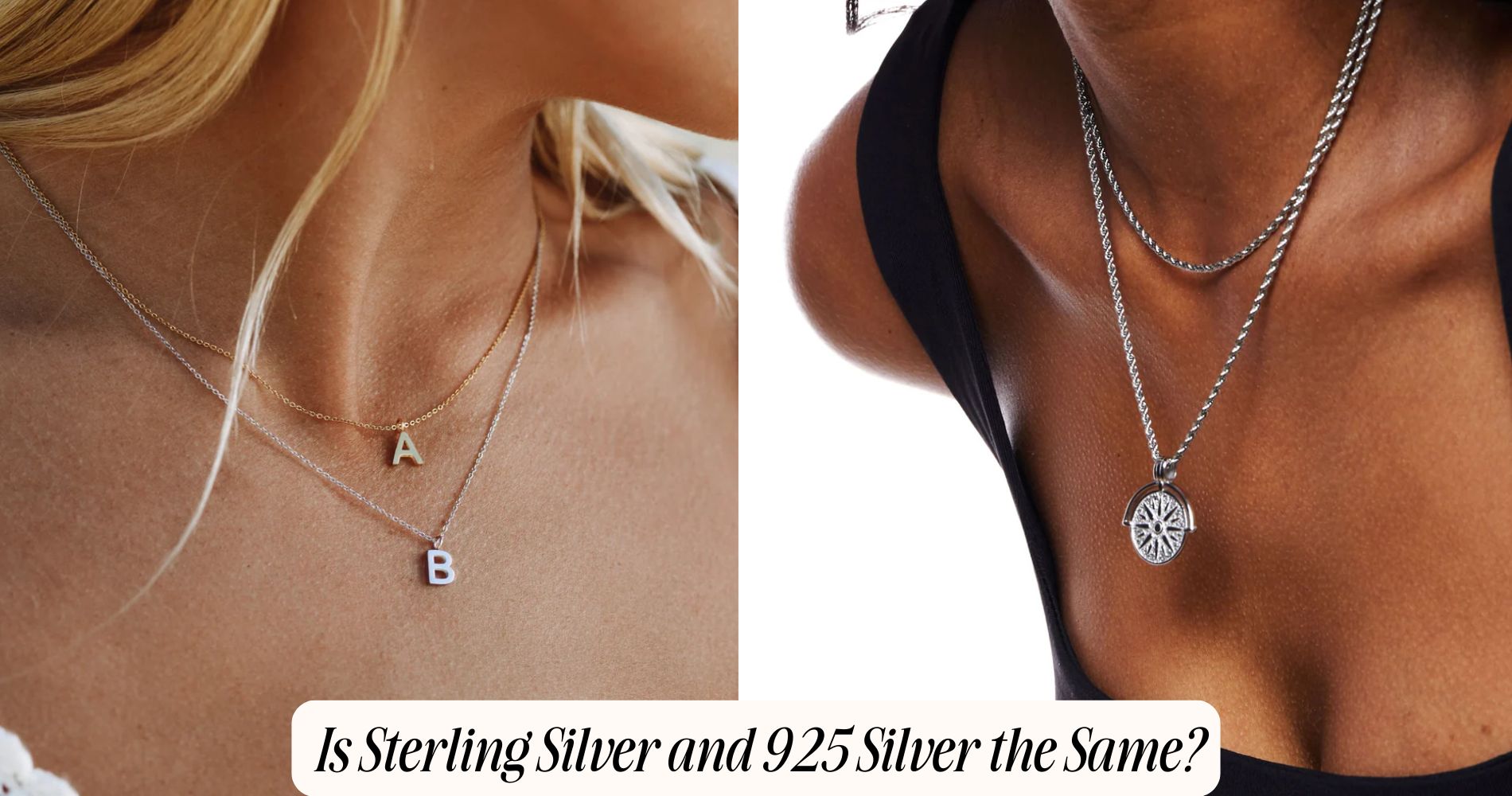
Is Sterling Silver and 925 Silver the Same?
Is sterling silver and 925 silver the same? Yes—sterling silver and 925 silver are the same: an alloy made with 92.5% pure silver and 7.5% other metals (usually copper). You’ll typically see hallmarks like 925, .925, or STERLING, and it’s best to verify the stamp placement along with a maker’s mark or assay mark for authenticity. Value depends on confirmed purity, metal weight, and craftsmanship—not just surface shine. Keep in mind that 925 isn’t automatically hypoallergenic and may be plated, so sensitive skin may prefer options like Hypoallergenic Jewelry. With proper care, you can reduce tarnish, protect finish, and preserve long-term wear and resale value.
What “925” Actually Means in Silver Purity
In jewelry and bullion, “925” is the industry hallmark indicating sterling silver: an alloy that’s 92.5% pure silver and 7.5% other metals, typically copper. When you see this stamp, you can quantify silver composition and assess market value more confidently. The number reflects parts per thousand of fine silver, aligning with widely recognized purity standards.
You’re evaluating a product engineered for durability, tarnish behavior, and resale liquidity, not just appearance.
You should verify the mark’s placement, legibility, and accompany it with a maker’s mark or assay mark when possible. These signals reduce attribution risk and counterfeit exposure.
Use acid tests, XRF scans, or density checks to confirm the alloy. By tying purity to weight and spot price, you’ll calculate melt value, adjust for craftsmanship premiums, and set rational buy/sell thresholds.

Sterling Silver vs. 925 Silver: Are They Identical?
So, are “sterling silver” and “925 silver” the same? Yes—functionally and legally, they designate the same alloy: 92.5% pure silver with 7.5% permitted additives.
You’ll see “sterling,” “925,” or “.925” used interchangeably on hallmarks and product listings. When evaluating a piece, treat both terms as equivalent purity indicators.
To make informed purchases, focus on sterling silver characteristics that affect value: precise hallmarking, metal weight, fabrication quality, and surface finish.
Confirm stamps are clear and correctly placed, and verify with testing if price or claims seem inconsistent.
Watch for 925 silver misconceptions, such as assuming 925 means plating, country-specific purity, or hypoallergenic status.
Price should align with spot silver, craftsmanship, and brand reputation, not just the 925 mark.
Understanding Alloys: What Makes Up the Remaining 7.5
Seven to ten common alloying elements can occupy the remaining 7.5%, each chosen to balance hardness, tarnish resistance, color, workability, and cost.
You’ll typically see copper as the dominant addition because it strengthens silver with minimal color shift. Small percentages of zinc improve fluidity for casting and reduce firescale. Nickel or palladium can brighten tone and increase hardness, though nickel may affect skin sensitivity.
Germanium, silicon, or boron form deoxidizing systems that enhance tarnish resistance and solderability. Indium or tin can improve malleability and solder flow.
When you assess alloy composition, focus on target metal properties: yield strength, Vickers hardness, corrosion behavior, and colorimetry.
For investment value, prioritize formulations that minimize maintenance costs, retain luster longer, and reduce fabrication loss without impairing reparability.

Hallmarks and Stamps: How to Read and Verify Them
Material choices only pay off if the piece is what it claims to be, which is where hallmarks and quality stamps provide verification. You should look for “925,” “.925,” or “STERLING” as the primary purity marks; they indicate 92.5% silver content.
Examine placement—inner bands, clasp tags, or discreet underside surfaces—to verify consistency and professional application. Use stamp identification to separate maker’s marks, assay office marks, and date letters from purity numbers; each adds provenance and affects resale value.
Assess hallmark symbols for clarity, depth, and alignment. Crisp, evenly struck impressions suggest legitimate manufacture, while uneven or shallow marks can indicate low-quality or post-production alterations.
Confirm that the maker’s mark corresponds to a registered entity. Cross-reference marks with reputable databases or brand registries to substantiate authenticity and support valuation.
Spotting Genuine Sterling Silver: Tests and Red Flags
Although stamps are a starting point, you should verify sterling with simple diagnostics and watch for counterfeiting cues that affect value.
Prioritize non-destructive testing methods: use a rare-earth magnet (sterling isn’t magnetic), measure density (~10.2 g/cm³), and apply an acid test on an inconspicuous spot—925 silver shows a creamy color, not green. Conduct XRF spectrometry when transaction size justifies lab-grade confirmation.
Inspect construction: sterling typically has soldered joints, crisp die-struck details, and consistent color at wear points.
Beware plated stock—edge wear revealing yellow brass, flaking, or pitting indicates base metal. Evaluate weight versus size; underweight pieces suggest hollow or plated cores.
Check findings and chains; mismatched base-metal clasps are red flags. Use loupe magnification to aid identifying fakes and validate fair market pricing.
Care, Tarnish, and Long-Term Value of 925 Sterling Silver
With authentication squared away, preservation becomes the lever that protects both utility and resale value.
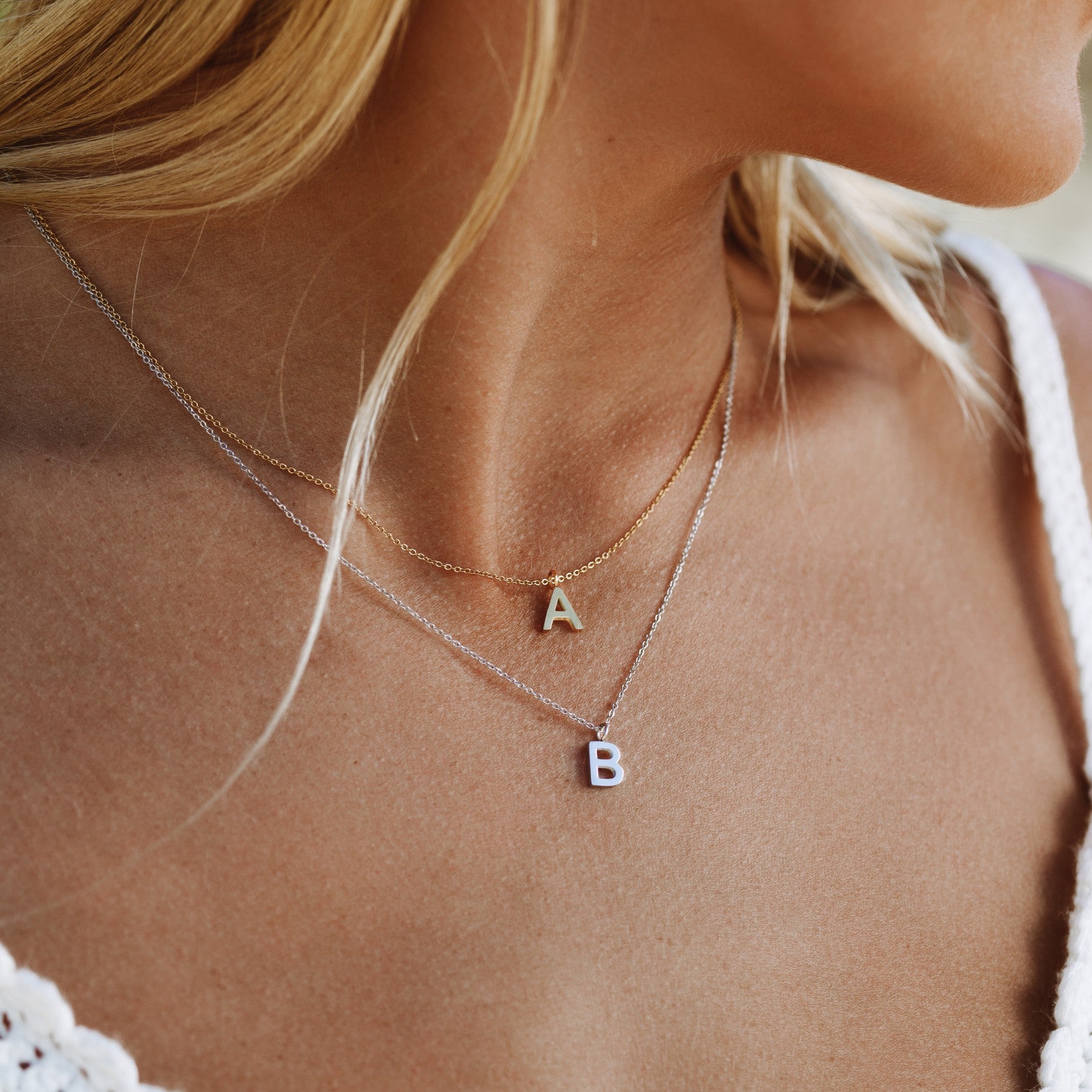
Sterling’s 7.5% alloy content oxidizes, so prioritize tarnish prevention: store pieces in anti-tarnish pouches, use silica gel, and isolate from sulfur sources (wool, rubber, some papers). Remove residues after wear—sweat, lotions, and chlorides accelerate patina.
For silver cleaning, deploy the least abrasive method first: microfiber cloth, then treated polishing cloth, then a mild ammoniated cleaner; avoid ultrasonic baths on set stones and aluminum-foil baking-soda hacks that strip intentional finishes.
Rinse and dry thoroughly to prevent water spots.
Routine maintenance preserves luster, reduces metal loss from over-polishing, and sustains hallmarks. Document professional servicing.
Pieces with intact surfaces, original patina when applicable, and stable settings command measurably higher resale premiums.
Frequently Asked Questions
Is 925 Silver Hypoallergenic for Sensitive Skin and Piercings?
Yes, generally. You’ll tolerate 925 silver well, but 925 silver allergies can occur if the alloy contains nickel or copper. For sensitive skin and piercings, verify nickel-free composition or choose surgical steel, titanium, or 24k gold.
How Does 925 Silver Compare in Price to Other Metals?
You’ll pay less for 925 silver than gold, platinum, or palladium, but more than stainless steel or brass. Its price tracks silver pricing trends, fluctuating with market demand, mining supply, investment flows, and fabrication costs.
Can 925 Silver Be Resized or Repaired Easily?
Yes, you can resize and repair 925 silver easily. Jewelers use precise resizing techniques—sizing up with added solder or down by removing metal. Repair options include soldering cracks, reinforcing prongs, polishing, and rhodium plating. Costs remain budget-friendly.
Is 925 Silver Suitable for Everyday Wear, Including Water Exposure?
Yes—you can use 925 silver for daily wear, but its water resistance is limited. You’ll see tarnish from chlorinated or salty water. Rinse, dry, and store properly. Apply rhodium plating for enhanced durability and maintenance efficiency.
Does 925 Silver Have Resale or Pawn Value Differences by Region?
Yes. You’ll see regional differences in 925 silver’s pawn offers due to resale markets, local demand, hallmark trust, assay practices, and scrap rates. You should compare spot-silver–indexed quotes, fees, and buyback policies across cities before accepting.
Conclusion
You now know “925” denotes 92.5% pure silver, making 925 silver and sterling silver functionally the same. You can confirm authenticity via hallmarks, acid or magnet tests, and reputable provenance. Evaluate alloy composition, craftsmanship, and finish to gauge durability and market value. Expect tarnish; plan routine cleaning and proper storage to preserve appearance and liquidity. When priced fairly and verified, 925 sterling silver offers strong utility for everyday wear and stable resale potential over time.








.%20You%E2%80%99ll%20typically%20see%20hallma...)
コメントを書く
このサイトはhCaptchaによって保護されており、hCaptchaプライバシーポリシーおよび利用規約が適用されます。