

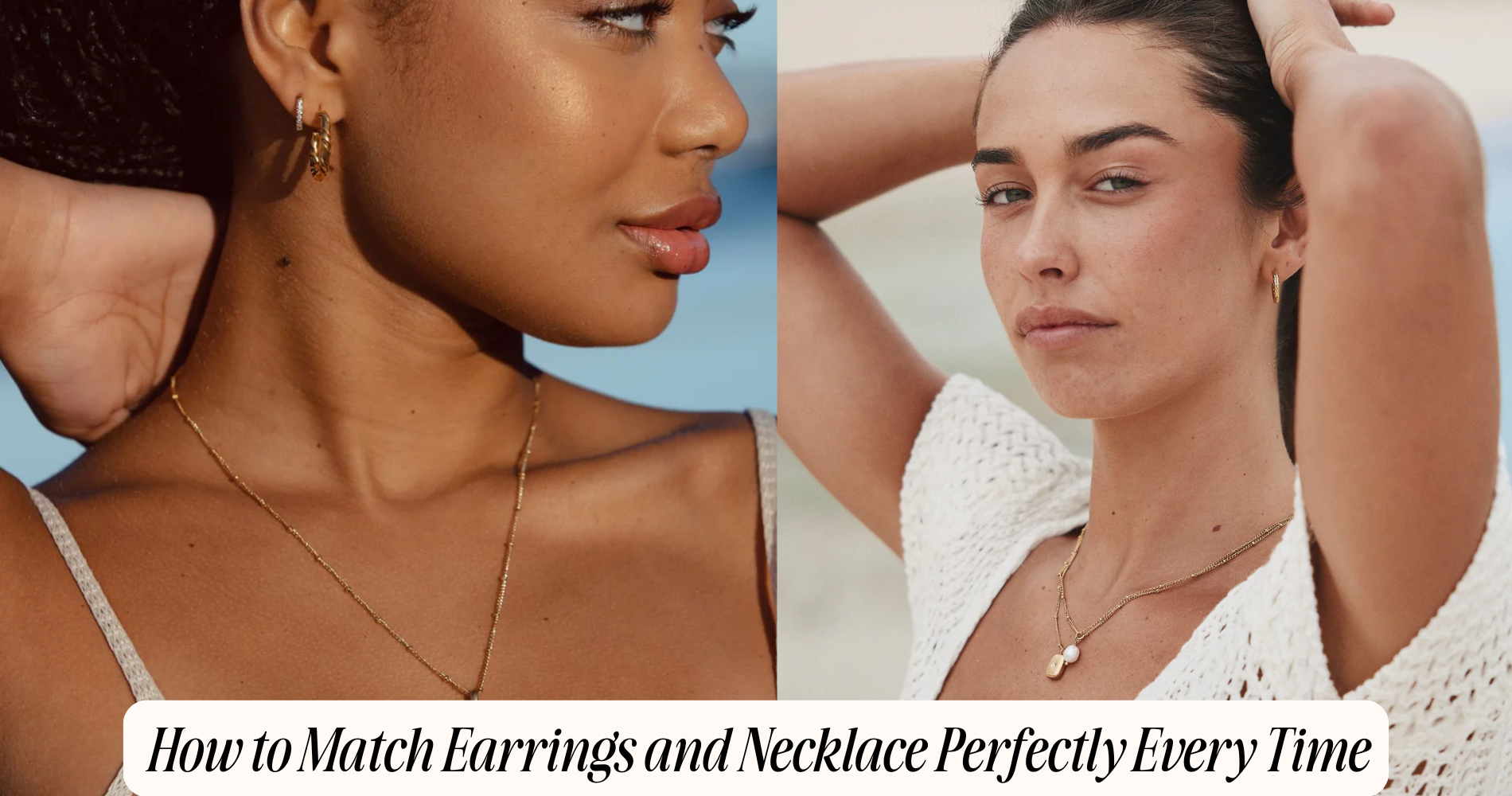
How to Match Earrings and Necklace Perfectly Every Time
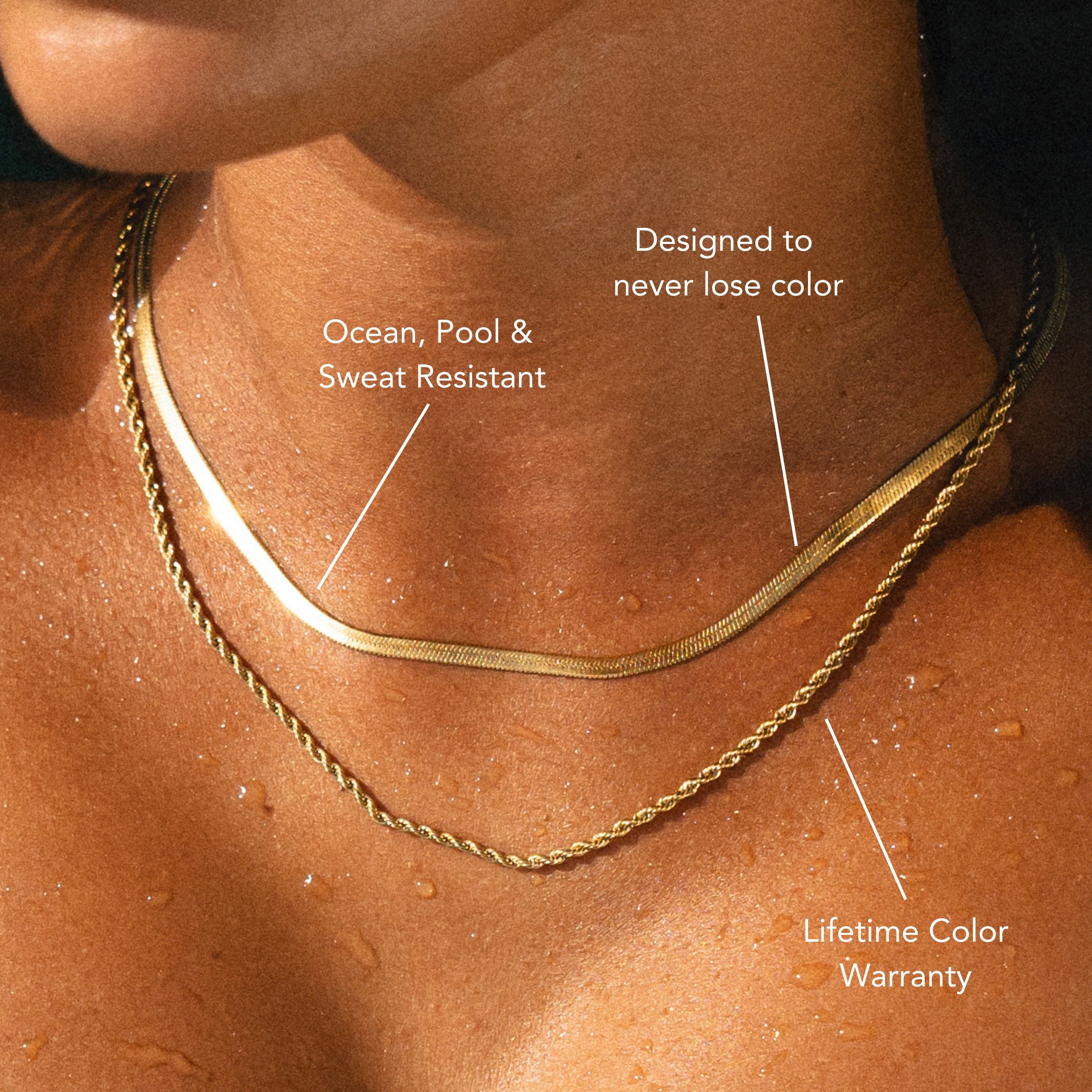
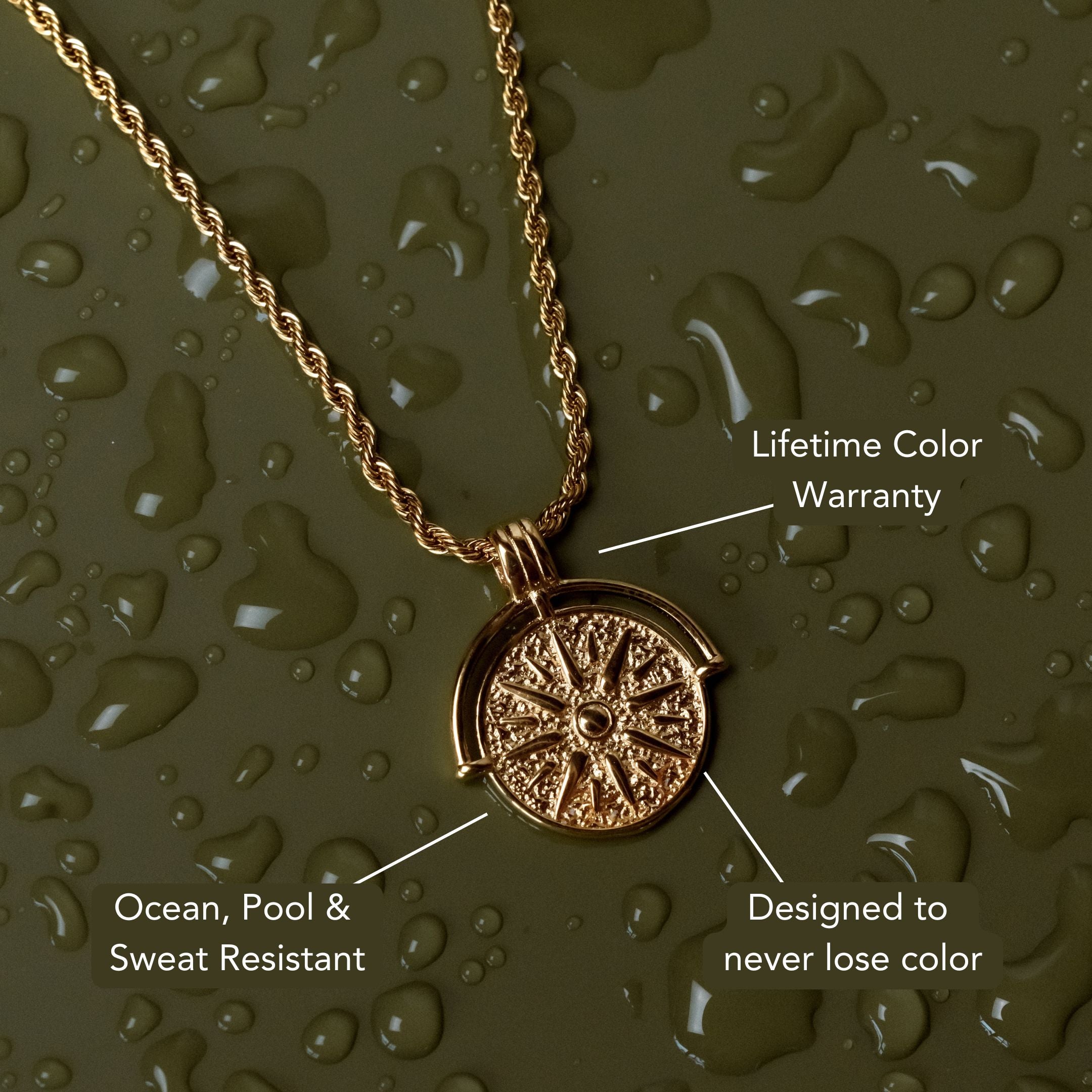
How to match earrings and necklace? Match earrings and necklaces perfectly by treating them as one cohesive design system. Start with your face shape and personal style, then choose a base metal and keep the color temperature consistent—this is where a Simple Stainless Steel Necklace becomes an effortless, versatile foundation. Let one piece act as the statement while the other stays sleek, avoiding big-next-to-big pairings. Coordinate necklace length with earring type to prevent visual clutter, and always align your choices with your neckline and the occasion so your focal point feels intentional. From here, there’s even more you can master to refine your look.
Understanding Your Personal Style and Face Shape
Before you even pick up a pair of earrings, you need to decode two variables: your personal style and your face shape. Treat them like design constraints.
First, define your personal style: minimalist, glam, edgy, romantic, or classic. Audit your wardrobe, preferred metals, and daily settings; your jewelry should extend that visual language, not fight it.
Next, map your face shape: oval, round, square, heart, or long. Trace your outline in a mirror or photograph for accuracy.
Oval faces handle most silhouettes; round faces benefit from length and vertical lines; square faces pair well with curves; heart shapes balance width at the forehead; long faces gain harmony from studs or soft horizontals.
When you match jewelry to these parameters, your combinations look intentional.
Balancing Statement Pieces and Subtle Accents
Once you understand your style and face shape, you can start orchestrating how “loud” each piece should be. Think regarding statement vs. subtle: only one area should dominate the visual field at a time.
If you wear chandelier or oversized earrings, choose a fine chain or collarbone-grazing necklace that visually supports rather than competes.

Reverse the formula when your necklace carries the impact. A structured collar, sculptural pendant, or layered strand calls for minimal studs or slim hoops.
Use bold accents with purpose—create a clear focal point near either your eyes or your neckline, not both.
Continuously assess proportion: large earrings plus large necklace usually overcrowd your features, while one hero piece plus quiet complements always reads intentional.
Coordinating Metals, Colors, and Gemstones
Although personal taste plays a role, you’ll get consistently polished results when you coordinate metal tone, color temperature, and gemstone intensity as a single palette.
Start by deciding your base metal, then build deliberate metal combinations: pair cool silvers with white gold or platinum, and warm golds with rose tones. If you mix metals, repeat each at least twice across earrings and necklace so it looks intentional, not accidental.
Next, align color temperature. Cool gems (sapphire, amethyst, emerald) sync best with cooler metals; warm stones (citrine, garnet, morganite) flatter yellow and rose gold.
Factor in gemstone meanings: pair protective black onyx with grounding metals, or romantic rose quartz with softer finishes. Keep saturation similar so neither piece visually overwhelms the other.
Choosing Necklace Lengths to Complement Earring Types
For classic studs or small huggies, extend the line with a 16–18 inch pendant or Y-necklace that echoes the earring’s geometry.
If you wear medium drops, avoid necklaces ending at the same height; choose either a true choker or a longer 20–24 inch chain.
For statement hoops, use minimal, flat-lying chains so the visual emphasis stays at the face.

Matching by Neckline, Hairstyle, and Occasion
Necklace length and earring scale set the foundation, but the neckline, your hair, and the event actually decide what works in real life.
Start by mapping necklace length to neckline shapes: deep V-necks pair cleanly with pendant or lariat lines; crew and bateau necks favor short collars or chokers; strapless and sweetheart cuts handle statement drops without visual conflict.
Next, factor in hairstyle trends and hair volume. With sleek buns or short cuts, you can wear bolder earrings and lighter necklaces. With long, loose hair, prioritize a defined necklace line and earrings with strong silhouettes.
Finally, calibrate for occasion: minimal sets for offices, refined sparkle for evening, and flexible, mid‑scale pieces for day‑to‑night events to stay polished, not overdone.
Mixing Styles and Textures With Intention
When you start mixing styles and textures, treat earrings and necklaces like a controlled contrast, not a random collage. Anchor one piece as the “structure” and let the other supply tension. If your necklace is bold, keep earrings streamlined; if your earrings dominate, let the necklace recede yet still relate.
Work within a clear style axis: bohemian elegance vs. urban chic. For bohemian elegance, pair hammered or braided metals with matte stones or tassels, but repeat a single element—color, finish, or motif—for cohesion.
For urban chic, combine high-polish metals with geometric silhouettes or industrial chains, then echo a line or angle between pieces.
Always cross-check: at least one shared trait, one deliberate contrast, zero visual conflict.

Building Versatile Earring-and-Necklace Pairing Capsules
Smart pairing isn’t just about single outfits; it scales into a capsule you can rotate across your week.
Start by mapping your earring types to core necklace styles: studs, huggies, medium hoops, and one statement pair; then a fine chain, pendant, choker, and one bold collar or lariat.
Assign each combination a function: minimal set for work, elevated set for meetings, high-impact set for evenings.
Keep metals consistent within each micro-capsule, but vary silhouette and proportion so pieces never compete at the neckline.
Limit your capsule to 4–5 earring types and 4 necklace styles, all interoperable.
Photograph successful pairings, save them as presets, and you’ll deploy polished looks in seconds, not indecisive minutes.
Frequently Asked Questions
Can I Mix Fine Jewelry With Costume Jewelry in the Same Earring-Necklace Set?
You can absolutely mix fine and costume jewelry; just prioritize cohesion. Control mixing metals by repeating each tone at least twice, maintain proportional scale, and keep one focal piece dominant to preserve visual hierarchy and overall style balance.
How Do I Store Matched Sets so They Don’T Tangle or Get Damaged?
You prevent damage by isolating each matched set in small, labeled compartments or protective cases. Use anti-tarnish pouches, clasp necklaces before coiling, secure earring backs, and choose vertical, tangle free storage systems to minimize friction and pressure.
What Jewelry-Matching Rules Should I Teach Teenagers Who Are Just Starting to Accessorize?
You teach them to prioritize color coordination, maintain style balance, and limit focal points. Tell them to match metals, echo one shape, contrast textures, and scale jewelry to face and neckline so everything reads intentional, not accidental.
How Do Cultural or Religious Jewelry Traditions Affect Matching Earrings and Necklaces?
They guide what you combine: you prioritize cultural significance and religious symbolism over trends. You’ll echo sacred motifs, metals, or colors in both pieces, avoid prohibited imagery, and keep proportions modest or bold, depending on tradition’s standards.
Are There Hypoallergenic Options for Coordinated Sets if I Have Metal Allergies?
You’ve got many coordinated-set options: choose hypoallergenic materials like titanium, niobium, medical‑grade stainless steel, or 14k+ gold. Explore metal allergy alternatives including PVD‑coated chains, silicone‑back findings, and lab‑created gemstones set in nickel‑free, hallmark‑stamped mountings.
Conclusion
Now you know how to read your face shape, neckline, hairstyle, and outfit like a design blueprint. Use it to balance scale, metal, color, and texture instead of guessing. Decide what leads—earrings or necklace—then build around it with intentional contrast or harmony. Refine a small capsule of go‑to pairings so you’re not starting from zero each morning. When in doubt, simplify the shapes, match the metals, and keep the focus clear.









コメントを書く
このサイトはhCaptchaによって保護されており、hCaptchaプライバシーポリシーおよび利用規約が適用されます。