

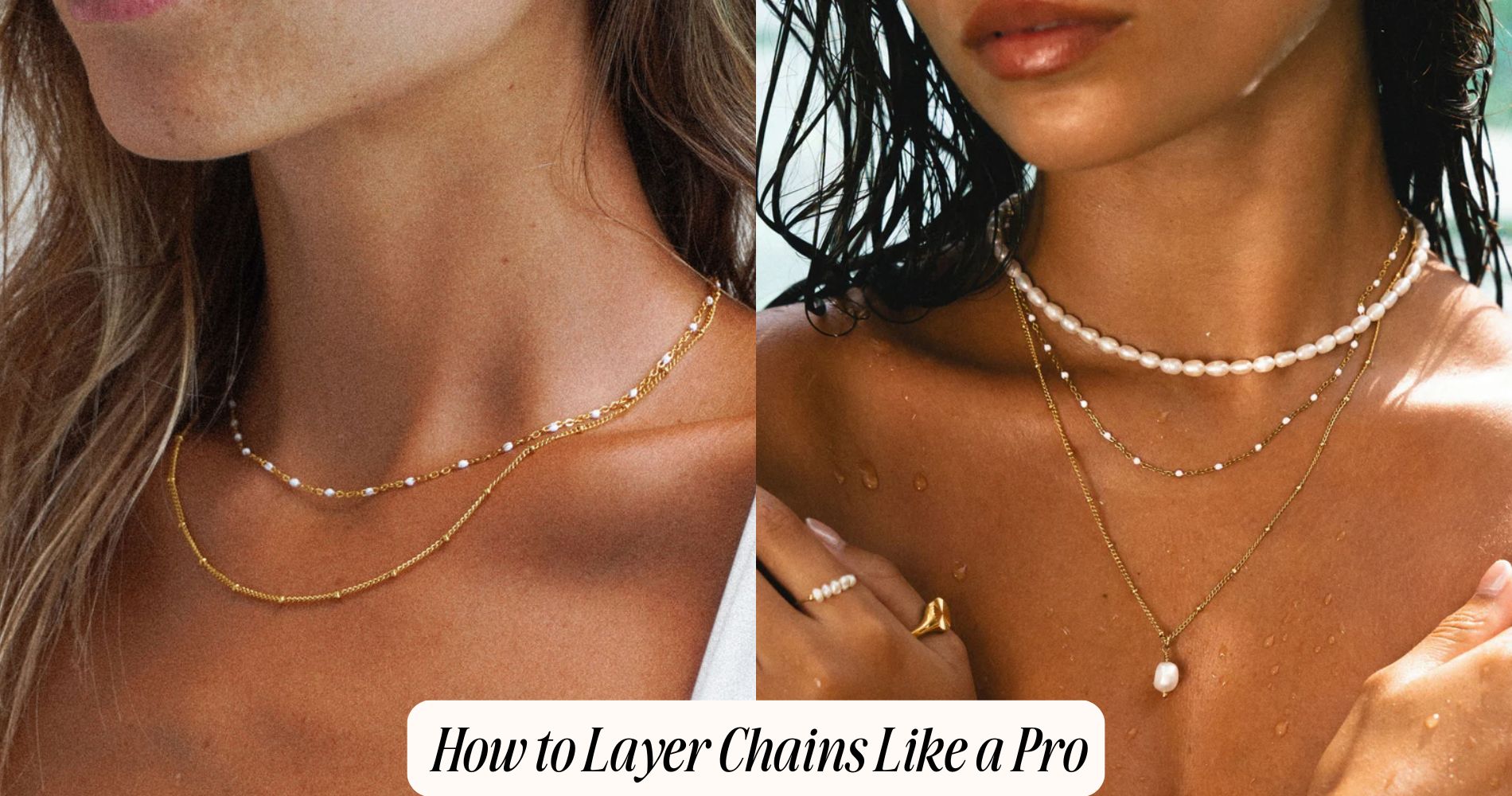
How to Layer Chains Like a Pro
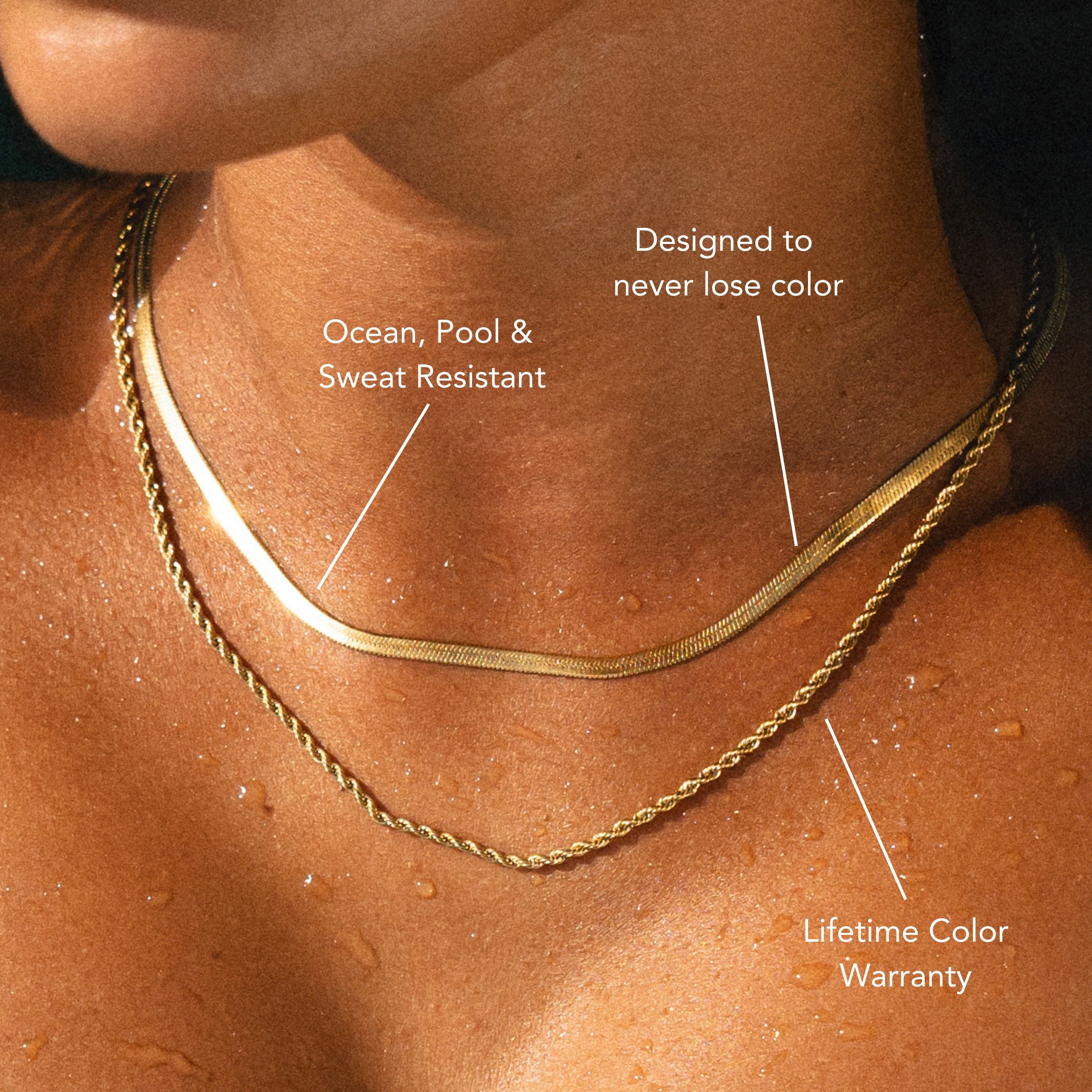
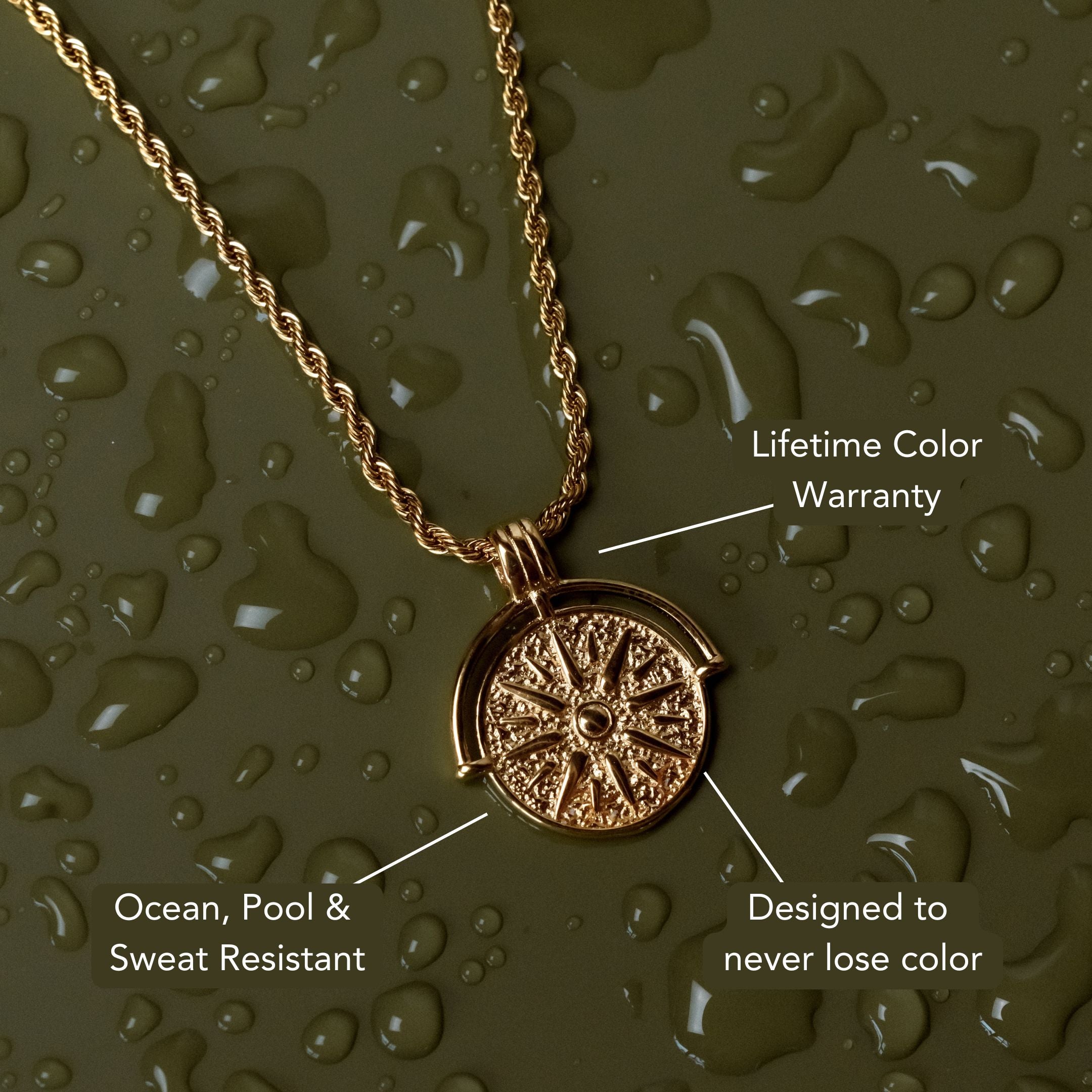
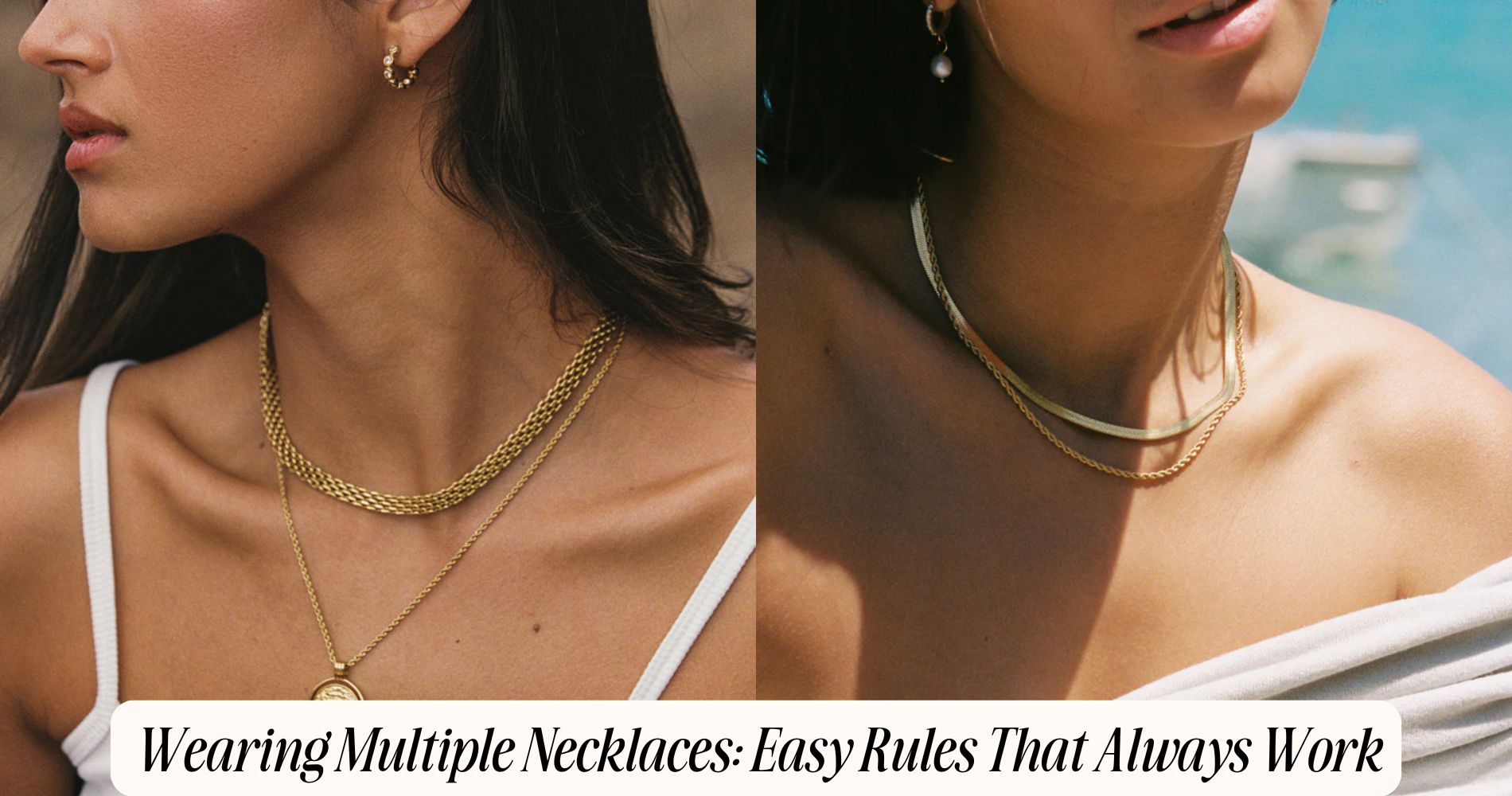
How to layer chains like a pro? Begin with intention by choosing two to three distinct chain textures—such as herringbone, cable, or rope—and stagger their lengths by 1–2 inches. Anchor the stack with a subtle choker or collarbone-grazing chain, layer in a mid-length piece, and finish with a focal pendant. Mix metals sparingly by matching sheen levels and repeating tones for cohesion. Align lengths to your neckline, keep spacing clean to avoid tangles, and wipe chains after wear. For everyday ease and durability, Waterproof Necklaces make layering effortless while maintaining shine. Want pro-approved combos, neckline maps, and care tricks next?
Understand Chain Types and Textures
Start with the basics: know your chain styles and how they read on the neck. Spot the sleek shine of a box chain, the airy drape of cable, the fluid slink of snake, the bold geometry of Cuban, and the textured pop of rope.
Mix weights so your stack looks intentional, not noisy.
Prioritize chain materials. Solid gold resists tarnish and feels substantial; gold‑filled balances cost and durability; sterling silver brings cool sheen; stainless gives edge and toughness; titanium stays ultralight.
Match finishes—high polish, satin, or hammered—to control glare and contrast.
Layer textures, not just shapes. Pair a smooth snake with a ridged rope, or a flat herringbone with a minimal cable.
Add one focal link for character. Keep proportions clean so each chain styles moment stands out.

Choose the Right Lengths for Your Neckline
While silhouettes shift with trends, the rule holds: map chain lengths to your neckline.
Start by reading your neckline shapes—crew, V, scoop, turtleneck, square—and set chain placement to echo or counter them. For a crew neck, aim a 16–18" collarbone grazer, then drop to 20–22" for definition.
With a V-neck, mirror the angle: a 16–18" pendant landing at the V, then a 20" line to elongate.
Scoop necks love a 14–16" choker plus 18–20" to frame skin. Turtlenecks need drama: 22–30" to break the knit.
Square necks favor a 15–17" straight-across piece and an 18–20" arc.
Keep pendants from snagging by staggering lengths one to two inches. Test movement, sit, stand, and adjust until each tier lands clean.
Build a Balanced Base Layer
Two pieces anchor everything: a snug choker or collarbone grazer plus a medium chain with subtle presence. Treat them as your foundational pieces—reliable, clean, and proportioned.
Keep the choker minimal: a flat herringbone, slim curb, or micro tennis. Let the second chain be slightly longer with a quiet texture—rope, box, or figaro—so it frames without shouting.
Aim for balance: one sleek, one softly dimensional. Match scale to your frame; petite necks favor finer gauges, broader builds handle a touch more heft.
Prioritize comfort—no pinching, no twisting. Test movement; the pair should sit smoothly without tangling. Choose base layer styles that complement your daily wardrobe, from tees to blazers.
When these two feel effortless, you’re ready to stack upward with confidence.

Mix Metals With Intention
Even if you’re loyal to one tone, blend metals on purpose, not by accident. Start with your dominant metal, then introduce a secondary finish in smaller doses. Use mix metal techniques that repeat: echo gold once more if you introduce it to silver.
Keep spacing clean so each tone reads. Aim for intentional contrasts—warm gold against cool silver, or sleek steel beside rosy vermeil.
Match sheen levels so nothing looks off: high-polish with high-polish, brushed with brushed. Align chain weights; one bold link can anchor two finer strands in another metal.
Coordinate undertones with your skin—champagne gold flatters neutrals, bright silver pops on cool complexions. Cap it at two to three metals max. Edit ruthlessly; if a tone fights the look, remove it.
Play With Pendants and Focal Points
Because a single detail can steer the whole stack, choose one pendant as the hero and build around it. Make that piece your focal point and let every other chain support it.
Decide on pendant placement first: collarbone, sternum, or just above the neckline. Lock the hero there, then stagger shorter and longer chains to lead the eye toward it.
Keep motifs cohesive. Pair a sharp geometric charm with sleek links; match an organic talisman with softer textures.
Double-check scale and silhouette without drifting into proportion talk. Avoid competing stories—skip multiple statement pendants. If you want variety, add a slim bar, tiny tag, or initial to echo the main theme.
Finish with intentional spacing so pendants don’t clash, tangle, or steal attention from your chosen focal point.
Balance Proportions: Delicate vs. Chunky
While bold chains bring attitude, you’ll get polish when you contrast them with something finer. Start with one statement link, then offset it with two delicate chains to create visual balance.
Think proportion play: heavy texture needs airier lines, short weight needs longer lift. Place chunky chains closest to the collarbone, then trail slimmer strands below to elongate your neckline and keep style harmony.
Use clear layering techniques: vary gauge, length, and finish. If your chunky chains are wide, pick silky cable or whisper-thin box links for contrast. If your delicate chains carry sparkle, keep the bold piece matte to avoid competition.
Repeat a metal tone or motif once to tie everything together. Edit ruthlessly—three to four layers deliver impact without overwhelm.

Prevent Tangles With Smart Spacing
Skip the knot drama by giving each chain its lane. Aim for 0.5–1 inch between layers for reliable tangle prevention. Stagger lengths: choker, princess, matinee, then longer. Use varied weights and textures so links don’t grip each other. Mix finishes—high polish next to satin—friction drops, movement improves.
Employ spacing techniques at the clasp. Attach extenders to fine chains and shorten heavier ones so drops don’t overlap. Clip chains to different jump rings on a multi-clasp connector to lock the order. If you’re using charms, offset pendants so they don’t collide at the sternum.
Keep chains clean and flat before you put them on. Detangle first, then layer from shortest to longest.
Finally, do a shoulder roll test—if they slide freely, you’re set.
Layer for Different Necklines and Outfits
You’ve spaced and staggered; now make your layers work with what you’re wearing. Match your neckline first. V-necks like a short pendant pointing into a mid-length cuban; add a longer, slimmer chain to finish the line.
Crew necks need a tight choker plus one or two longer strands that clear the collar. Deep scoops welcome graduated lengths that mirror the curve. Button-downs? Pop the top button and stack a collarbone-hugging chain with a pendant that lands between buttons.
For chic casual looks—tees, knits, denim—mix textures: rope with figaro, delicate with bold. Keep three layers max.
For formal elegance, streamline: two refined chains, one focal pendant, balanced spacing. With blazers, let a mid-length anchor peek under the lapel. Strapless? Center a statement, flank with subtle tiers.
Consider Skin Tone and Metal Finishes
Because metal sits against your skin, treat tone like a filter. Identify your skin undertones first: warm, cool, or neutral. If you read warm, lean into warm metals—yellow gold, bronze, champagne-plated pieces.
Cool undertones shine with cool metals—silver, platinum, white gold. Neutral? Mix confidently.
Match metal color across layers for cohesion, or alternate deliberately for contrast. Check chain compatibility: pair sleek snake or herringbone with textured rope or paperclip to balance reflective qualities.
Compare finish types—high polish pops, satin softens, matte grounds a stack. Keep one dominant tone so the eye lands.
Test in daylight and indoors; your pieces should flatter you and your personal style, not fight it. When in doubt, anchor with your most-worn metal.
Care and Storage for Layered Chains
Now that your metals play nicely together, keep them that way with smart care. Handle chains last when getting ready to avoid lotion, perfume, and hairspray buildup.
After wear, wipe each strand with a soft, lint-free cloth. For cleaning techniques, use mild soap, lukewarm water, and a gentle brush; pat dry fully to prevent tarnish. Skip harsh chemicals on plated pieces.
Untangle before storing. Clip clasps to the last link to maintain shape. Choose storage solutions that separate: felt-lined trays, anti-tarnish pouches, or a hanging organizer with individual hooks.
Keep silica gel or anti-tarnish strips nearby. Don’t pile layers; coil each chain loosely, then bag it. Travel smart: use a straw or card to thread delicate chains.
Rotate wear to reduce friction and micro-scratches.
Frequently Asked Questions
How Do I Layer Chains With Hearing Aids or Over-Ear Headphones?
Wear shorter, flat chains above your collarbone, keep longer pieces below headphone bands. Prioritize lightweight metals, smooth links, and chain adjustments at clasp. Test audio compatibility: avoid clinks near mics. Secure with magnetic clasps, stagger lengths, and skip bulky pendants.
What Chain Layers Work Best for Sensitive or Allergy-Prone Skin?
Choose hypoallergenic materials like solid gold (14k+), platinum, titanium, or surgical steel. Avoid nickel to prevent skin irritation. Layer a choker, mid-length pendant, and longer chain. Keep finishes consistent, clean regularly, and test one piece before stacking.
Can I Layer Chains Safely During Workouts or Swimming?
Yes, but keep it minimal. Choose sweat resistant materials like solid gold, platinum, or titanium. Secure clasps, avoid tangling lengths, and skip pendants. For swimming precautions, rinse after chlorinated or saltwater dips, dry thoroughly, and store separately post-workout.
How Do I Style Layered Chains With Scarves, Turtlenecks, or High Collars?
Pair short, chunky chains over sleek turtleneck textures; tuck longer pendants beneath. With scarf styles, drape delicate chokers above the knot, let mid-length chains peek. Balance metals, vary thickness, avoid tangles, and anchor with one standout piece.
Are There Travel-Friendly Ways to Pack Layered Sets Pre-Assembled?
Yes—pre-assemble sets on a cardstock or felt strip, secure clasps with mini plastic wrap, then slide into a straw-roll or pill case. Use packing techniques like zip bags, anti-tarnish strips, and labeled chain organization sleeves.
Conclusion
You’ve got the tools—now layer with confidence. Start with a sleek base, stack contrasting textures, and play with length for movement. Mix metals intentionally, anchor with a pendant, and leave breathing room to prevent tangles. Match your chains to your neckline and outfit, and choose finishes that flatter your skin tone. Store flat or hung to keep them pristine. Edit before you exit the door. When in doubt, simplify. Your layers should look effortless—because they are.









コメントを書く
このサイトはhCaptchaによって保護されており、hCaptchaプライバシーポリシーおよび利用規約が適用されます。