

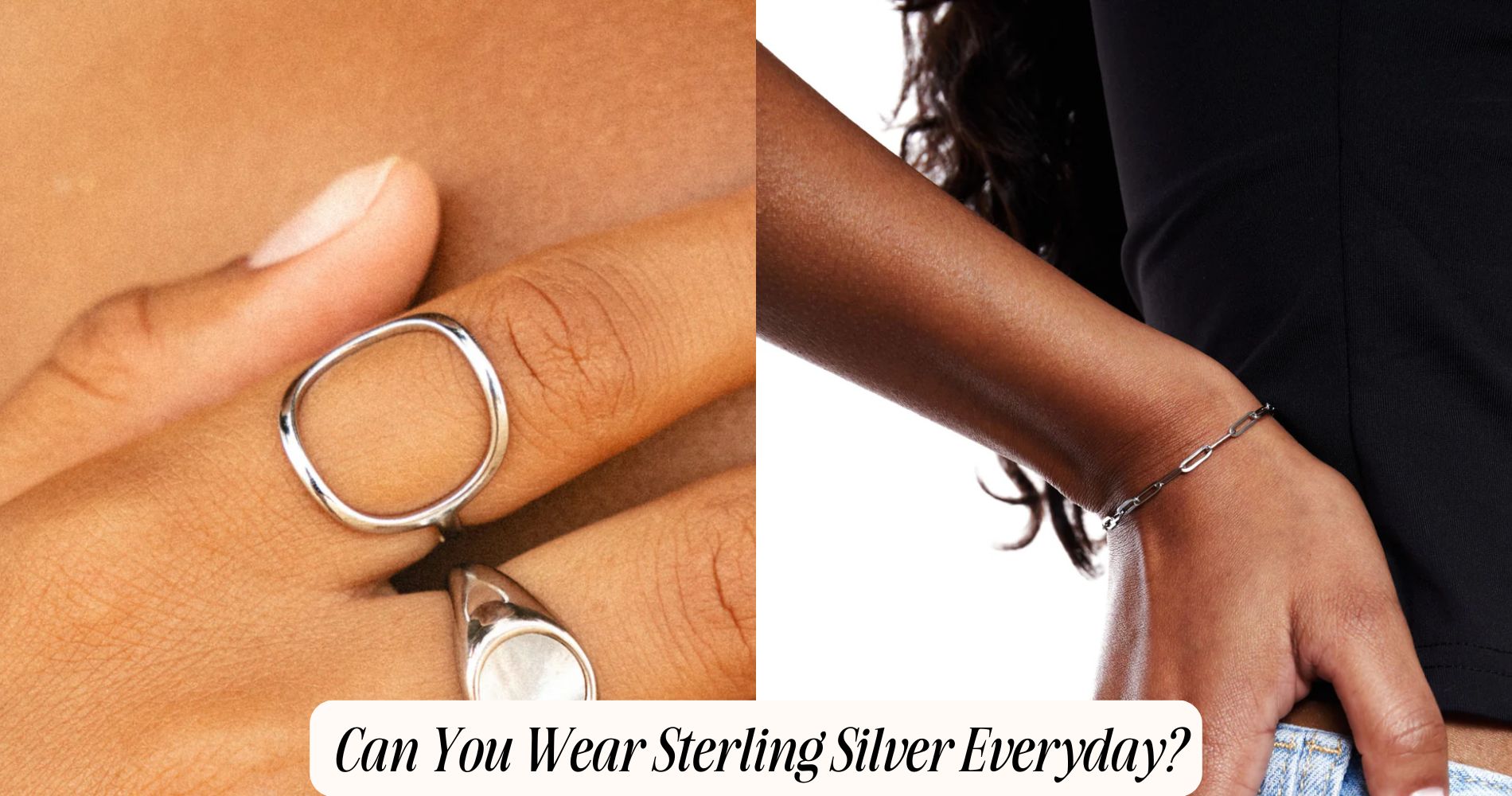
Can You Wear Sterling Silver Everyday?
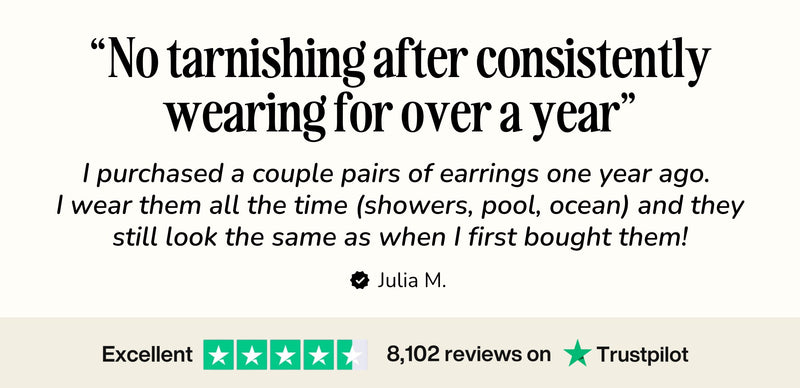
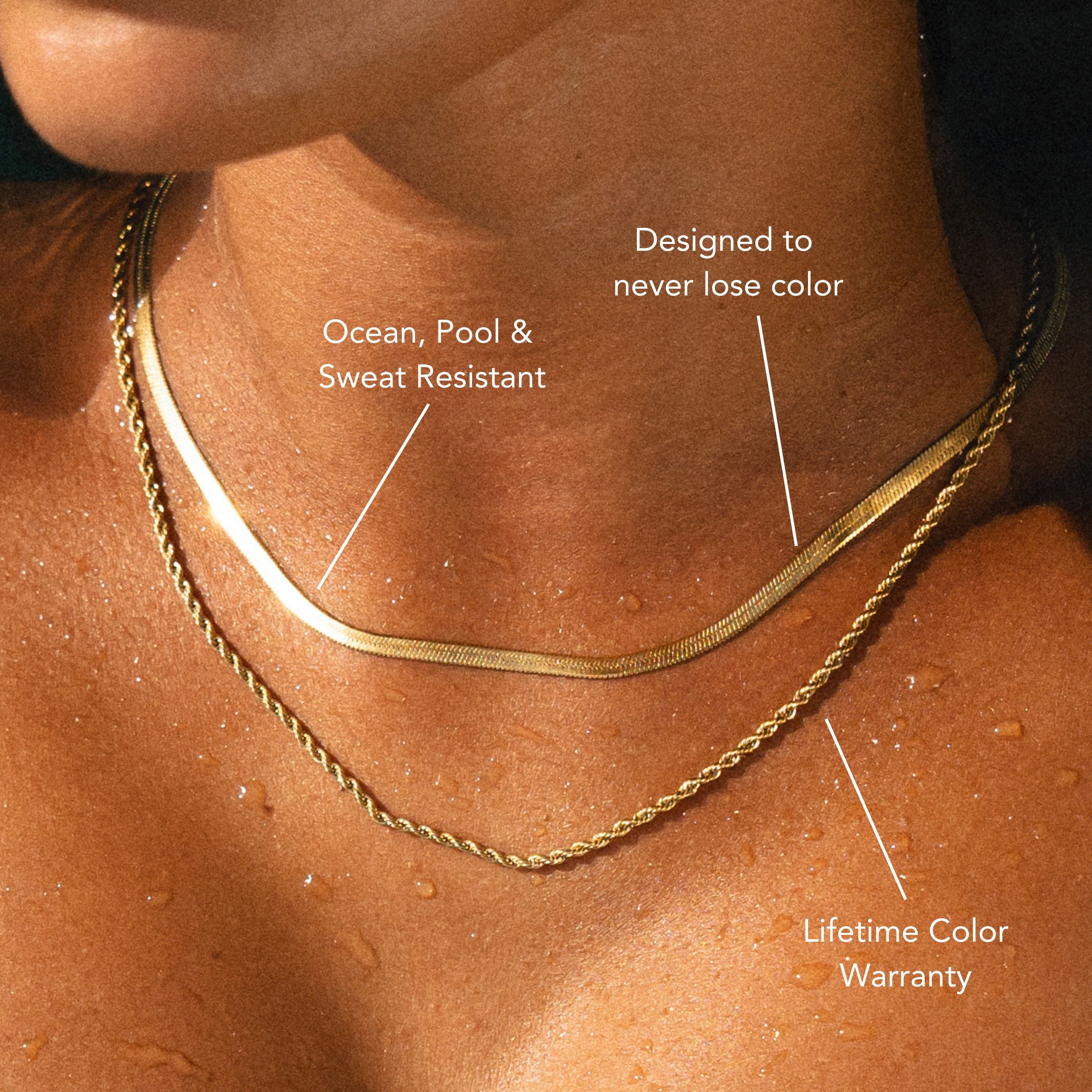
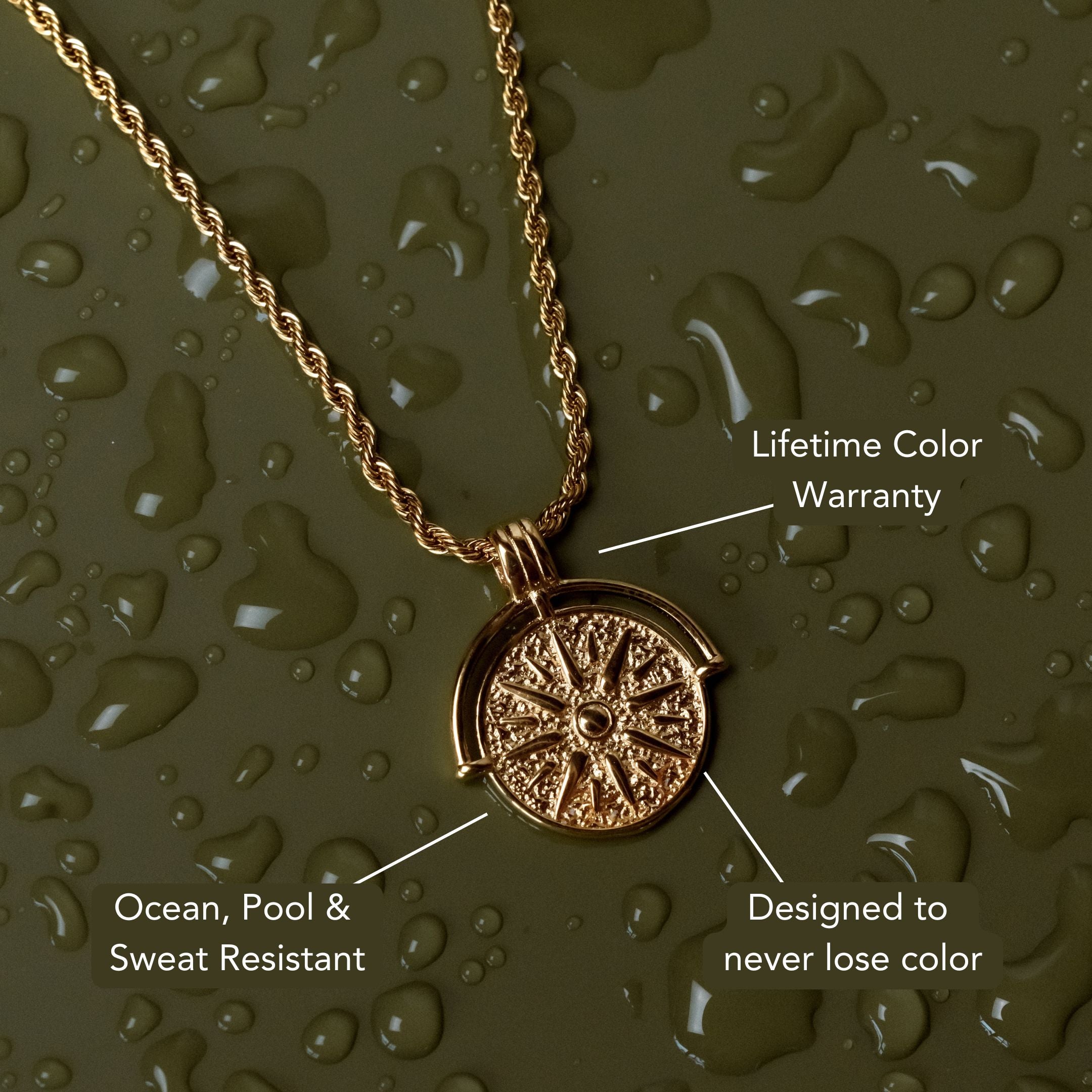
Can you wear sterling silver everyday? Yes—sterling silver (92.5% silver, stamped “925”) is suitable for daily wear when you manage tarnish and skin sensitivities. Sweat, lotions, chlorine, and sulfur accelerate oxidation, so remove pieces before swimming or cleaning, rinse after workouts, and apply skincare products first. If you’re sensitive, choose nickel-free alloys. Clean regularly with mild soap, a soft brush, and a polishing cloth, and avoid abrasives. Store silver dry in airtight bags with anti-tarnish strips. Opting for well-engineered pieces like Waterproof Jewelry can further reduce maintenance and help keep sterling silver looking bright day after day.
What Sterling Silver Is Made Of
Although it’s often called “silver,” sterling silver is an engineered alloy: 92.5% pure silver balanced with 7.5% other metals, most commonly copper.
You’ll see it stamped “925,” which confirms that composition breakdown. Pure silver is too soft for daily use, so the added metals increase hardness, scratch resistance, and shape retention without sacrificing luster.
Copper is favored for strength and workability; small additions of zinc, silicon, or germanium sometimes appear to refine casting or improve corrosion behavior.
Sterling’s historical significance matters, too. Medieval guilds standardized the 925 benchmark for coinage and fine objects, and that consistency still guides modern quality control.
When you evaluate a piece, verify the hallmark, ask for assay documentation if needed, and note any rhodium plating that can alter surface properties.
How Daily Wear Affects Tarnish
Because sterling silver reacts with sulfur compounds in air and on skin, everyday wear can either slow or speed tarnish depending on your routine.
Movement and gentle friction from clothing or your hands polish micro-oxidation, but sweat, lotions, perfumes, and household cleaners introduce oxidation factors that accelerate darkening.
Water chemistry matters: chlorinated pools, hot tubs, and high-sulfur tap water push corrosion.
For tarnish prevention, rinse pieces after workouts, pat dry thoroughly, and remove jewelry before swimming, cleaning, or applying products.
Rotate items so residues don’t build up. At day’s end, wipe with a nonabrasive polishing cloth and store in airtight bags with anti-tarnish strips.
Choose rhodium-plated or silicone-lined chains if you need lower maintenance. Consistent care stabilizes luster and minimizes tarnish between deeper cleanings.

Skin Sensitivity and Hypoallergenic Considerations
Daily wear habits don’t just influence tarnish; they also shape how your skin reacts to sterling silver. Sterling is 92.5% silver and 7.5% alloy—often copper, occasionally nickel. If you’re nickel-sensitive, verify the alloy content before buying.
Watch for skin reactions such as redness, itching, or blistering; they indicate contact dermatitis, not simple discoloration. Choose pieces labeled nickel-free or hypoallergenic, and favor high-polish finishes that reduce microscopic trap points for irritants.
If you’ve had issues with metal jewelry, pursue allergy testing to pinpoint triggers and guide safe choices. Opt for solid sterling from reputable makers, avoid mystery plating, and rotate wear to give your skin breaks.
Clean pieces regularly with a gentle cloth, and ascertain snug, smooth fittings that minimize friction-induced irritation.
Water, Sweat, and Chemicals: What to Avoid
While sterling silver handles everyday wear, it reacts quickly to moisture and chemicals, so plan when and where you wear it.
Minimize water exposure by removing pieces before swimming, showering, or washing dishes; chlorine, salt, and sulfur compounds accelerate tarnish.
Wipe sweat promptly after workouts to reduce sweat damage, since acids and salts pit the surface and darken it.
Apply lotions, sunscreen, perfume, and hairspray before putting jewelry on; let products fully absorb to avoid residue films.
Keep silver away from household cleaners, bleach, ammonia, rubber bands, and sulfur-rich foods like eggs.
After wear, rinse with lukewarm water, pat dry, then store in an airtight pouch with anti-tarnish strips.
Consistent cleaning prevents buildup and slows reactions, preserving luster and color.

Durability and Scratch Resistance in Everyday Use
Protecting sterling silver from moisture and chemicals helps preserve its surface, but everyday knocks and friction pose their own risks.
Sterling silver ranks around 2.5–3 on the Mohs scale, so it’ll scuff against harder materials like steel zippers, granite countertops, and sand. To minimize marks, use targeted scratch prevention techniques: put jewelry on last, remove it for tasks with tools or abrasive surfaces, and keep pieces from rubbing together by separating them on your body—stack with spacers, not metal-on-metal.
Adopt everyday wear strategies: choose satin or hammered finishes that disguise micro-abrasions; favor bezel-set stones that won’t catch; rotate high-contact pieces like rings; and size rings correctly to limit spinning.
For watches or bracelets, wear on your non-dominant hand to reduce impact.
Simple Care and Cleaning Routines
Even with careful wear, sterling silver stays bright when you stick to a quick, consistent routine. After each day, wipe pieces with a clean, dry microfiber or jewelry cloth to lift oils and sweat.
Once a week, use mild dish soap in warm water; gently suds with a soft brush, rinse thoroughly, and pat dry. For tarnish, apply a silver polishing cloth first; escalate to a vetted silver paste only when the cloth won’t restore luster.
Follow these cleaning techniques and maintenance tips: avoid toothpaste and abrasive powders, which scratch; keep chemicals off your jewelry—remove it before cleaning, swimming, or applying lotions and sunscreen.
Rinse immediately if exposed to sulfur-rich foods or chlorinated water. Finish by fully drying crevices to prevent moisture-driven tarnish.
Storage Tips to Keep Pieces Bright
Two simple rules keep sterling silver bright between wears: limit air exposure and separate pieces.
Store each item in zip-top bags or anti tarnish pouches, pressing out excess air before sealing. Choose sulfur-free, lignin-free tissue for wrapping chains to prevent kinks and micro-scratches. Keep pendants, rings, and earrings in individual compartments; hard gemstones can scratch softer silver if they touch.
Control humidity. Add silica gel packets or activated charcoal strips to drawers and check them monthly. Avoid bathrooms; temperature swings and steam accelerate tarnish.
Before storing, wipe pieces with jewelry polishing cloths to remove skin oils and residues. Close clasps and lay chains flat to avoid tangles. Label storage to streamline wear and reduce handling that transfers moisture.
When to Choose Sterling Silver vs. Other Metals
With smart storage handled, the next choice is fit-for-purpose metal. Use metal comparisons to match your routine, skin chemistry, and budget.
Pick sterling silver for everyday wear when you want versatility, moderate cost, and easy resizing. It suits cool undertones, polishes quickly, and complements most fashion choices.
Choose stainless steel if you’re hard on jewelry and need high scratch resistance with minimal upkeep.
Opt for white gold or platinum for heirloom pieces, higher prestige, and superior hypoallergenic performance; they also resist tarnish better.
If you swim, sweat heavily, or live in humidity, sterling silver needs regular cleaning; rhodium-plated silver adds durability.
Sensitive skin? Look for nickel-free alloys.
For statement color, consider yellow or rose gold.
For trend pieces, sterling offers style without overspending.

Frequently Asked Questions
Can Sterling Silver Be Worn During Sleep Without Damage?
Yes, you can sleep in sterling silver, but it’s not ideal. Your sleeping habits can cause snags, bends, or tarnish. Prioritize silver durability: remove delicate chains, secure clasps, avoid lotions, and clean regularly to prevent damage.
Do Anti-Tarnish Coatings Change Silver’s Appearance Over Time?
Yes, they can—subtly. Quality coatings initially preserve luster, but micro-abrasions and sulfide exposure shorten anti tarnish lifespan. You’ll notice silver appearance changes: slightly warmer tone, reduced brilliance, and uneven wear at edges. Re-coating or gentle polishing restores uniformity.
Will Sterling Silver Interfere With Fitness Trackers or Smartwatches?
Yes, sterling silver won’t interfere with most fitness trackers or smartwatches. Despite sterling silver conductivity, device sensors use optical/EM methods designed for skin contact. Confirm fitness tracker compatibility by avoiding metal bands near optical sensors, maintaining snug fit, and preventing moisture bridging contacts.
Is Sterling Silver Safe for New Piercings or Healing Ears?
No. For new piercings or healing ears, you shouldn’t use sterling silver. It can oxidize and trigger skin sensitivity, slowing piercing healing. Choose implant-grade titanium, niobium, or 14k–18k nickel-free gold; clean saline twice daily and avoid rotation.
Can Sterling Silver Trigger Airport Metal Detectors?
Yes, but it’s uncommon. Sterling silver’s low magnetic signature rarely alarms airport security. Detector sensitivity, jewelry size, and layered jewelry materials matter. Keep pieces minimal, remove bulky items, and place accessories in bins to avoid secondary screening or pat-downs.
Conclusion
Yes—you can wear sterling silver every day, as long as you’re smart about care. Know it’s 92.5% silver, so tarnish happens, especially with sweat, sulfur, chlorine, and cosmetics. Minimize exposure, rinse and dry after workouts or swimming, and remove pieces during cleaning. If you’ve sensitive skin, choose nickel-free, rhodium-plated, or anti-tarnish options. Expect light scratches with daily use. Clean regularly, store airtight with anti-tarnish strips, and choose sterling over fine jewelry when you want versatility, value, and durability.








%20is%20suitable%20for%20daily%20wear%20when%20you%20manage%20tarnish%20and%20skin%20sensitivities.%20Sweat,%20lotions,%20chlorine,%20and%20sul...)
コメントを書く
このサイトはhCaptchaによって保護されており、hCaptchaプライバシーポリシーおよび利用規約が適用されます。