



Can You Mix Silver and Gold Jewelry? Confident Style Rules
Can you mix silver and gold jewelry? You can absolutely mix silver and gold jewelry and still look polished—when you do it with intention. Choose one dominant metal (about 70%) and repeat each metal at least twice so your look feels curated rather than random. Layer necklaces at different lengths, stack rings and bracelets in balanced proportions, and match finishes (polished with polished) to keep the combination cohesive. Sync metals with your skin tone and outfit hardware, and you’ll see how easily mixed metals can elevate your overall style—especially when pairing silver pieces with designs from the Everyday Gold Jewelry collection.
Simple Rules for Mixing Silver and Gold Jewelry
When you mix silver and gold with intention, your jewelry stops looking “random” and starts reading as styled. You’re not breaking rules—you’re rewriting them with style confidence.
Begin by repeating a metal at least twice so your eye reads a pattern: silver hoops, gold pendant, silver rings. Keep silhouettes related; pair sleek snake chains with modern bands, or vintage-inspired lockets with textured stacking rings.
Watch proportions. If your necklaces are delicate, let your bracelets echo that same fine scale.
Limit your palette to silver, gold, and one accent detail—like black enamel or pearls—so everything feels edited, not chaotic. You’re aligning with current fashion trends, but your mix of cool silver and warm gold ultimately looks intentional, polished, and personal.
How to Choose a Dominant Metal When Mixing Silver and Gold
So how do you keep mixed metals looking elevated instead of messy? Start by choosing a dominant metal. Decide whether silver or gold will visually lead the look, then let the other act as an accent.
A strong rule of thumb: keep roughly 70% of your pieces in the dominant metal, 30% in the contrast.
Anchor that dominant metal in your most visible areas—your necklace stack, statement ring, or watch.
Then use smart mixing techniques: add slim bands, petite hoops, or delicate chains in the secondary metal to create intentional contrast, not competition.
Repeat each metal at least twice so nothing looks random. When your dominant metal is clear, silver and gold read curated, not chaotic.
Match Silver and Gold Jewelry to Your Skin Tone
Ever notice how some metal tones make your skin look lit-from-within while others fall flat? That’s your cue to lean on quick skin tone analysis before you mix metals.
Look at your veins in natural light: if they read blue or purple, you likely have cool undertones; green means warm; a mix suggests neutral.
Cool skin sings with icy sterling, bright white gold, and pale yellow gold.
Warm skin glows against rich yellow gold, champagne gold, and warmer silver finishes.
Neutral skin can flex both.
Then, zoom in on jewelry undertones.
Pair rosy, champagne, and buttery golds with warmer complexions; keep ultra-bright, almost-white metals and cool platinum tones near cooler skin.
When metals echo your undertones, mixed stacks look intentional, not chaotic.

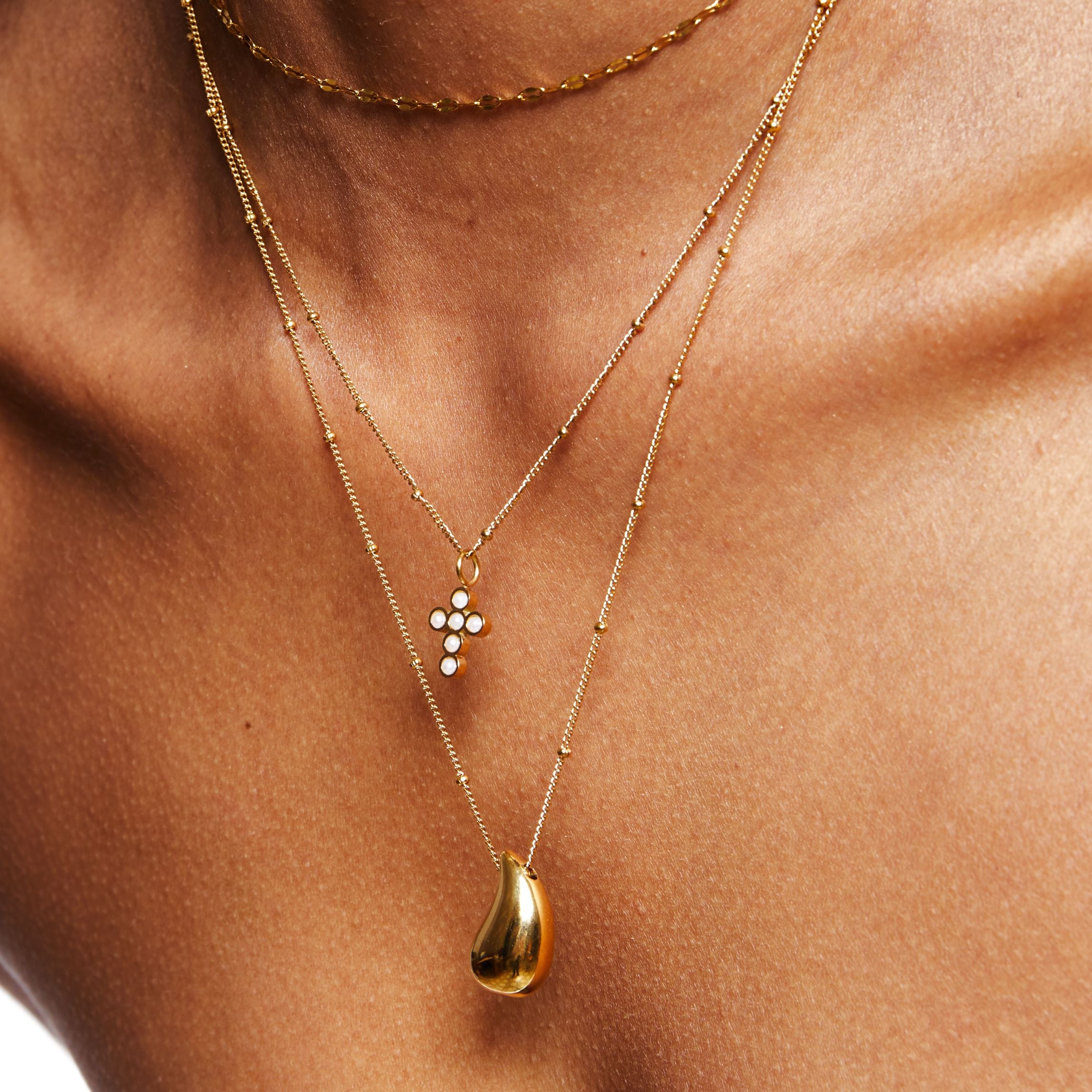
Layer Silver and Gold Necklaces Without Clashing
Once you’ve clocked which metals flatter your undertone, you can start stacking silver and gold at your neckline with intent.
Focus on layering techniques that feel curated, not chaotic. Anchor the look with one dominant metal, then thread in the other as an accent so your eye still reads a clear story.
Play with necklace lengths to create clean tiers: a short choker, a mid-length pendant, and a longer chain.
Let one bold focal piece shine, then support it with slimmer, understated strands in the opposite metal. Keep textures compatible—pair sleek snake chains with polished pendants, or mix one chunky Cuban link with finer cable chains.
Step back and edit; if a strand breaks the visual rhythm, remove it.
Stack Mixed Metal Rings and Bracelets Cohesively
Two simple zones—your hands and wrists—can make mixed metals look intentional or instantly messy. Start with color coordination: decide if you want silver dominant with gold accents or a true 50/50 mix. Then apply clear layering techniques.
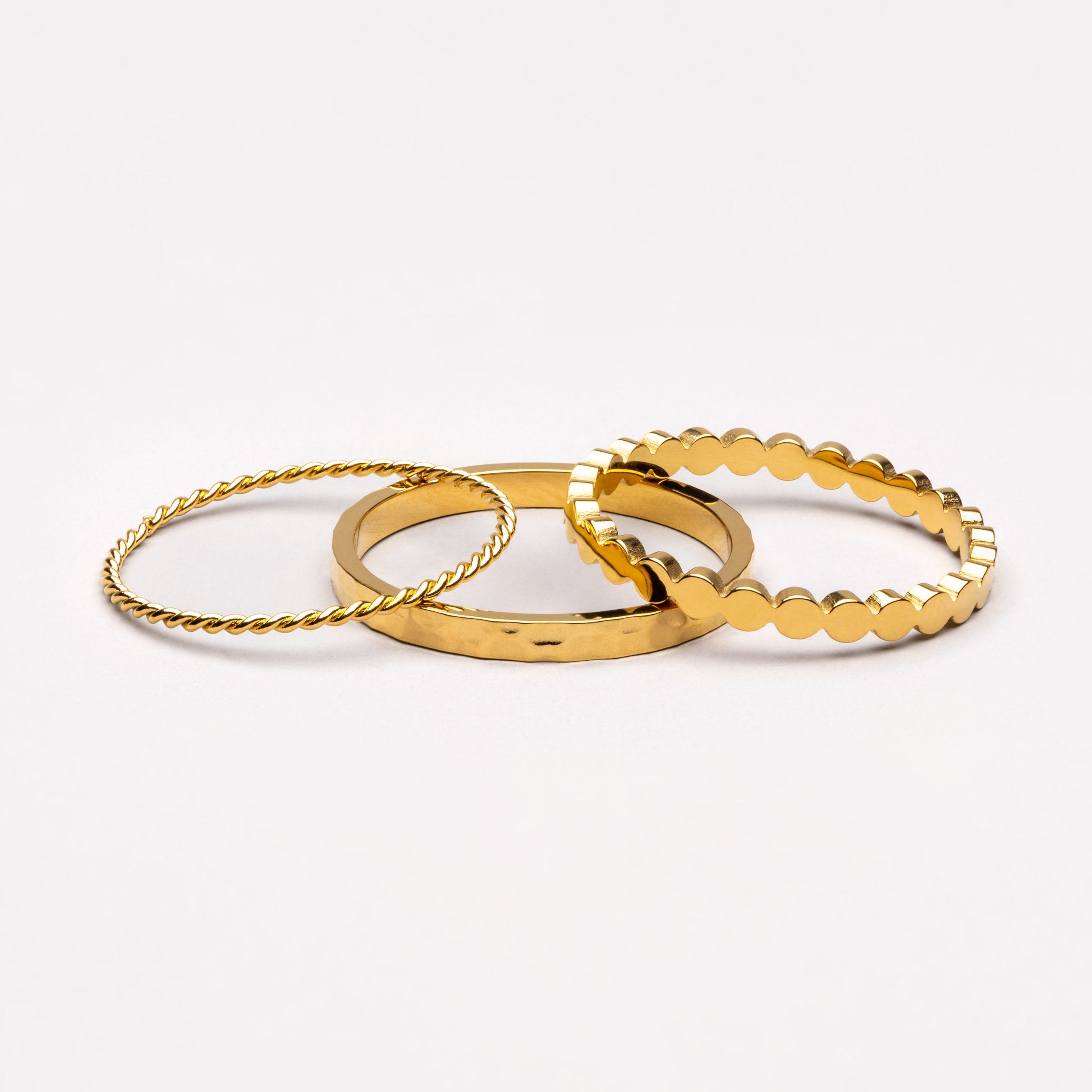
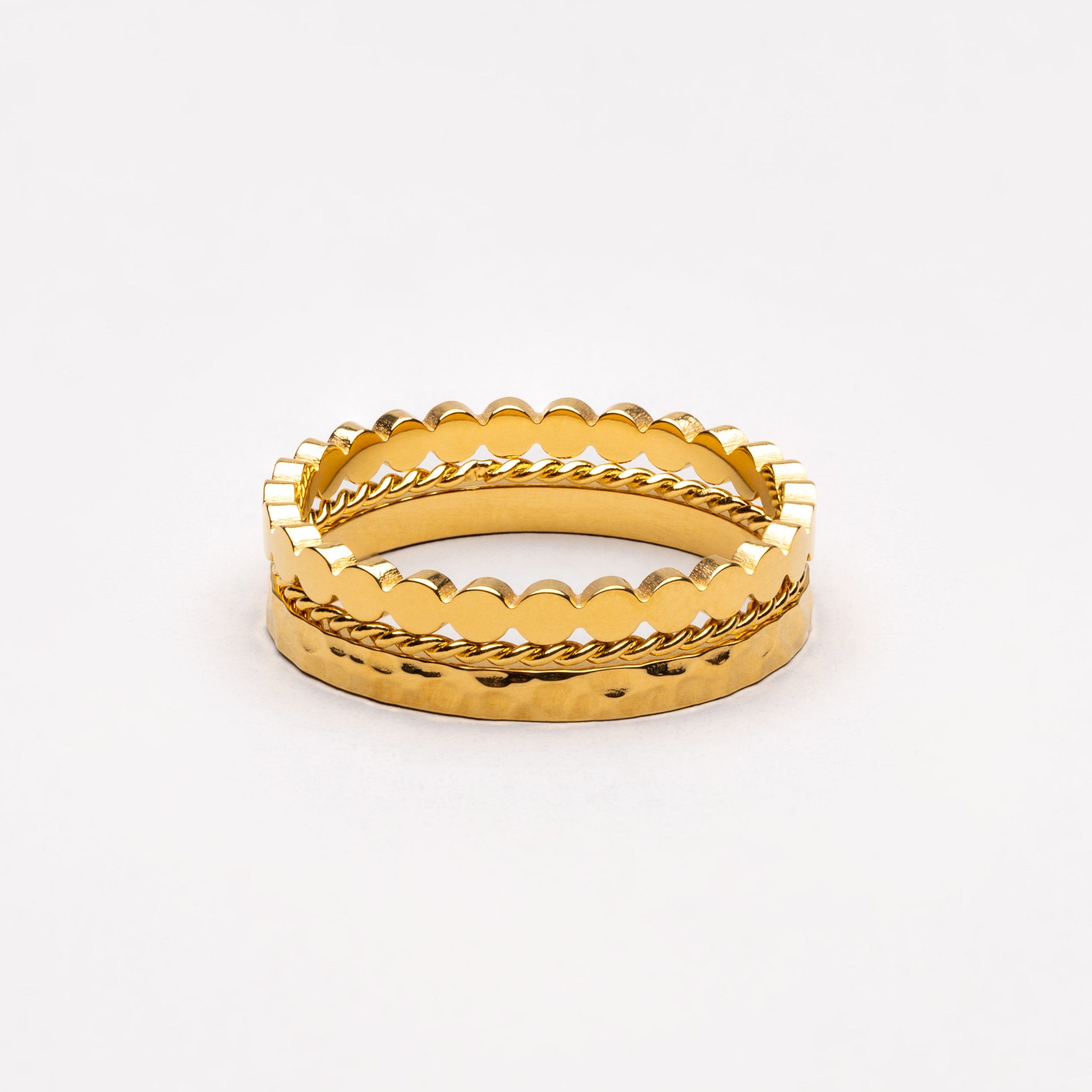
On your fingers, alternate metals by ring: gold band, silver midi, mixed-metal signet. Keep thickness balanced so one finger doesn’t feel visually heavier. Repeat the sequence on the other hand for cohesion.
For bracelets, stack from skin out: sleek metal bangle, textured chain, then a contrasting metal cuff. Echo one detail—like a hammered finish or geometric links—across both metals.
Leave at least one finger and a slice of wrist bare so the stacks breathe instead of looking crowded.

Use One Statement Piece to Anchor Your Mixed Metals
After you’ve balanced your rings and bracelets, you need a focal point that pulls every metal together. Choose one statement piece that clearly leads: a chunky two-tone chain, a medallion pendant framed in silver and gold, or a bold watch with mixed metal links.
This single hero sets the tone and keeps your jewelry balance intentional, not accidental.
Place that statement piece where the eye lands first—your neckline, wrist, or ears. Then, let everything else step back in scale and detail.
Repeat each metal from the focal piece at least once elsewhere so the mix feels deliberate. You’re not throwing metals together; you’re directing them, with one confident anchor defining the whole look.
Mix Silver and Gold for Casual vs. Dressy Outfits
Whether you’re in a vintage tee or a silk slip dress, the way you mix silver and gold should shift with the mood of your outfit. For daytime, lean into relaxed, casual pairings: a slim gold chain, a silver signet ring, and tiny hoops create easy layered styles that feel intentional, not fussy.
Keep pieces light, with mixed textures like brushed silver against polished gold for quiet interest.
For night, sharpen the contrast. Let bolder, dressy accents take over: a sleek gold cuff stacked with a cool-toned silver bangle, or sculptural earrings that frame your face with bold contrasts.
Here, a minimalist approach means fewer pieces, but stronger silhouettes—clean lines, high shine, and deliberate silver–gold interplay that reads refined, not busy.
Match Mixed Metal Jewelry to Your Outfits and Necklines
Once you’ve set the mood—casual or dressy—the next power move is matching your mixed metals to what you’re actually wearing, especially around the neckline.
Start with your top’s shape: deep V or plunge calls for a silver-and-gold Y-neck or lariat; crew necks work best with short, stacked chains and a bolder central pendant.
Use layering techniques to echo your outfit’s lines. Pair square necklines with structured, geometric links; match fluid satin or silk with fine, slinky chains in alternating metals.
Lean on sharp color coordination: cooler outfits (blacks, grays, jewel tones) let silver lead, with gold as the accent; warm palettes (camel, rust, cream) flip the script, using gold as the hero and silver as the highlight.
Common Mixed Metal Mistakes and How to Fix Them
Every stylish mixed-metal look can go sideways fast when balance, spacing, or finish get ignored. You overwhelm your features when you stack chunky gold and silver pieces at the same height. Fix it with intentional layering techniques: vary chain thickness, alternate metals, and stagger lengths so each piece has breathing room.
Another mistake is chaotic color coordination. When your metals fight with your skin tone or outfit hardware, everything looks noisy. Echo one dominant metal from belt buckles, zippers, or buttons, then use the other metal as an accent.
Clashing finishes also derail the look. Ultra‑shiny silver beside heavily brushed gold feels disjointed. Pair like with like—polished with polished, matte with matte—so your contrasts look curated, not random.
Build a Versatile Mixed Metal Jewelry Capsule Collection
After you understand what can sabotage a mixed-metal look, you can start building a jewelry capsule that works on autopilot.
Begin with anchors: a two-tone watch, a mixed-metal chain, and a pair of sleek huggies in contrasting metals. These become your daily base.
Add slim stacking rings in alternating silver and gold, plus one statement ring that fuses both.
Choose a delicate pendant in gold and a bolder silver chain so you can layer light over heavy.
Use smart jewelry storage—divide pieces by type, not metal—so you actually see your options.
Then rely on a few core styling tips: repeat each metal at least twice, vary textures, and keep one mixed piece tying everything together.

Frequently Asked Questions
Can I Mix Silver and Gold With Rose Gold or Other Colored Metals?
You can absolutely mix silver, gold, rose gold, and colored metals—just control color harmony. Layering techniques matter: stack delicate chains, repeat each metal at least twice, and anchor everything with one bold, visually dominant piece.
Does Mixing Silver and Gold Jewelry Affect Tarnishing or Maintenance Routines?
Mixing silver and gold doesn’t increase tarnish, but silver still darkens faster. For smart tarnish prevention, you’ll rotate pieces, store them separately in soft pouches, avoid moisture, and schedule regular polishing—core maintenance tips for a sharp, mixed-metal look.
Is It Okay to Mix Silver and Gold if My Engagement Ring Is Only One Metal?
Yes, it’s absolutely okay. You’ll actually highlight your ring by framing it with mixed metals. Play with intentional engagement ring styles—layer slender contrasting bands and keep proportions balanced so everything reads as deliberate metal harmony, not mismatch.
Can Men Mix Silver and Gold Jewelry, or Is It Mainly a Women’s Style Trend?
Men absolutely can mix silver and gold—it’s not limited to women at all. You highlight masculine aesthetics by stacking a gold signet with a silver chain, or pairing a steel watch and gold ring to emphasize bold personal expression.
Are There Cultural or Etiquette Rules Against Wearing Mixed Metal Jewelry at Formal Events?
You won’t break any universal cultural perceptions or etiquette guidelines by mixing metals at formal events. Just keep silhouettes sleek, proportions balanced, and finishes polished so your layered gold and silver reads intentional, luxurious, and dress-code appropriate.
Conclusion
When you mix silver and gold, you don’t break rules—you set them. Trust your eye, pick a dominant metal, then layer textures, chain widths, and finishes with intention. Let your skin tone guide your shine, match metals to necklines and outfits, and keep your capsule tight but versatile. Edit ruthlessly, then wear your stacks unapologetically. When your metals look deliberate, every bracelet, ring, and necklace reads as style—never as accident.









%20and%20repeat%20each%20meta...)
コメントを書く
このサイトはhCaptchaによって保護されており、hCaptchaプライバシーポリシーおよび利用規約が適用されます。