

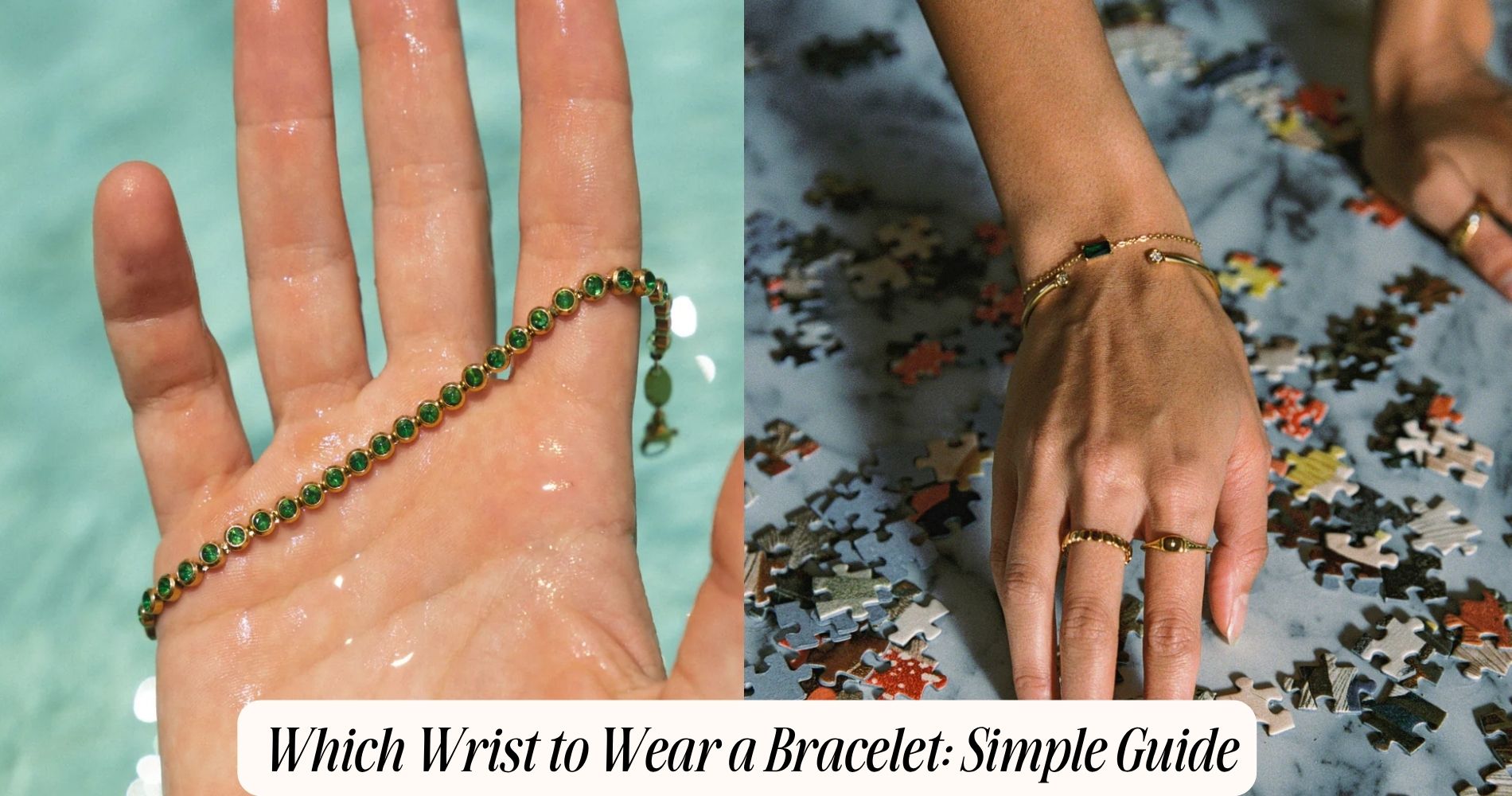
Which Wrist to Wear a Bracelet: Simple Guide
Which wrist to wear a bracelet? Wear a bracelet on whichever wrist feels most natural, but choose deliberately: use your dominant hand for bolder, more visible pieces and the non-dominant for subtle or sentimental items. Match size, metal, and color with any watch or smartwatch, letting one piece stand out as the focal point. When stacking, start with an anchor piece, vary sizes, and leave space for balance. Prioritize comfort, secure clasps, and skin-friendly materials—versatile options like those in the Everyday Bracelets collection make styling easier. Keep reading to learn practical pairing and stacking tips.
Which Wrist Should You Wear a Bracelet On?
Still, personal preference matters—if it feels right on your dominant side, go for it.
Consider cultural significance: some traditions assign meaning to left or right wrists, so respect those cues when relevant.
Factor in occasion appropriateness; for formal events, choose subtle placement and lighter pieces, while casual settings allow stacked looks on either wrist.
Balance comfort with intent—practicality wins for daily wear, symbolism for ceremonies.
Ultimately, you decide within social context: observe customs, prioritize function, and let your personal style guide wrist choice with quiet confidence.

Pairing Bracelets With a Watch or Smartwatch
When you're wearing a watch or smartwatch, pair bracelets to complement its size, color, and function so the combination looks intentional rather than cluttered.
Choose one focal piece—either the watch or a standout bracelet—and let the rest support it. For metal watches, match or subtly contrast metals for clean watch compatibility; for sport smartwatches, pick minimalist bands that echo its tech aesthetic.
Use style contrast sparingly: a leather cuff beside a slim metal band adds edge without competing. Keep proportions balanced—thin bracelets suit large faces, bolder pieces work with smaller watches—and maintain functional comfort so sensors and clasps aren't obstructed.
Ultimately, aim for a curated wrist that reads cohesive, practical, and confidently styled.
Bracelet Stacking Tips: How to Layer Without Clutter
Start with a clear anchor piece—one bracelet that sets the tone—and build around it so your wrist looks deliberate, not accidental.
Choose one dominant texture or metal, then add contrast with thinner chains, a bead strand, or a leather band to create rhythm without clutter.
Use layering techniques that vary scale: mix a chunky cuff with delicate links and a small charm bracelet to keep balance.
Pay attention to color coordination; pick a palette of two to three complementary hues and repeat them subtly across pieces.
Space items so each breathes—avoid squeezing everything at the wrist bone.
Finish with intentional asymmetry: mirror one side subtly, but let the other feel curated, not crowded.

Bracelet Meanings by Wrist: Western, Eastern, Relationship Cues
Layering choices also send signals beyond style—where you wear a bracelet can carry cultural and relational meaning.
In Western contexts, wearing on the dominant hand often reads as bold personal expression; the non-dominant suggests subtlety or tradition.
In many Eastern cultures, wrist placement can have explicit cultural significance tied to spirituality, gender norms, or rites of passage—so you’ll want to be aware and respectful when adopting those signals.
Relationship cues also vary: a bracelet on the left wrist may be interpreted as intimacy or attachment in some circles, while right-side placement can signal independence or friendship.
Ultimately, you control the message. Choose a wrist with intent, honor cultural nuances, and let your bracelet reflect authentic personal expression rather than accidental signaling.
Comfort & Safety: Fit, Materials, and Activity Tips
Although a bracelet can elevate your look, it should never compromise comfort or safety—so fit, materials, and your activities matter. You’ll want precise fit adjustment: a bracelet should slide over your hand but not spin wildly or pinch when you move.
For material selection, choose hypoallergenic metals or textiles if your skin’s sensitive, and prefer durable clasps for daily wear.
Consider activity considerations: remove delicate pieces for exercise, cooking, or manual tasks to avoid damage or injury.
Adopt simple safety measures—secure clasps, avoid loose charms near machinery, and store fragile items separately.
When you match fit, materials, and activities thoughtfully, your bracelet becomes both stylish and sensible, ready for every wrist and routine.

Frequently Asked Questions
Can Men Wear Traditionally Feminine Bracelet Styles?
Yes — you can wear feminine styles; you’ll adapt them to your vibe. Mix textures, scale, and color to suit men's fashion, confidently breaking norms while keeping proportions balanced and your overall look intentional and polished.
How Do Cultural Bracelet Customs Vary Globally?
You'll find cultural significance shaping regional styles: some cultures use bracelets for status, rites, or protection, while others favor decorative fashion. You’ll notice materials, motifs, and worn wrist vary, reflecting history, religion, and social roles.
Are Magnetic Bracelets Effective for Pain Relief?
No, magnetic therapy hasn't proven reliably effective for pain management; you shouldn't expect consistent relief. Some users report placebo benefits, but robust clinical evidence's lacking, so prioritize evidence-based treatments and consult your healthcare provider.
How Should Children Wear Bracelets Safely?
You should fit bracelets snugly, supervise wear, and remove them for sleep, sports, or water; choose non-toxic, breakaway, soft bracelet materials and avoid small parts to guarantee child safety and prevent choking or skin irritation.
Can Bracelets Trigger Metal Detector Alarms?
Yes — metal detectors can react to certain bracelet materials. You’ll trigger alarms if your bracelet contains ferrous or large metal components; nonmetal or small, thin pieces usually pass unnoticed, but security discretion varies.
Conclusion
Whichever wrist you choose, wear your bracelet with confidence — there’s no single rule that beats comfort, balance, or personal meaning. Match metals and proportions to your watch, stack thoughtfully to avoid bulk, and let cultural or relationship cues guide symbolism if they matter to you. Prioritize proper fit and skin-friendly materials for safety during activity. Ultimately, pick the wrist that feels right, complements your look, and reflects how you want to present yourself.









Leave a comment
This site is protected by hCaptcha and the hCaptcha Privacy Policy and Terms of Service apply.