

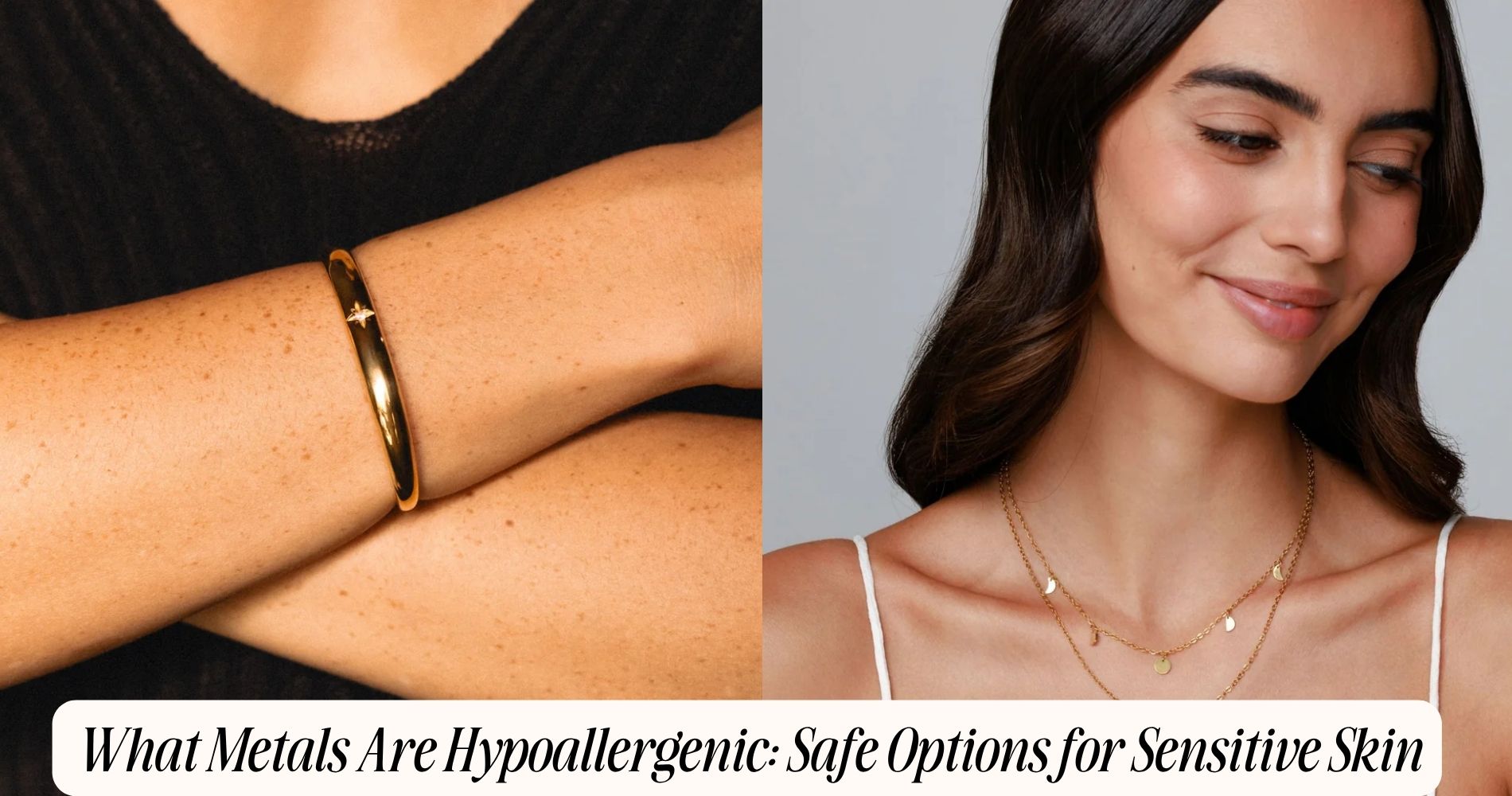
What Metals Are Hypoallergenic: Safe Options for Sensitive Skin
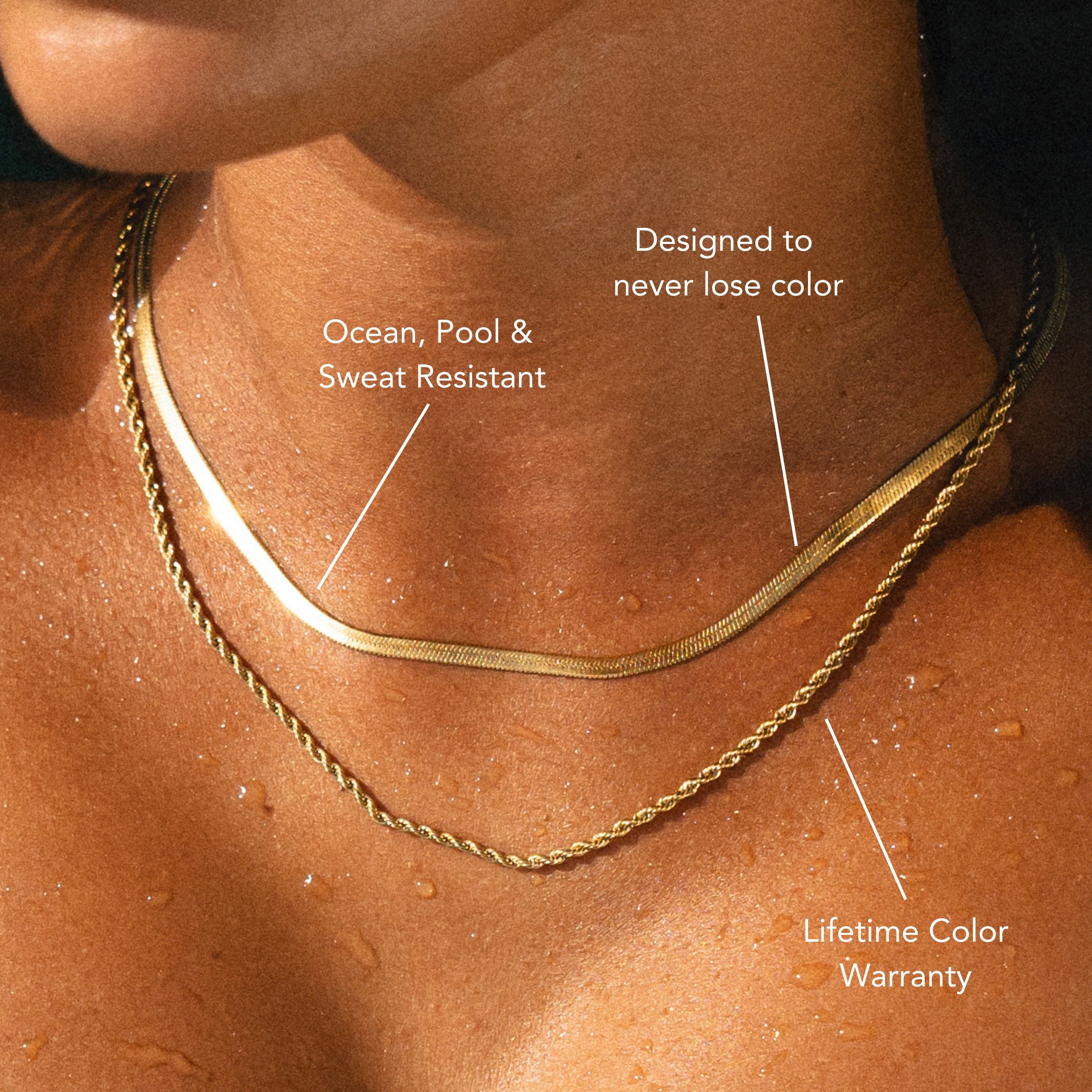
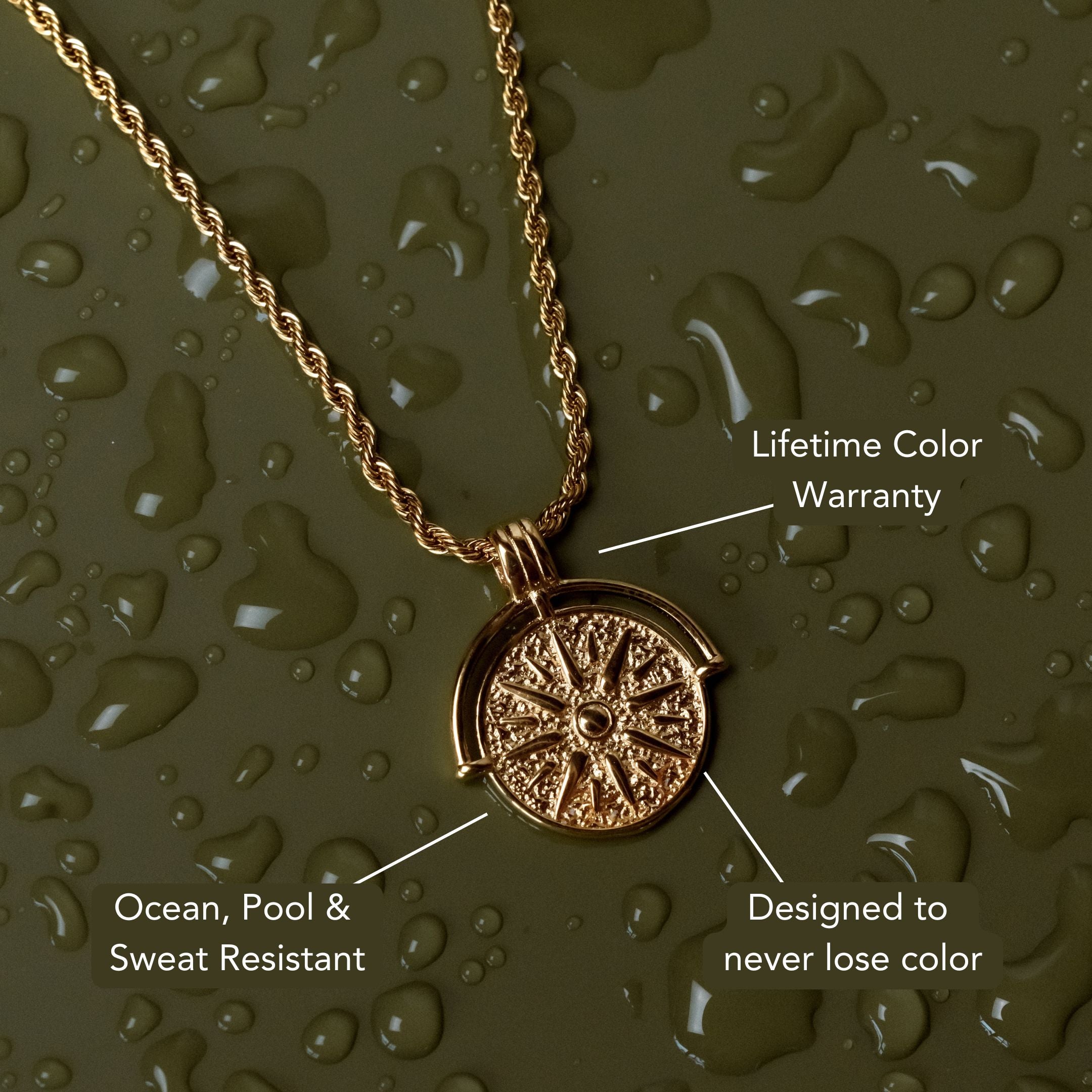
What metals are hypoallergenic? You should choose proven low-reactivity metals—titanium, niobium, implant-grade stainless steel (316L/316LVM), platinum, palladium, or high-karat gold (18K+)—as they release minimal ions and have low rates of skin reactions. Avoid lower-karat gold, nickel-containing alloys, plated pieces, and uncertified metals that may cause irritation. Always verify material quality and consider patch testing if you have sensitive skin. For easier everyday wear, options like those in the Hypoallergenic Necklace collection are designed with comfort and skin safety in mind.
Quick Answer: Best Metals for Sensitive Skin
If you need a concise, evidence-based recommendation, choose titanium, surgical-grade stainless steel (316L or 316LVM), niobium, or high-karat gold (18K+); these metals show the lowest rates of allergic contact dermatitis in clinical studies and are widely used for implants and jewelry for sensitive skin.
You should prefer titanium or niobium for primary piercings and long-term implants because they resist corrosion and release minimal ions. Surgical-grade stainless steel is acceptable when labeled 316L/316LVM; it’s cost-effective and durable.
High-karat gold reduces alloyed metals that trigger reactions, but verify purity. For patients seeking copper alternatives, advise commercially pure metals rather than plated items.
Emphasize regular jewelry maintenance—cleaning, avoiding abrasives, and replacing degraded pieces—to minimize exposure risk.

Why Metals Cause Allergic Reactions (Nickel, Alloys, Coatings)
Having selected metals like titanium or high‑karat gold to reduce risk, you should understand why some metals trigger allergic contact dermatitis: small amounts of metal ions released by corrosion or wear bind to skin proteins and form hapten–protein complexes that activate T‑cells in sensitized individuals.
You’ll find nickel is the most common sensitizer; its ionic form readily penetrates stratum corneum and interacts with peptides, provoking memory T‑cell responses. Alloying alters metal composition and can increase ion release if less noble elements are present or galvanic corrosion occurs.
Surface coatings may reduce immediate exposure but can wear, crack, or permit ion diffusion. Clinically, diagnosis relies on history and patch testing; management prioritizes avoidance of offending metals, selection of inert alternatives, and monitoring for persistent dermatitis.
Top Hypoallergenic Metals: Titanium, Niobium, Surgical Stainless Steel
Metals such as titanium, niobium, and medical‑grade stainless steel are widely used because they release minimal allergenic ions and show strong corrosion resistance under physiologic conditions.
You’ll find titanium benefits include excellent biocompatibility, low ion release, and high strength-to-weight ratio, which reduce contact dermatitis risk and suit implants and piercings.
Niobium properties—chemical inertness and stable oxide layer formation—make it highly tolerated; it’s often anodized for color without increasing allergenicity.
Medical‑grade stainless steel (e.g., 316L, 316LVM) contains minimal free nickel due to passive chromium oxide films, and has extensive clinical data supporting low sensitization when surface-polished and maintained.
For sensitive skin, choose certified implant-grade alloys, verify finish and provenance, and consult patch testing for prior reactions.

Precious Metals That Usually Work: Platinum, 18K+ Gold, Palladium
Because they release very low amounts of allergenic ions and form stable passive surfaces, certain precious metals—notably platinum, high‑karat gold (18K and above), and palladium—are generally well tolerated in jewelry and implants.
You’ll find platinum benefits include exceptional corrosion resistance and chemical inertness, reducing contact dermatitis risk; its dense, nonporous oxide-free surface limits ion release.
With gold purity, choose 18K+ to minimize base‑metal alloys that often provoke reactions; higher gold content correlates with lower allergen exposure.
Palladium exhibits similar clinical performance to platinum in many alloys, offering low reactivity and good mechanical properties for small devices.
In practice, select certified alloys and reputable manufacturers; if you have known metal sensitivities, request compositional analysis or hypoallergenic certification before prolonged skin contact.
Metals to Avoid If You’re Nickel-Sensitive
While platinum, high‑karat gold, and palladium tend to release minimal allergenic ions, many commonly used alloys still pose a clear risk for people with nickel sensitivity.
You should avoid lower‑karat gold (10K–14K), white gold, and many base metal alloys because they often contain free nickel that increases nickel exposure and provokes contact dermatitis.
Costume jewelry, plated pieces, and cheap stainless steels (type 304) can leach nickel under sweat or abrasion, raising local ion release.
Copper‑nickel and nickel silver alloys are frequent culprits in clinical reports of persistent skin reactions.
For occupational or daily‑wear items, assume any alloy labeled “nickel‑containing” or unlabeled inexpensive metal may cause symptoms.
Prioritize documented nickel‑free certifications when selecting metals.

How to Pick, Test, and Care for Hypoallergenic Jewelry and Everyday Items
If you have nickel sensitivity, choose items with documented low‑ion release and inspect labels and certifications before purchase. Clinical testing shows that certified nickel‑free, surgical‑grade titanium (grade 1–4), platinum, and 18K+ gold reduce the risk of contact dermatitis.
When choosing earrings, prefer posts stamped with metal grade or provided with manufacturer test reports. For testing rings and other items at home, use a reliable spot test for nickel release (dimethylglyoxime) following instructions; positive results indicate clinically relevant exposure.
Clean and dry jewelry regularly with nonirritating cleaners and store separately to avoid galvanic corrosion. For sustained wearables (watches, belt buckles), request vendor corrosion and leach testing data.
If you develop dermatitis despite precautions, stop use and consult dermatology for patch testing and management.
Frequently Asked Questions
Can Metal Allergies Develop Later in Life?
Yes — you can develop metal sensitivity later in life; repeated exposure may trigger allergic reactions via immune sensitization, so clinicians monitor symptoms, confirm with patch testing, and recommend avoiding implicated metals when reactions occur.
Are Hypoallergenic Metals Safe for Piercings?
Yes — hypoallergenic metals are generally safe for piercings if you choose proper piercing materials like implant-grade titanium or niobium, follow strict jewelry care, monitor healing, and consult a clinician for reactions or delayed allergies.
Do Sweat and Saltwater Increase Allergic Reactions?
Yes — sweat sensitivity and saltwater irritation can worsen reactions. You’ll experience increased corrosion, ion release, and skin inflammation from salts and moisture, so avoid vulnerable alloys and clean and dry pierced areas promptly to minimize risk.
Can Children Be Tested for Metal Allergies?
Yes — you can test children for metal allergies; clinicians use patch testing and blood assays as testing methods, monitor metal allergy symptoms like rash, itching, swelling, and adjust diagnostics for age, skin sensitivity, and exposure history.
Are Implanted Medical Devices Hypoallergenic?
Yes — implanted medical devices can be hypoallergenic: you’ll often receive titanium implants, which are highly biocompatible, while stainless steel may provoke reactions in nickel‑sensitive patients, so clinicians choose materials based on allergy testing.
Conclusion
You can confidently choose items made from titanium, niobium, platinum, palladium, surgical-grade stainless steel (with low nickel release), or 18K+ gold to reduce allergic risk—these materials show low ion release and are supported by dermatology studies. Avoid unknown alloys and nickel-plated items; get patch-tested if reactions persist. Clean and dry jewelry, avoid abrasive polishing that exposes alloys, and ask vendors about composition or certification to guarantee long-term tolerability for sensitive skin.









,%20platinum,%20palladium,%20or%20high-karat%20gold%20(18K+)%E2%80%94as%20they...)
Leave a comment
This site is protected by hCaptcha and the hCaptcha Privacy Policy and Terms of Service apply.