

What Is Purple Birthstone: Complete Guide
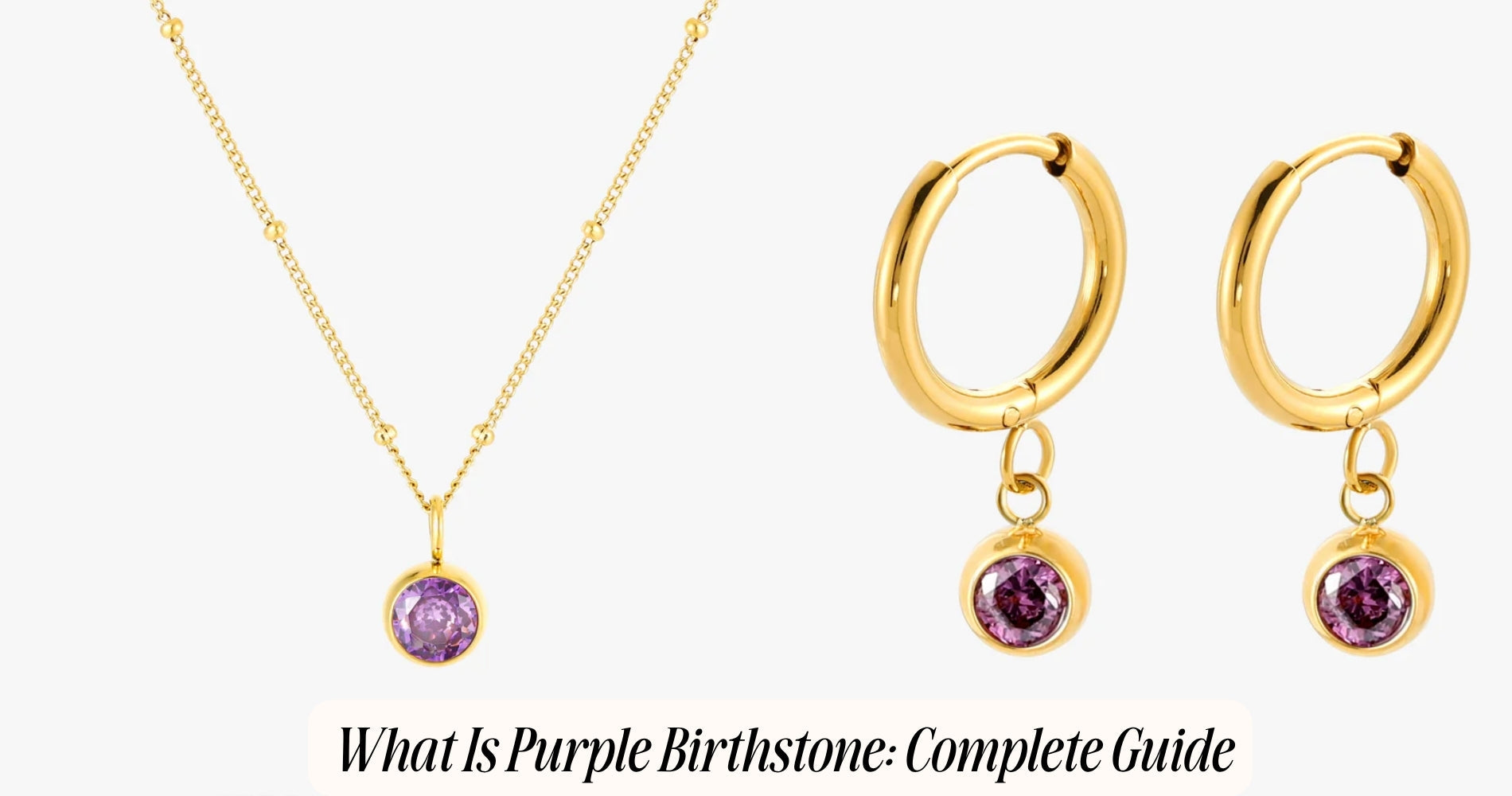
If you have ever wondered what is purple birthstone while shopping for a meaningful piece of jewelry, the answer almost always leads back to amethyst. This rich, violet colored stone has been treasured for centuries and remains one of the most recognizable birthstones today. If you love the depth and elegance of purple gemstones, our Stone Collection features a variety of amethyst pieces designed to highlight its natural beauty in everyday jewelry.
In this guide, we will cover everything you need to know about the purple birthstone, including its meaning, history, who it belongs to, and how to choose and care for amethyst jewelry.
What Is the Purple Birthstone Called
The purple birthstone is amethyst, a variety of quartz known for its striking violet color, which can range from a pale lilac to a deep, almost royal purple. Amethyst is the official birthstone for February, making it one of the most popular gemstones purchased for birthday gifts throughout late winter.
Its color comes from trace amounts of iron within the quartz crystal structure, along with natural irradiation that occurs during its formation deep within the earth. The result is a gemstone that feels both elegant and approachable, fitting for both delicate everyday pieces and bold statement jewelry.

The History and Meaning Behind Amethyst
Amethyst has a long and storied history that stretches back thousands of years. Ancient Greeks believed the stone could protect against intoxication, and the name amethyst comes from the Greek word amethystos, meaning not intoxicated. It was often carved into drinking vessels or worn as jewelry in the belief that it would ward off the effects of overindulgence.
Throughout history, amethyst has also been associated with royalty and spirituality. It was once considered as valuable as diamonds and emeralds, reserved for crowns, religious artifacts, and the jewelry of nobility. Its rich purple hue has long been linked to luxury, wisdom, and calm, which is part of why it remains a popular choice for both engagement style jewelry and everyday accessories.
In modern times, amethyst is often associated with clarity of mind, emotional balance, and protection from negative energy. Many people choose amethyst pieces not just for their birth month significance, but for the sense of calm and grounding the stone is believed to represent.

Why Amethyst Became February's Birthstone
Birthstones as we know them today trace back to ancient traditions, though the modern list used by most jewelers was standardized in the early twentieth century. Amethyst was chosen to represent February in part because of its long standing cultural significance and its striking, easily recognizable color.
Since February falls in the middle of winter for much of the world, amethyst's deep, warm purple tone is often seen as a comforting contrast to the colder months, offering a sense of richness during a season that can otherwise feel muted.
Different Shades of Purple Birthstone
While amethyst is most commonly associated with a deep violet purple, the stone actually occurs in a range of shades depending on its mineral composition and where it was formed.
Deep Siberian purple: Considered the most prized shade, featuring a rich, almost royal purple with flashes of red and blue.
Rose de France: A lighter, more pastel lilac shade that has become popular in delicate, modern jewelry designs.
Classic medium purple: The most commonly found shade, offering a balanced tone that works well in both simple and statement pieces.
This range of shades means amethyst can suit a wide variety of personal styles, from soft and romantic to bold and dramatic.

How to Choose Quality Amethyst Jewelry
When shopping for amethyst, color is one of the most important factors to consider. Generally, a deeper, more saturated purple is considered more valuable, though lighter shades have become increasingly popular for their soft, wearable appeal.
Clarity also matters. High quality amethyst should appear clean to the eye, without visible cracks or cloudy patches, though very small natural inclusions are common and do not necessarily lower the stone's beauty or wearability.
Cut is another factor worth paying attention to, since a well cut amethyst will reflect light evenly and enhance the richness of its color. Poorly cut stones can appear dull or unevenly colored, even if the raw material is high quality.
Finally, consider the setting and metal. Amethyst pairs beautifully with both silver and gold, though many people find that white metals like silver or white gold make the purple tone appear especially vivid, while yellow gold brings out warmer, richer undertones.
Caring for Amethyst Jewelry
Amethyst is a relatively durable stone, ranking around a seven on the Mohs hardness scale, which makes it suitable for regular wear. That said, a few care tips help keep it looking its best over time.
Avoid prolonged exposure to direct sunlight, since amethyst can fade slightly if left in strong light for extended periods. Clean amethyst jewelry with a soft cloth and mild soapy water, avoiding harsh chemicals or ultrasonic cleaners unless recommended by a jeweler. Store amethyst pieces separately from harder gemstones, like diamonds, to prevent accidental scratching during storage.
With proper care, amethyst jewelry can last for generations while maintaining its vibrant color and shine.
Amethyst Beyond February Birthdays
While amethyst is best known as February's birthstone, its popularity extends far beyond birthday gifts. Its rich purple tone makes it a popular choice for anniversary jewelry, particularly for the sixth wedding anniversary, which traditionally celebrates amethyst.
It is also frequently chosen simply for its aesthetic appeal, since purple pairs beautifully with a wide range of skin tones and complements both cool and warm color palettes in an outfit. Many people who were not born in February still choose amethyst jewelry for its elegant, versatile color alone.
Final Thoughts
So, what is purple birthstone? The answer is amethyst, a gemstone with a rich history, deep symbolic meaning, and a stunning range of purple shades to suit nearly any style. Whether you are shopping for a February birthday, an anniversary gift, or simply a beautiful addition to your jewelry collection, amethyst offers timeless elegance backed by centuries of significance.
From delicate rings to bold statement necklaces, this versatile gemstone continues to be one of the most beloved birthstones for its color, history, and meaning alike.
Frequently Asked Questions
1. What is purple birthstone called? The purple birthstone is amethyst, a variety of quartz known for its violet color and official status as February's birthstone.
2. What does amethyst symbolize? Amethyst is often associated with clarity, calm, protection, and emotional balance, along with a long historical connection to royalty and spirituality.
3. Is amethyst a valuable gemstone? While amethyst was historically considered as valuable as diamonds, it is now more affordable due to large deposits discovered over time, though deeper, more saturated stones still command higher prices.
4. Can amethyst be worn every day? Yes, amethyst is durable enough for daily wear, though it should be protected from prolonged direct sunlight and harsh chemicals to preserve its color.
5. What metal looks best with amethyst? Both silver and gold complement amethyst well. Silver and white gold tend to make the purple tone appear more vivid, while yellow gold brings out warmer undertones.









Leave a comment
This site is protected by hCaptcha and the hCaptcha Privacy Policy and Terms of Service apply.