


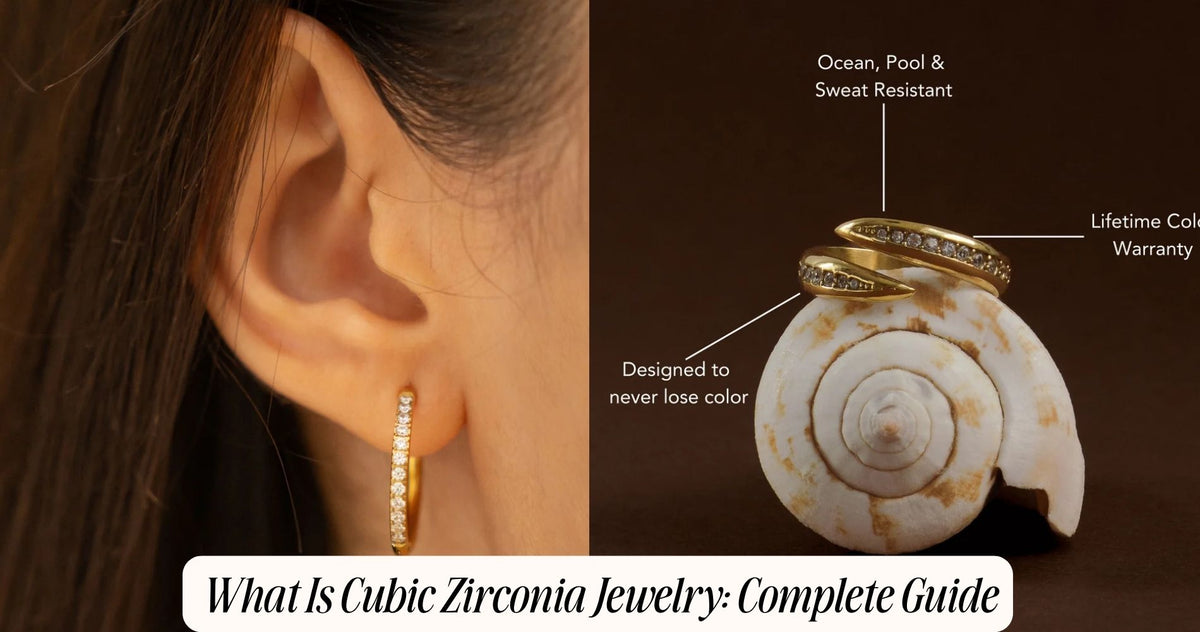
What Is Cubic Zirconia Jewelry: Complete Guide
You have probably seen cubic zirconia in earrings, rings, and necklaces without realizing it, since it can look remarkably like a diamond at first glance. But what is cubic zirconia jewelry exactly, how is it made, and is it a smart buy? Cubic zirconia, often shortened to CZ, is a lab created gemstone known for its sparkle, clarity, and affordability, and it has become one of the most popular stones in modern jewelry. If you are curious about adding some sparkle to your collection, our Stone Collection is a great place to explore.
In this guide, we will explain what cubic zirconia is, how it compares with other stones, its advantages and drawbacks, and what to look for when shopping.
What Is Cubic Zirconia
Cubic zirconia is a synthetic crystalline material made from zirconium dioxide. In nature, zirconium dioxide exists in forms that are not suitable for jewelry, so the gem quality cubic form has to be created in a laboratory. Stabilizing agents, such as yttrium oxide, are added during production to help the crystal hold its cubic structure at room temperature.
The result is a hard, transparent stone that is usually colorless, though it can be produced in nearly any color by adding trace elements. Because it is made in controlled conditions, cubic zirconia is typically free of the flaws and inclusions that natural stones often contain.

A Brief History of Cubic Zirconia
Scientists first worked with zirconium dioxide for industrial and research purposes, but it was in the 1970s that gem quality cubic zirconia was developed for jewelry on a commercial scale. Researchers in the Soviet Union created a method for growing large, clear crystals, and the material quickly caught the attention of the jewelry industry.
Since then, production techniques have improved, and modern cubic zirconia is more refined, consistent, and widely available than early versions. Today, it is one of the most commonly used diamond alternatives in the world.
How Cubic Zirconia Is Made
Cubic zirconia is commonly produced using a method called skull melting. Powdered zirconium dioxide and stabilizer are heated to extremely high temperatures until they melt inside a water cooled container, forming a shell, or skull, of solid material around a molten core. As the mixture slowly cools, crystals form and grow.
Once the crystals are removed, they are cut and polished into the shapes and sizes used in jewelry. Because the process is controlled and repeatable, manufacturers can produce large quantities of stones with consistent quality.

Key Properties of Cubic Zirconia
Understanding a few basic properties helps explain how CZ looks and behaves.
- Hardness: Cubic zirconia rates around 8 to 8.5 on the Mohs scale. That is durable enough for everyday wear, but softer than diamond, which is a 10, so it can scratch more easily over time.
- Brilliance and fire: CZ reflects light brightly and often shows strong flashes of rainbow color, sometimes more than a diamond. Some people love this vivid sparkle, while others feel it looks less natural.
- Clarity: Most cubic zirconia is flawless to the naked eye, since it is grown in a controlled environment.
- Weight: It is noticeably denser than diamond, so a CZ stone feels heavier than a diamond of the same size.
- Color: While most jewelry uses colorless stones, CZ can also be made in pink, blue, green, yellow, and many other shades.
Cubic Zirconia Versus Diamond
Cubic zirconia is often compared directly to diamond, and there are some clear differences. A diamond is a natural, or sometimes lab grown, carbon crystal and is the hardest known gemstone. It holds its value and resists scratching far better. Cubic zirconia is a different material entirely, made from zirconium dioxide, and it is far more affordable.
To the untrained eye, the two can look very similar, especially in smaller stones. Over time, however, CZ may show more wear, such as cloudiness from scratches, particularly in rings worn daily. A jeweler can distinguish them easily, using tools such as a diamond tester, since the two materials conduct heat differently.

Cubic Zirconia Versus Moissanite
Moissanite is another popular diamond alternative, and it is often considered a step above cubic zirconia in durability. It is harder, at about 9.25 on the Mohs scale, and it tends to resist wear better. However, moissanite typically costs significantly more than cubic zirconia.
If your budget allows and you want the most durable option for an everyday ring, moissanite may be worth considering. If you want an affordable, sparkling stone for earrings, pendants, or fashion rings, cubic zirconia is an excellent choice.
Types of Cubic Zirconia Jewelry
Cubic zirconia appears in nearly every jewelry category.
- Earrings: Studs, drops, and hoops with CZ accents are very popular and are among the best ways to wear the stone, since earrings experience less wear than rings.
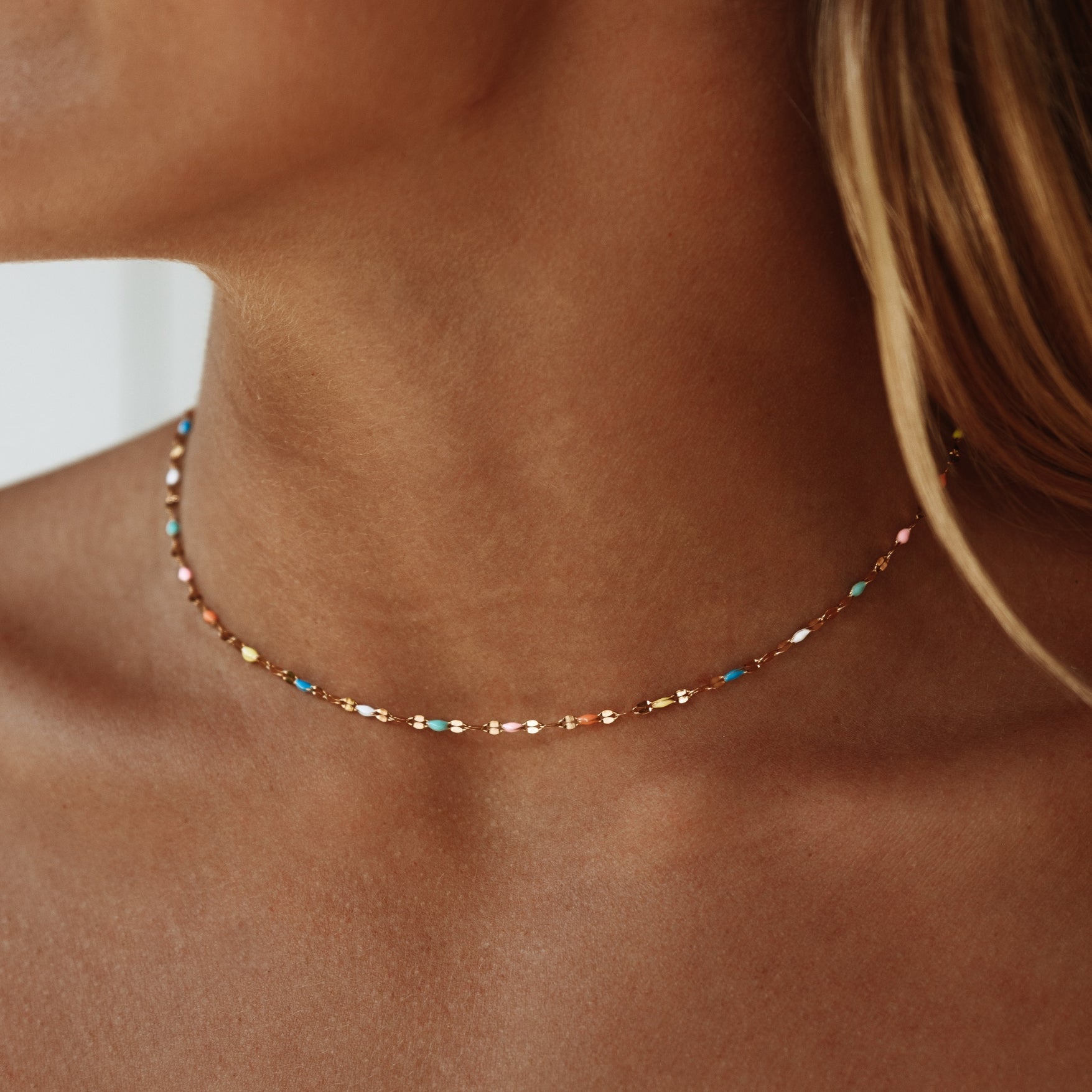
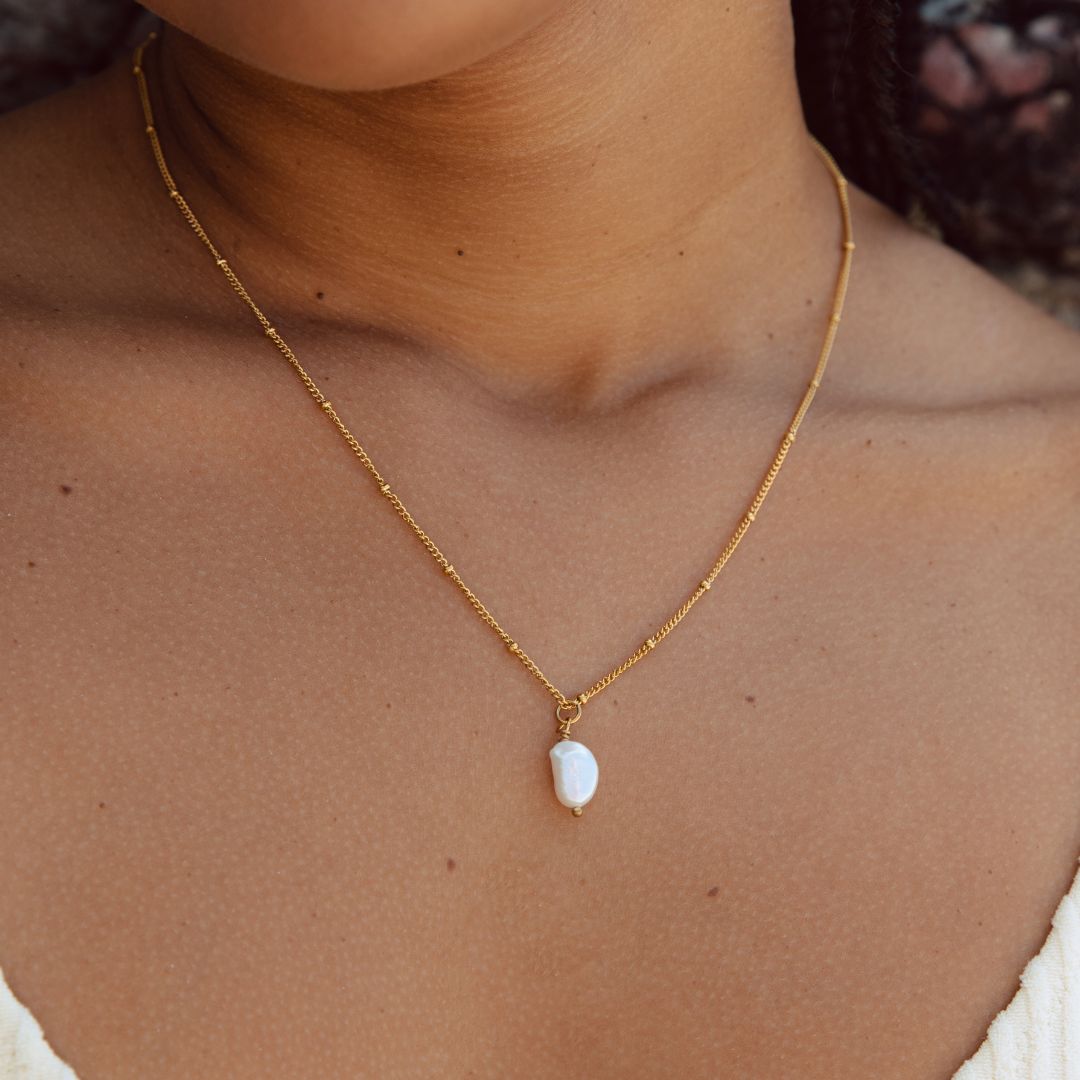
- Necklaces and pendants: A single CZ pendant or a line of stones on a delicate chain adds subtle sparkle for everyday wear.
- Rings: Solitaires, halos, and stackable bands are common, and CZ is often used in fashion rings and as a budget friendly stand in for engagement style designs.
- Bracelets: Tennis style bracelets with a continuous line of stones are a classic use of CZ.
- Colored styles: Pink, blue, and other colors are used to imitate gemstones or to create bold, playful looks.
Advantages of Cubic Zirconia Jewelry
There are good reasons for its popularity. It is affordable, which allows you to buy larger or more elaborate designs than you might otherwise afford. It offers consistent clarity and sparkle. It is widely available in many styles, colors, and settings. It is also a lab created stone, which appeals to shoppers who prefer to avoid mined gems.
Drawbacks to Consider
Cubic zirconia also has limits. It is softer than diamond and moissanite, so it can develop scratches and cloudiness with heavy daily wear. It does not carry resale or investment value the way natural gemstones do. Its sparkle can look slightly different from a diamond, with more colorful flashes. And the quality of the setting matters, since a poorly made metal setting can tarnish or loosen.

What to Look for When Buying
A few details can help you choose well. Look for well cut stones, since a precise cut maximizes sparkle. Check the metal setting, and favor durable options such as sterling silver, stainless steel, or gold over low quality base metals. Make sure the stones are securely set and that prongs are even and smooth. For rings worn daily, consider protective settings, such as bezels. Finally, buy from sellers who clearly state the materials and offer care information.
Caring for Cubic Zirconia Jewelry
Basic care keeps CZ looking bright. Clean it regularly with warm water, mild soap, and a soft brush to remove oils and residue. Apply lotion and perfume before putting your jewelry on, and store pieces separately to avoid scratches from harder stones. Remove rings during heavy activities, and avoid harsh chemicals that could damage the setting.
Final Thoughts
So, what is cubic zirconia jewelry? It is jewelry set with a lab created stone made from zirconium dioxide, prized for its brilliant sparkle, clarity, and low cost. While it is not as hard or valuable as a diamond or moissanite, it offers fantastic style for the price, especially in earrings, pendants, and fashion pieces.
With good care and a well made setting, cubic zirconia can add beautiful, affordable sparkle to your jewelry collection for years.
Frequently Asked Questions
1. What is cubic zirconia jewelry made of?
It features a lab created stone made from zirconium dioxide, set in metals such as sterling silver, gold, or stainless steel.
2. Is cubic zirconia a real gemstone?
It is a real, lab created gemstone rather than a natural one. It is a diamond simulant, meaning it imitates a diamond's look but is a different material.
3. Is cubic zirconia the same as a diamond?
No. Cubic zirconia is a different material that is softer, heavier, and much cheaper, though it can look similar to a diamond.
4. Can I wear cubic zirconia jewelry every day?
Yes, especially earrings and pendants. Rings worn daily may show wear sooner, so regular cleaning and careful handling help.
5. How is cubic zirconia different from moissanite?
Moissanite is harder and generally more durable but costs more, while cubic zirconia is more affordable and widely available.











Leave a comment
This site is protected by hCaptcha and the hCaptcha Privacy Policy and Terms of Service apply.