


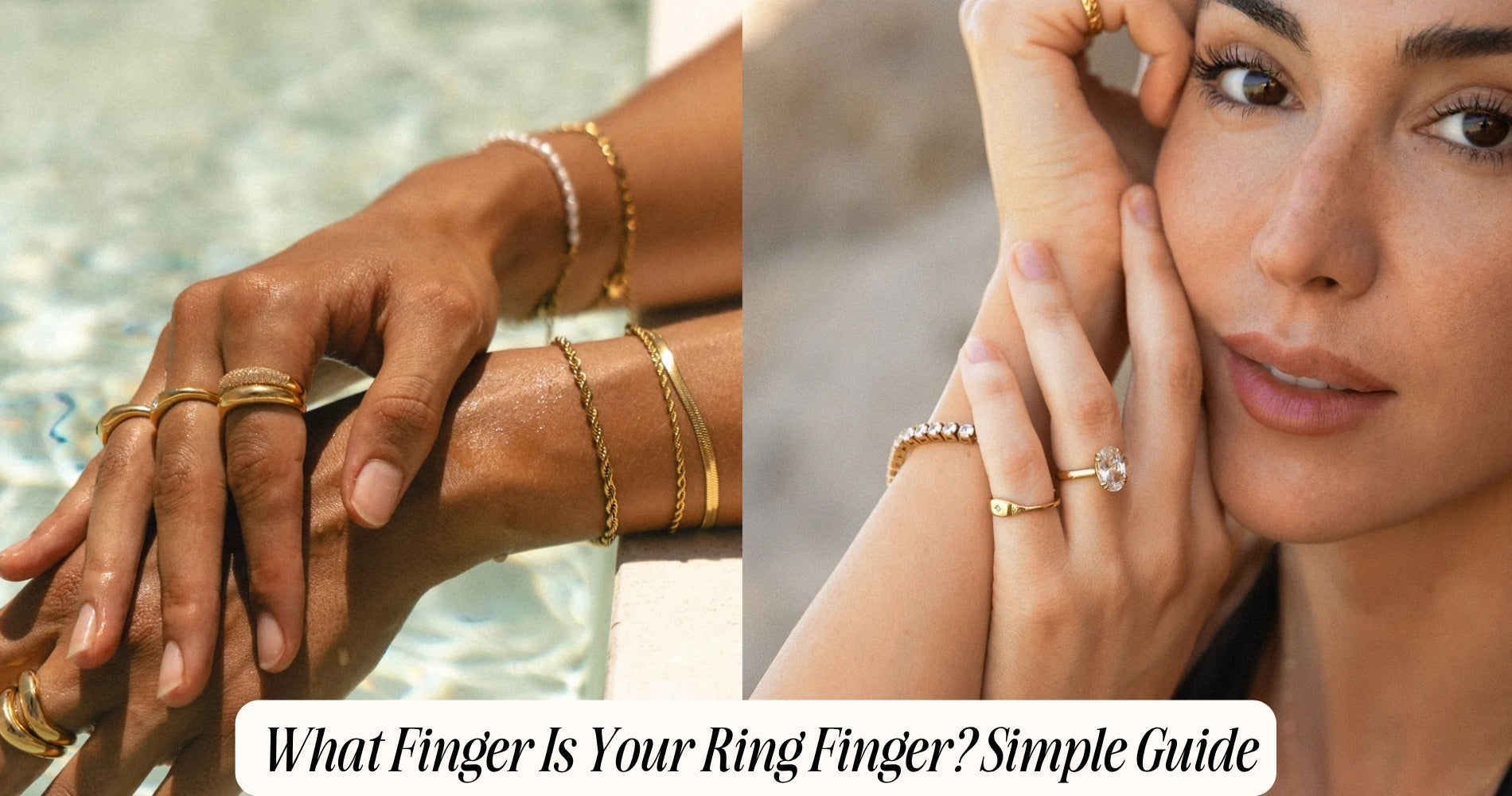
What Finger Is Your Ring Finger? Simple Guide
If you have ever paused while shopping for a ring, wondering exactly which finger carries specific traditional significance, you are not alone. Understanding what finger is your ring finger seems like it should be a simple question, but the answer actually varies depending on cultural tradition, personal preference, and even which hand you are referring to.
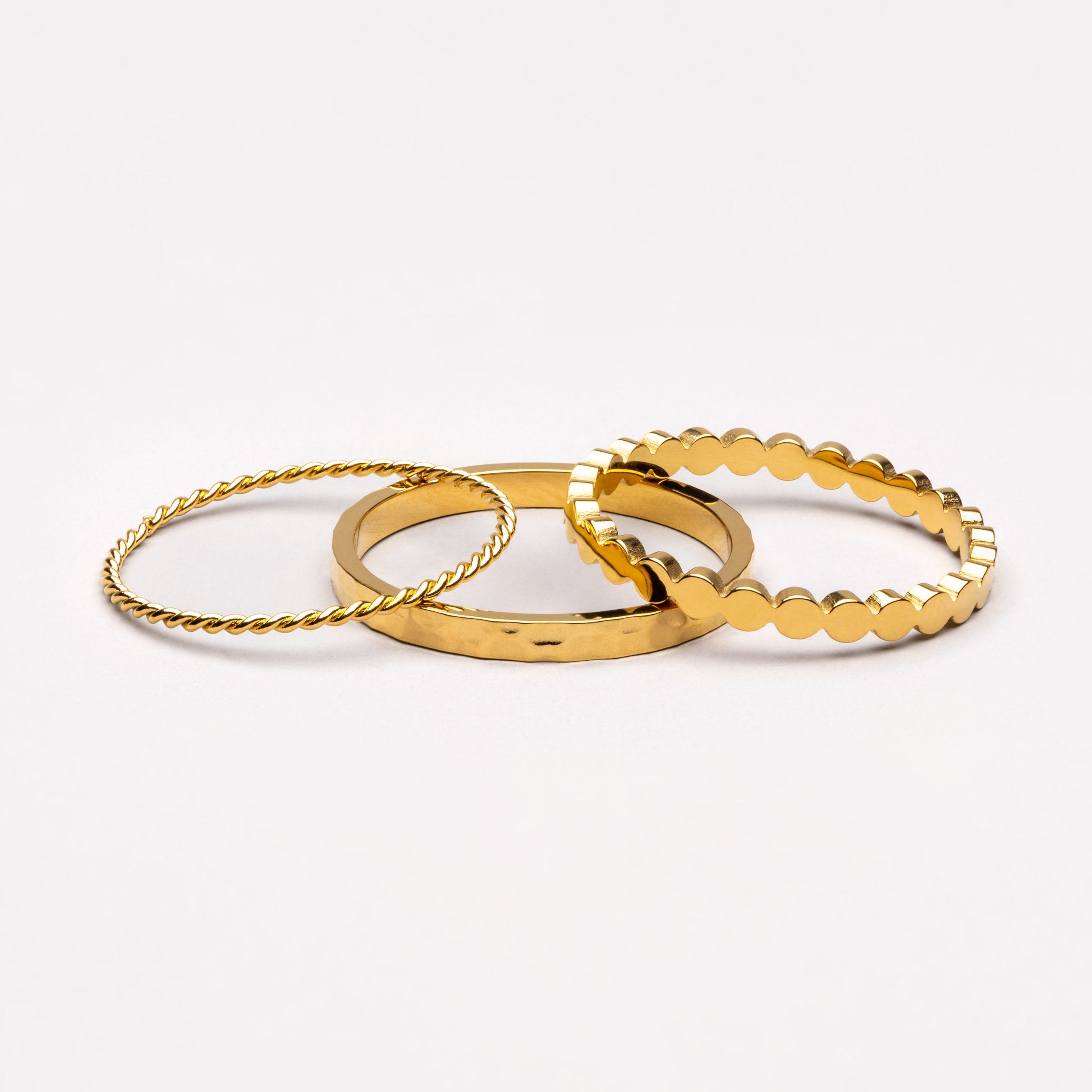
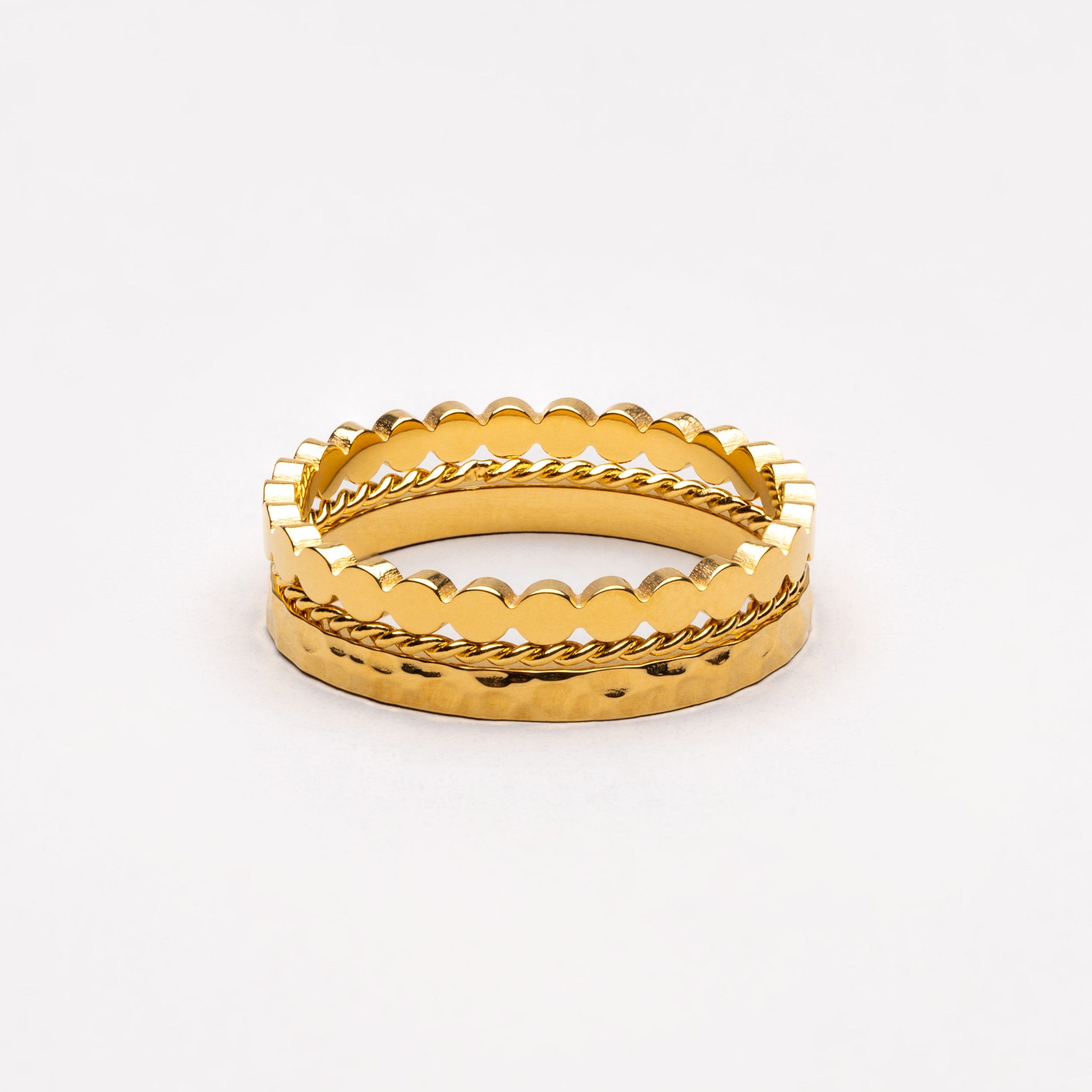
In this guide, we will clarify exactly which finger is traditionally considered the ring finger, explore the fascinating history behind this tradition, and cover how customs vary across different cultures around the world. If you are shopping for a versatile everyday piece, our Waterproof Rings collection offers durable designs perfect for whichever finger you choose to wear them on.
What Finger Is Your Ring Finger
The ring finger traditionally refers to the fourth finger on the hand, positioned between the middle finger and the pinky finger. In most Western cultures, particularly within the United States and much of Europe, the ring finger specifically refers to this fourth finger on the left hand, most commonly associated with engagement and wedding rings.
However, it is worth noting that this specific left hand tradition is not universal, and several cultures around the world traditionally place significance on the right hand ring finger instead, which we will explore in more detail further in this guide.

The Historical Origins of the Ring Finger Tradition
The tradition of wearing a wedding or engagement ring specifically on the fourth finger dates back thousands of years, with roots tracing to ancient Roman and Egyptian beliefs about anatomy and romantic connection. Ancient Egyptians and later Romans believed that a particular vein, sometimes referred to as the vena amoris, or vein of love, ran directly from the fourth finger to the heart, creating a symbolic and, according to this ancient belief, literal physical connection between the ring and matters of the heart.
While modern anatomical understanding has since disproven this specific vein connection, since blood vessels in the hand do not actually differ significantly between fingers in the way this ancient belief suggested, the romantic symbolism behind the tradition persisted and became deeply embedded in Western wedding and engagement customs, continuing largely unchanged for centuries despite the scientific inaccuracy of its original justification.
Left Hand Versus Right Hand Ring Finger Traditions
While many people assume the ring finger tradition is universal, the specific hand associated with wedding and engagement rings actually varies considerably depending on cultural background and geographic location.
Left Hand Tradition
In the United States, United Kingdom, and much of Western Europe, wedding and engagement rings are traditionally worn on the left hand ring finger. This tradition ties back to the ancient vena amoris belief discussed above, along with various religious and cultural customs that developed and reinforced this specific placement over centuries of Western tradition.
Right Hand Tradition
In several other countries and cultures, including Germany, Russia, India, Norway, and various Eastern European nations, wedding and engagement rings are more traditionally worn on the right hand ring finger instead. This alternative tradition often stems from different cultural and religious beliefs regarding the symbolic significance of the left versus right hand, with some traditions historically associating the left hand with negative connotations, making the right hand a more appropriate choice for symbolically significant jewelry like wedding rings.

Why Does Ring Finger Placement Vary So Much
The variation in ring finger tradition across different cultures largely reflects the diverse historical, religious, and symbolic beliefs that developed independently across different regions throughout history. Because the original vena amoris belief originated specifically within Western, particularly Greco Roman influenced cultures, this specific left hand association became deeply rooted primarily within societies directly influenced by these ancient traditions.
Cultures with different historical and religious influences developed their own separate traditions regarding hand and finger symbolism, leading to the right hand tradition seen in various other parts of the world, illustrating how deeply cultural context shapes even seemingly simple jewelry customs like ring finger placement.
The Ring Finger Beyond Wedding Traditions
While the fourth finger's strongest association remains tied to wedding and engagement rings, this same finger placement is sometimes referenced in other, less formal contexts as well, though with considerably less strict cultural significance attached.
In some casual, modern contexts, wearing a ring on the right hand ring finger, particularly within cultures where the left hand tradition is more dominant, has occasionally been used to signal that an individual is not currently married or engaged, informally distinguishing this placement from the more traditional, symbolically significant left hand position. However, this specific informal signal is not universally recognized and should not be relied upon as a definitive indicator of someone's relationship status, since many people simply wear rings on whichever finger they personally prefer, without intending any specific symbolic message.

Does It Matter Which Finger You Wear a Ring On
Outside of specific wedding and engagement traditions, there is no strict rule dictating which finger a ring must be worn on for everyday, non symbolic jewelry. Many people wear rings across various fingers simply based on personal comfort, style preference, or how a particular ring happens to fit best.
Some individuals enjoy wearing multiple rings across different fingers as part of a broader, layered jewelry aesthetic, without attaching any specific traditional or symbolic meaning to each individual finger placement. Ultimately, outside of formal wedding and engagement customs, ring finger choice largely comes down to personal preference rather than any strict, universally required tradition.
How to Determine Your Ring Size for the Ring Finger
If you are specifically shopping for an engagement or wedding ring intended for the traditional ring finger, accurately measuring this specific finger is important, since ring finger size can sometimes differ slightly from other fingers on the same hand.
Using a flexible measuring tape or a strip of string, wrap it snugly around the base of your ring finger specifically, rather than assuming your ring size will be identical across every finger. Because fingers can vary somewhat in size even on the same hand, taking a direct measurement of your ring finger specifically helps ensure the most accurate, comfortable fit for a piece intended for this particular traditional placement.

Modern Trends in Ring Finger Symbolism
In more recent years, some evolving trends have begun to shift certain aspects of traditional ring finger symbolism. For example, some individuals now choose to wear a promise ring, a symbolic ring representing commitment prior to formal engagement, on the ring finger as well, blurring some of the traditional distinctions between casual and formally symbolic ring placement.
Additionally, as more people embrace personalized, non traditional approaches to relationship milestones and jewelry symbolism more broadly, some couples now choose alternative finger placements entirely for their wedding or engagement rings, based on personal preference rather than strict adherence to historical convention.
Final Thoughts
So, what finger is your ring finger? Traditionally, it refers to the fourth finger, positioned between the middle finger and pinky, most commonly worn on the left hand within Western culture, though several other cultures around the world traditionally place this same symbolic significance on the right hand instead. This centuries old tradition traces back to ancient beliefs about a direct vein connection between this finger and the heart, a belief that, while scientifically inaccurate by modern understanding, continues to shape wedding and engagement ring customs today.
Whether you follow traditional customs or simply choose whichever finger feels most comfortable and meaningful to you personally, understanding this rich history adds a layer of appreciation to this simple yet symbolically significant piece of jewelry placement.
Frequently Asked Questions
-
Is the ring finger always on the left hand? No, while the left hand ring finger is traditional in the United States and much of Western Europe, several other cultures, including Germany, Russia, and India, traditionally use the right hand instead.
-
Why is the fourth finger specifically called the ring finger? This tradition dates back to an ancient belief that a vein directly connected this specific finger to the heart, a belief that has since been disproven by modern anatomical understanding.
-
Does it matter which finger I wear a ring on if it is not for a wedding or engagement? No, outside of specific wedding and engagement traditions, ring finger placement is largely a matter of personal preference and comfort.
-
Should I measure my ring finger specifically for an engagement ring? Yes, since finger size can vary slightly across the hand, it is best to measure your ring finger specifically rather than assuming your ring size is identical across every finger.









Leave a comment
This site is protected by hCaptcha and the hCaptcha Privacy Policy and Terms of Service apply.